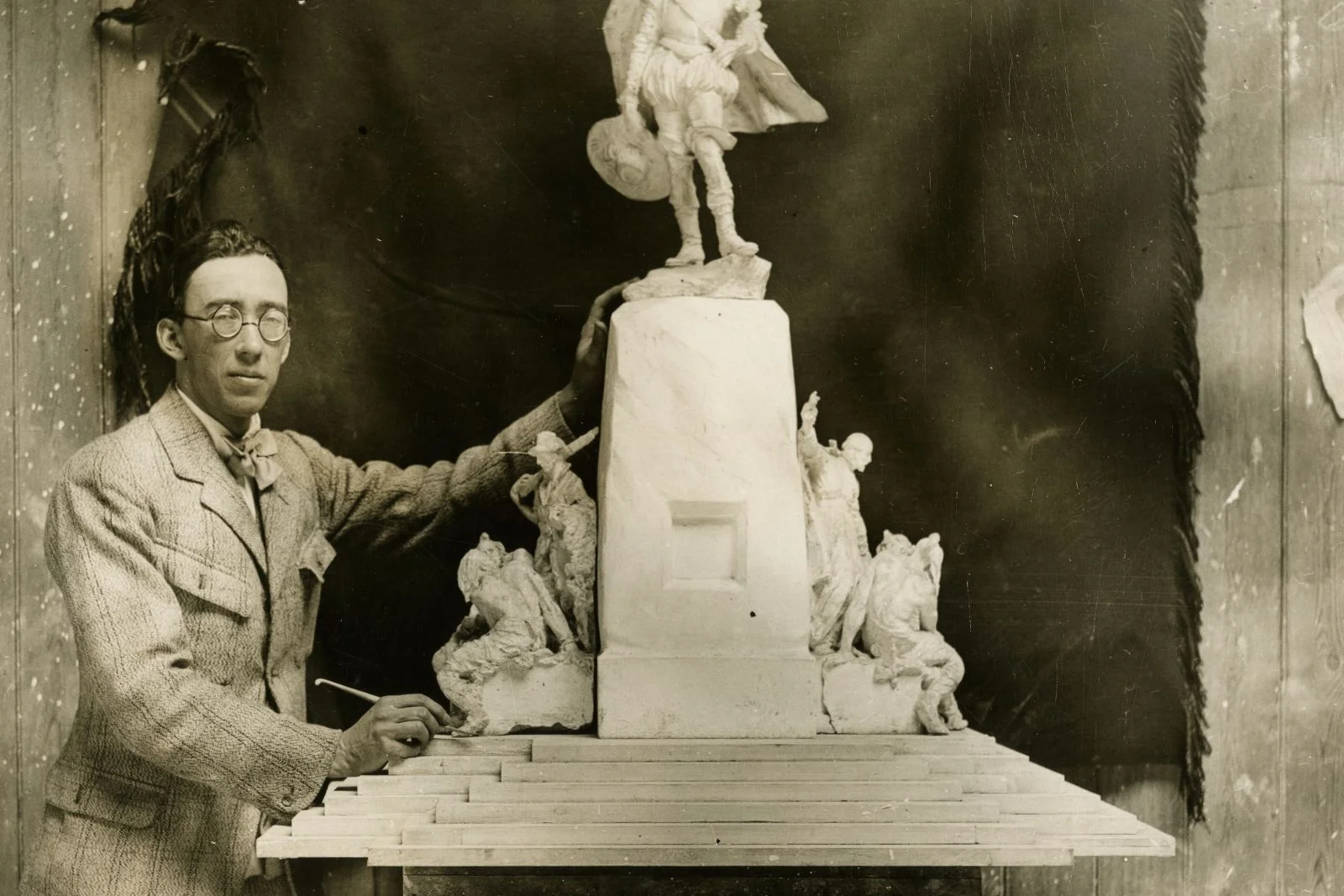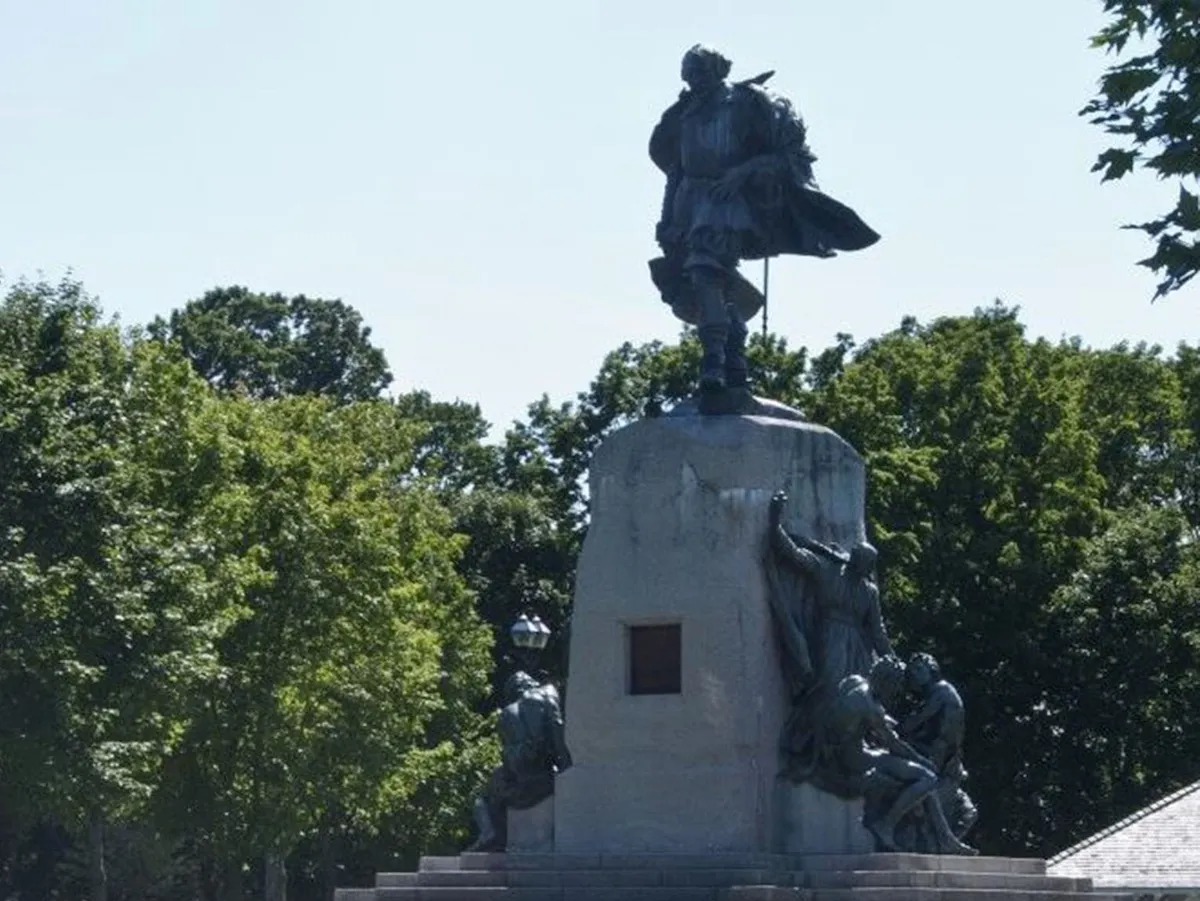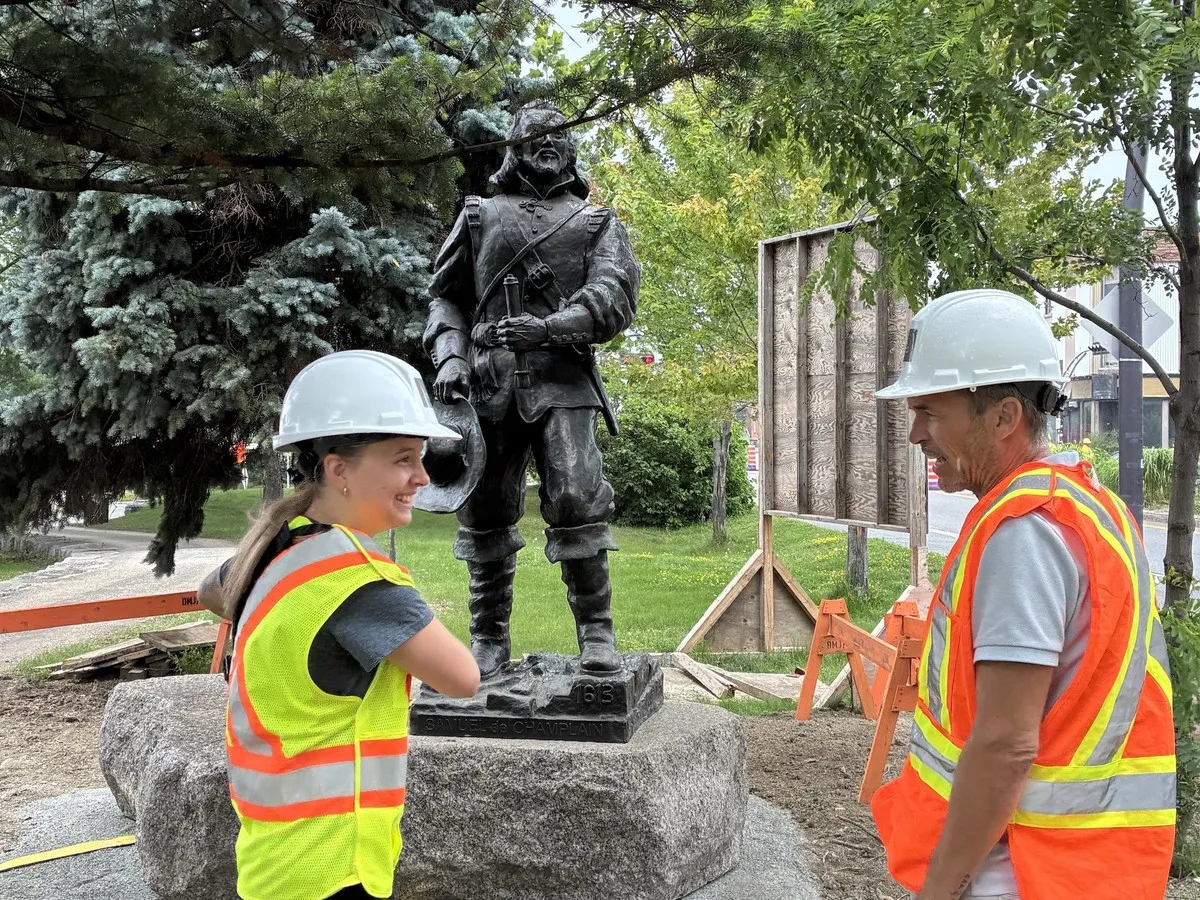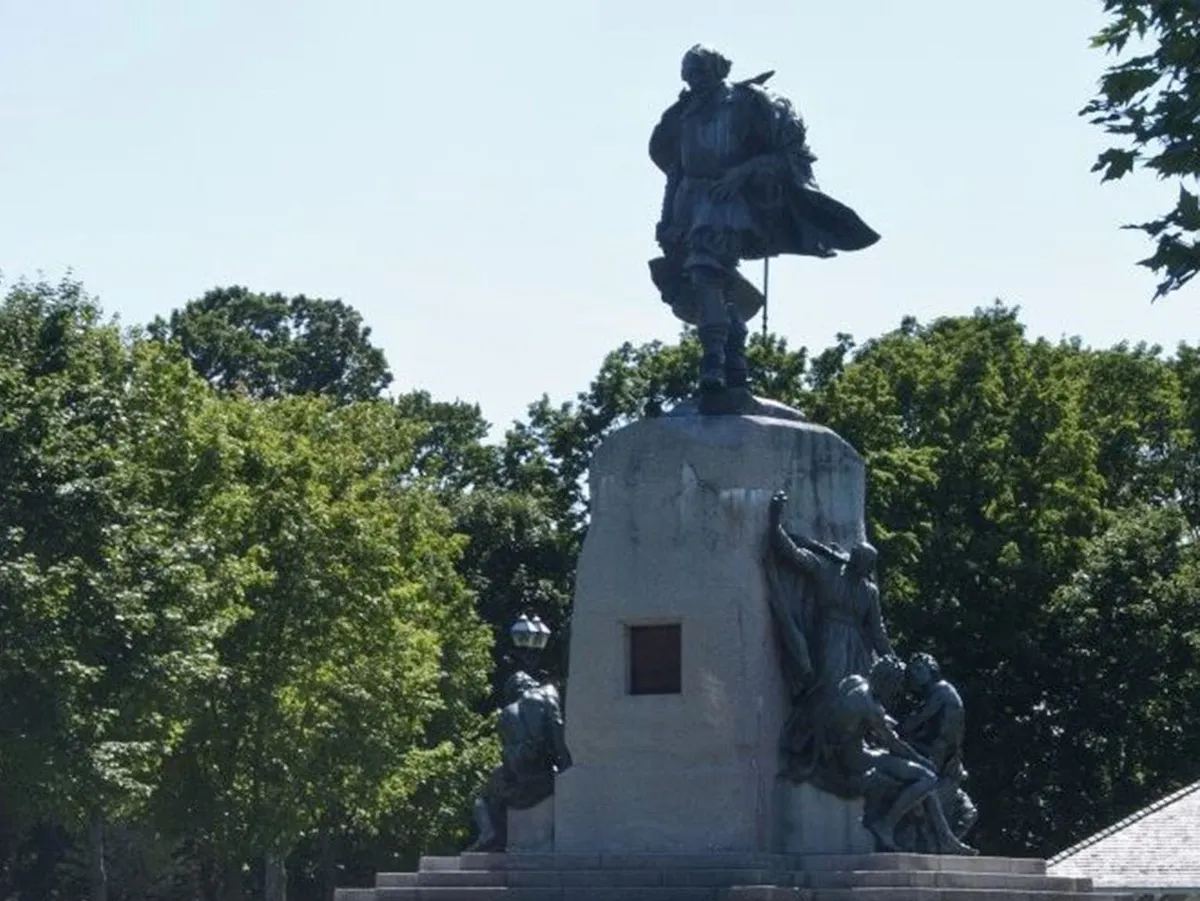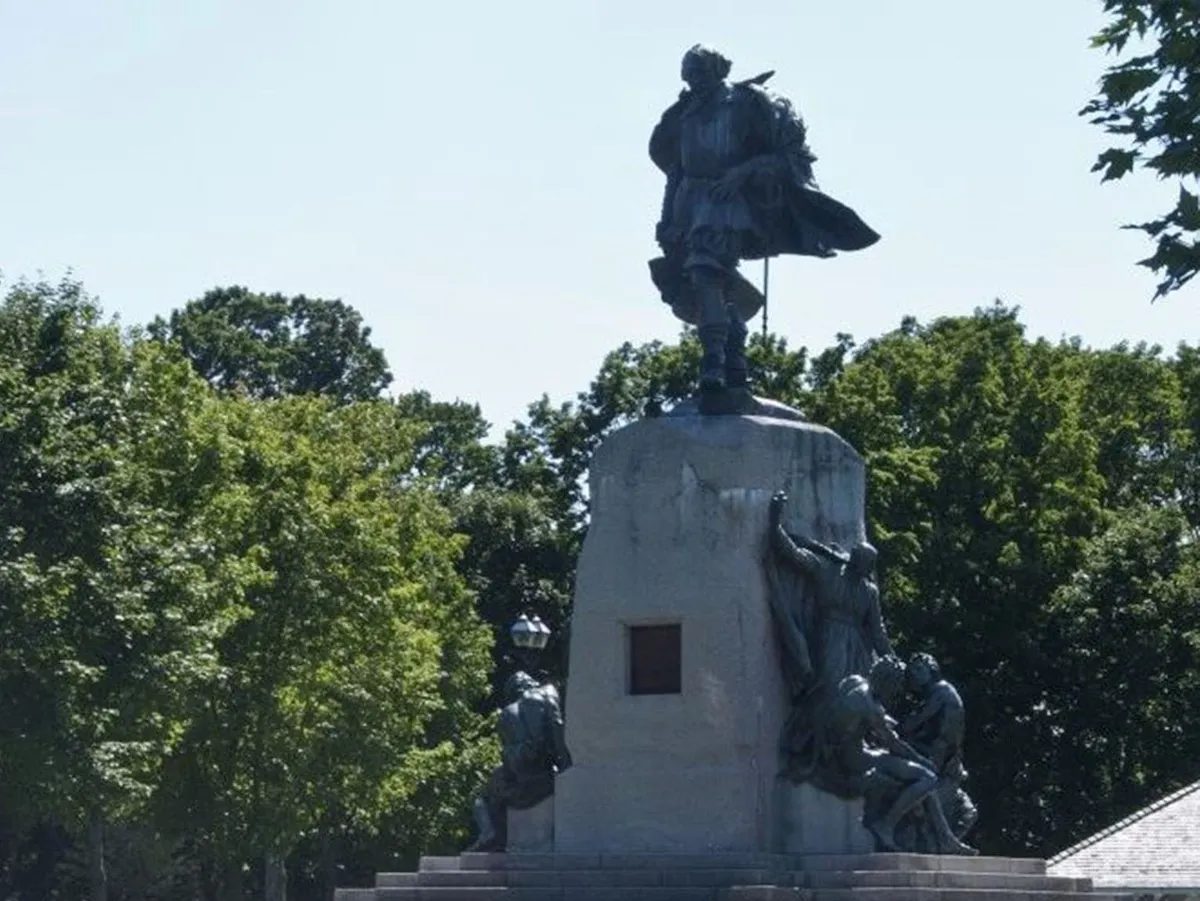
Skip to Content Subscribe Our Offers My Account Manage My Subscriptions FAQ Newsletters Canada Canadian True Crime Canadian Politics Health World Israel & Middle East Financial Post NP Comment Longreads Puzzmo Diversions Comics NP News Quiz New York Times Crossword Horoscopes Life Eating & Drinking Style Sponsored Play for Ontario Travel Travel Canada Travel USA Travel International Cruises Travel Essentials Culture Books Celebrity Movies Music Theatre Television Business Essentials Advice Lives Told Tails Told Shopping Buy Canadian Home Living Outdoor Living Kitchen & Dining Tech Style & Beauty Personal Care Entertainment & Hobbies Gift Guide Travel Guide Amazon Prime Day Deals Savings National Post Store More Sports Hockey Baseball Basketball Football Soccer Golf Tennis Driving Vehicle Research Reviews News Gear Guide Obituaries Place an Obituary Place an In Memoriam Classifieds Place an Ad Celebrations Working Business Ads Archives Healthing Epaper Manage Print Subscription Profile Settings My Subscriptions Saved Articles My Offers Newsletters Customer Service FAQ Newsletters Canada World Financial Post NP Comment Longreads Puzzmo Diversions Life Shopping Epaper Manage Print Subscription HomeNP CommentPatrice Dutil: Champlain statue removal an embarrassment for the countryChamplain was lauded for his close relationship with First Nations, yet his statue was taken down in the name of 'reconciliation'Last updated 33 minutes ago You can save this article by registering for free here. Or sign-in if you have an account.The Samuel de Champlain statue in Orillia, Ont., before it was removed. Photo by City of OrilliaThe forces of historical ignorance and vandalism have once again struck in Ontario. This time, the freshly spray-painted statue of Samuel de Champlain, inaugurated in Orillia in 1925 in honour of the 300th anniversary of his visit to the area in 1615 has been removed, even though most people apparently want it kept in place.Enjoy the latest local, national and international news.Exclusive articles by Conrad Black, Barbara Kay and others. Plus, special edition NP Platformed and First Reading newsletters and virtual events.Unlimited online access to National Post.National Post ePaper, an electronic replica of the print edition to view on any device, share and comment on.Daily puzzles including the New York Times Crossword.Support local journalism.Enjoy the latest local, national and international news.Exclusive articles by Conrad Black, Barbara Kay and others. Plus, special edition NP Platformed and First Reading newsletters and virtual events.Unlimited online access to National Post.National Post ePaper, an electronic replica of the print edition to view on any device, share and comment on.Daily puzzles including the New York Times Crossword.Support local journalism.Create an account or sign in to continue with your reading experience.Access articles from across Canada with one account.Share your thoughts and join the conversation in the comments.Enjoy additional articles per month.Get email updates from your favourite authors.Create an account or sign in to continue with your reading experience.Access articles from across Canada with one accountShare your thoughts and join the conversation in the commentsEnjoy additional articles per monthGet email updates from your favourite authorsSign In or Create an AccountorChamplain was once an integral part of the history of Ontario. He was an expert navigator, a brave commander of men, a courageous explorer, an extraordinary cartographer and, even better, a writer and deeply observant anthropologist who left the world with the best and most complete descriptions of the Indigenous peoples of the Ottawa Valley and Georgian Bay. Students learned about him in history classes.The renowned American historian David Hackett Fischer concluded his massive biography, “Champlain’s Dream,” by hailing Champlain as the founder of a generous and humane colony, one of the great humanists of his day. That extraordinary generation included William Shakespeare, Caravaggio, Johannes Kepler and Galileo, to name but a few. But Champlain has largely been removed from Ontario’s curriculum.This newsletter from NP Comment tackles the topics you care about. (Subscriber-exclusive edition on Fridays)By signing up you consent to receive the above newsletter from Postmedia Network Inc.We encountered an issue signing you up. Please try againHe was an honoured friend of the Wendat people. When asked by them to help in their war with the Haudenosaunee (they were known as Iroquois by the French) of upstate New York, he responded to the call and travelled from Quebec City to the Penetang peninsula on Georgian Bay in 1615.Together, the clutch of French soldiers and Wendat warriors crossed Lake Ontario and attacked the enemy. When Champlain was injured in that battle, the Wendat warriors carried him on their backs and insisted that he winter with them in their villages.When the Haudenosaunee carried out their most murderous campaign against the Wendat in the 1640s and 1650s, the survivors moved north and found refuge near Quebec, the settlement founded by Champlain in 1608.In other words, it was a fruitful relationship, the very kind of partnership between the French pioneers and Indigenous peoples that should be celebrated and remembered. Yet that’s not good enough for 21st-century Ontario.It was good enough 100 years ago. The monument created by Vernon March (who also designed the spectacular cenotaph in Ottawa) that was unveiled in Orillia to honour and remember Champlain’s visit 300 years earlier went beyond honouring the French explorer. It recognized the Indigenous population, the coureurs de bois and the missionaries. There was obviously a hierarchy — after all, Champlain was the effective governor of New France.It also represented a moment of national unity between the English and the French in the 1920s. A new spirit of rapprochement after the First World War was shaping the national culture, and within a couple years of this monument’s construction, Ontario stopped enforcing a regulation that denied francophones the right to an education in their own language.Indigenous leaders were present when the monument was unveiled before a crowd of 10,000 people and for nearly 100 years it served as a historical marker.Of course, the subjugated characters did not age well and the configuration had to be rethought. This was artfully done in Ottawa where the Champlain figure was taken off its high pedestal and brought down to eye level. It worked.Meanwhile, Champlain monuments throughout North America remain a source of pride.What went so wrong? In 2017, Parks Canada decided to remove the Orillia statue for restoration after a report indicated significant deterioration of the structure. The federal government had promised a quick upgrade.A working group comprised of representatives from Parks Canada, members of the municipal council, the Chippewas of the Rama First Nation and the Huron-Wendat Nation, among others, examined the future of the monument. In 2021 the Indigenous members withdrew their support in light of the Kamloops “revelations.”The delays piled up, and Parks Canada eventually agreed to transfer ownership to the municipality. New plans to reconfigure the monument to make it more egalitarian were dismissed. The Indigenous community effectively exercised a veto by refusing to participate in the discussions. Frustrated with the wait, Mayor Don McIsaac made the decision: the monument would be redeployed, without the high pedestal and without the other figures.But the monument was vandalized, then draped for its protection and yet desecrated again. Following a heated discussion, members of the municipal council voted on May 29 to remove the monument. It was taken away last week, carried off on a flatbed truck, another victim of a community unable to come to terms with its history and with its culture. Mayor McIsaac has warned that it might be melted.Members of the Bloc Québécois have now called on the Quebec government to acquire the spectacular monument in order to move it to Quebec.This is an embarrassment for the province, but also for the country. Where is Ottawa? Where is Queen’s Park?National PostPatrice Dutil is a political historian whose most recent book is “The Enduring Riddle of Mackenzie King.” He was the president of the Champlain Society from 2010 to 2017. Join the Conversation This website uses cookies to personalize your content (including ads), and allows us to analyze our traffic. Read more about cookies here. By continuing to use our site, you agree to our Terms of Use and Privacy Policy.
Patrice Dutil: Champlain statue removal an embarrassment for the country
Champlain was lauded for his close relationship with First Nations, yet his statue was taken down in the name of 'reconciliation'
1,324 words~6 min read