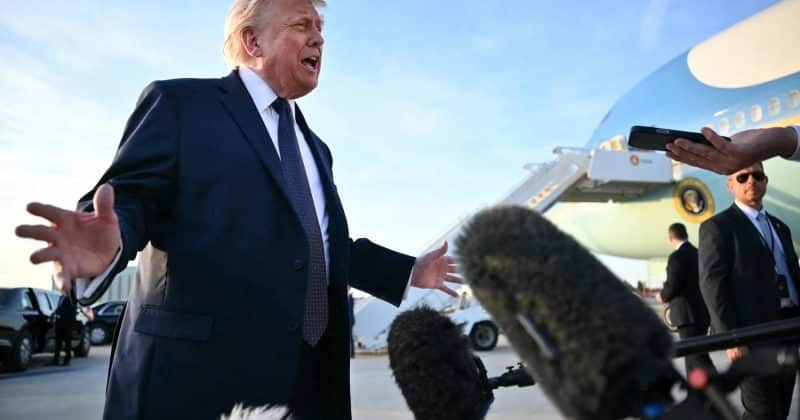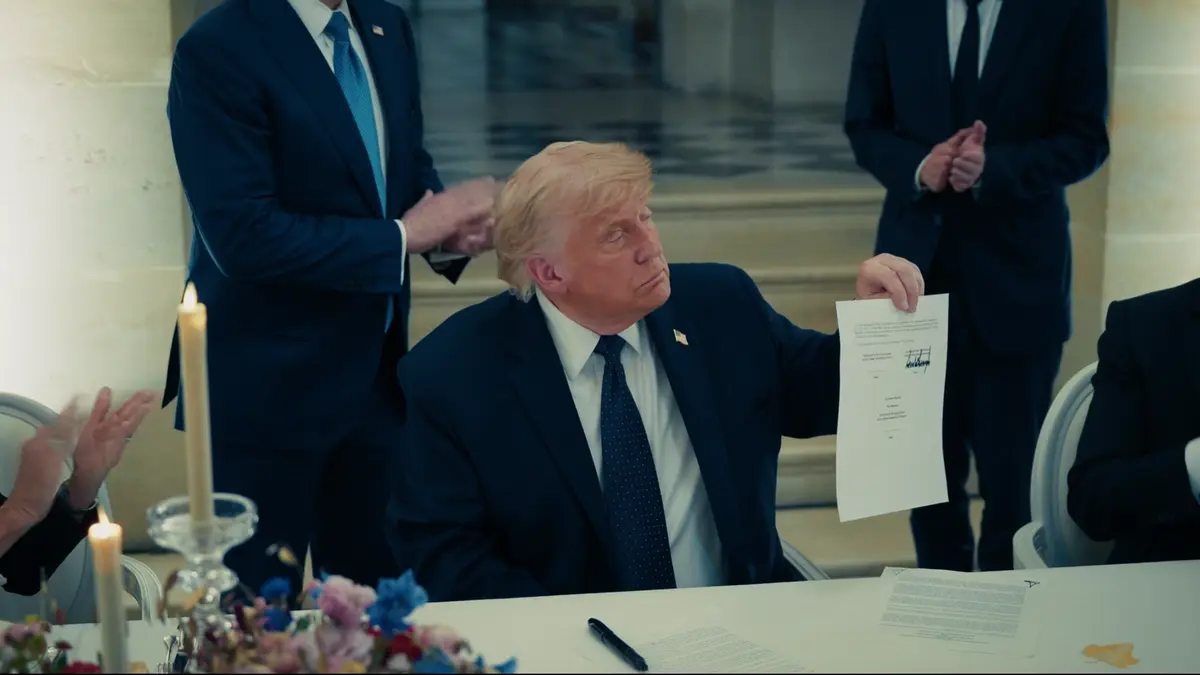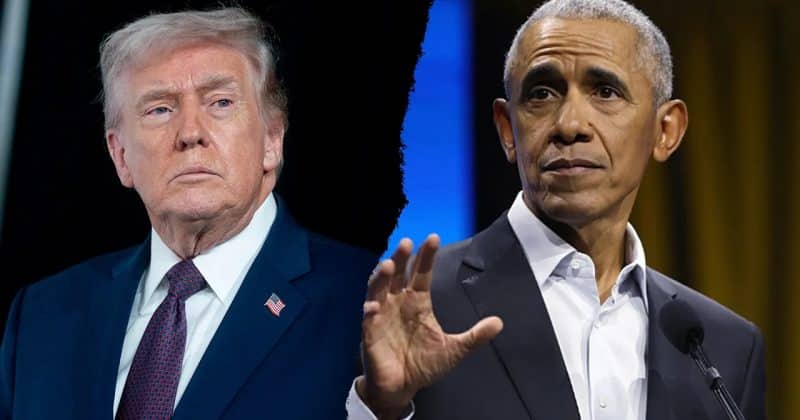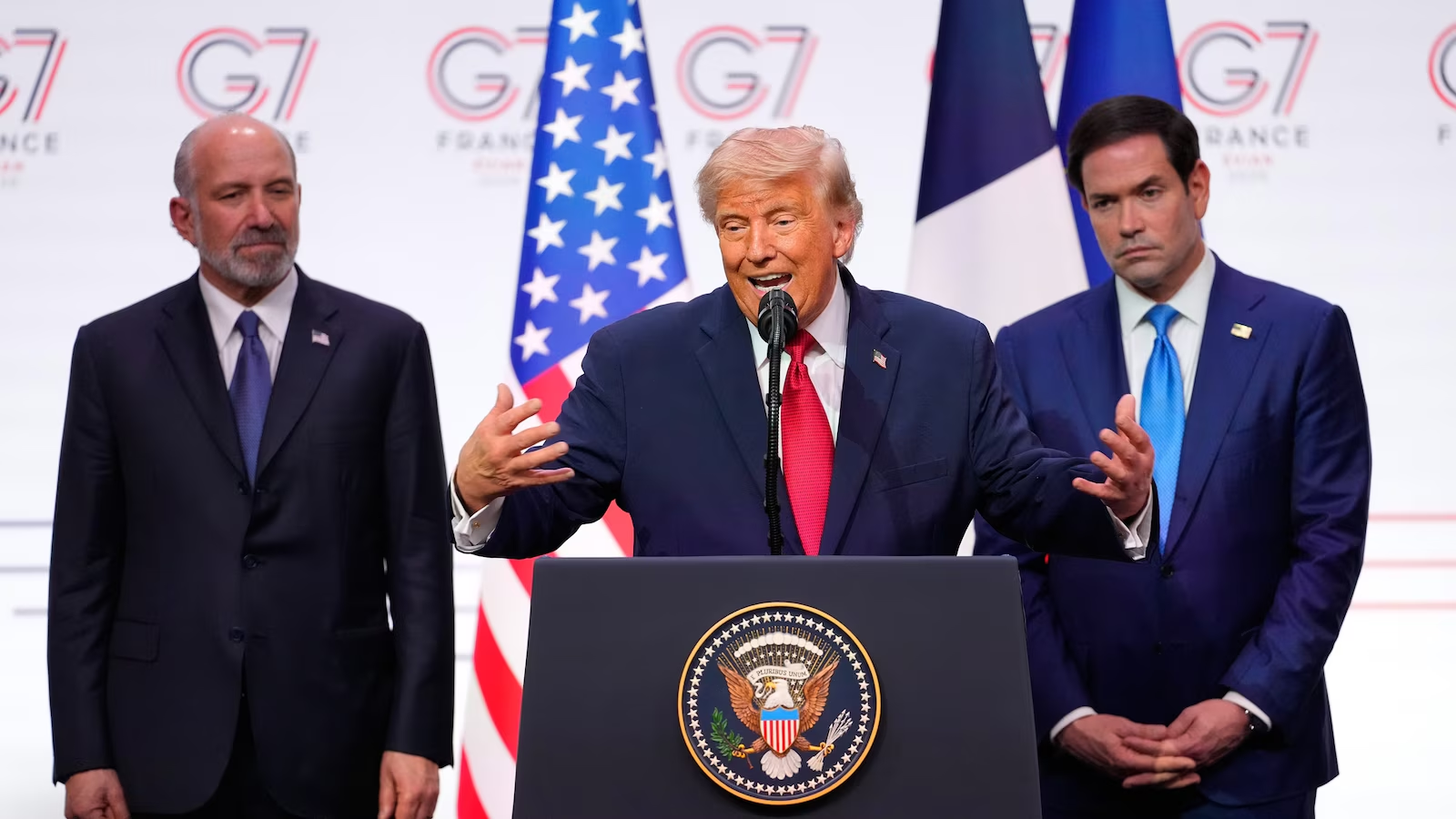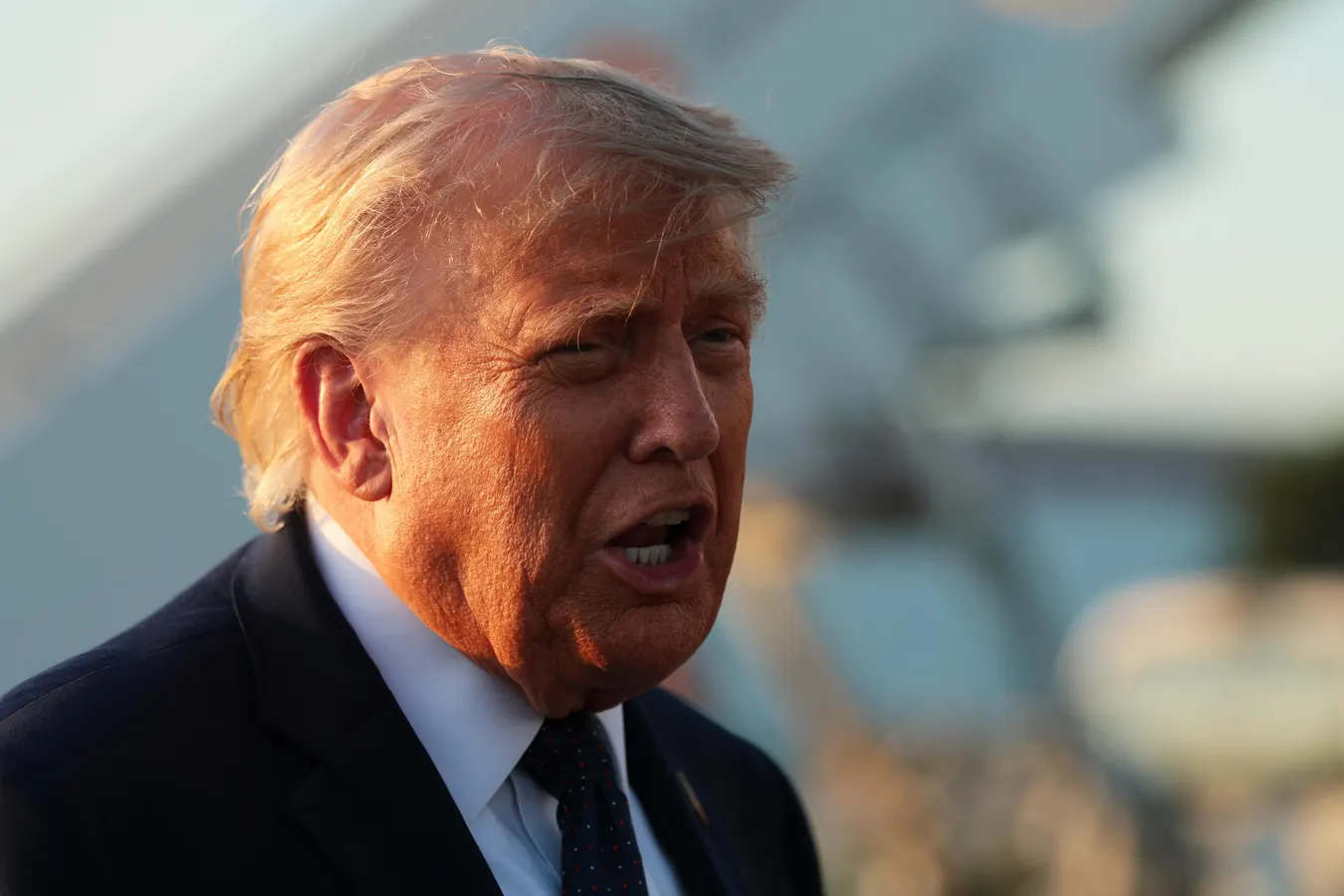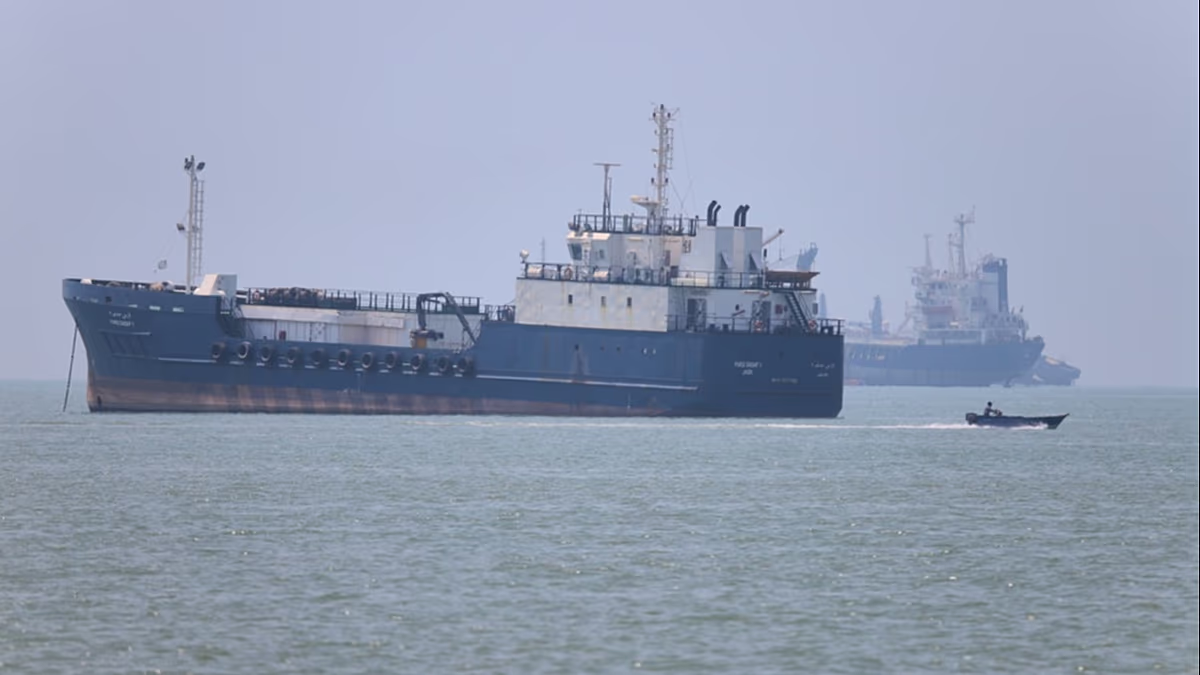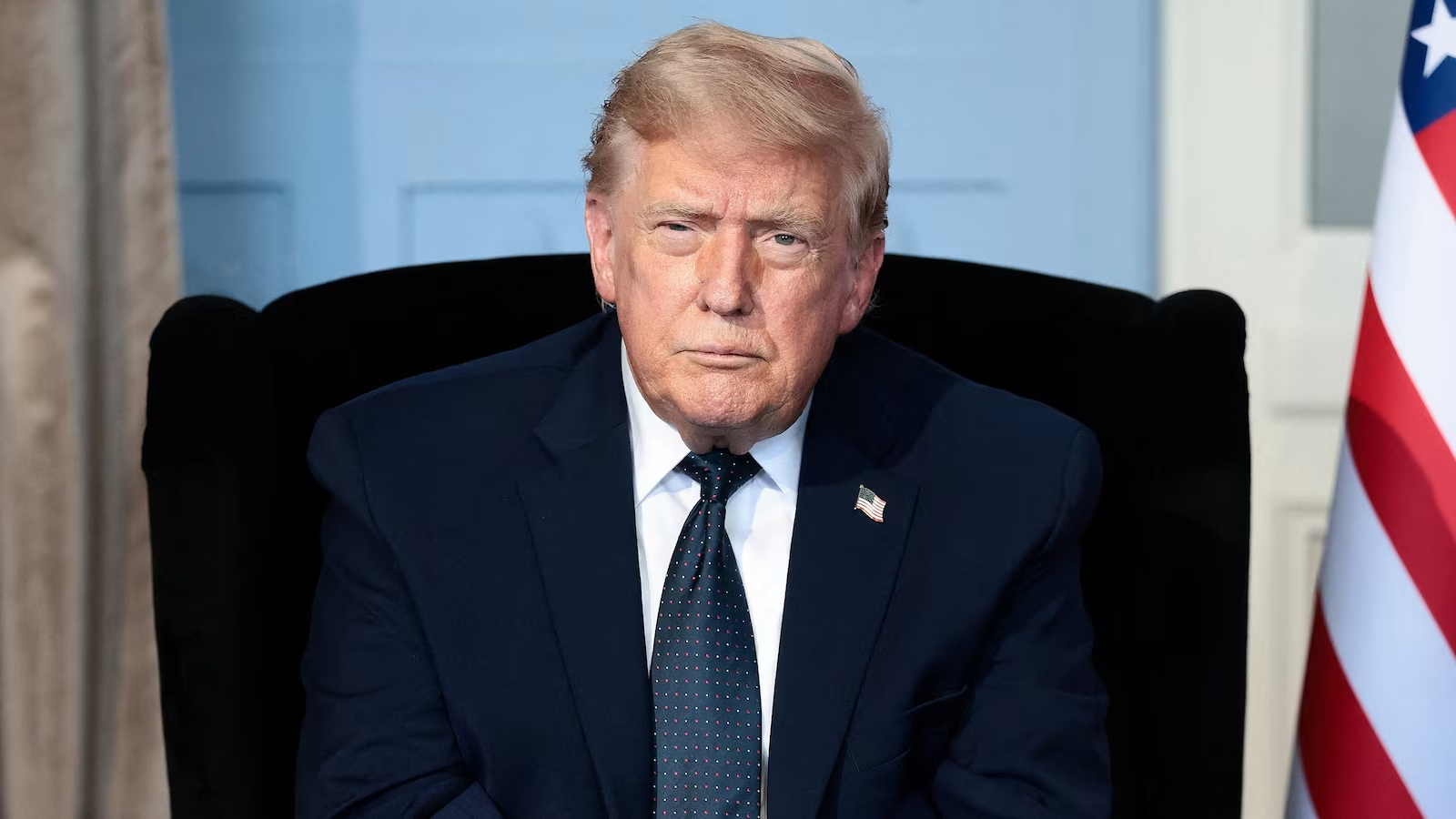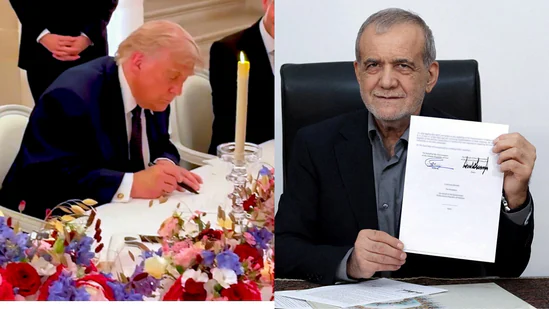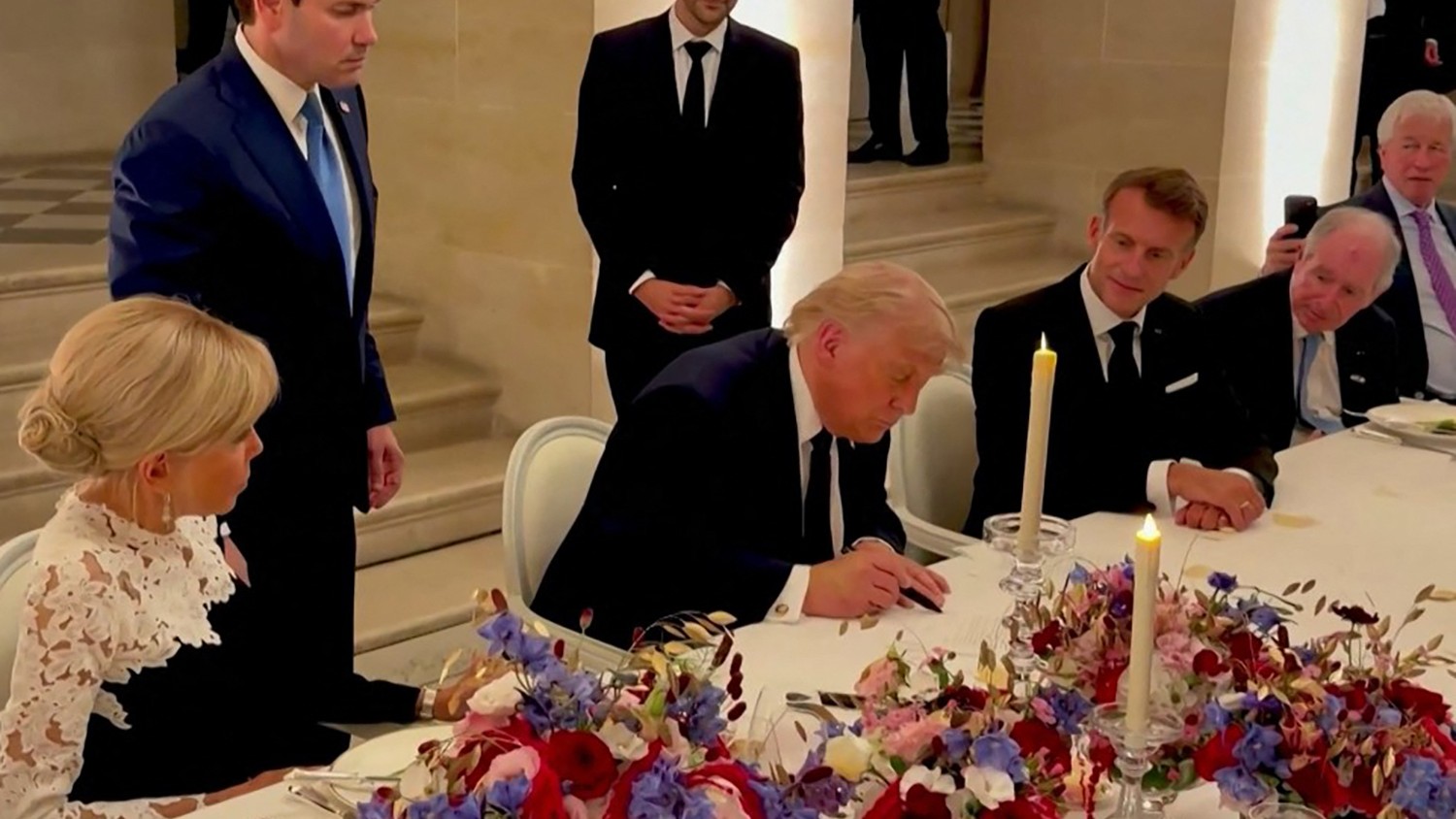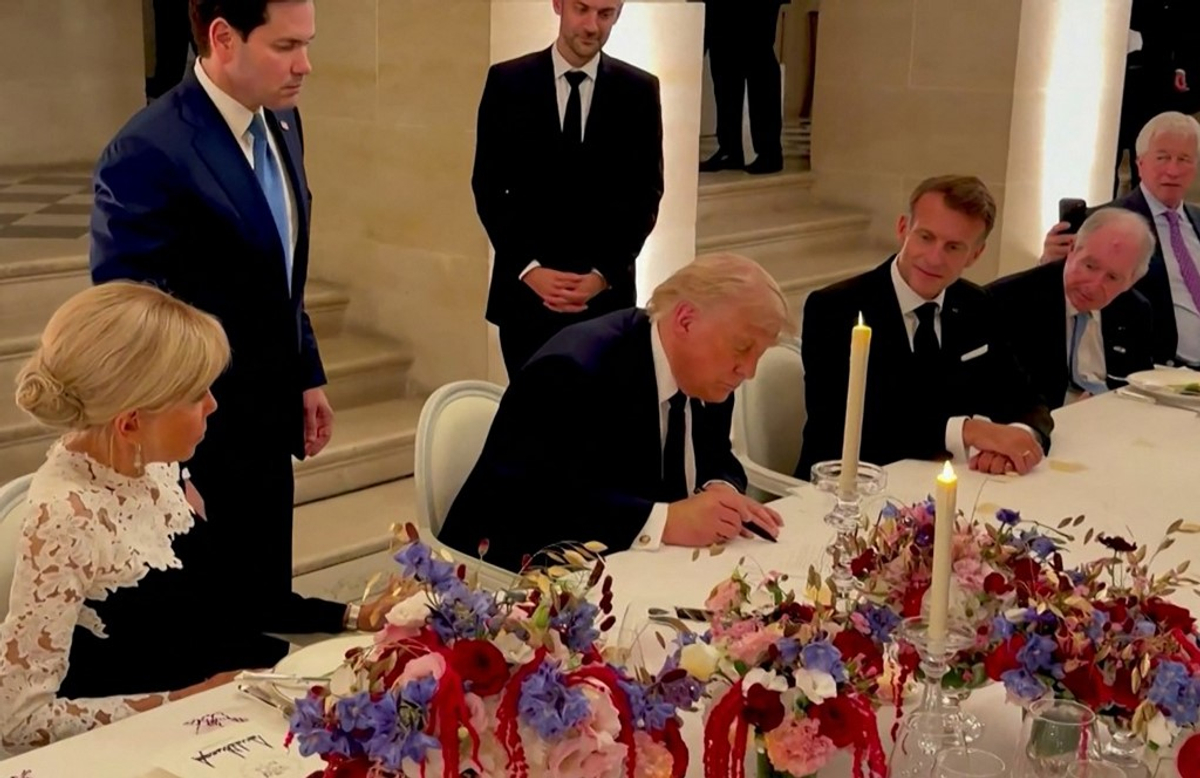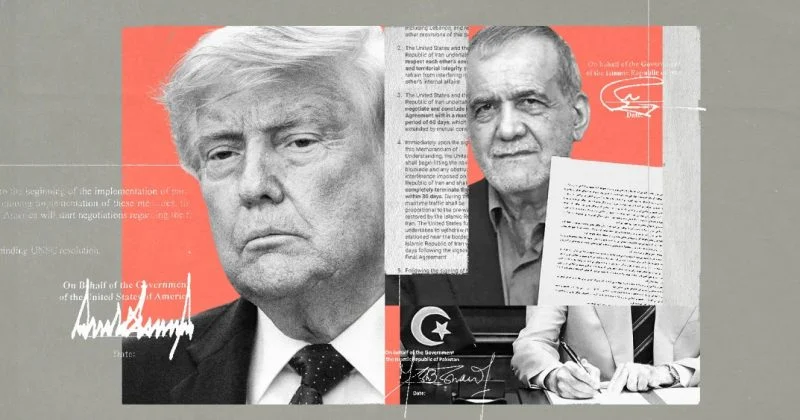
Donald Trump has signed a preliminary memorandum of understanding with Iran, a diplomatic move that, if it holds, could reshape the geopolitical landscape of the Middle East. The agreement was completed electronically between June 15 and 17, and it commits Iran not to develop or procure nuclear weapons while reopening the Strait of Hormuz to shipping and lifting the US naval blockade on Iranian ports.
During a press event around June 17, Trump joked that he’d take credit if the deal succeeded, but would blame Vice President JD Vance if it fell apart. Vance, for his part, was among the signatories. So was Iranian parliamentary speaker Mohammad Bagher Ghalibaf.
What the deal actually says
The MoU establishes a 60-day period for further talks on the thorniest issues: sanctions relief and the status of Iranian assets. Up to $25 billion in frozen assets are reportedly on the table.
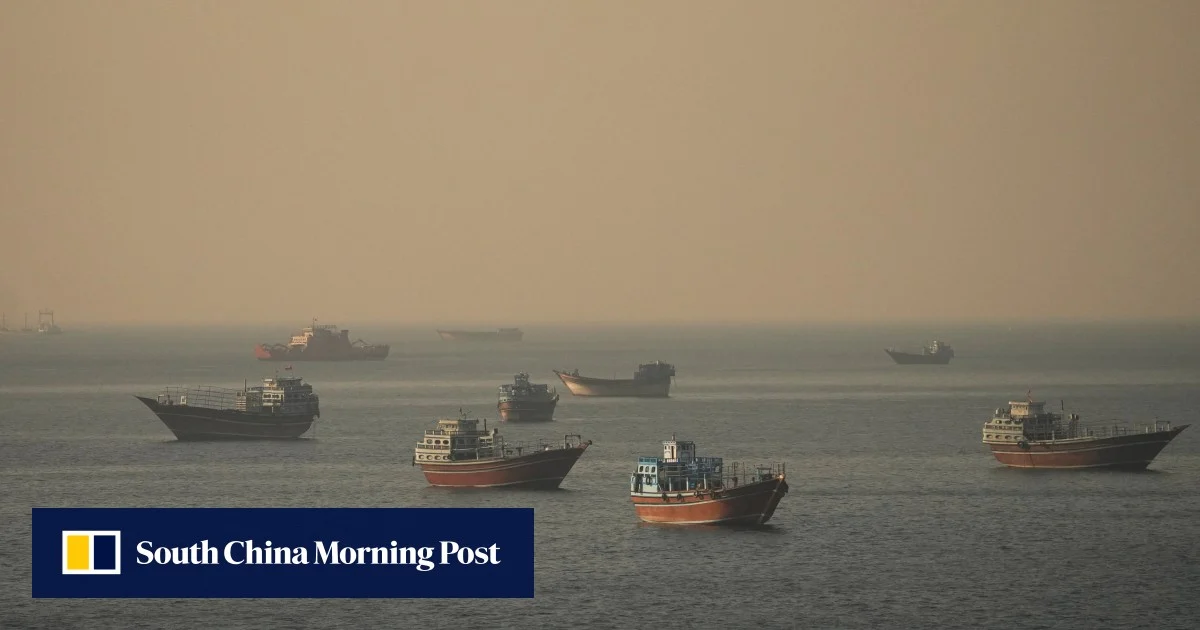
Iran’s core commitment is straightforward on paper: no nuclear weapons development, no procurement of nuclear weapons. In exchange, the US lifts its naval blockade and the Strait of Hormuz reopens to commercial shipping. Roughly 20% of the world’s petroleum passes through that waterway on any given day.