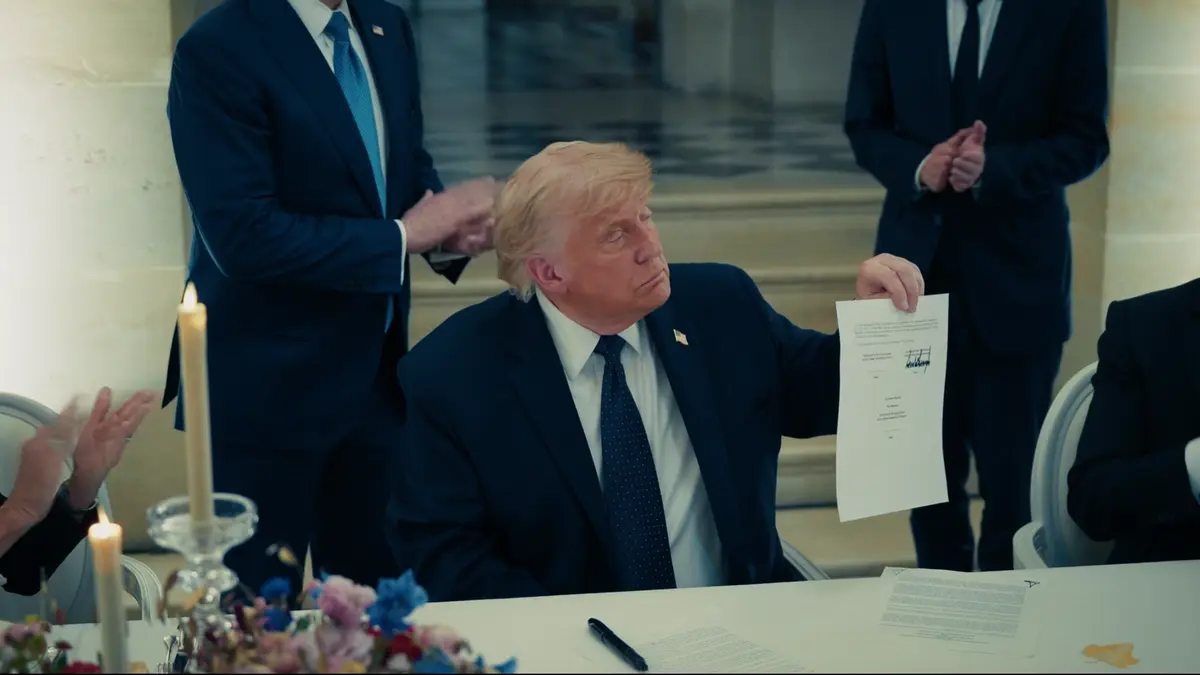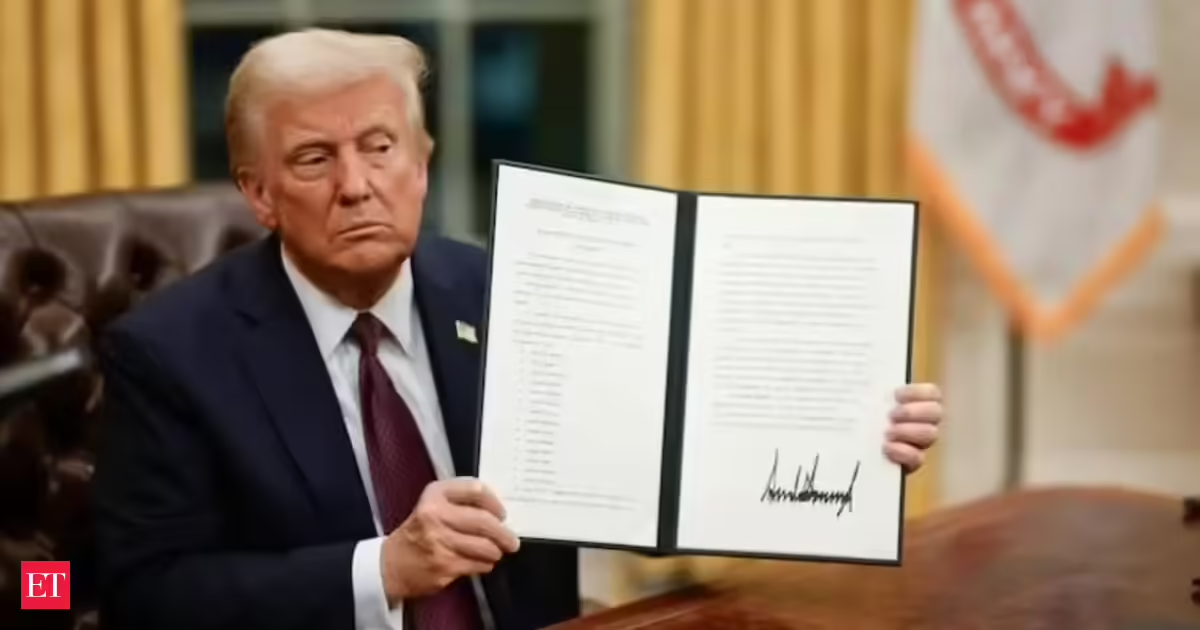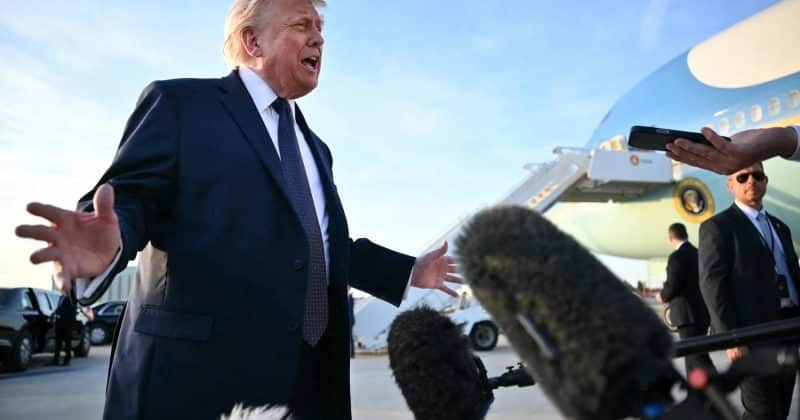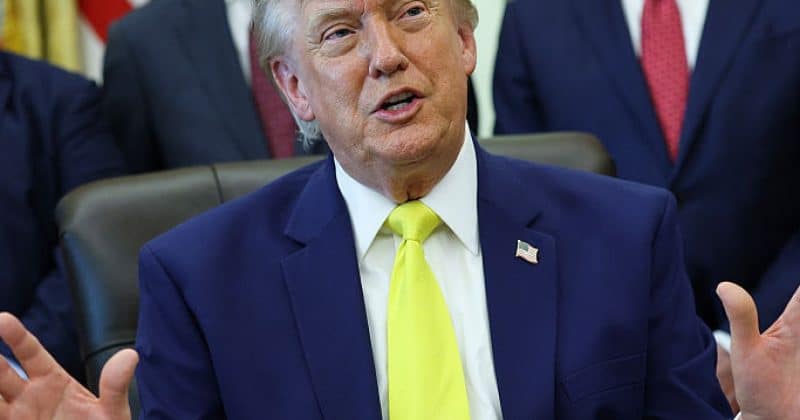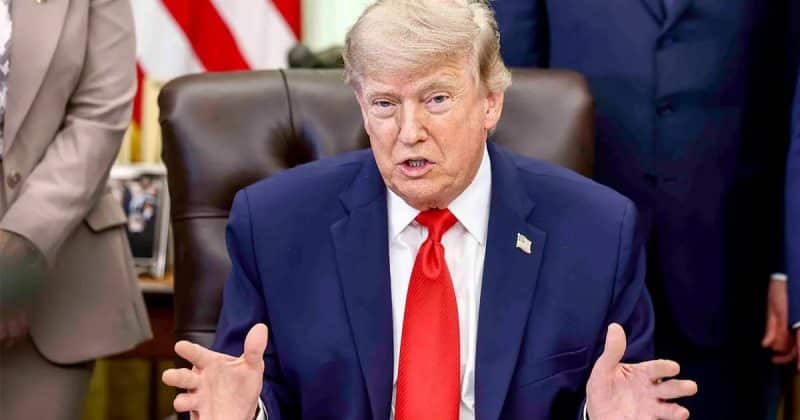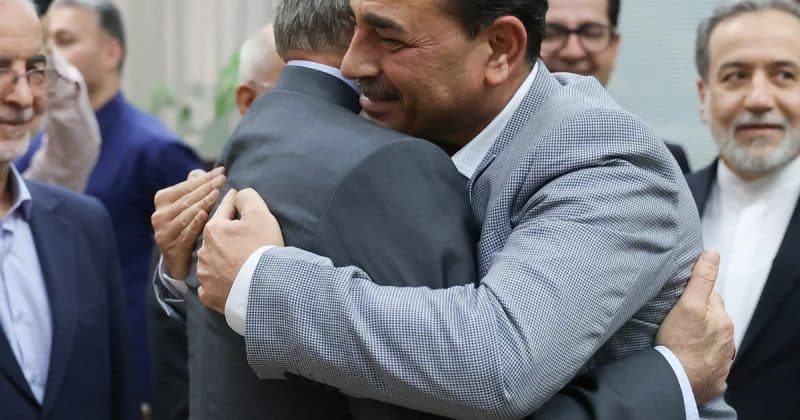
Donald Trump signed a preliminary agreement with Iranian President Masoud Pezeshkian on June 18, ending an active confrontation between the two countries. The 14-point memorandum of understanding commits the US to lifting its naval blockade on Iranian ports and reopening the Strait of Hormuz for Iranian oil exports, setting the stage for a 60-day negotiation window on nuclear issues and a comprehensive deal.
The reaction from Trump’s own party has been swift and unflattering. Several GOP senators have labeled the agreement a form of appeasement, arguing it surrenders military gains achieved during recent operations against Iran.
What the deal actually includes
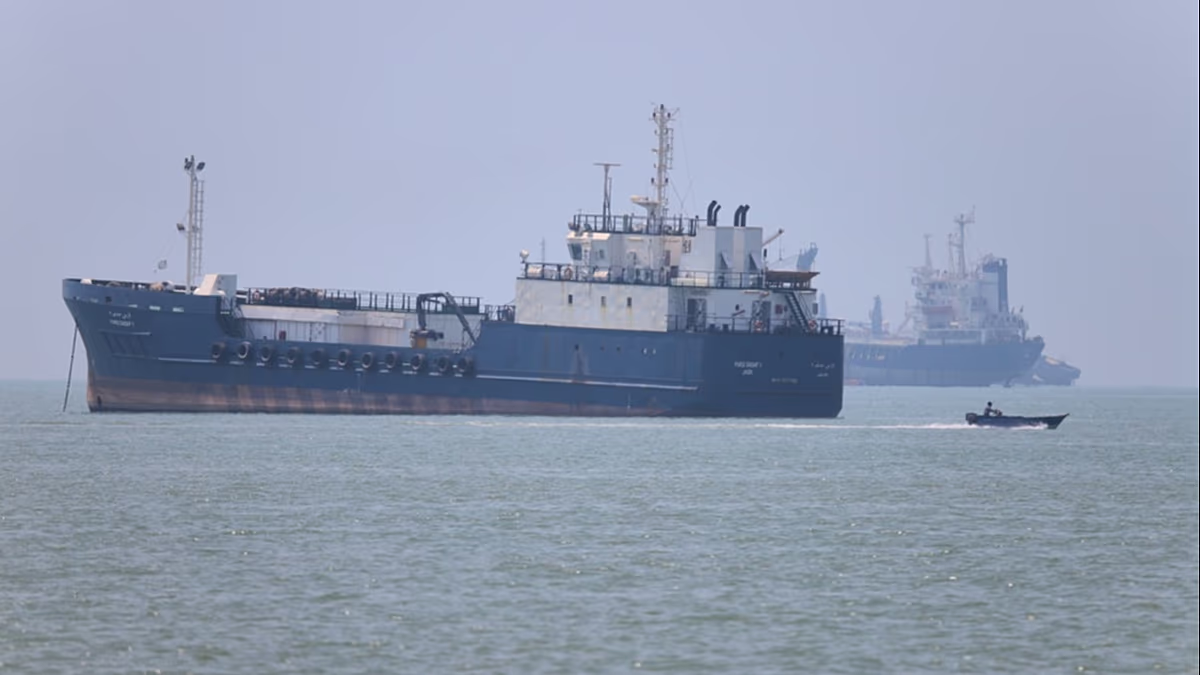
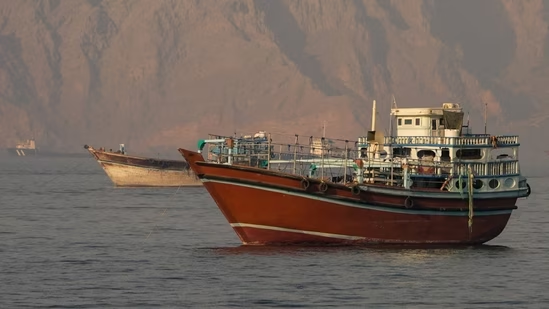
The MOU is structured around 14 points, with the headline provisions being the end of the US naval blockade and the reopening of the Strait of Hormuz to Iranian oil shipments. Roughly a fifth of the world’s petroleum passes through the Strait of Hormuz on any given day, making it arguably the most strategically significant chokepoint in global energy markets.
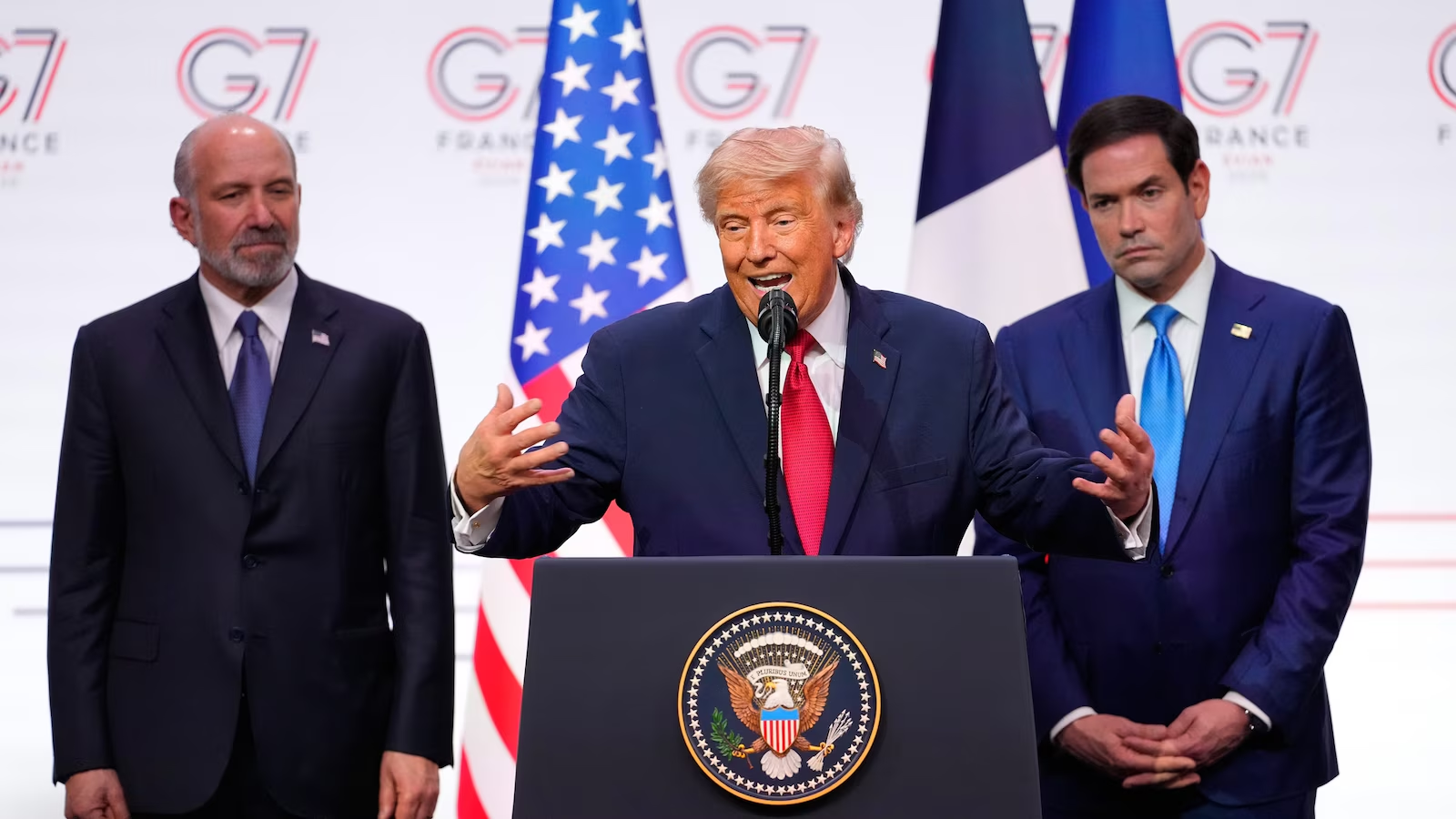
Pakistan played a partial mediating role in the negotiations, which were finalized during G7-related activities and incorporated both in-person and virtual elements for the signing. The agreement kicks off a 60-day negotiation period focused on Iran’s nuclear program and broader reconstruction issues.