Europe’s universities are among the world’s strongest, but they still do not function as an integrated continental system. Despite decades of cooperation through initiatives such as Erasmus and the Bologna Process, students moving between European universities continue to face fragmented curricula, inconsistent recognition of courses and administrative barriers.
A student can spend a semester abroad through Erasmus, for instance, but too often return to find that the credits they earned do not fully count toward their degree. This does not diminish the importance of Erasmus, one of the most successful European Union programmes and a cornerstone of European integration. But it does highlight that much more progress is needed.
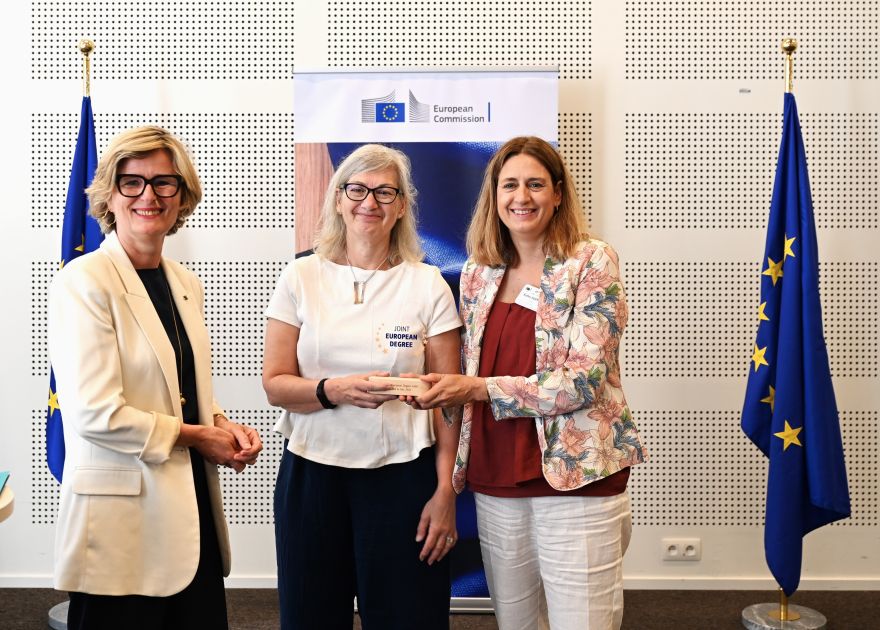
The European Commission has taken important steps towards establishing a legal basis for a European degree – a diploma that would be uniformly recognised throughout the European Union. But there is still a long way to go before the so-called European Higher Education Area could be realised. We need an accelerator – and, with more impetus, the European Universities initiative could fit the bill.
Launched following Emmanuel Macron’s Sorbonne speech in 2017 and supported by the commission, the initiative is an ambitious attempt to address higher education fragmentation by building cross-border bridges between specific institutions. In practice, the now 73 alliances are pursuing greater cohesion in different ways, and the overall system is still being explored and constructed through a combination of bottom-up and top-down initiatives.