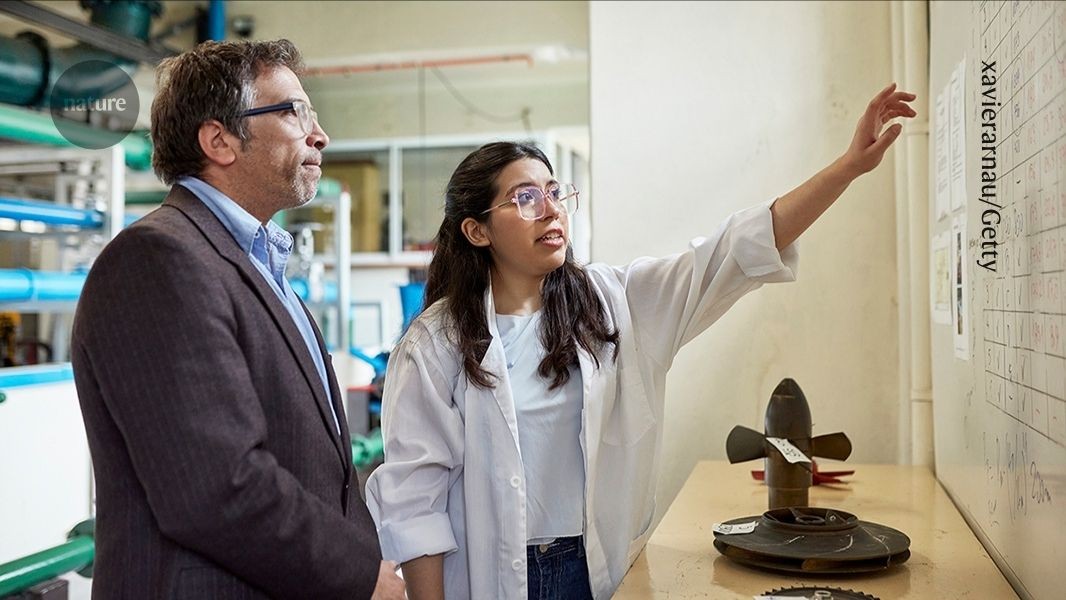
Doctoral candidates in collaborative PhD programmes often find themselves balancing competing expectations from universities and employers, according to a report that calls for stronger support for students and clearer partnership arrangements.
The report by the European University Association’s Council for Doctoral Education (EUA-CDE) examines how doctoral candidates engage with partners outside academia such as businesses, NGOs and public institutions.
It highlights a range of challenges that students face in collaborative programmes, including conflicting timelines, funding mechanisms and workplace demands.
“Doctoral projects usually take several years and require stable commitments. Societal partners, however, may face shifting priorities and new developments that make long-term engagement difficult, not only in the private sector, but also for public or non-profit actors,” the report says.
It finds that institutional procedures on both sides are often “too inflexible” to accommodate the needs of partnerships between doctoral candidates and their employers.