Academia
Can the EU continue to lead the world through regulation if the economic foundations that sustain such leadership are steadily eroding?
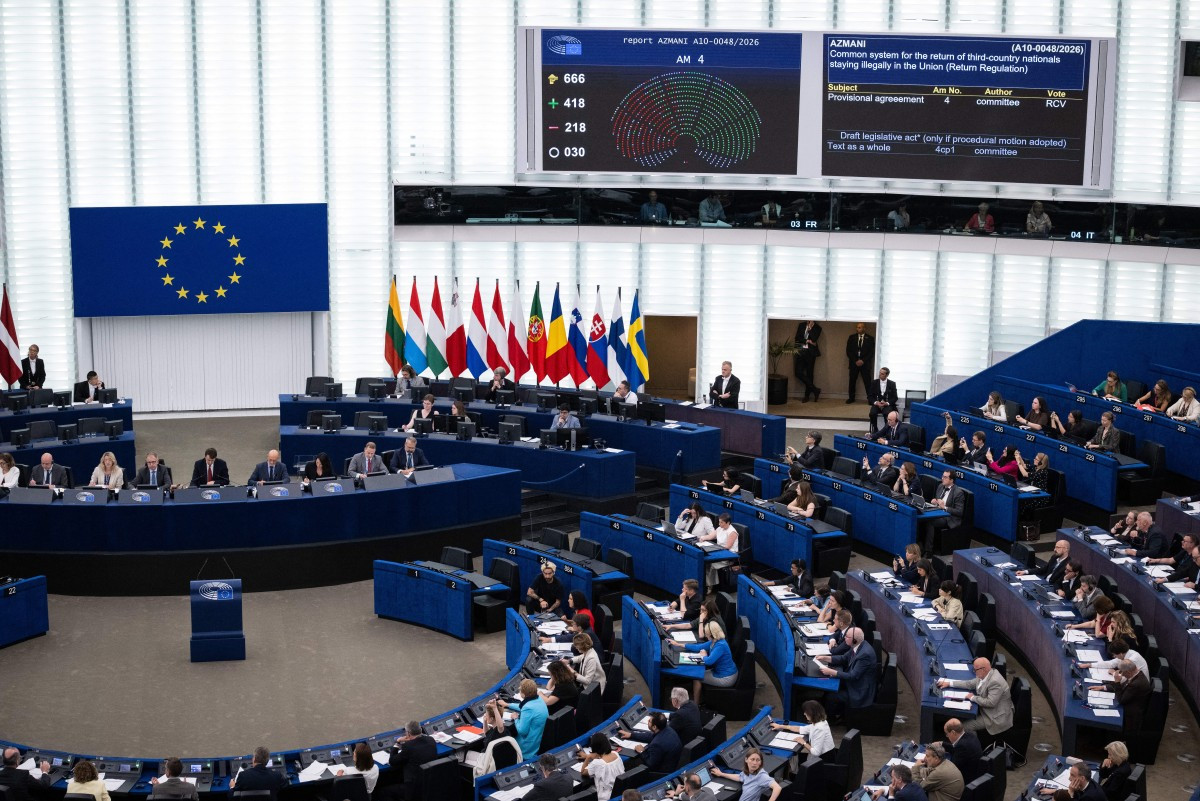
Members of the European Parliament vote on the proposal for a “Common system for the return of third-country nationals staying illegally in the Union” at the European Parliament in Strasbourg, eastern France, on June 17, 2026. (AFP/Sebastien Bozon)
For more than two decades, the European Union has been known not for its military strength or dominance in digital technology, but for its remarkable ability to shape global rules. From data privacy and environmental standards to the governance of artificial intelligence, regulations originating in Brussels have gradually become global benchmarks. This phenomenon, famously described by Anu Bradford as the Brussels Effect, demonstrates that in the 21st century, global influence can be built not through aircraft carriers or military bases, but through the power of markets and regulation.Today, however, this model faces its greatest test. Europe’s industrial competitiveness weakens, productivity continues to lag behind that of the United States, energy costs remain high and the world enters an era of intensifying geopolitical rivalry. Can the EU continue to lead the world through regulation if the economic foundations that sustain such leadership are steadily eroding?