(The opinions expressed in this article are those of the author and do not necessarily reflect those of Al-Fanar Media).
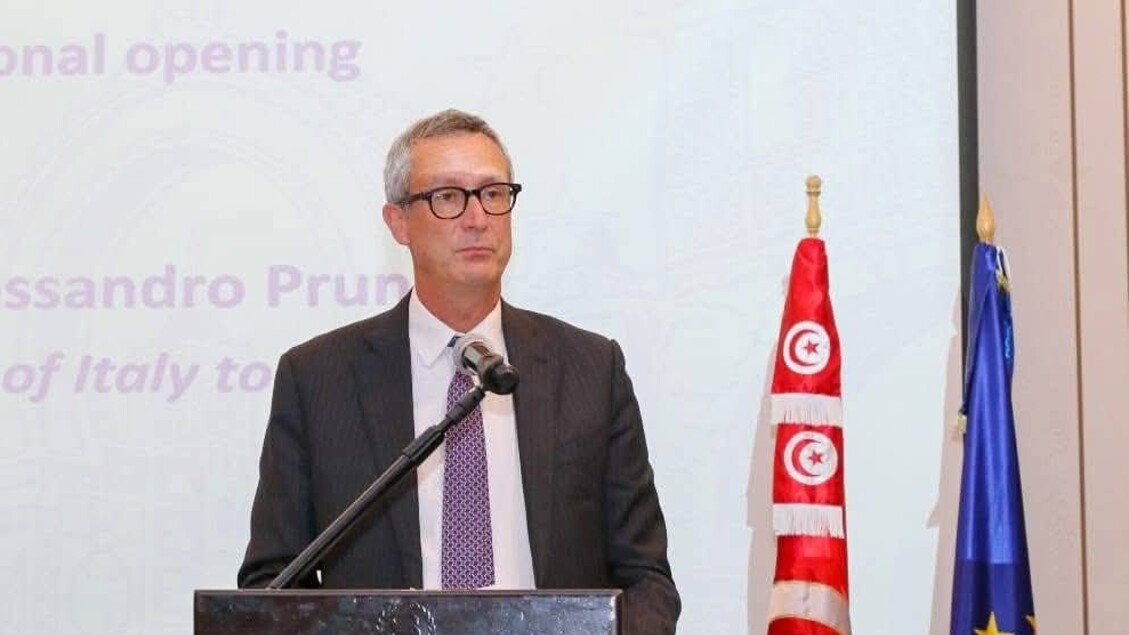
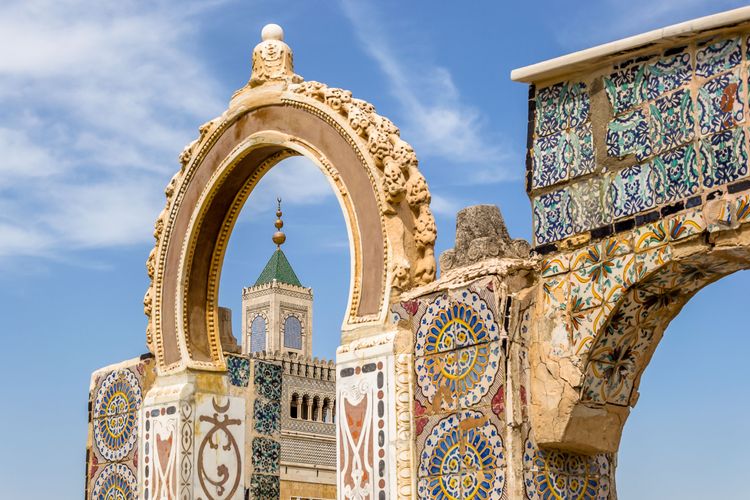
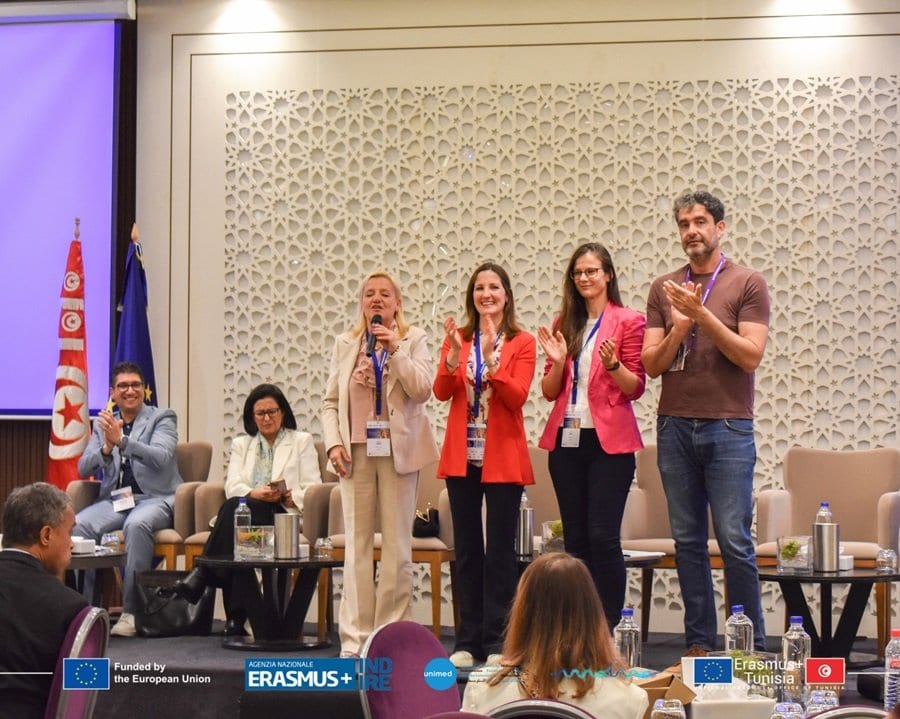
European and African academics have been discussing how they can improve collaboration in higher education. Tunis, a city steeped in history as a crossroads of civilisations, recently played host to this pivotal international gathering called “Erasmus+ Aiming Higher: Mediterranean Bridges Across Africa and Europe for Shared Academic Pathways.”
As the moderator of this significant event, I witnessed a collective attempt to Redefine what internationalisation in higher education should mean in the 21st century. As we emphasised throughout the conference, the Mediterranean has never been a barrier, it has always connected. Yet today, the real challenge is not building bridges but making sure they work and are accessible.
Bringing Together International Academic Representatives
The conference brought together more than 170 representatives from universities and institutions across Europe, North Africa, and Sub-Saharan Africa, reflecting the growing importance of Euro-African academic cooperation. But beyond partnerships and frameworks, one central idea dominated the discussions – Erasmus+ must adapt.