https://arab.news/nej5h
In 2009, Ahmet Davutoglu, top adviser to Recep Tayyip Erdogan, Turkiye’s prime minister at the time and now president, said that “the road to Paris passes through Africa,” emphasizing that Ankara’s decision to deepen ties with Africa would strengthen, rather than undermine, its European ambitions.
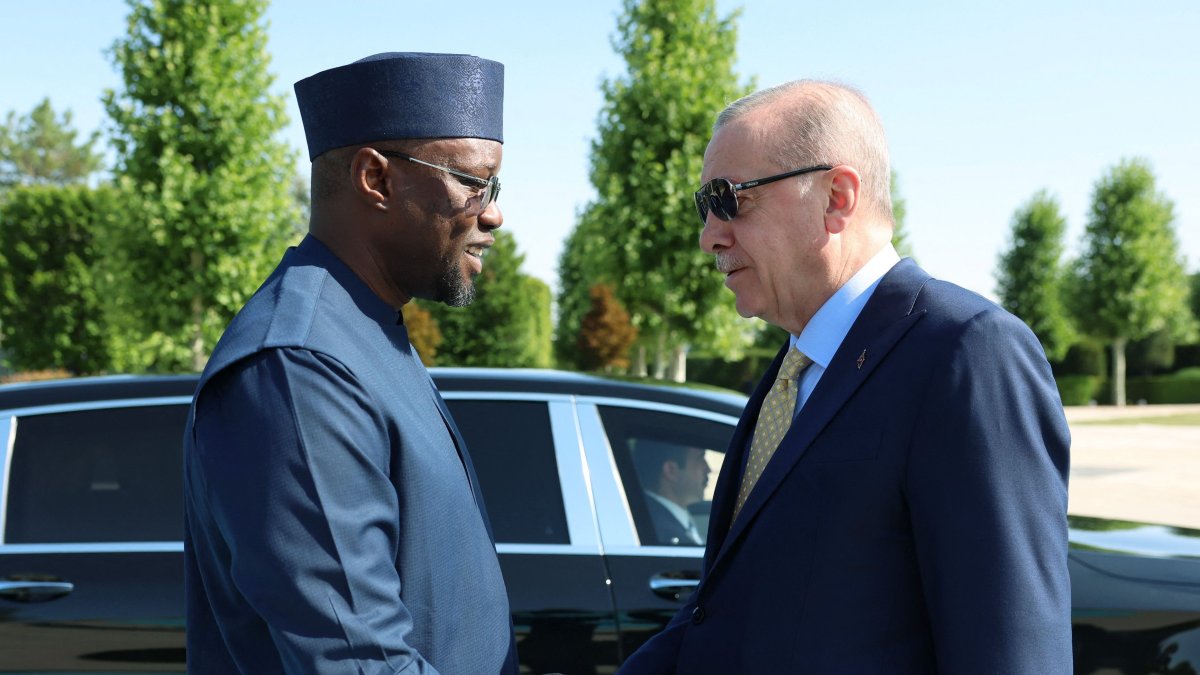
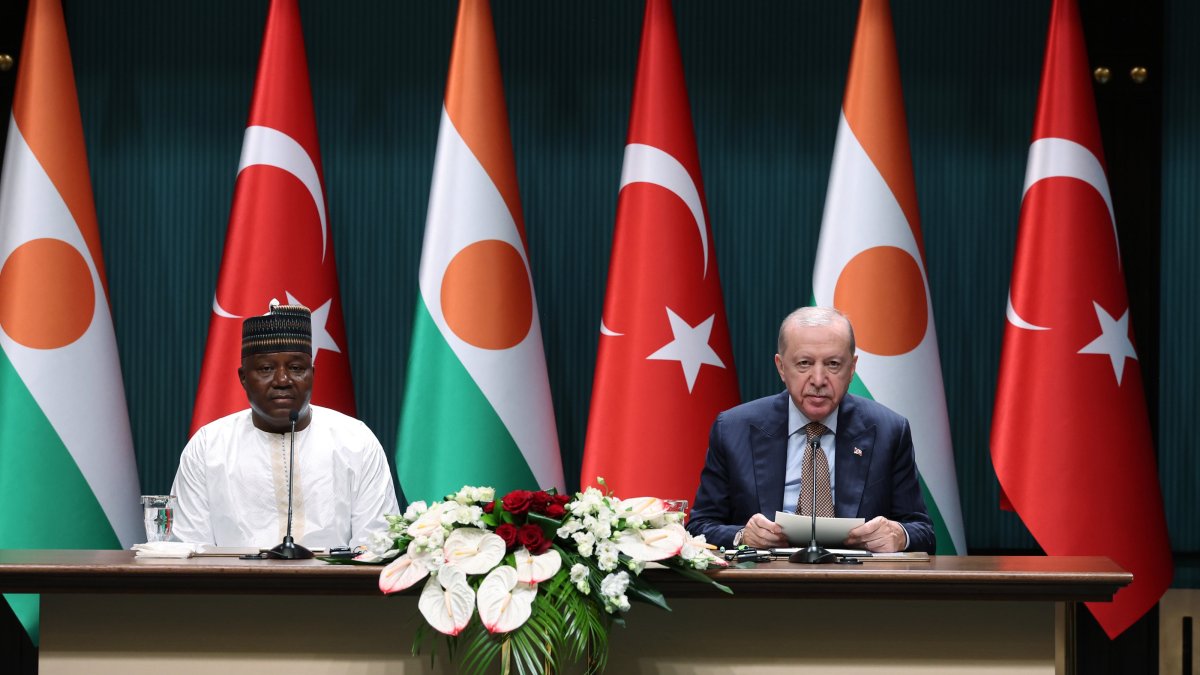
Since then, Turkiye has significantly expanded its presence in Africa with a combination of soft and hard power, incorporating defense, economic, cultural, and political engagement. There were concerns that Turkiye might leverage its growing influence to counter the policies of EU member states. However, given Turkiye’s improved relations with Brussels in recent years, especially since the Ukraine war, its policies in Africa may be viewed differently, perhaps in a more collaborative way.
However, to achieve this, it is important to understand the characteristics of Turkiye’s involvement in Africa, and explore how the EU could potentially leverage these to its advantage. Turkiye’s outreach to Africa is three dimensional. First, it is politically driven, supporting its status as a middle power on the global stage. As Davutoglu said in 2009: “Africa is on the verge of a new era, and Turkiye must embrace the new realities on the ground. A country that undermines Africa cannot have an international standing.” Second, Turkiye’s involvement is economically motivated. There is increasing demand from African states to partner with Turkiye, a shift that the EU should be keen to recognize and leverage. Third, Turkiye’s growing influence in Africa is supported through soft-power elements, such as mediation, that some EU member states lack — and, again, could leverage. Finally, it is security oriented, with Turkiye’s expanding defense ties with the African states.