https://arab.news/p23c7
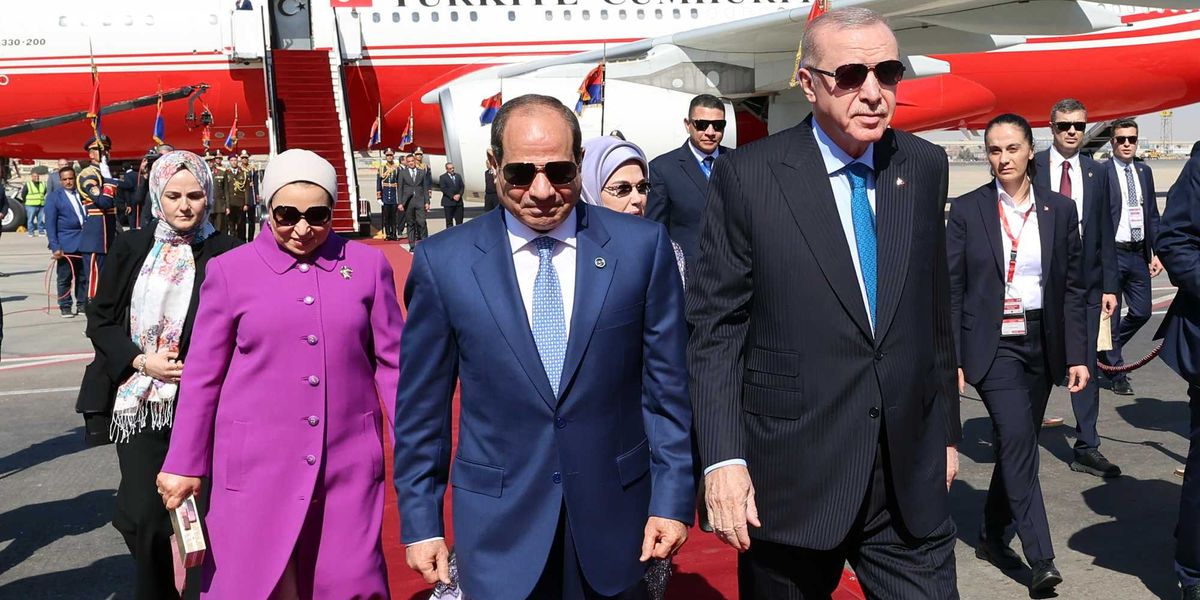
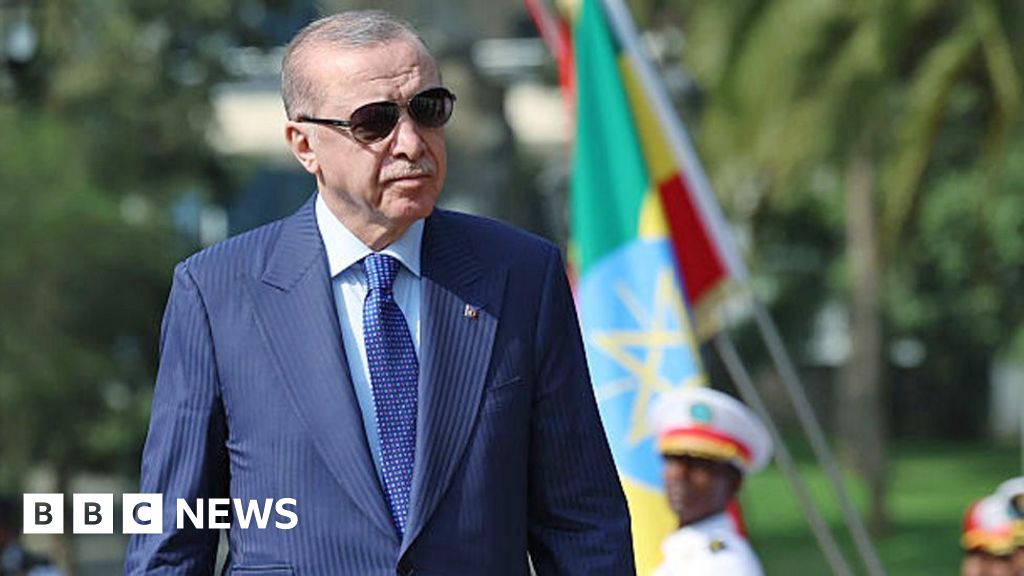
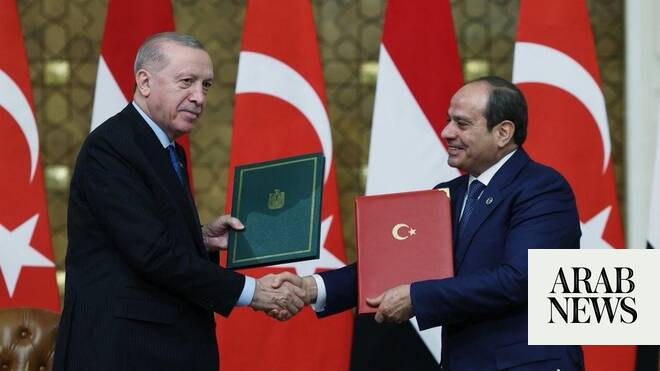
Turkish President Recep Tayyip Erdogan paid an official visit to Ethiopia this week as part of his regional tour, which included Egypt and Saudi Arabia. It was the first time in more than a decade that a Turkish president had visited Addis Ababa. It was, therefore, symbolically significant. Yet the visit conveys more than that. It came at a highly significant time, when the focus has shifted from the Middle East to the Horn of Africa, particularly following Israel’s recognition of Somaliland in December.
From Addis Ababa, Erdogan once again criticized Israel’s recognition of Somaliland, saying the move “would benefit neither Somaliland nor the Horn of Africa.” Despite Somaliland’s declaration of independence in the early 1990s, no state other than Israel recognizes its claim. Erdogan’s remarks came as Ethiopia maintains close relations with Somaliland. Two years ago, Ethiopia reportedly reached an agreement with the breakaway republic of Somaliland to lease a coastline for a port and military base in exchange for diplomatic recognition.
This agreement angered Somalia at the time, and it was Erdogan who mediated an end to the dispute, which had prompted fears of a wider conflict. The Somalia-Ethiopia deal grants Ethiopia “reliable, safe and sustainable” access to the sea under Somali sovereignty. As a result, Addis Ababa stepped back from its memorandum of understanding with Somaliland and agreed instead to pursue commercial port access in coordination with Somalia. Ethiopia was positive of Ankara’s mediation, not only because Turkiye has significant influence in Somalia, but also it has backed Ethiopia’s current president during the civil war.