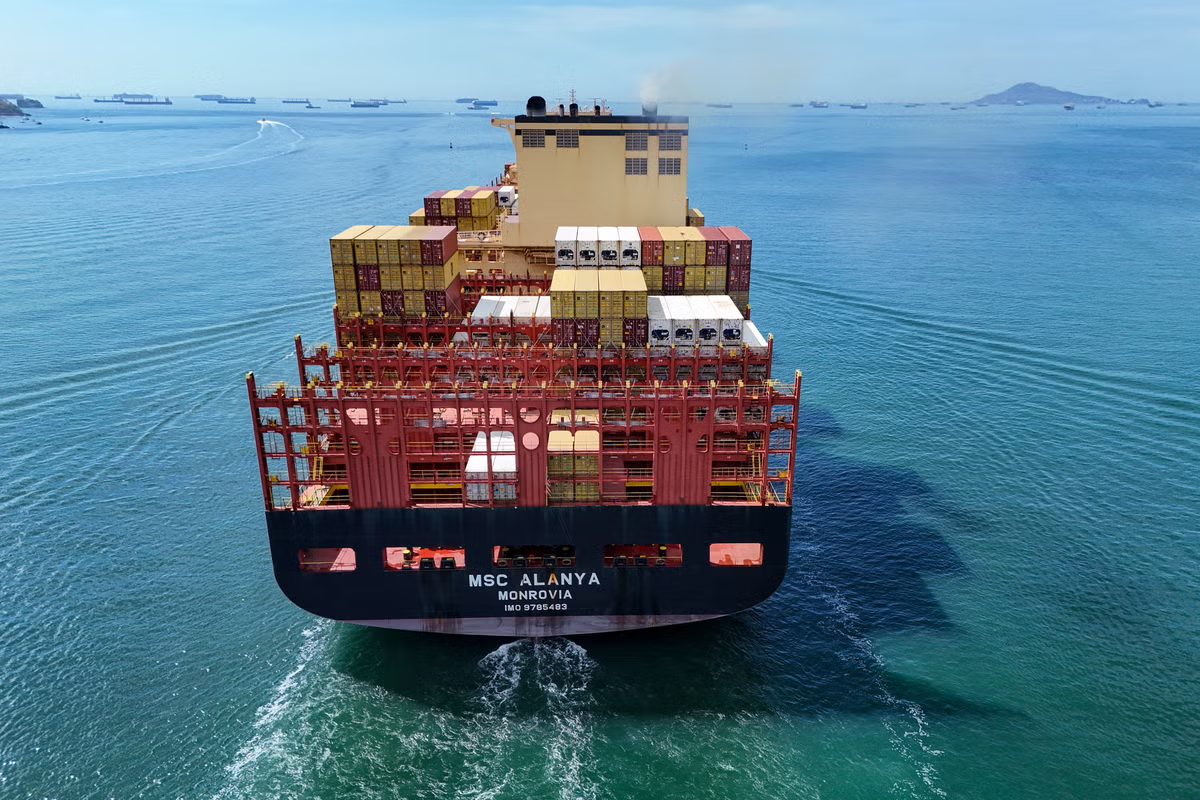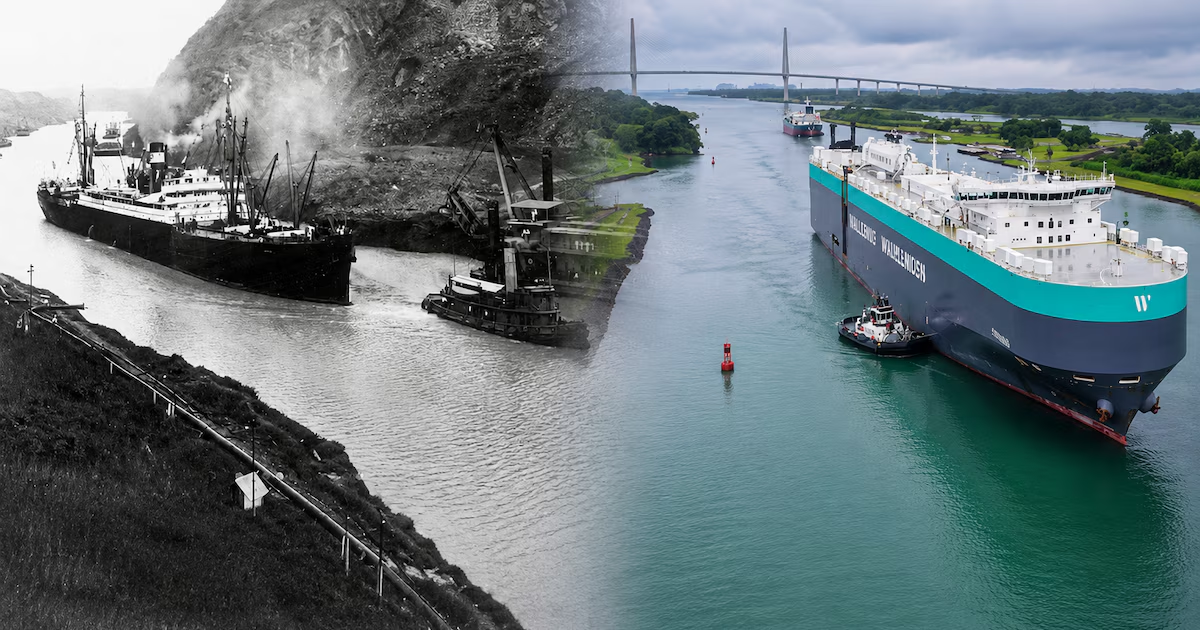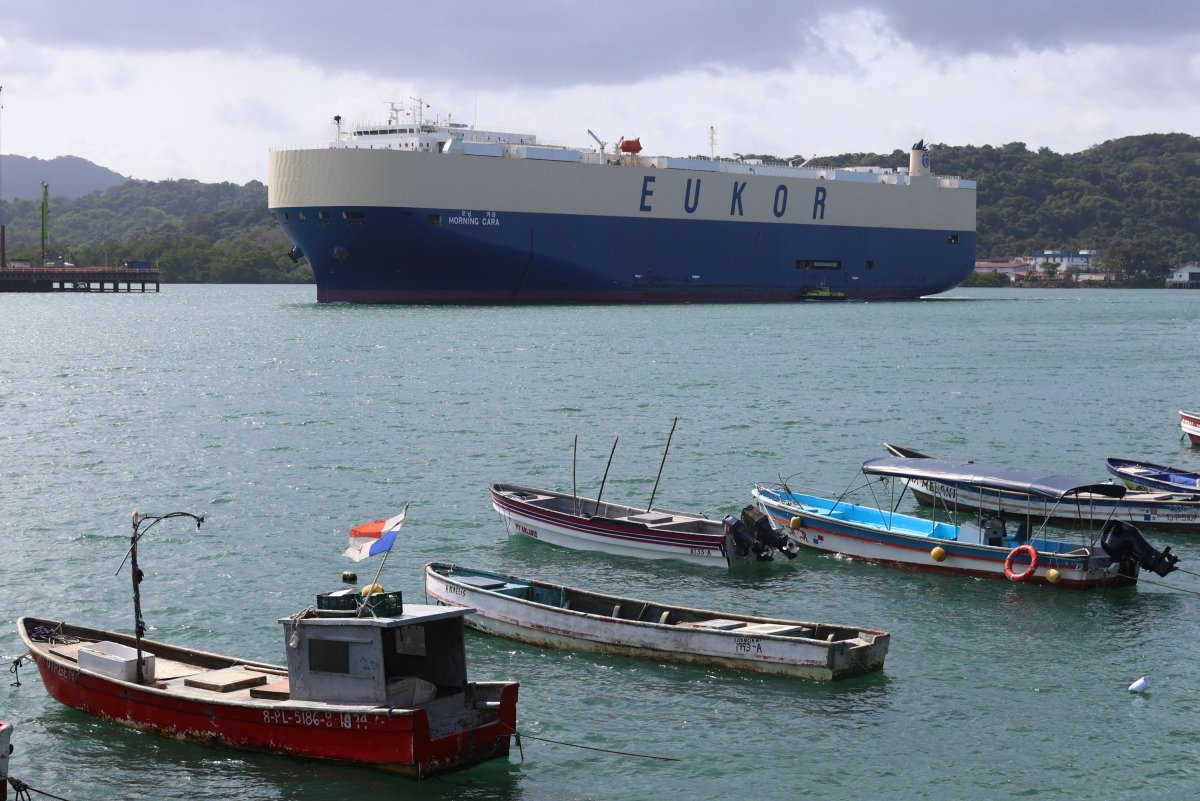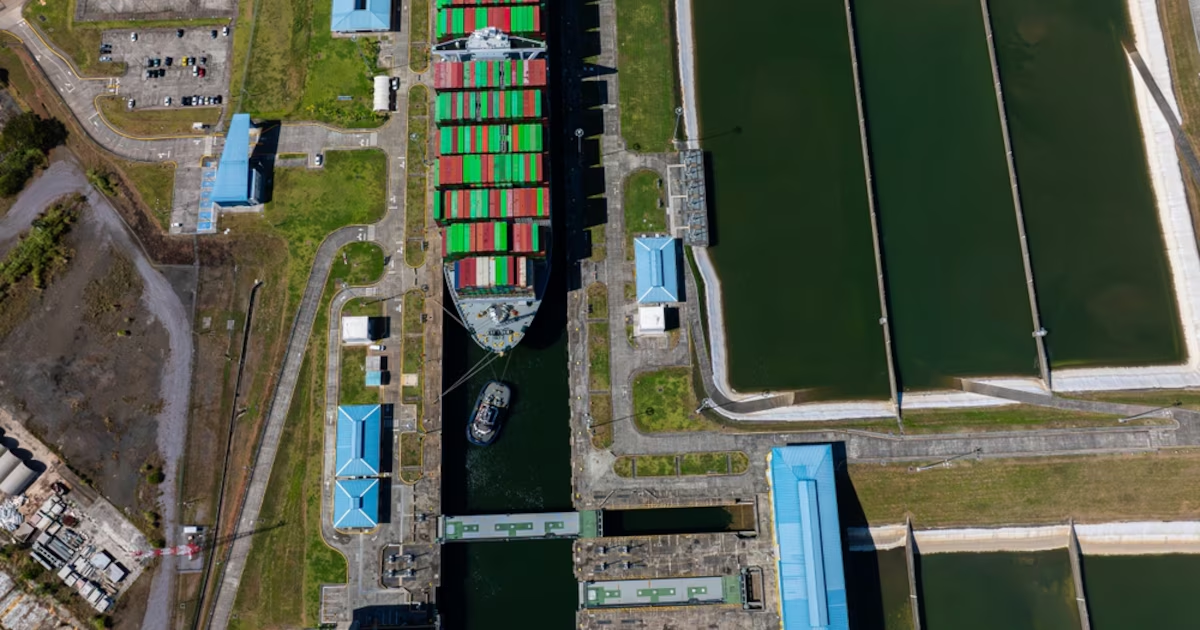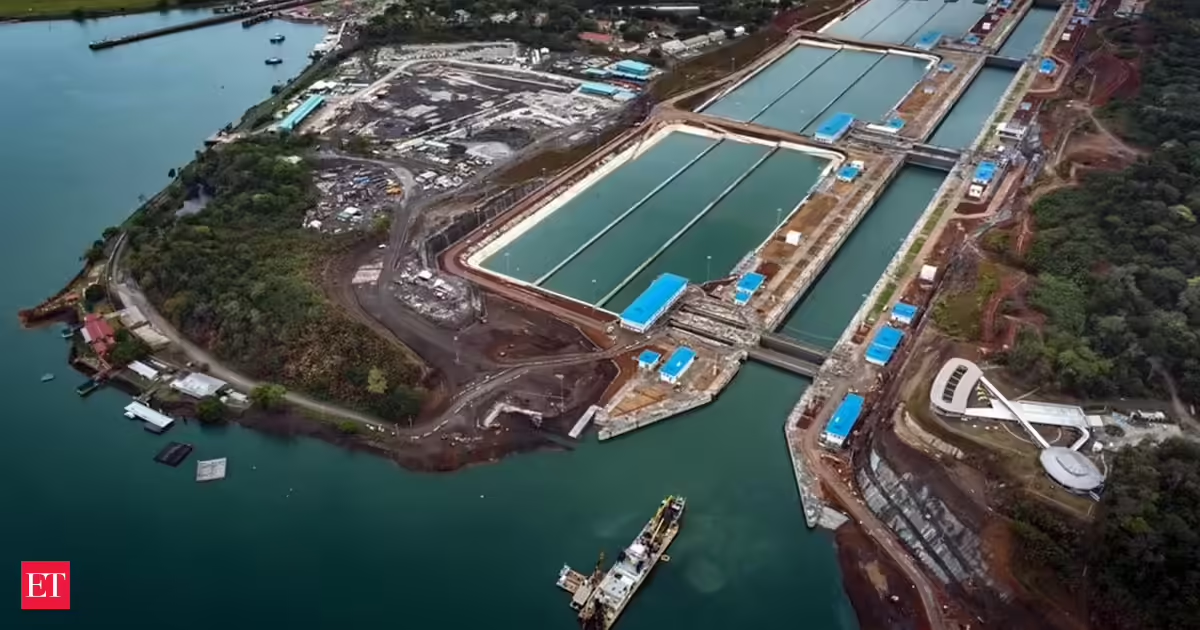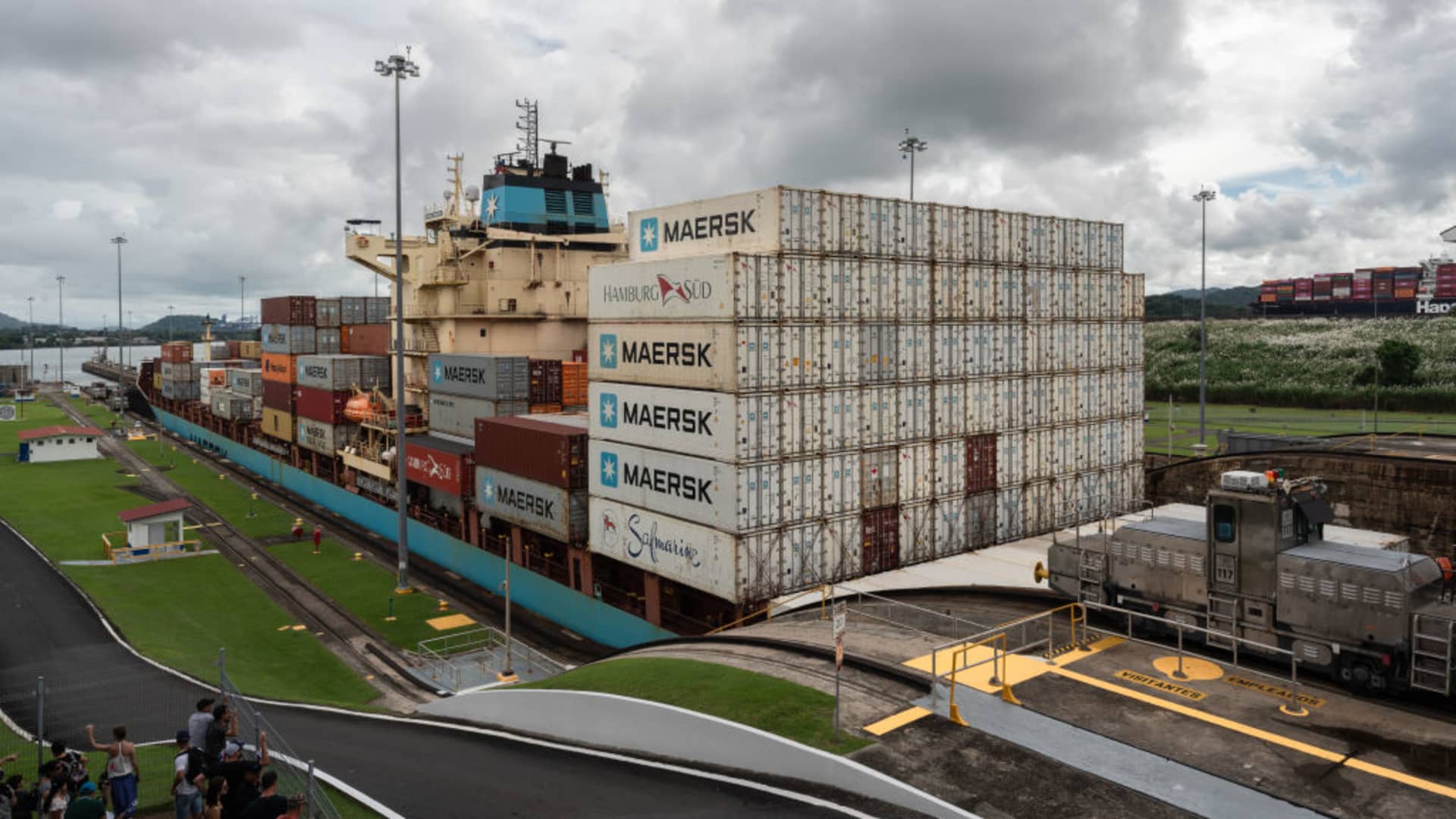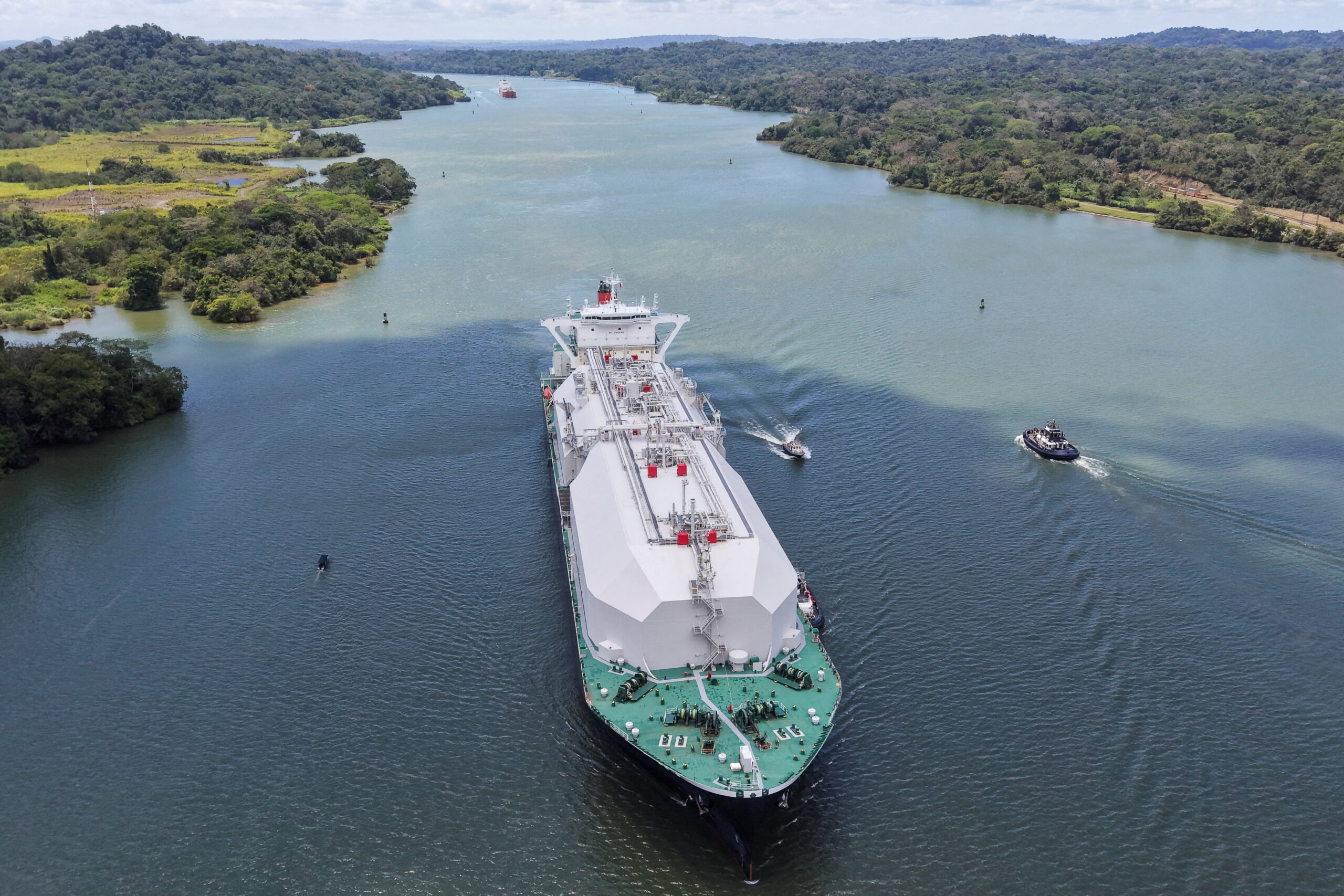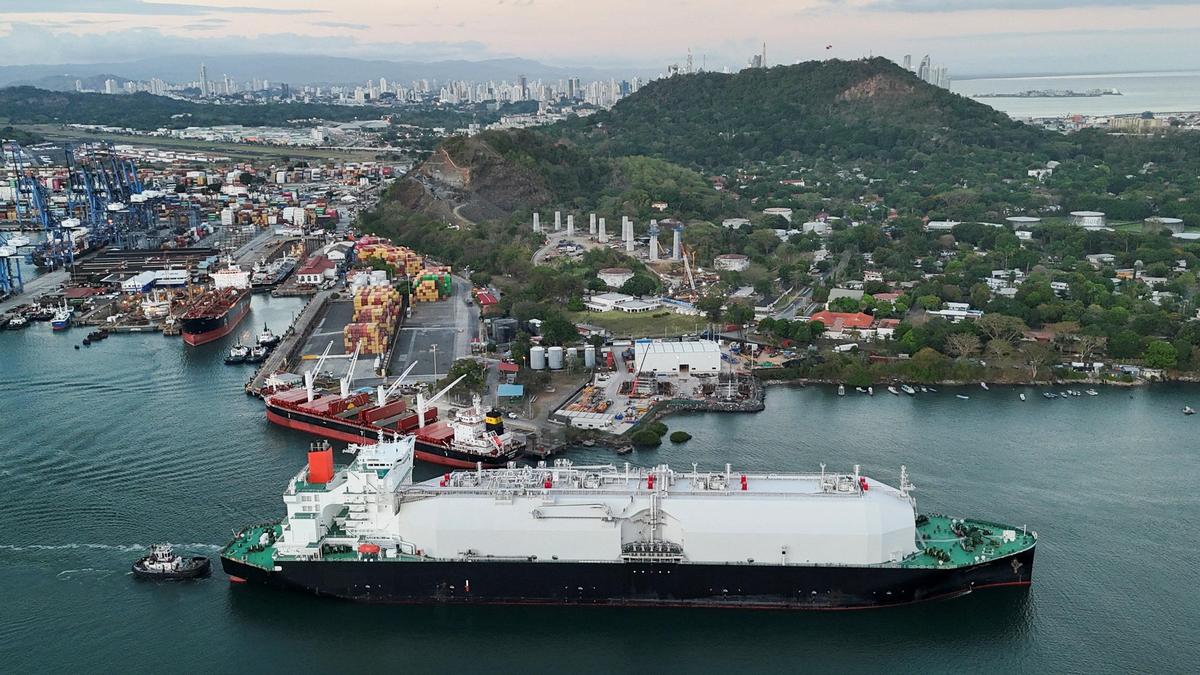
Did you pay attention in your geography classes? Do you know what an isthmus is? A narrow strip of land connecting two larger landmasses, an isthmus is bordered by water on both sides. In terms of geography, it is the opposite of a strait, one of which has been dominating the headlines for much of this year. If we are looking at examples for isthmuses, there’s one that probably comes to mind to everyone, regardless of whether or not you paid attention in those classes. The Isthmus of Panama is a narrow, 77 km land bridge connecting North America and South America, while at the same time separating the Atlantic Ocean and the Pacific Ocean. Formed nearly 3 million years, this stretch of land historically played an important role in an evolutionary context, serving as a land bridge between the two continents. Animals and plants that had evolved in isolation over millions of years were able to migrate back and forth freely, resulting in the Great American Biotic Interchange (GABI). While the Panama Canal has a much shorter history when compared to GABI, it too has since gone on to exert its influence world over. A monumental feat of engineering bisecting the isthmus, the Panama Canal has revolutionised global shipping since it came to be in 1914.
Panama Canal: Connecting oceans, across an isthmus
The Panama Canal might have been officially opened for business on August 15, 1914, but there were many firsts leading up to it, including one on June 8, when the S.S. Alliance became the first ocean going vessel to make lockage at the canal. A.S.Ganesh takes a look at various aspects of this canal and what makes it still tick, more than 110 years later…
1,382 words~6 min read