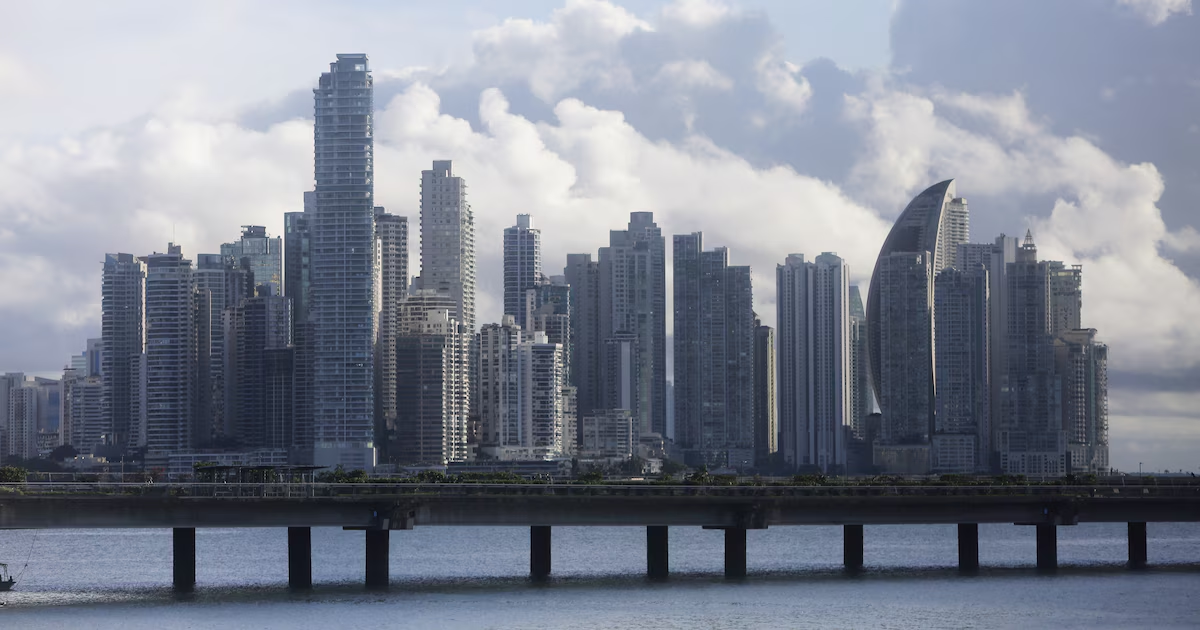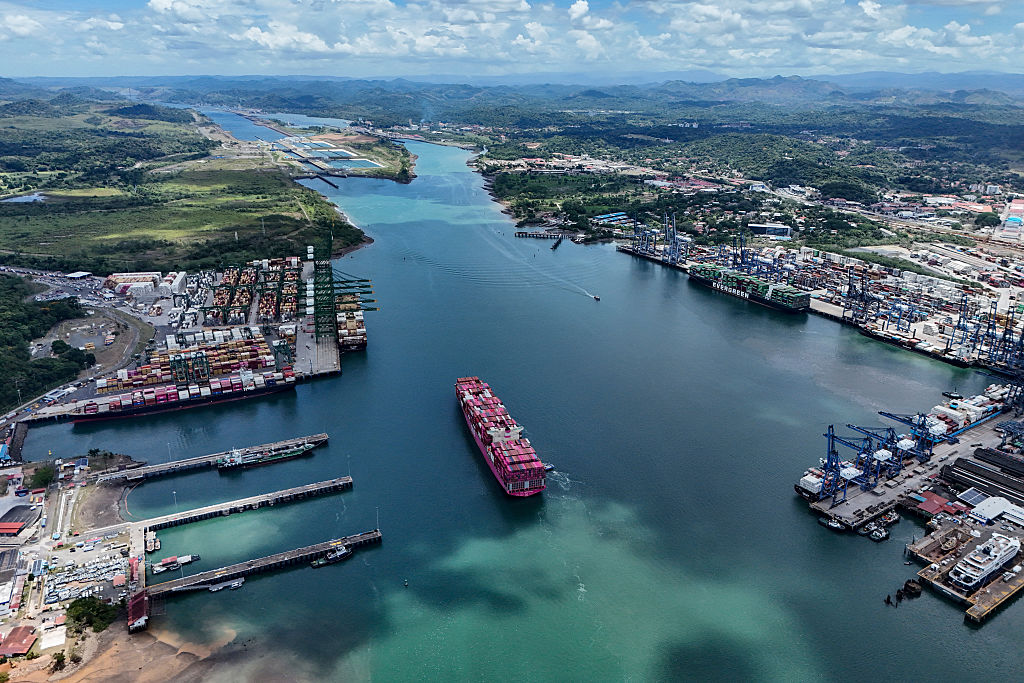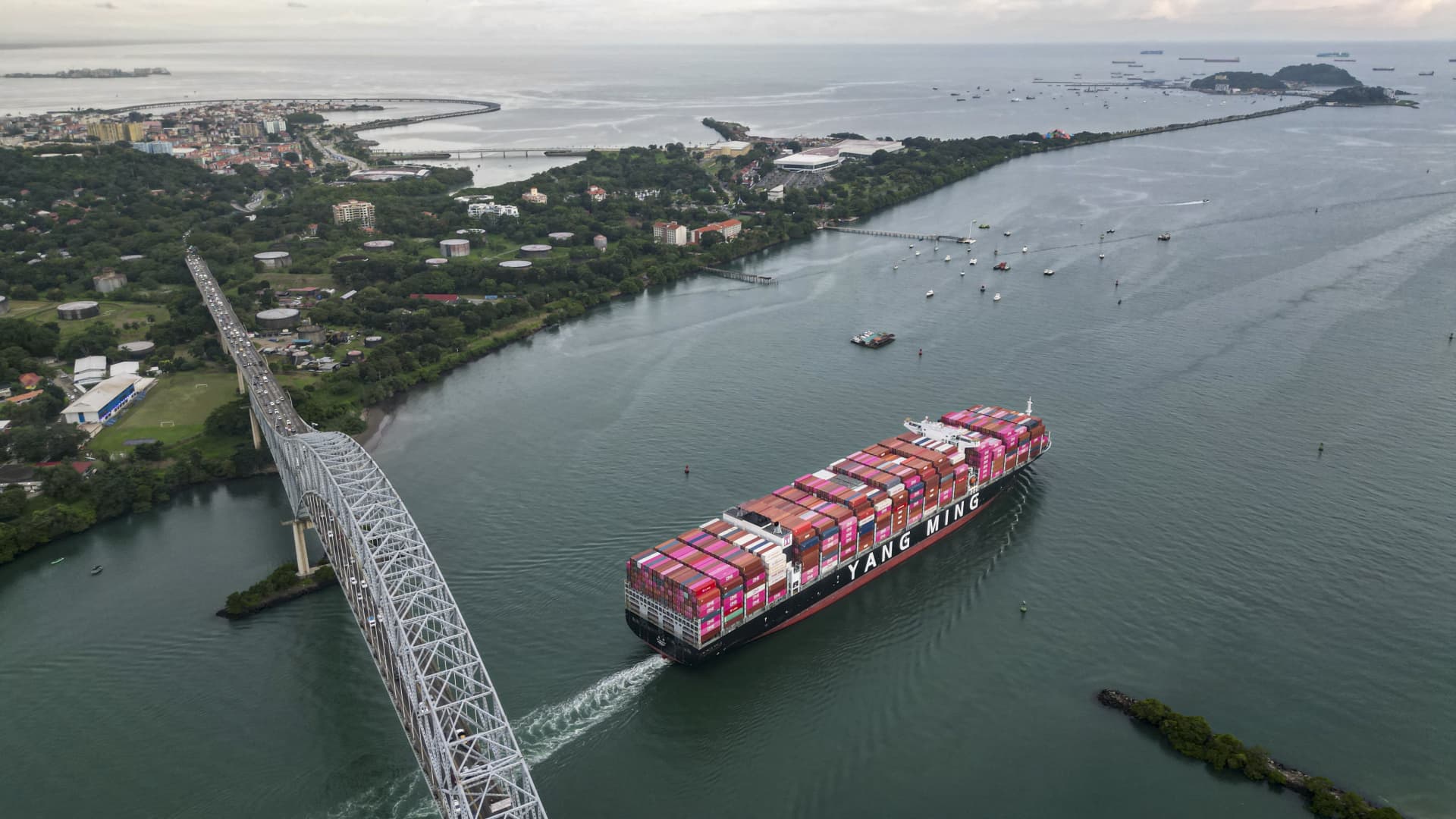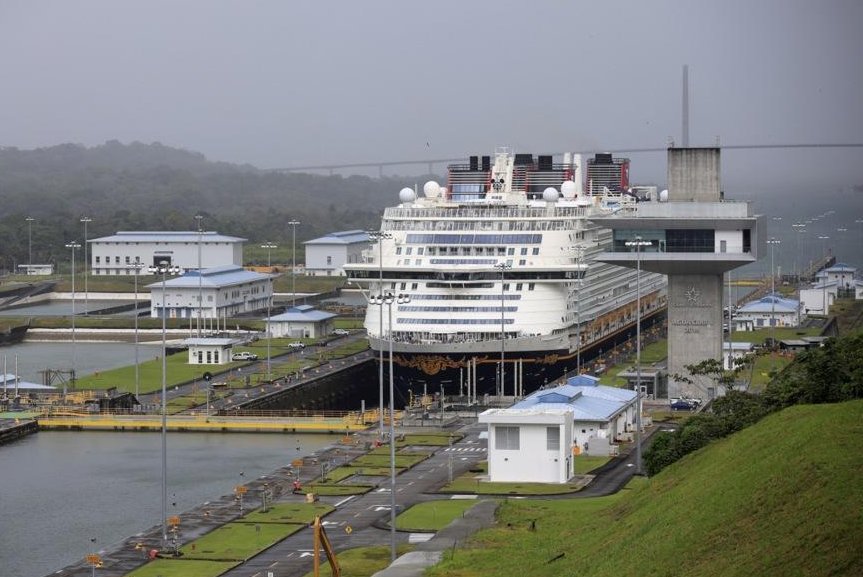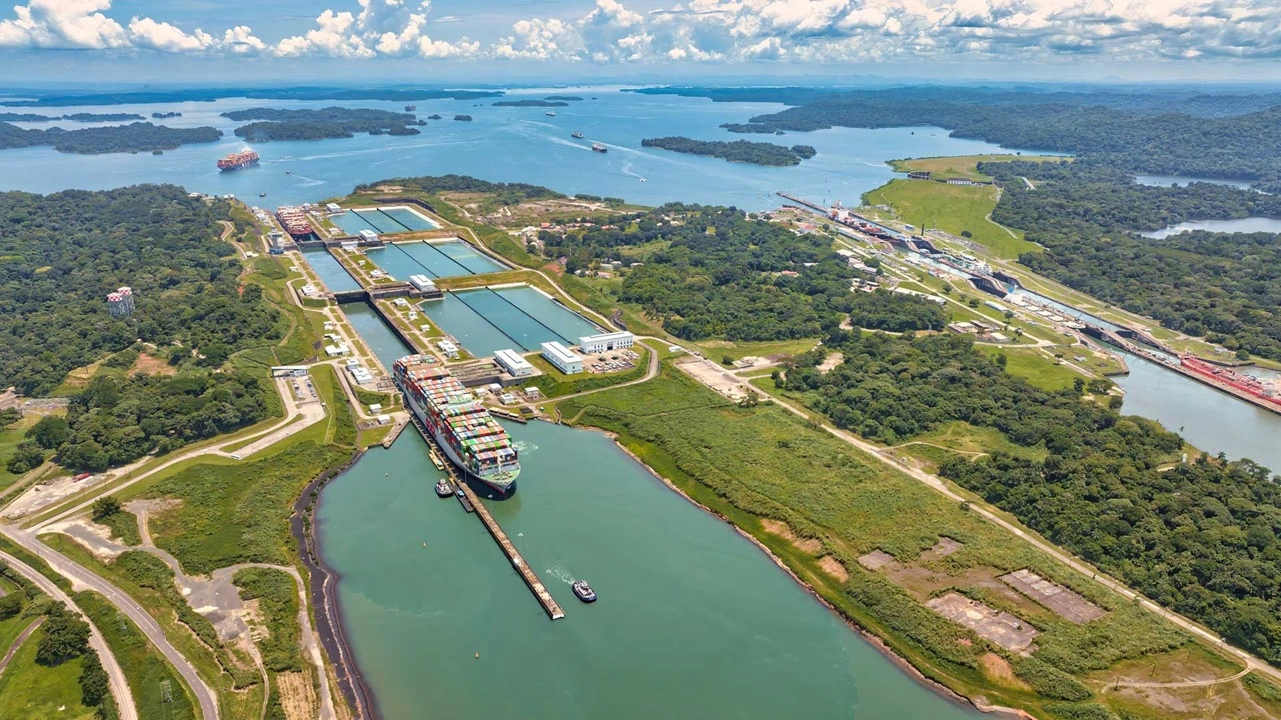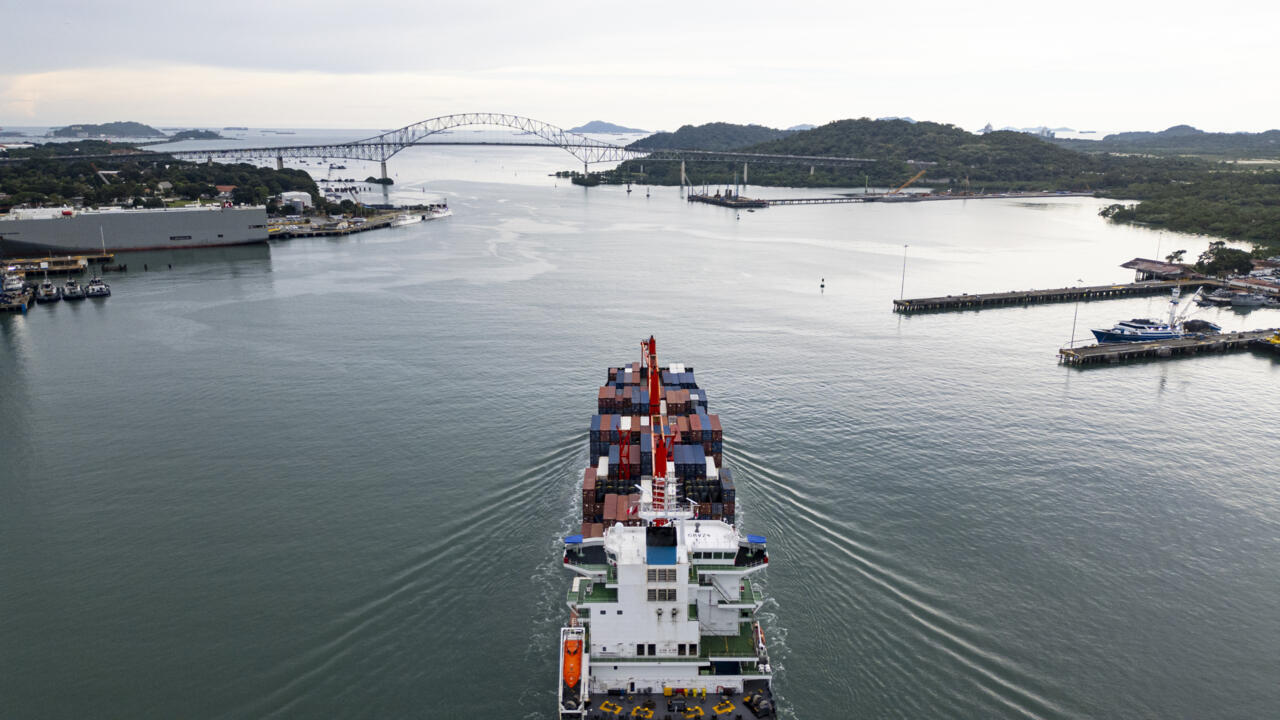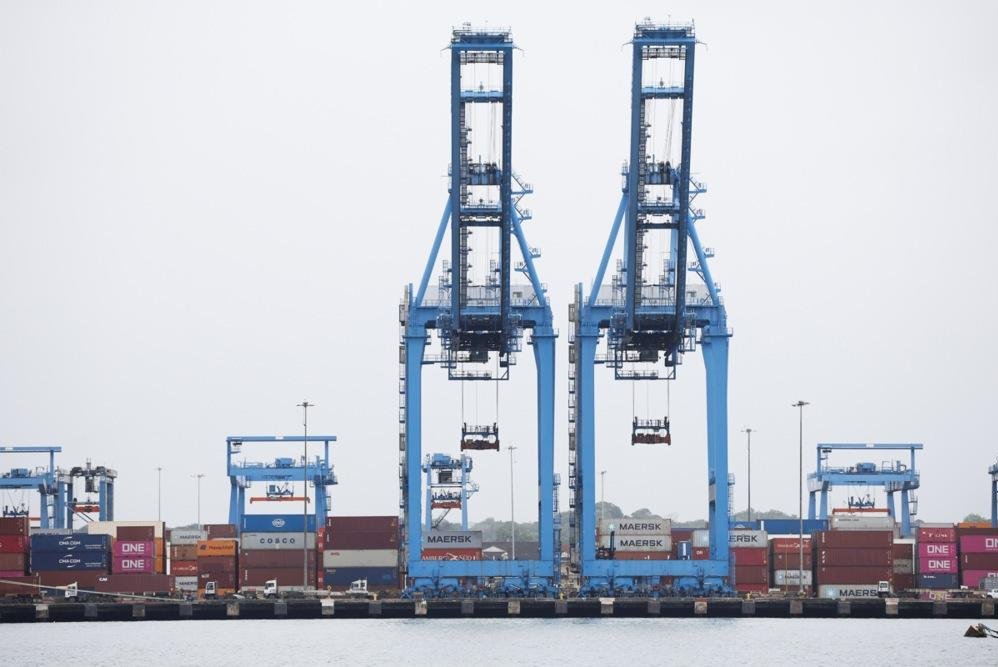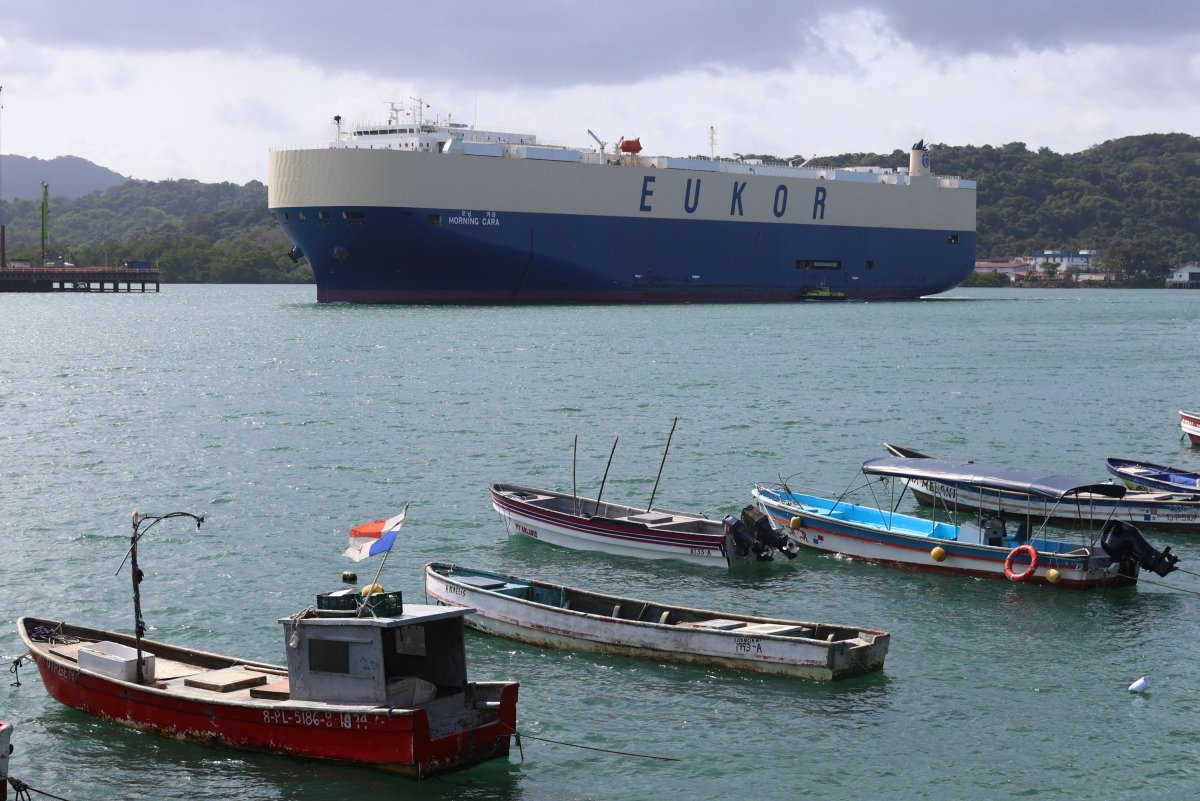
May 14 (UPI) -- Renewed international debate over the Panama Canal has revealed something deeper than a mere sovereignty dispute. It has shown how much Panama's prosperity depends on institutional credibility and how urgently the country must strengthen the foundations of its free-enterprise model before external pressures further test it.
Panama has built one of Latin America's most distinctive economic models. Its success rests on full dollarization, trade openness and a geographic position that makes it a bridge between oceans. Those advantages have helped the country maintain a relatively low cost of capital and a level of macroeconomic stability that many of its neighbors have struggled to achieve.
Yet Panama's future as a financial and logistics hub is not guaranteed. The country faces fiscal pressure, lingering reputational concerns after four years on the Financial Action Task Force (FATF) grey list, and institutions that remain weaker than its economic ambitions require. If Panama wants to consolidate its position as a regional leader, it must deepen the strengths of its free-enterprise model while simultaneously correcting the weaknesses that still limit its potential.
The central pillar remains the defense of dollarization. Since 1904, the use of the U.S. dollar as legal tender has eliminated exchange-rate risk and reduced financing costs. For a small, open economy that depends heavily on services and international capital, that monetary framework is a decisive advantage.