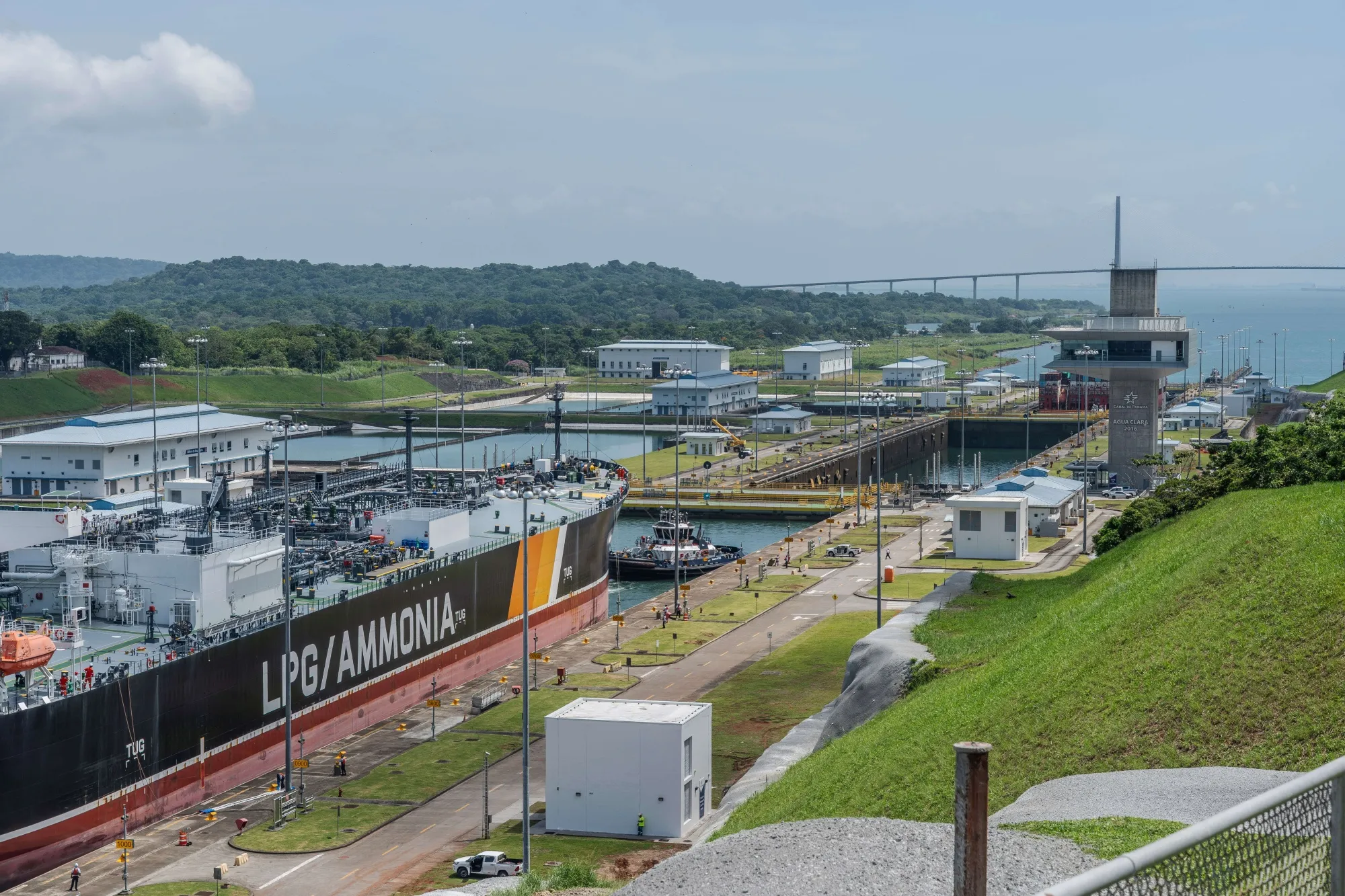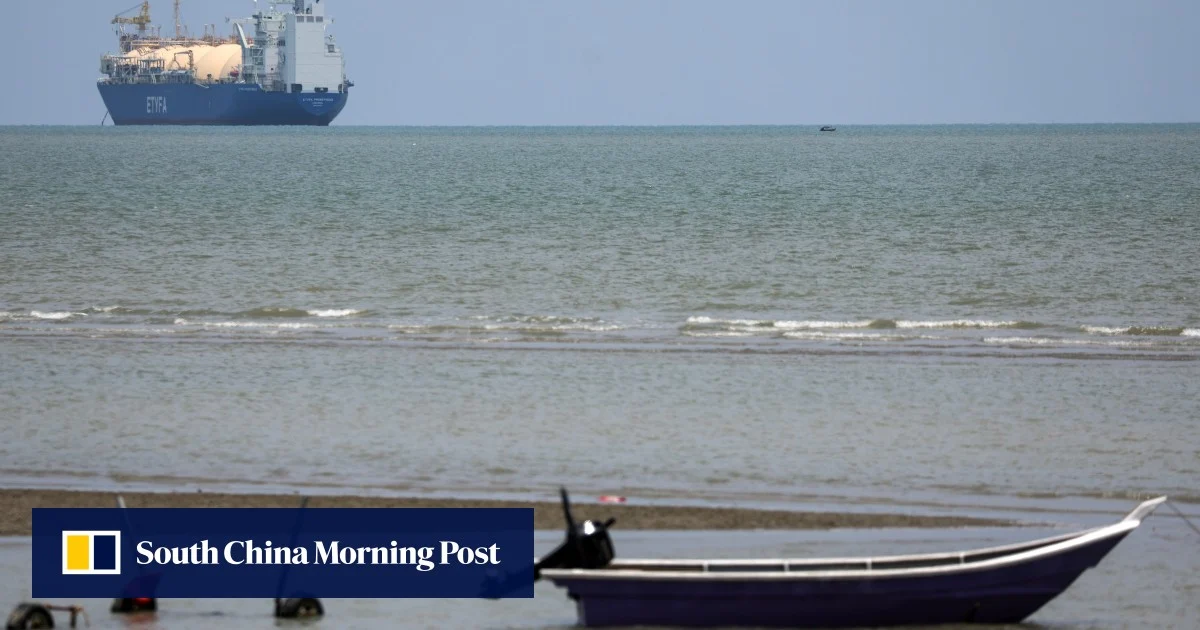
WASHINGTON—The closure of the Strait of Hormuz and flaring tensions in other nearby maritime chokepoints are reconfiguring global shipping. Amid the disruption, shipping companies have diverted their vessels to other, safer trade routes—or to other destinations entirely. At the same time, countries have raced to find sources of oil outside of the Middle East, with some finding what they’ve needed in the United States, driving US fuel exports to record highs.
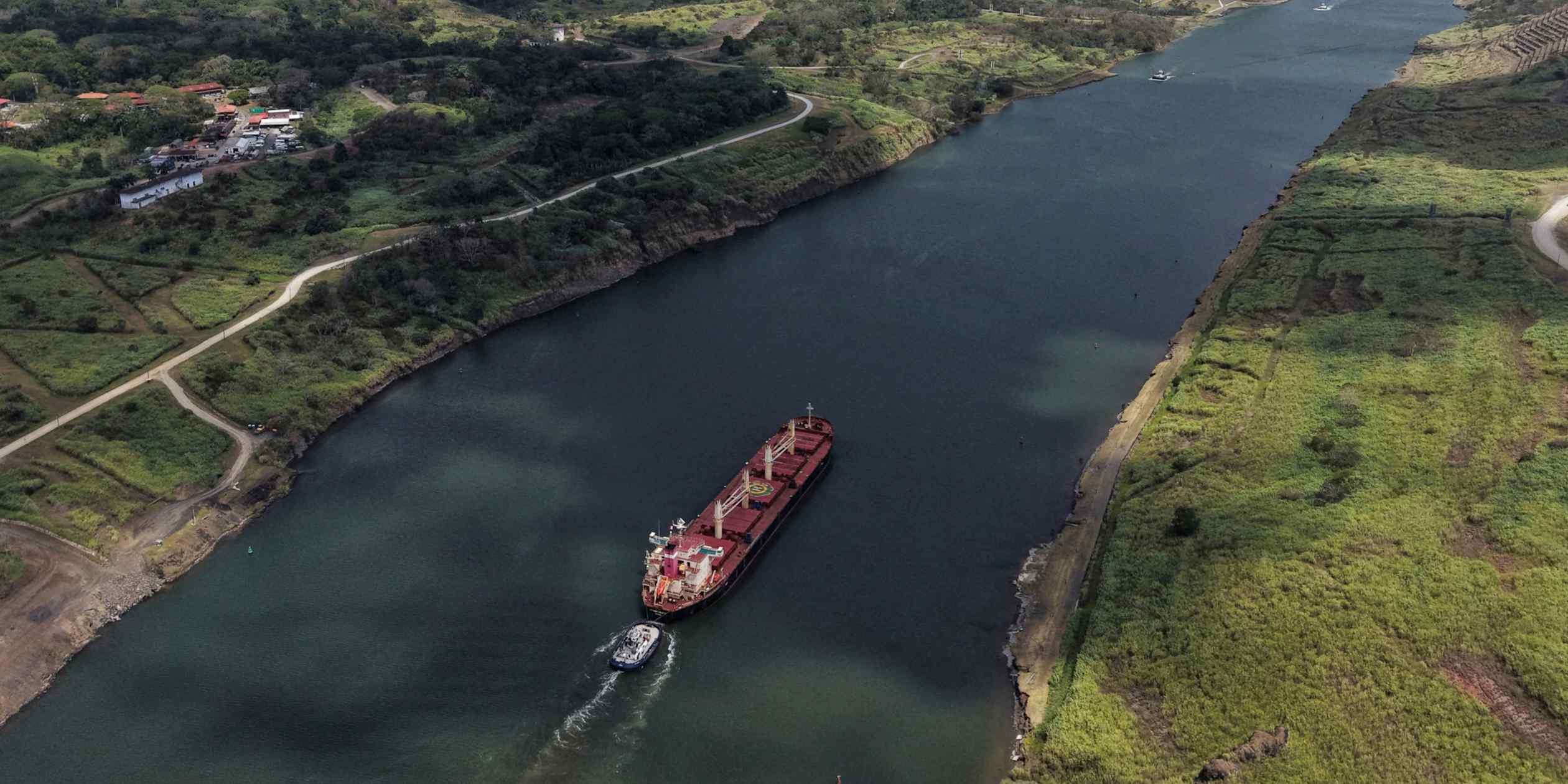
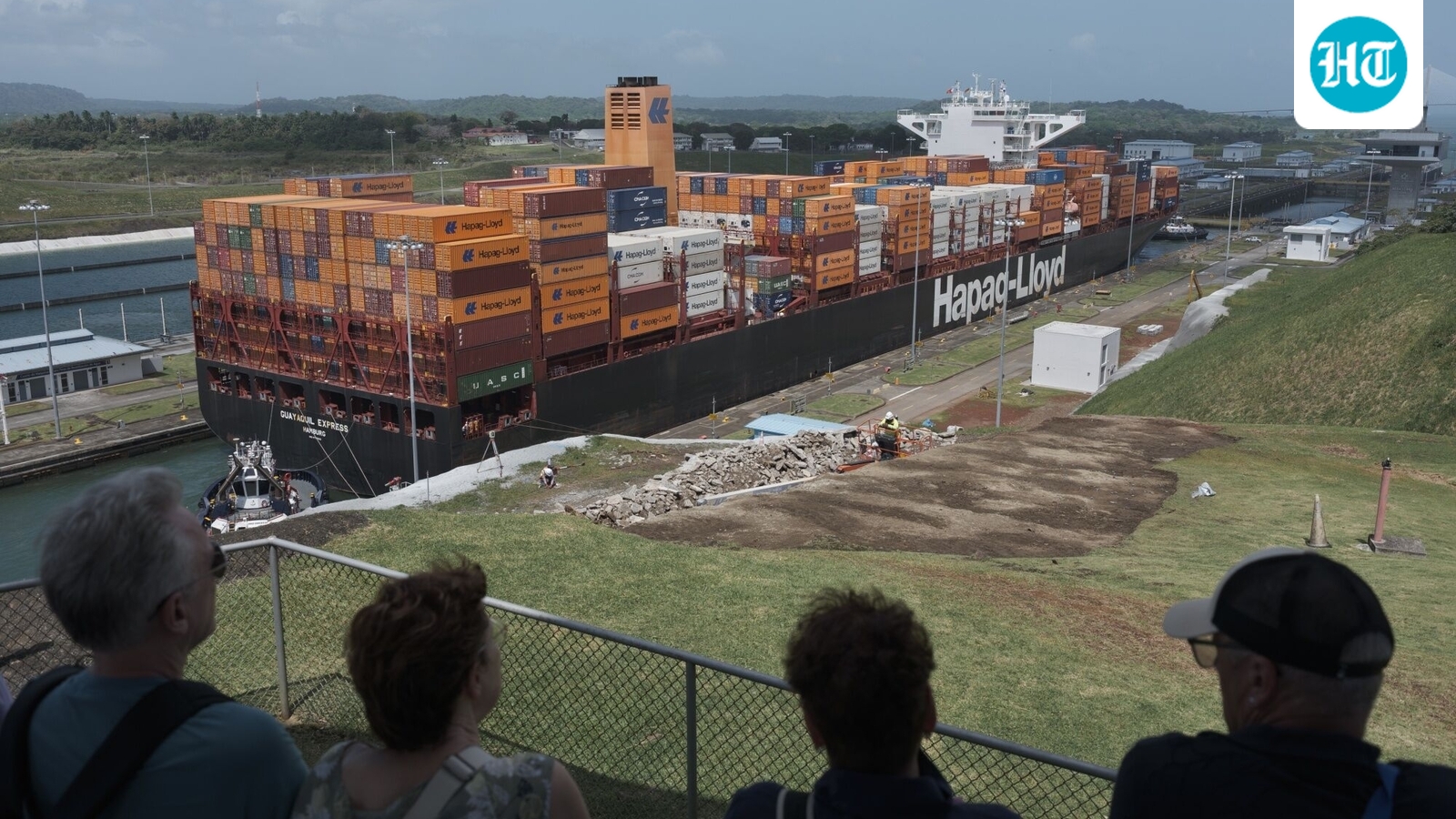
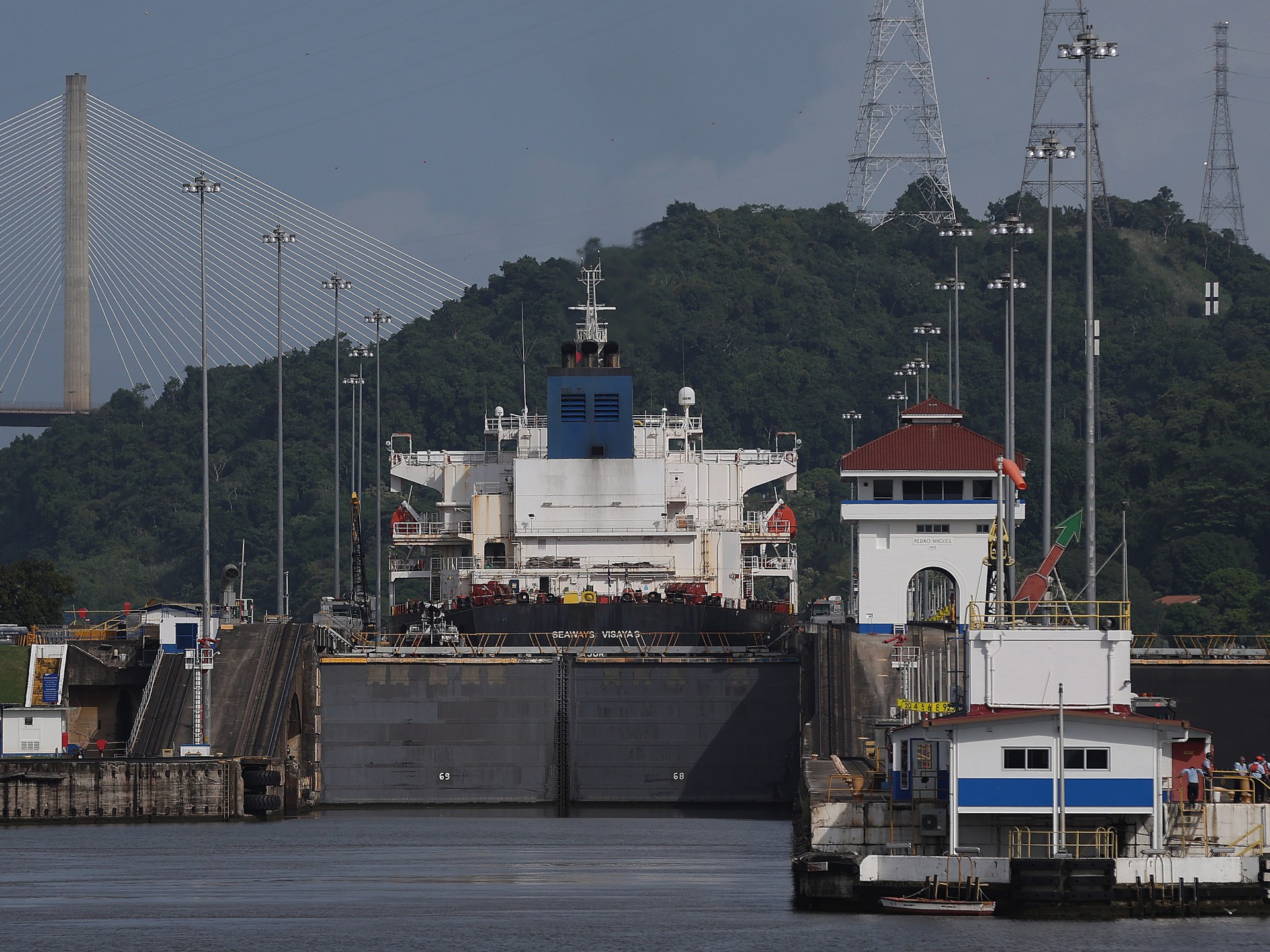
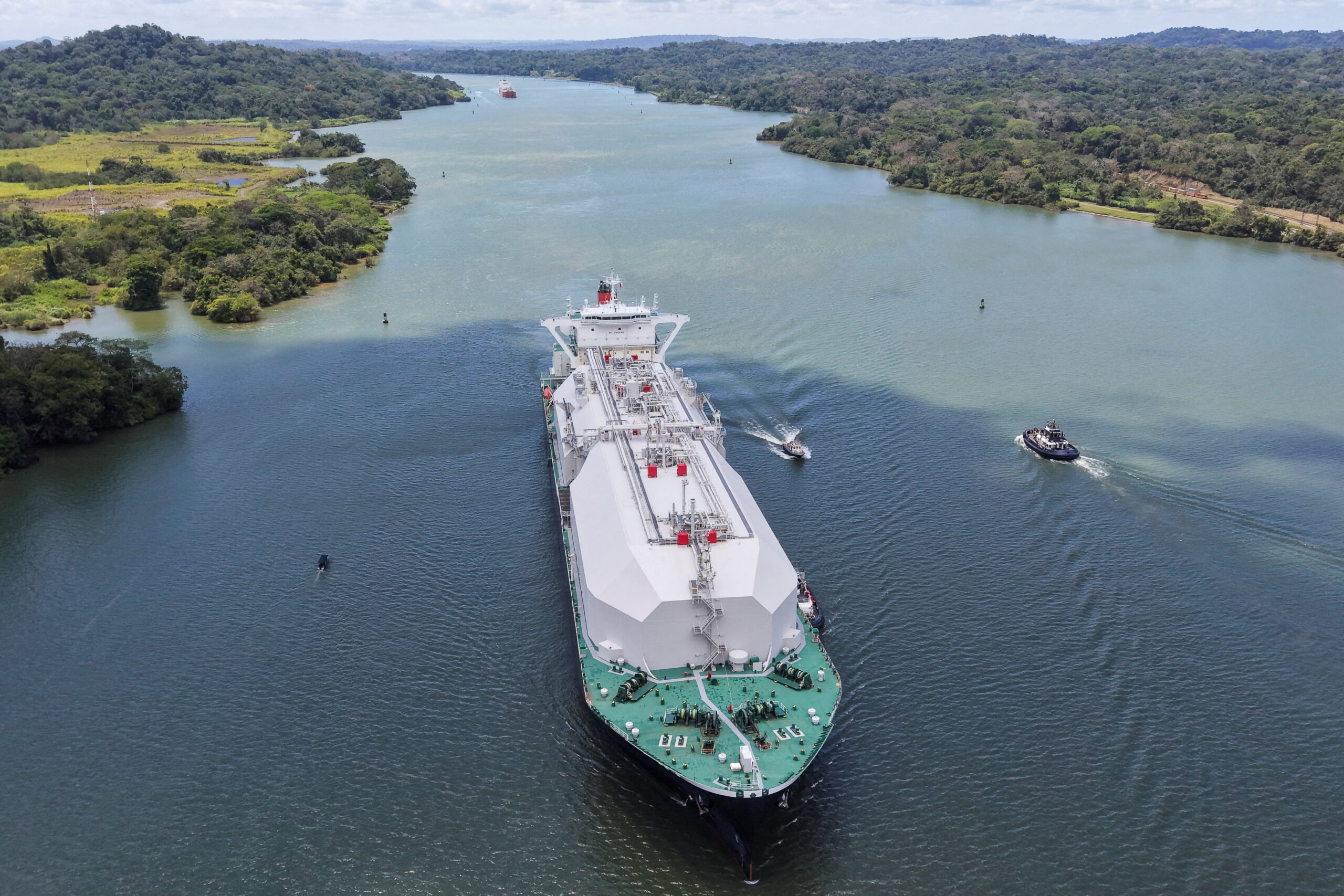
These shifts have sharply increased demand for transit through the Panama Canal, arguably the most important waterway in the Western Hemisphere. This edition of Economic Pulse of the Americas explores what exactly is unfolding there and what the Panama Canal Authority (and its forthcoming administrator, Ilya Espino de Marotta) must do to take advantage of the opportunity.
Rising demand
The Panama Canal is one of the world’s smaller maritime chokepoints. Only an estimated 6 percent of global seaborne trade passes through the canal. The average yearly number of ships traveling through it is only around thirteen thousand. For the Strait of Hormuz, that figure was around 35,000 before the recent conflict.
Yet, that hasn’t stopped the Panama Canal from earning a reputation among energy-seeking countries and shipping companies for being indispensable, irreplaceable, and reliable. The canal is particularly important for the United States, since roughly 70 percent of the canal’s traffic is either coming from or going to the United States, compared to 20 percent going to or coming from China.