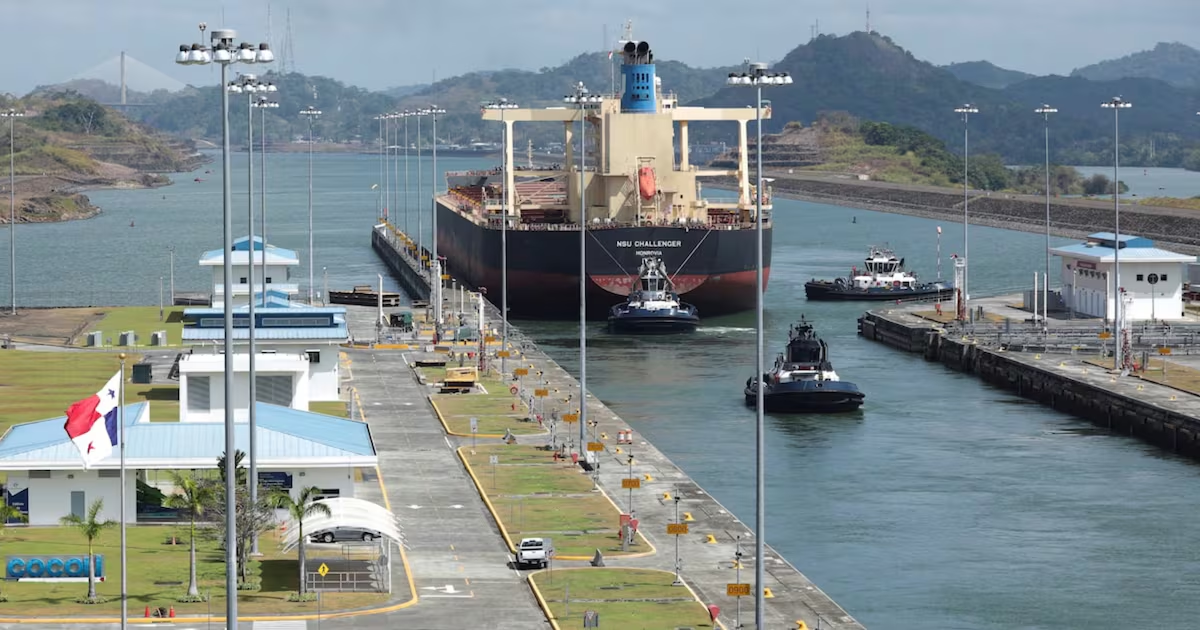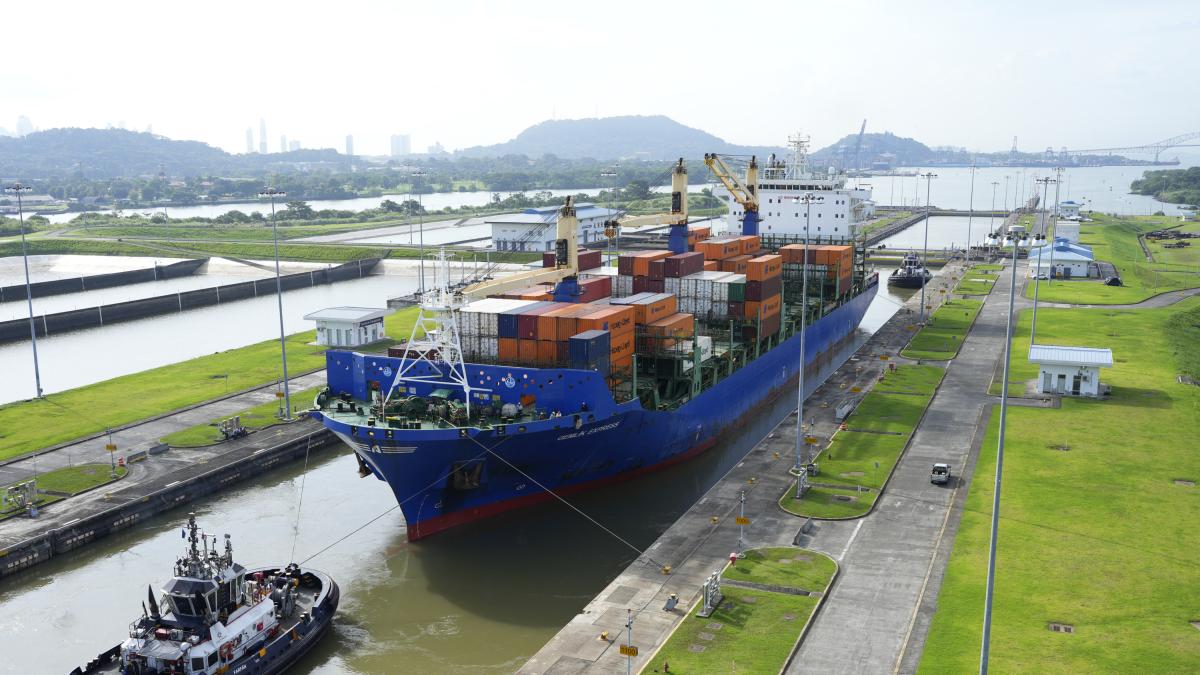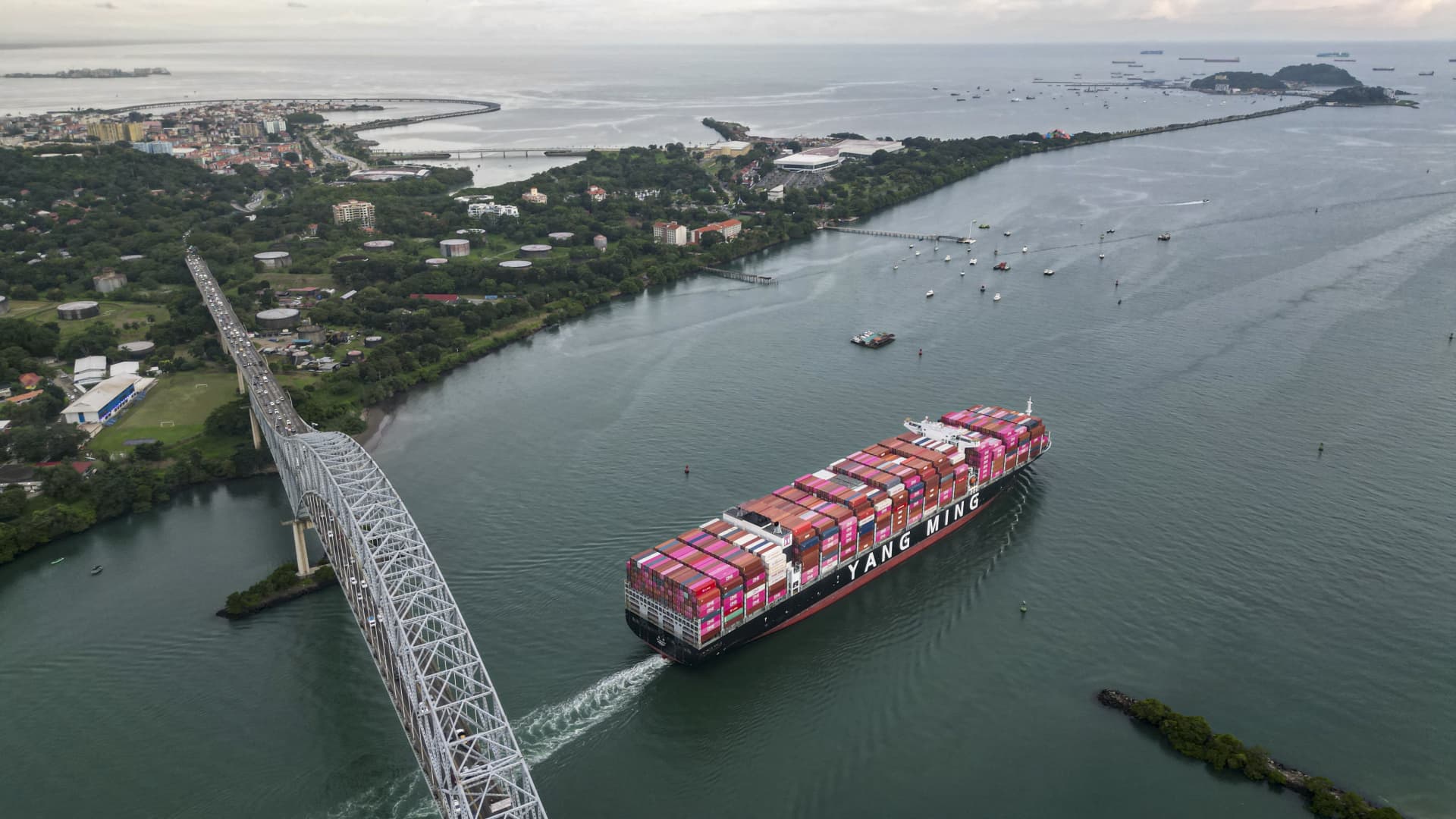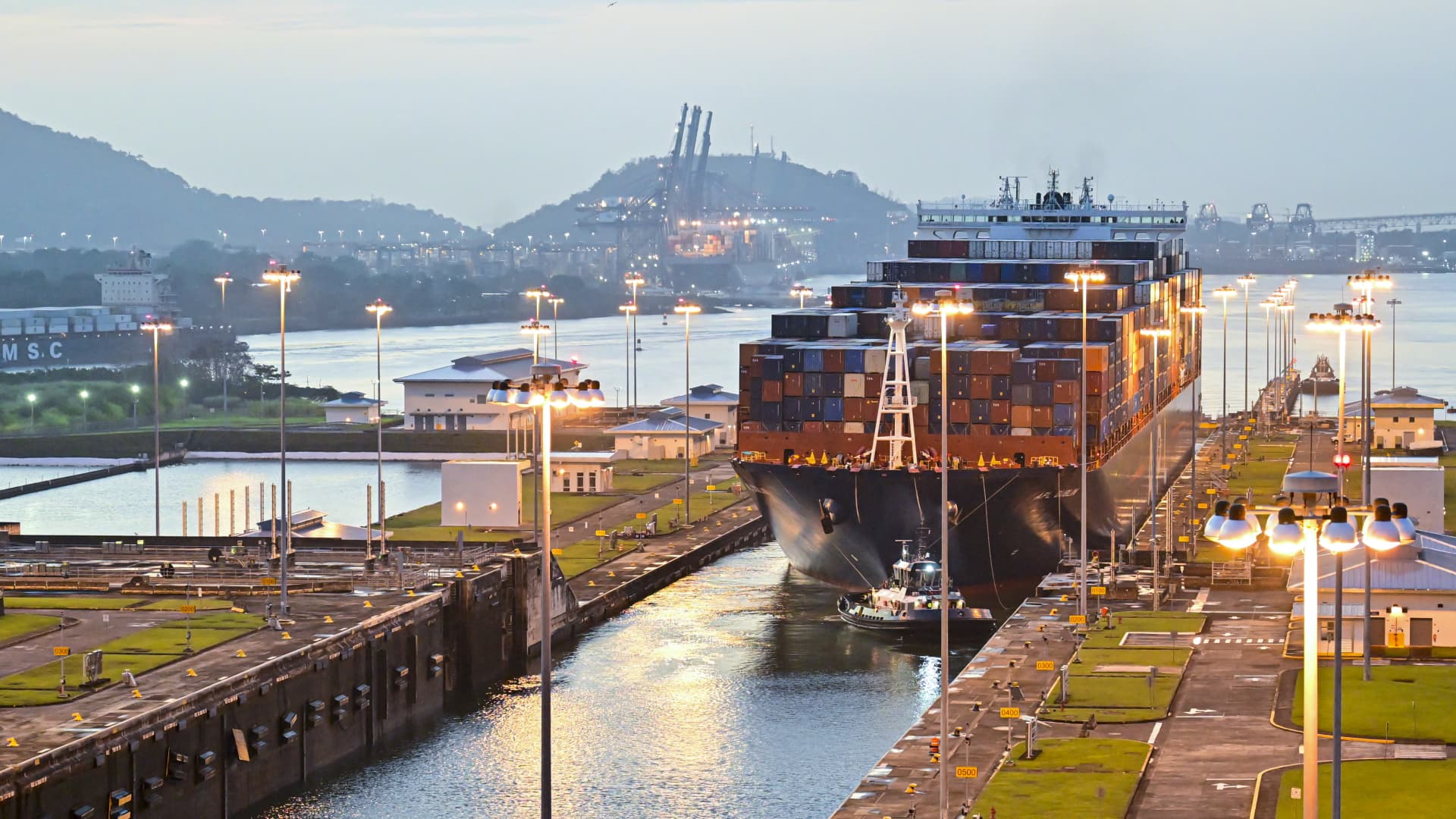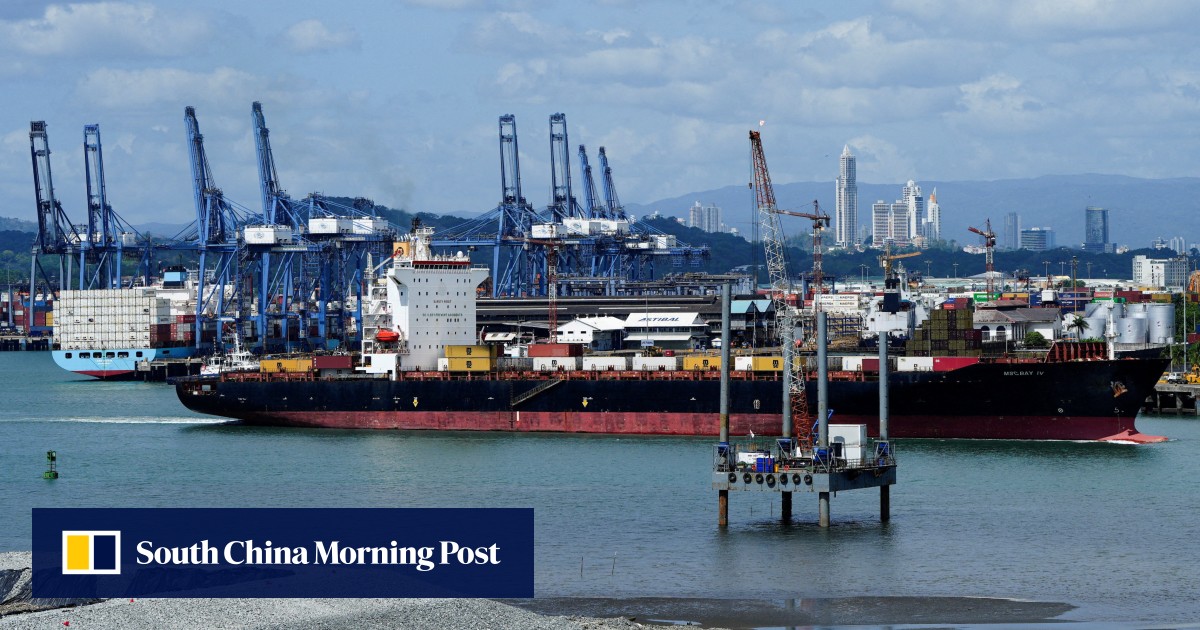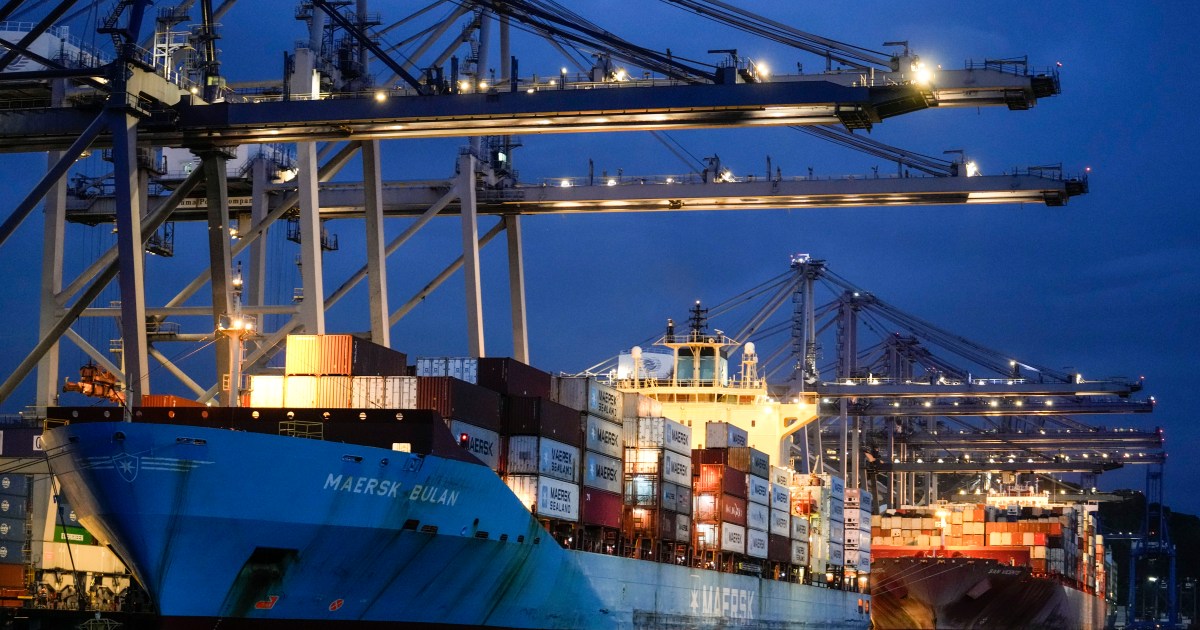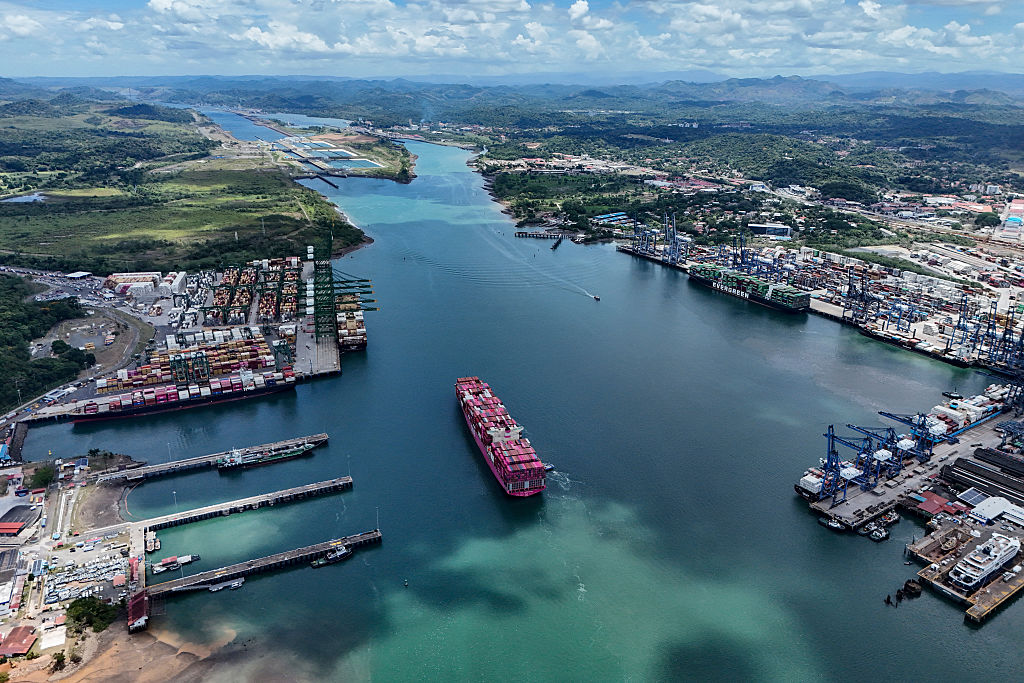
Reading Time: 4 minutesEarlier this year, Panama’s Supreme Court struck down concessions held by CK Hutchison, a Hong Kong-based conglomerate, over the two port facilities flanking the Panama Canal on the Atlantic and Pacific. The ruling had vast implications, because it effectively expelled a Chinese Communist Party-linked operator from key maritime infrastructure at a time when Washington and Beijing are engaged in the most consequential strategic competition since the Cold War.
The ruling also exposed a critical weakness in Panama: the lack of a true doctrine about how to manage the Canal and the great-power jockeying it attracts. For decades, Panama’s foreign policy has been largely improvised, and now, given intense new pressure from China and the U.S., this has become a serious liability.
Every nation in Latin America is grappling with the question of how best to navigate the U.S.-China rivalry. It is especially urgent in Panama, however, because of the unique importance of the Canal, the depth of the country’s ties with the U.S., and the extent of its flirtation with Beijing over the past decade.
This is why, at the beginning of his second term, U.S. President Donald Trump threatened to “take back” the Canal and placed Panama at the heart of global strategic discourse. Like never before, the Panama’s domestic decisions reverberate not just in Houston, Rotterdam, and Shanghai, but also in every foreign ministry, intelligence agency, and major newspaper tracking great-power competition.