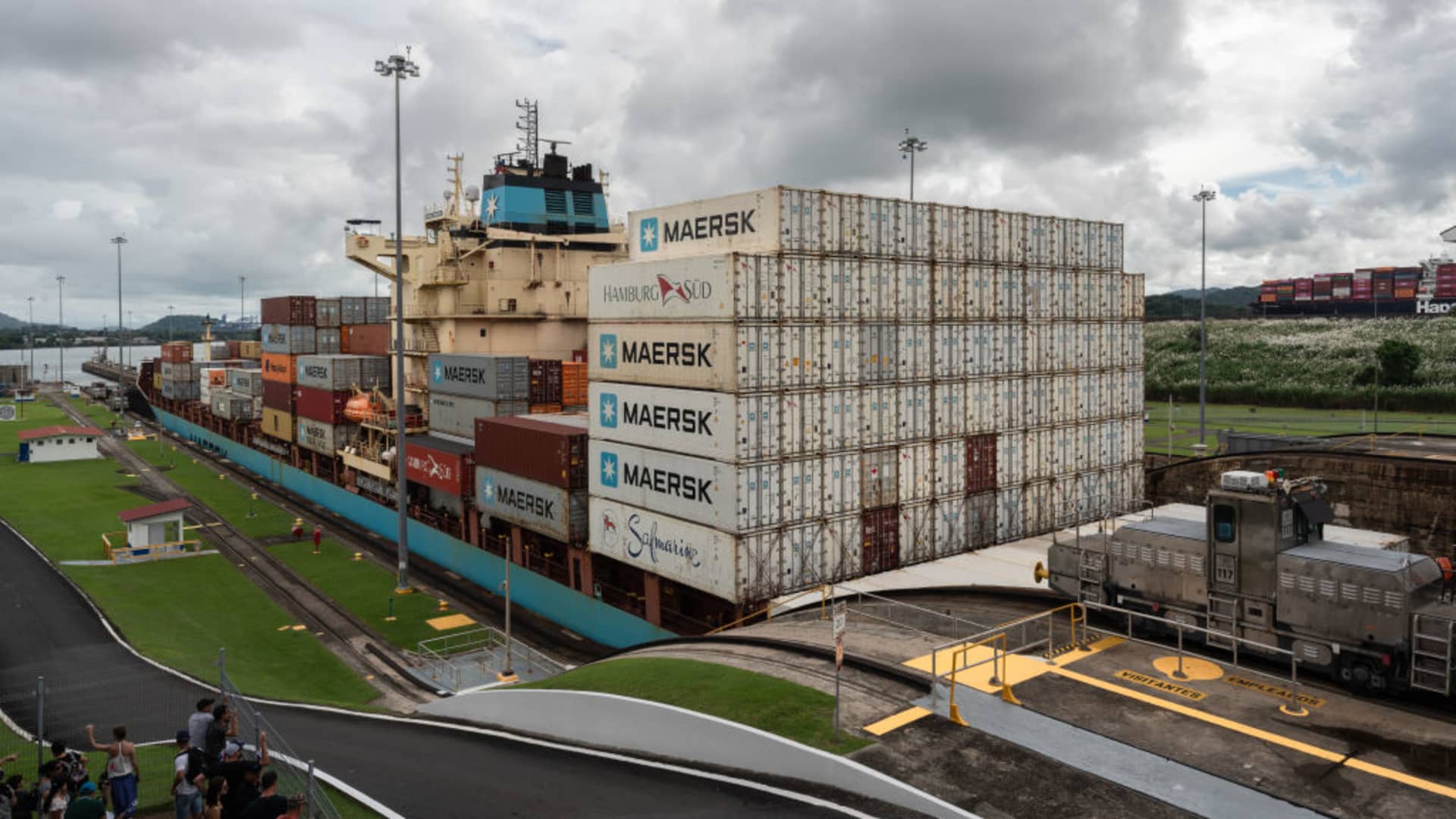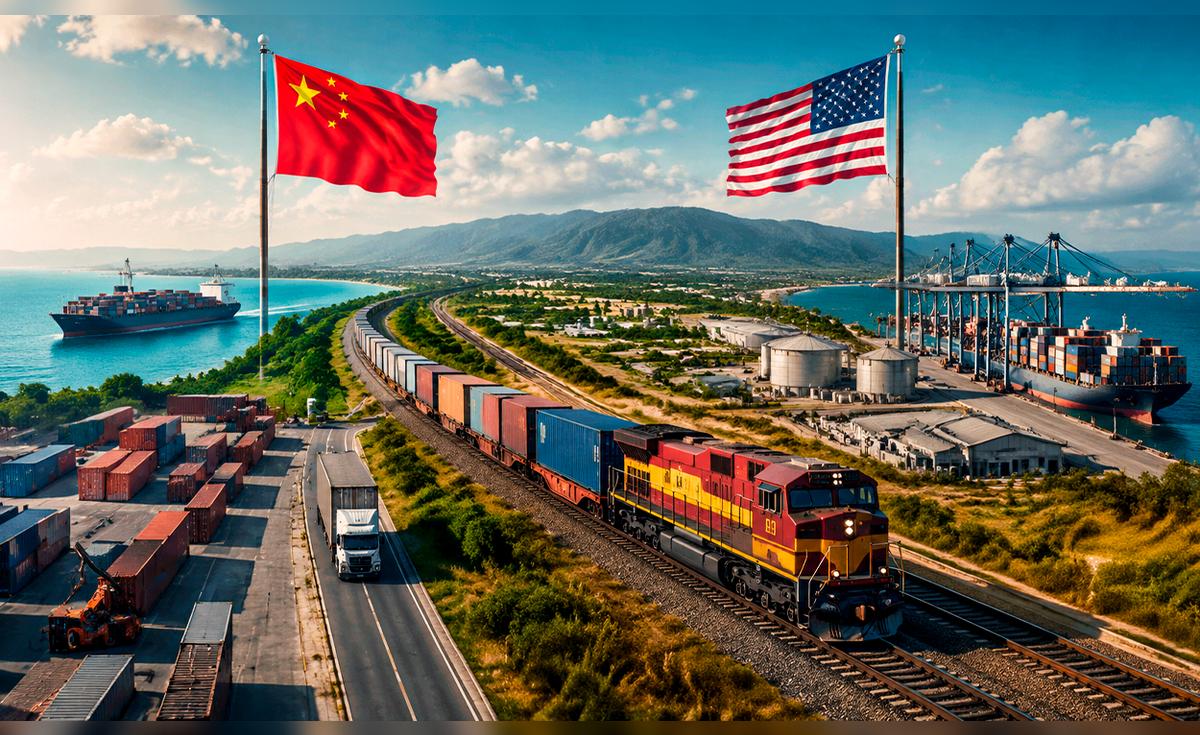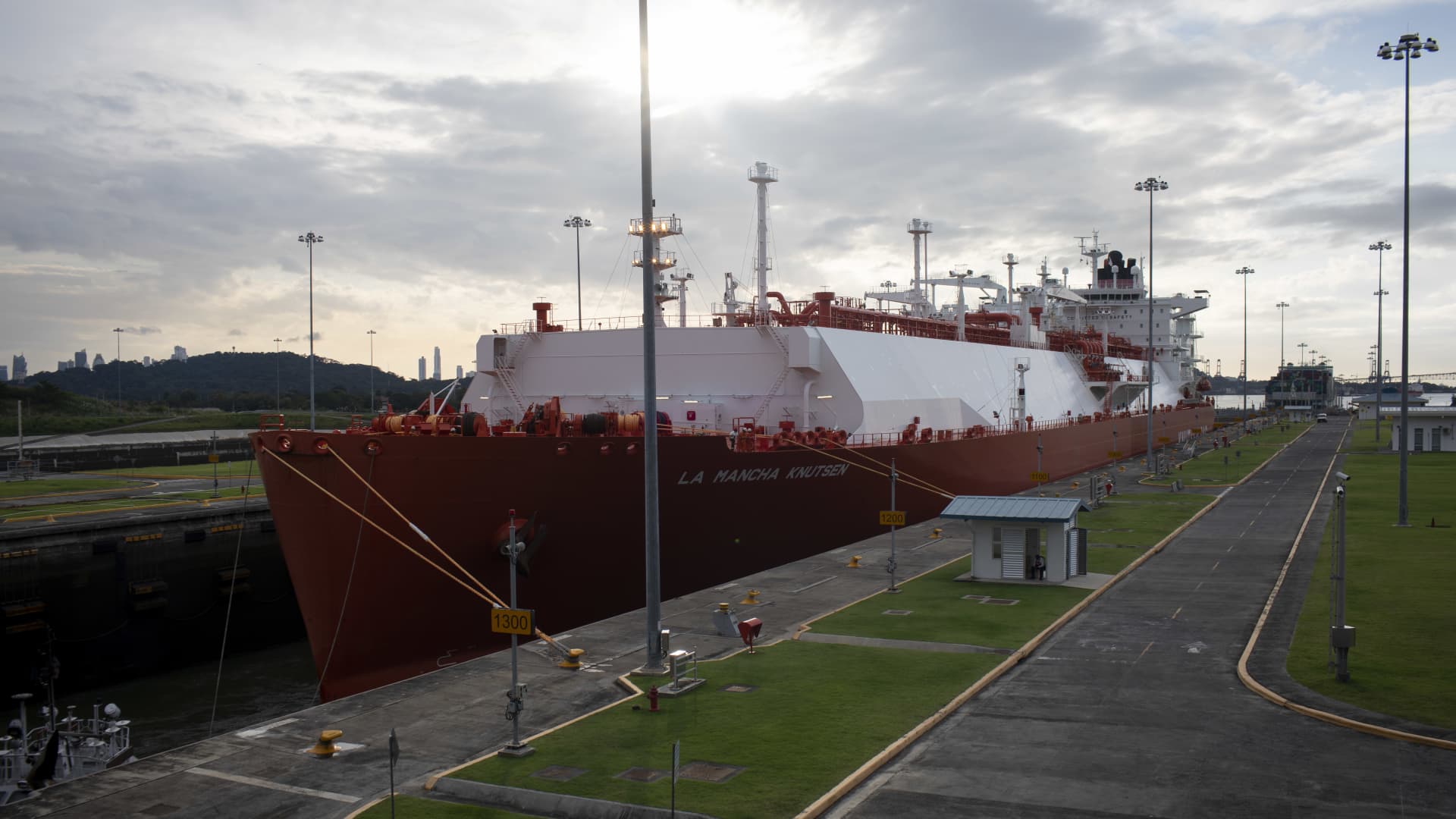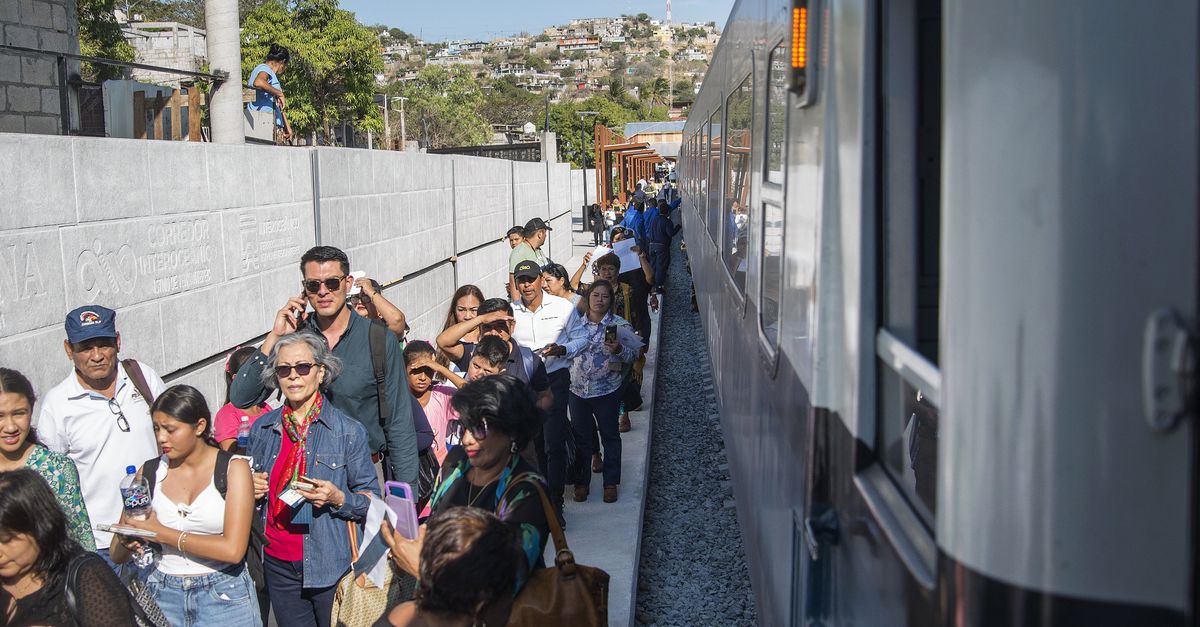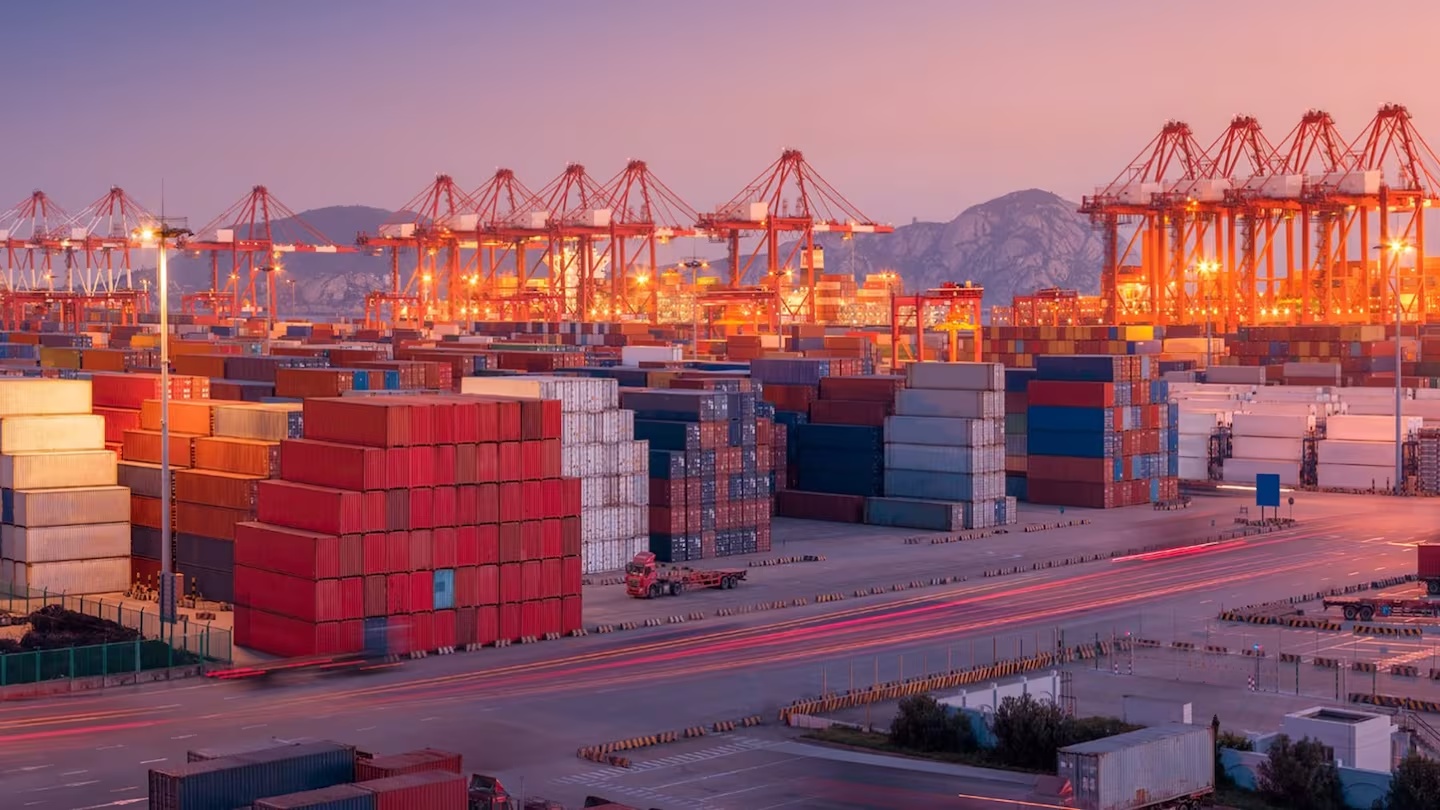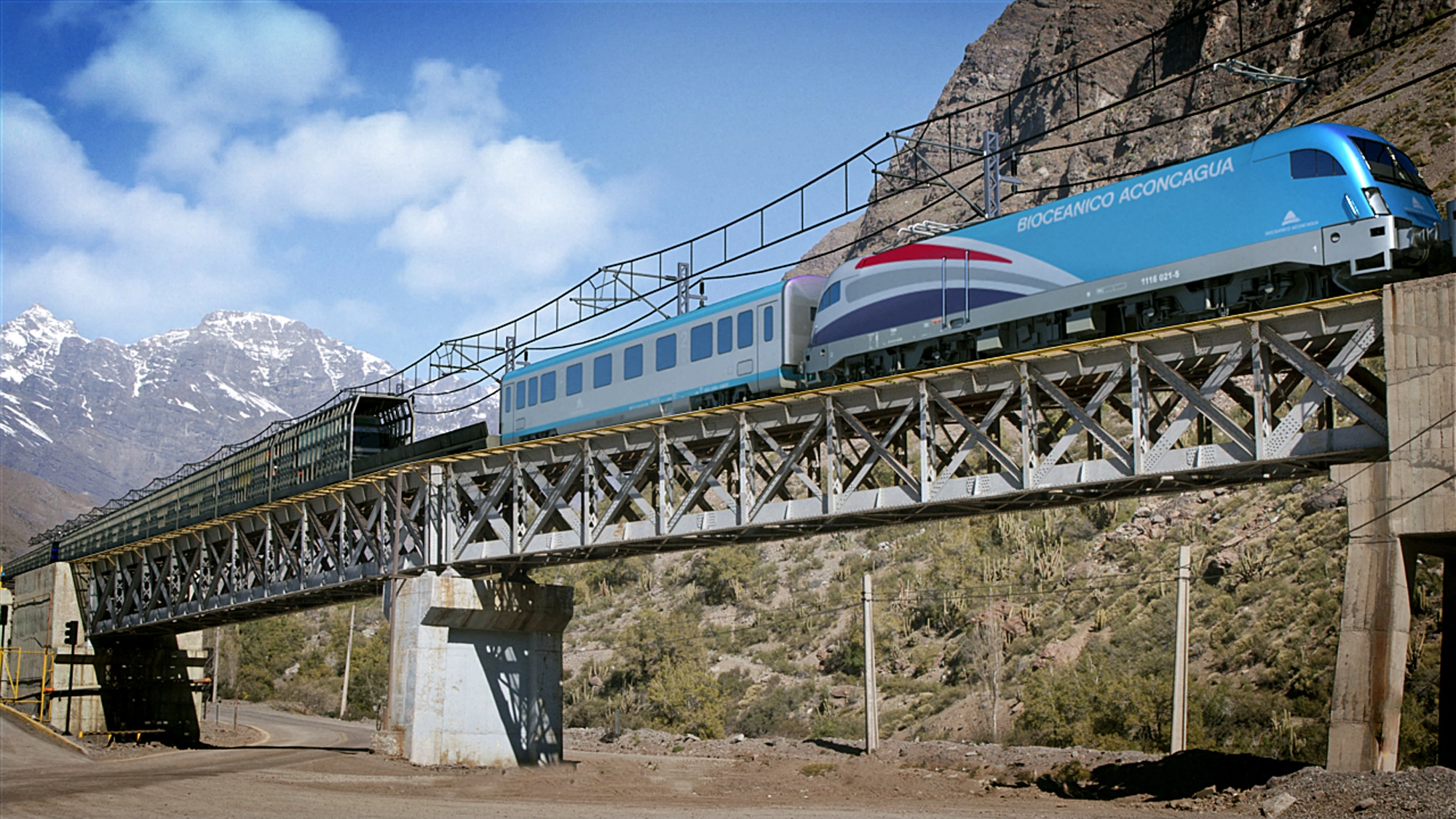
Mexico’s dry canal project is changing the future of global trade with a land bridge designed to connect the Pacific Ocean and Gulf of Mexico. The Interoceanic Corridor of the Isthmus of Tehuantepec, known as CIIT, is creating a new logistics route without building a traditional water canal.The idea sounds unusual. Ships will not pass through locks or artificial waterways. Instead, containers will move between ports by rail, crossing southern Mexico in a faster multimodal transport system. This ambitious plan could reshape supply chains by giving companies another option beyond the Panama Canal.The Mexico dry canal route connects Salina Cruz in Oaxaca with Coatzacoalcos in Veracruz. The project combines upgraded rail networks, port expansion, highways, and industrial zones. Its goal is not simply moving cargo. It is creating a new economic corridor for Mexico’s south-southeast region.The main railway line, known as Line Z, stretches around 192 miles across the Isthmus of Tehuantepec. After years of rehabilitation work, freight operations restarted in 2023. The route offers a different vision of international shipping, where speed and reliability matter as much as geography.Global trade is searching for alternatives. Climate pressure, port delays, and supply chain disruptions have pushed companies to rethink old routes. Mexico’s dry canal project arrives at a time when logistics networks need flexibility.How Mexico’s dry canal project creates a new trade corridorThe Mexico dry canal project works differently from the Panama Canal. It does not move entire ships across land. Instead, cargo containers are transferred between trains and ships at both coasts.A container arriving from the Pacific side can be unloaded at Salina Cruz. It then travels by rail across the Isthmus of Tehuantepec before reaching Coatzacoalcos. From there, it continues through the Gulf of Mexico toward international markets.This approach avoids the engineering challenges of a water canal. Panama depends on locks and freshwater reserves to raise and lower vessels. Mexico’s model depends on efficient coordination between ports, rail systems, customs, and logistics centers.The economic ambition is significant. The corridor includes major port connections, including Coatzacoalcos, Salina Cruz, Dos Bocas, and Puerto Chiapas. These locations are planned as gateways for manufacturing, energy, and international shipping.Mexico is also developing industrial zones called Development Poles for Well-Being. These areas are designed to attract factories, warehouses, and foreign investment. The government sees the route as more than transportation infrastructure.It is a regional development strategy. The hope is that companies will build near the corridor, creating jobs and expanding local economies. However, success depends on whether investment reaches communities rather than only passing through the region.Can Mexico’s dry canal compete with the Panama Canal?The Mexico dry canal is unlikely to replace the Panama Canal completely. The two systems serve different purposes. Panama remains one of the world’s most important maritime shortcuts, handling thousands of vessels each year.Instead, Mexico is positioning the corridor as another option for specific cargo movements. Some industries may prefer a land route if it reduces waiting times or provides a more predictable supply chain.Modern logistics is no longer only about the shortest distance. Companies calculate fuel costs, delays, security risks, and reliability. A slightly different route can become valuable if it avoids major disruptions.Rail transportation also brings efficiency advantages. Heavy freight trains can move large volumes with less fuel compared with many truck journeys. This could support lower emissions in certain supply chains.Still, the environmental picture is complicated. A Mexico dry canal is not automatically a green project. Rail lines, expanded ports, industrial parks, and construction activity all create environmental pressure.The Isthmus of Tehuantepec contains forests, water systems, wildlife habitats, and communities with deep connections to the land. Industrial expansion could affect biodiversity and local resources if planning is weak.Why Mexico’s dry canal future depends on people and technologyThe biggest challenge for the Mexico dry canal project may not be construction. It may be coordination. A global trade corridor requires every part of the system to work together.Ports must handle cargo quickly. Railways need reliable schedules. Customs systems must reduce delays. Warehouses and digital tracking networks must keep shipments moving.Mexico has introduced operational frameworks to improve cooperation across the corridor. These systems focus on data exchange, cargo tracking, and stronger connections between rail and port facilities.The project also carries political and social importance. Southern Mexico has historically received less industrial investment than other regions. The corridor is intended to change that pattern by turning the Isthmus into a production and logistics center.But development brings difficult questions. More factories can create employment, yet they can also increase pressure on water, land, and ecosystems. Long-term success will depend on balancing growth with environmental responsibility.FAQs: Q1. What is Mexico’s dry canal project and how does it challenge the Panama Canal?Mexico’s dry canal project, known as the Interoceanic Corridor of the Isthmus of Tehuantepec, connects Pacific and Gulf ports through rail instead of water locks. It allows containers to move across southern Mexico, creating an alternative trade route. The project aims to improve supply chain flexibility, reduce pressure on the Panama Canal, and attract new industrial investment.Q2. Can Mexico’s dry canal replace the Panama Canal in global shipping?The Mexico dry canal is unlikely to fully replace the Panama Canal because both serve different logistics needs. However, it can become a strategic backup route for certain cargo by offering faster land transport, modern rail links, and new port connections. Its success depends on efficiency, environmental balance, and long-term infrastructure performance
A canal without locks? A Latin American mega project aims to challenge the Panama Canal without digging one
Mexicos dry canal project is changing global trade with a bold rail-based route connecting oceans. The Interoceanic Corridor uses a 192-mile railway link, modern ports, and logistics hubs to challenge traditional shipping paths. It offers a new supply chain option beyond the Panama Canal, combining faster cargo movement, investment opportunities, and strategic trade growth.
895 words~4 min read