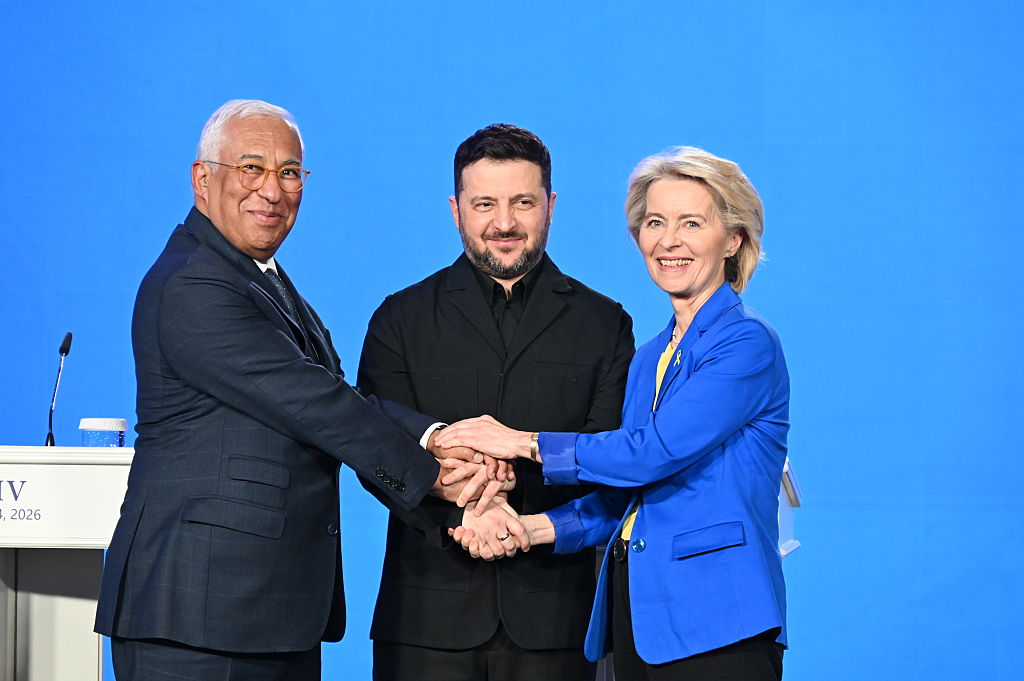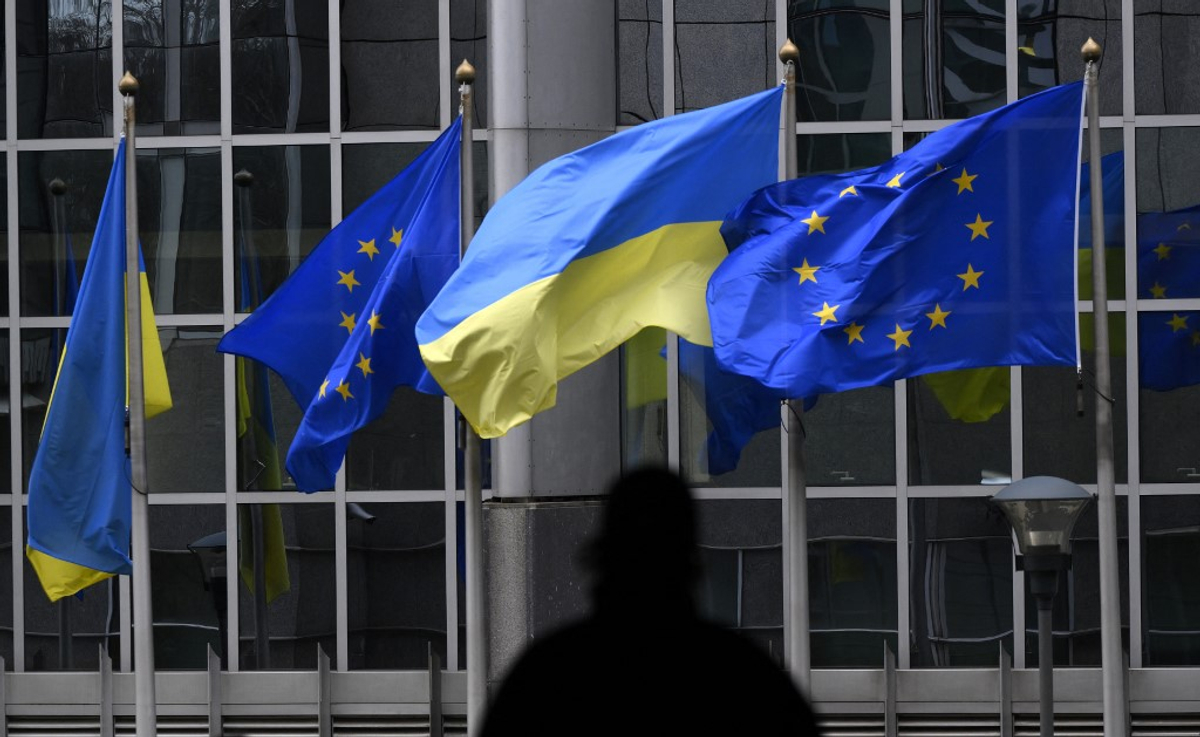
Far-right sovereigntist forces raise fears about new EU members, but enlargement should in fact boost the bloc's geopolitical clout
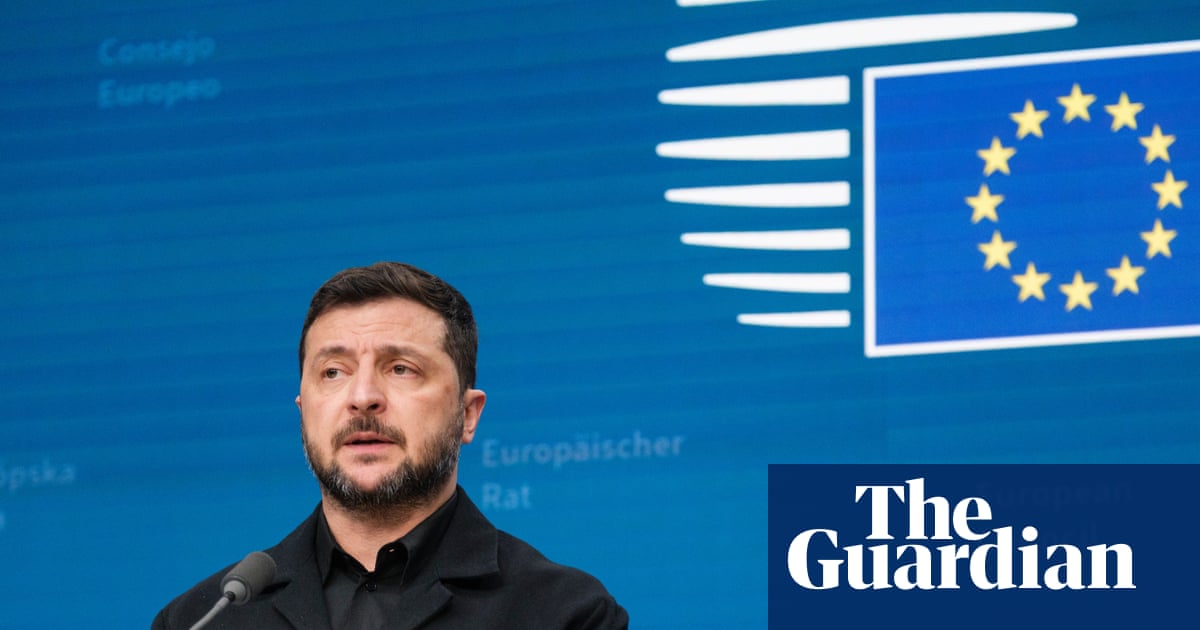
The enlargement debate is back on the EU’s political agenda, including at this week’s European Council. While advancing a faster-track process for the candidate countries – and especially Ukraine – EU countries should not lose sight of the fact that an enlarged Union can’t just be a bigger version of the Union of today.
The last time enlargement was intensively debated in the EU, in the early 2000s, ahead of the “big bang enlargement” of 2004, anxiety ran high across the continent. There were fears of an “invasion of the Polish plumber” in Germany, and warnings of mass “welfare tourism” from new Member States in the UK.
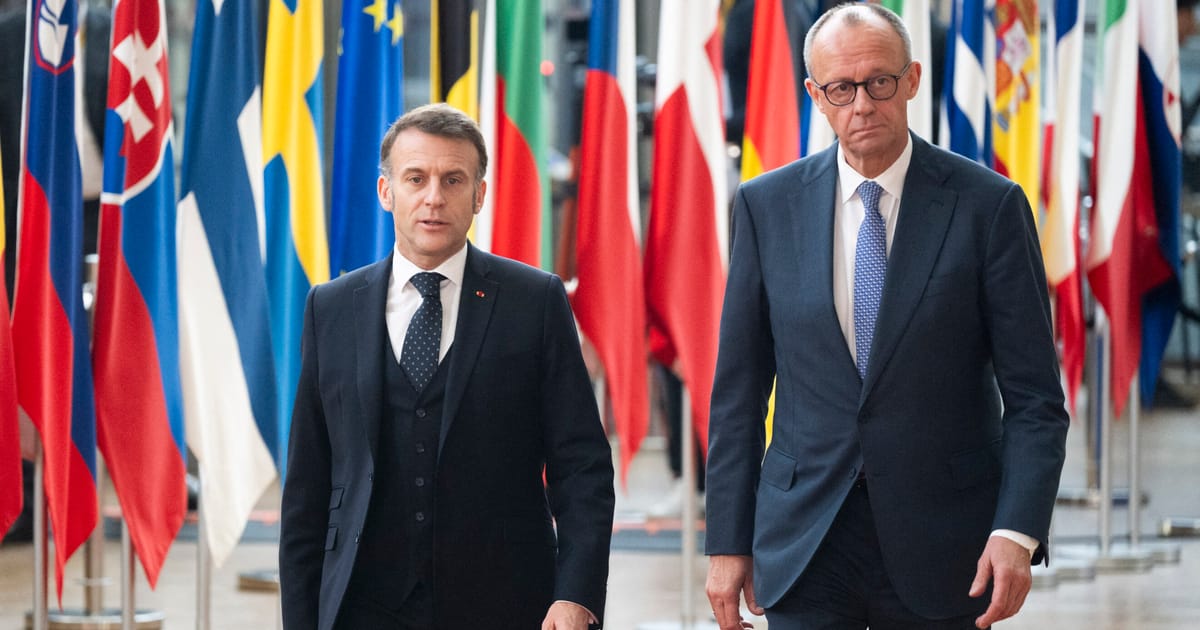
At present, the discussion on accelerating the EU’s enlargement process focuses almost exclusively on the readiness of the candidate countries – their readiness to reap the benefits of EU integration faster than before, provided domestic reforms are implemented successfully. Chancellor Merz’s letter on Ukraine’s accession, or the Franco-German paper on speeding up the process for the Western Balkans, both feed into these concerns. But one could almost forget the fourth, unofficial, enlargement criteria: the EU and its members themselves need to be ready to enlarge – they need the absorption capacity to take on new members.