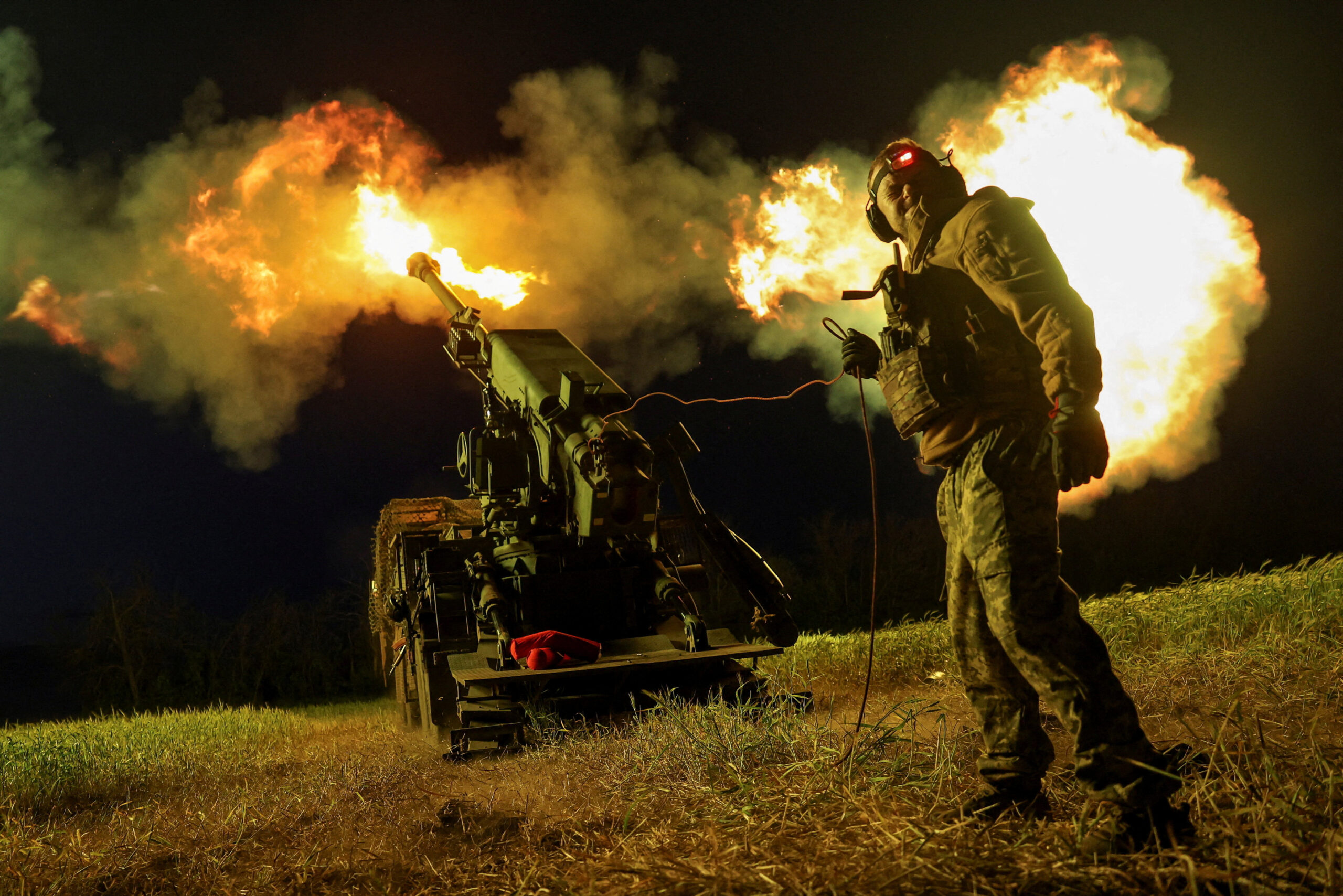
Ukraine isn’t just a recipient of security – it has become a contributor to it. This reality casts the enlargement debate in a new light
For decades, enlargement was one of Europe’s most successful political projects. It extended a community of democracy, prosperity, and stability across a continent emerging from division and conflict. It also unfolded in a strategic environment in which the fundamental questions of European security appeared largely settled.
That assumption no longer holds. Russia’s full-scale invasion of Ukraine has shattered the foundations of the post-Cold War European security order. At the same time, uncertainty about the future of the transatlantic relationship has revived questions about Europe’s own role in defence and deterrence.
The result is that Europe again finds itself facing the relationship between integration and security. And as the first candidate country pursuing accession while fighting a major war on European soil, Ukraine is a special case which occupies a central place in debates about the continent’s future security.
This gives particular significance to proposals such as Chancellor Friedrich Merz’s call for earlier participation in EU institutions and ideas allowing candidate countries progressively to access elements of the Single Market before full membership. Such measures acknowledge that countries undertaking difficult reforms should experience some of the benefits of integration before accession is complete.