Europeans are increasingly speaking of Ukraine as a shield protecting the continent from Russian aggression. This recognition is certainly justified, but it also carries a risk. Amid all the talk of Ukraine’s growing military strength, there is a danger that this could encourage complacency over the country’s ability to bear the current security burden indefinitely.
Changing attitudes toward Ukraine were on display at the recent GLOBSEC Forum in Prague. Since 2022, the international debate has been dominated by fears of possible Ukrainian defeat and concerns over Europe’s ability to resist Russian aggression. This year, however, it has become clear that Ukraine is now widely viewed as Europe’s strongest military power and is seen as one of the key pillars of the continent’s security architecture.
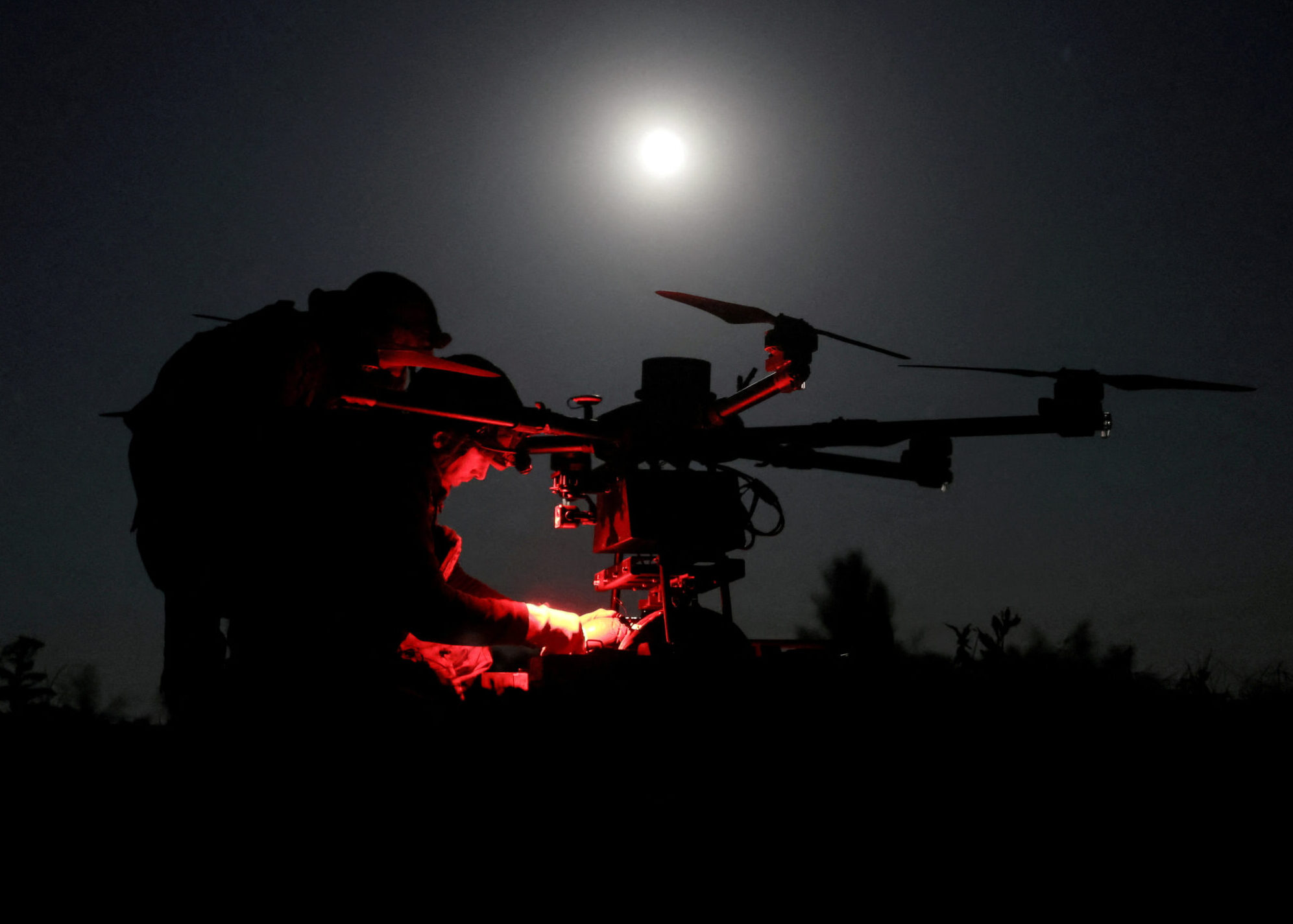
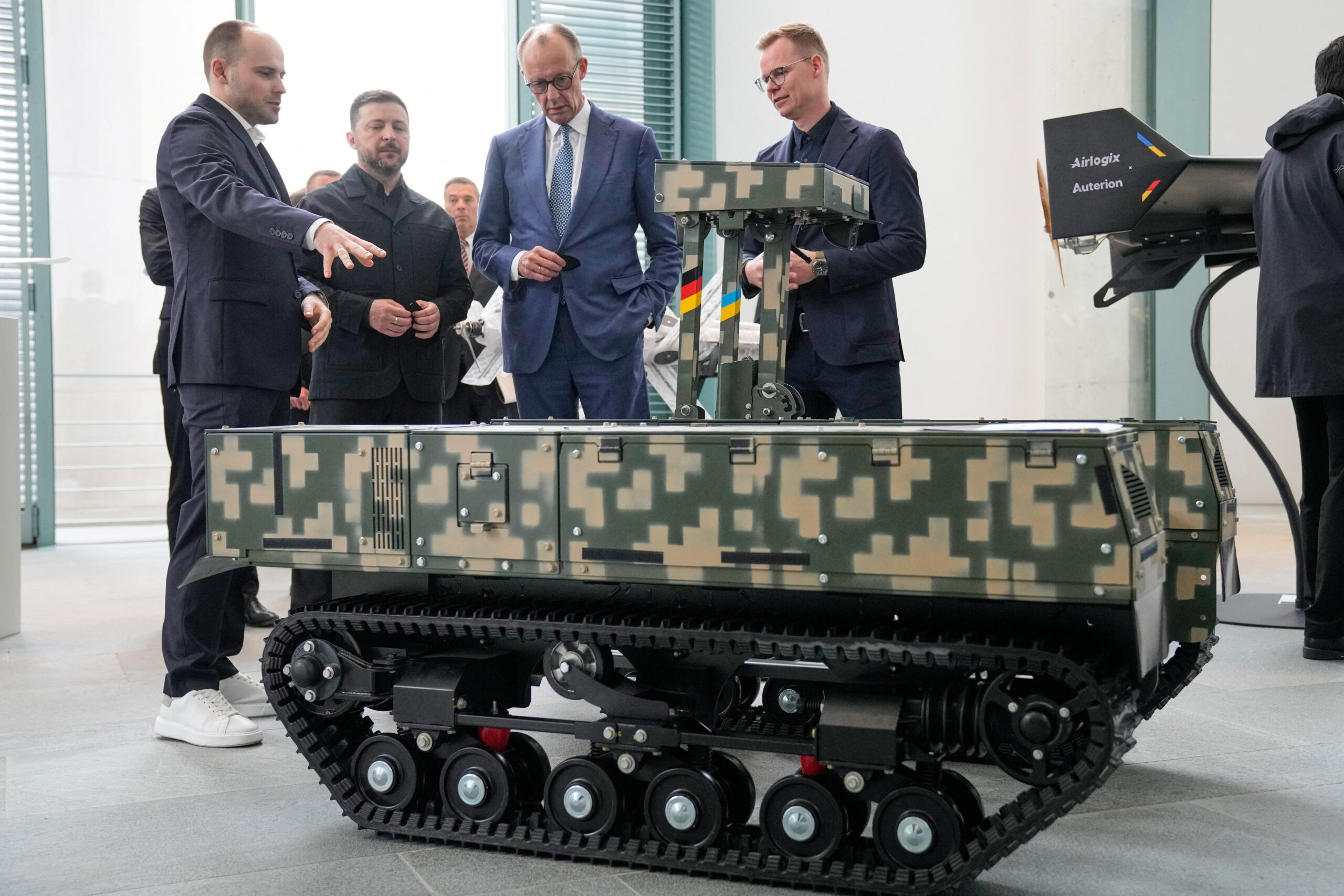
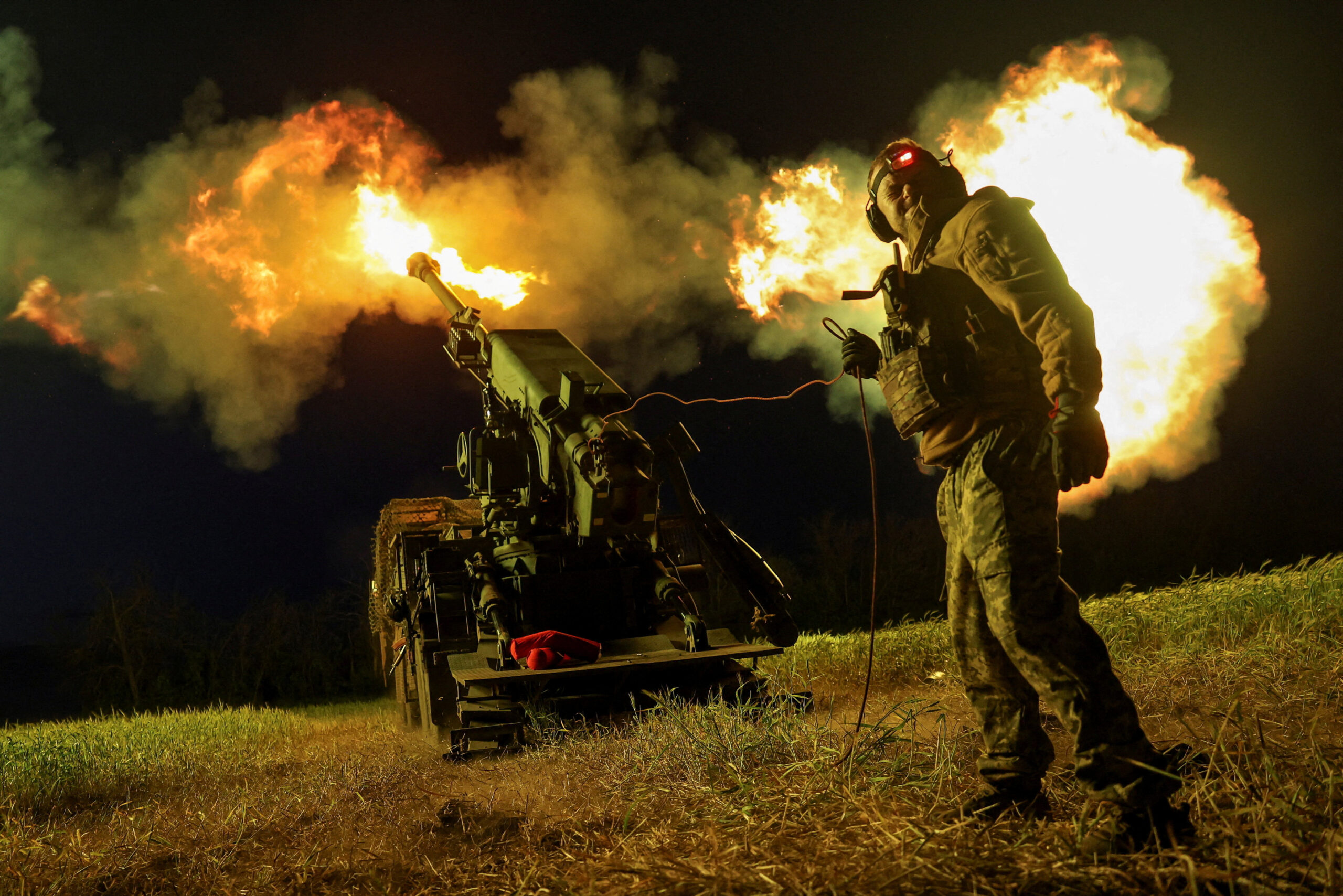
Many forum participants seemed particularly impressed by Ukraine’s long-range strike capabilities and the country’s rapidly expanding defense tech sector. This is not surprising. After all, Ukraine has effectively created a new domestic defense industry since 2022, with 60 percent of all weapons now domestically produced.
At the same time, Ukrainians recognize the limitations of the country’s current capabilities. Many of the weapons systems that have been developed since 2022 still require further refinements. Ukraine also often lacks the ability to mass produce sophisticated weapons or sustain stable military supply chains. These challenges are not always reflected in the positive assessments that are becoming commonplace among Kyiv’s European partners.