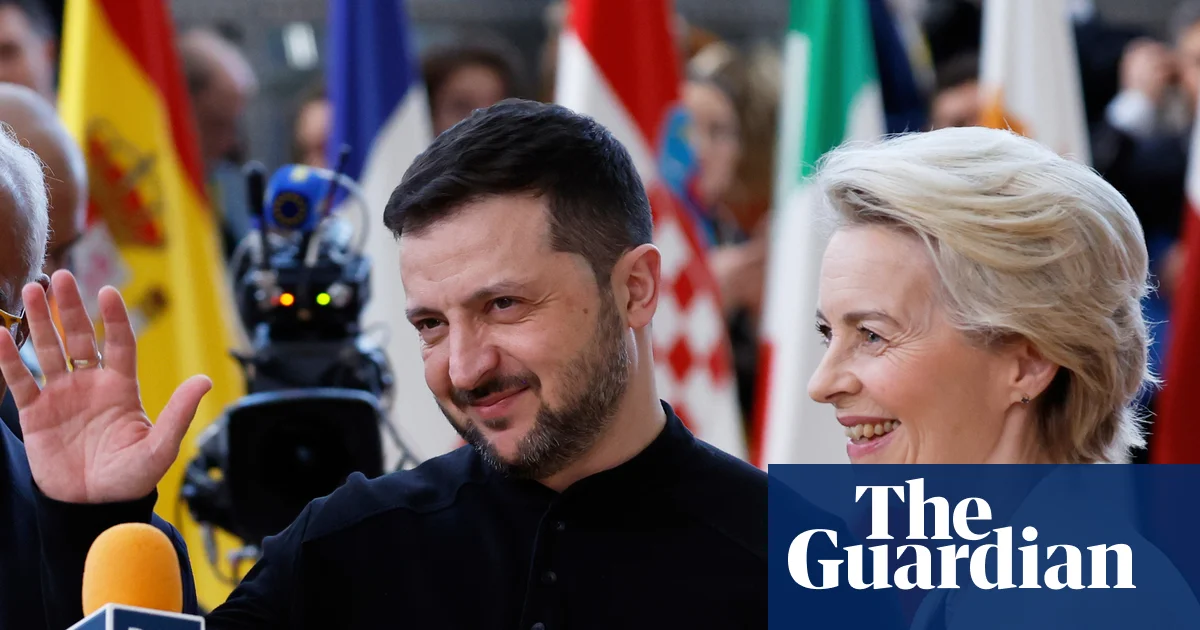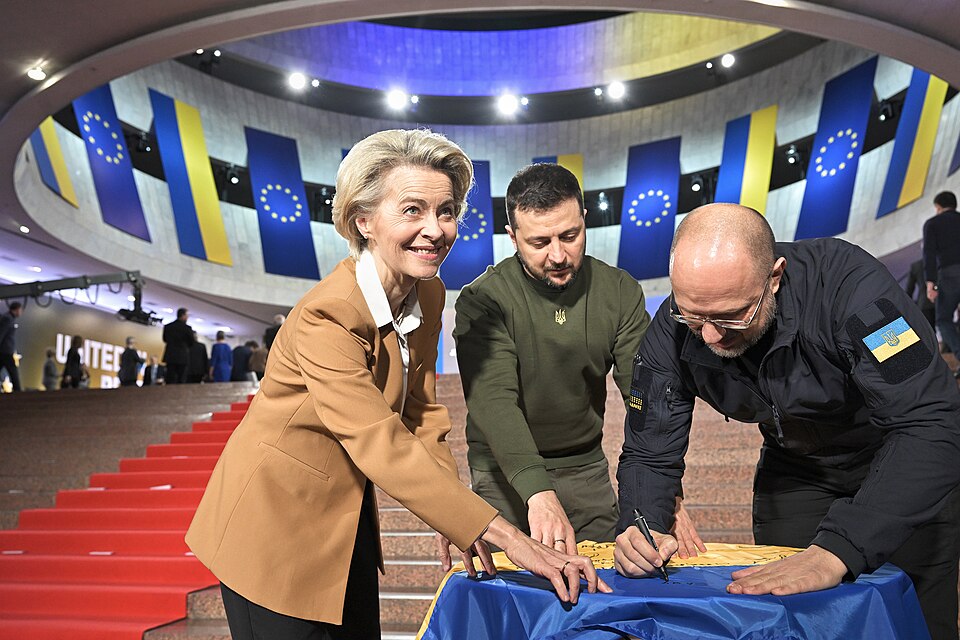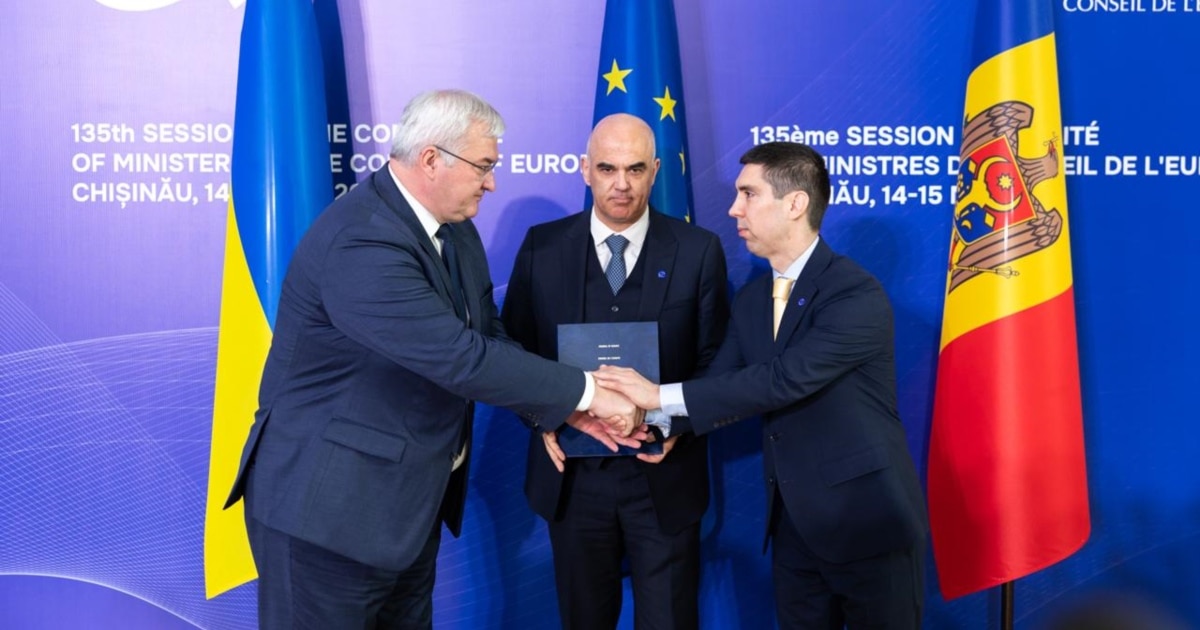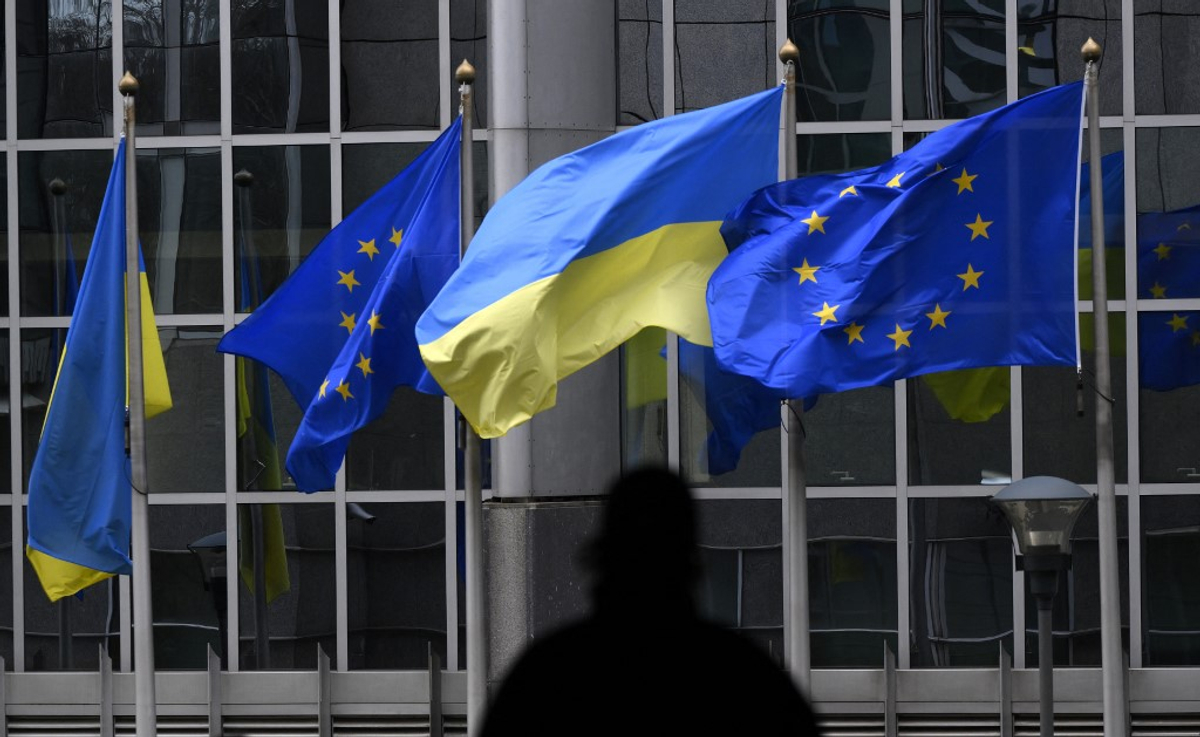
On Friday, June 12, news spread around the world that Ukraine and Moldova had launched the first stage of their EU accession negotiations, a step that required the approval of all member states. Does this mean that the prospect of membership is getting closer? It is certainly good news, but this is also where the hard part begins. Following Orbán’s defeat in Hungary, many expected that the obstacles would disappear. That is a very misleading assumption. Nor is the issue limited to other countries such as Bulgaria, Slovakia, or the ongoing historical and political dispute with Poland.JOIN US ON TELEGRAMFollow our coverage of the war on the @Kyivpost_official. The negotiations that are now beginning mark the start of a long journey toward meeting demanding standards, including some of the most discouraging ones, such as effectively combating corruption. The key factor, however, will ultimately be a political decision: whether existing EU members are willing to accept new states into the Union. During that process, it may turn out that countries currently welcoming Ukraine with open arms in public statements are, in practice, more reluctant to see it join the EU. Under an unfavorable scenario, populist politicians could emerge in Kyiv who would abandon the integration agenda or exploit it for political gain. In the second half of May, Chancellor Friedrich Merz proposed a special EU status for Ukraine, a suggestion initially welcomed by much of the pro-Ukrainian press. Yet such a form of declared rapprochement could ultimately lead not to membership but to a permanent special status – keeping Ukraine close to the EU while permanently outside it.
Ukraine in the EU or Eternal Integration and Sovereigntism?
The real challenge for Ukraine starts after opening EU accession talks.
1,249 words~6 min read