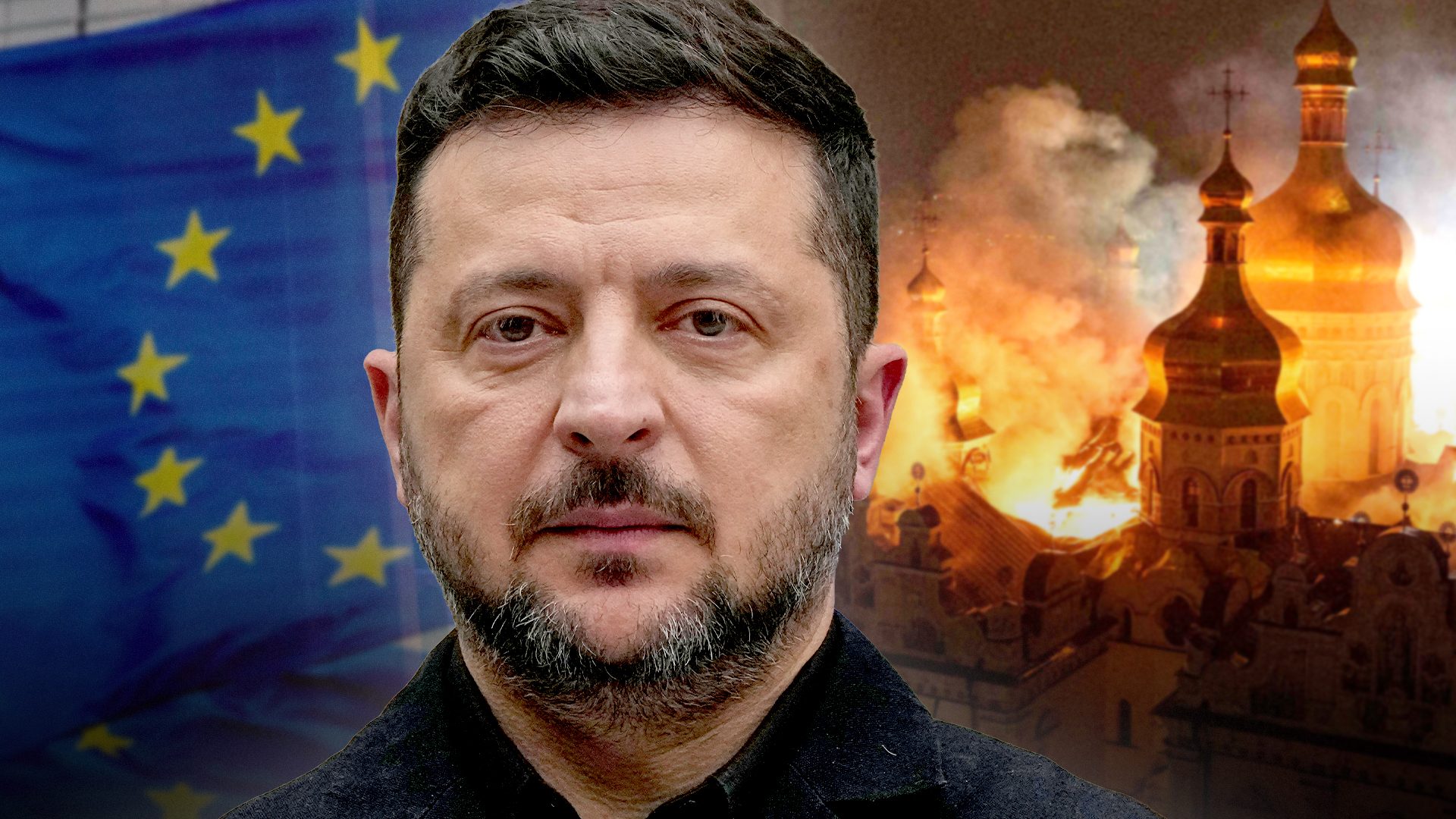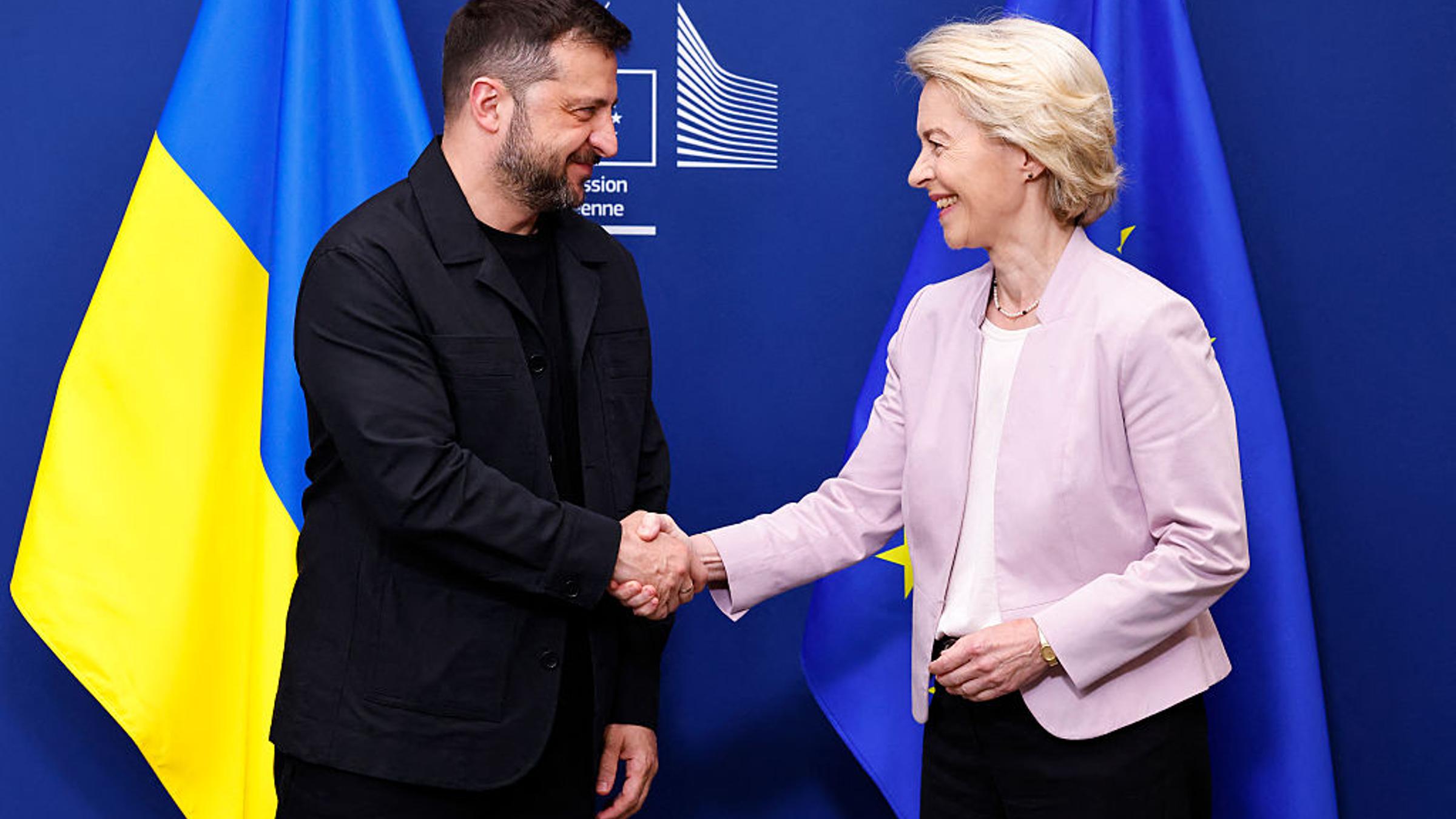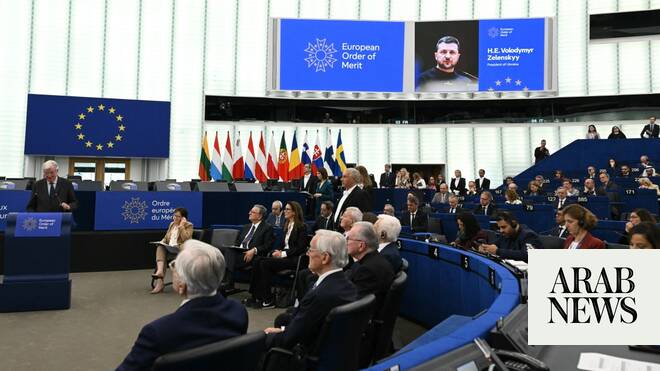
Ukraine officially opened membership talks with the European Union this week in a move hailed by Ukrainian officials as “a Rubicon” moment for the war-torn country. While this is welcome news for Kyiv, it remains unclear how long it could still take to actually join the EU.
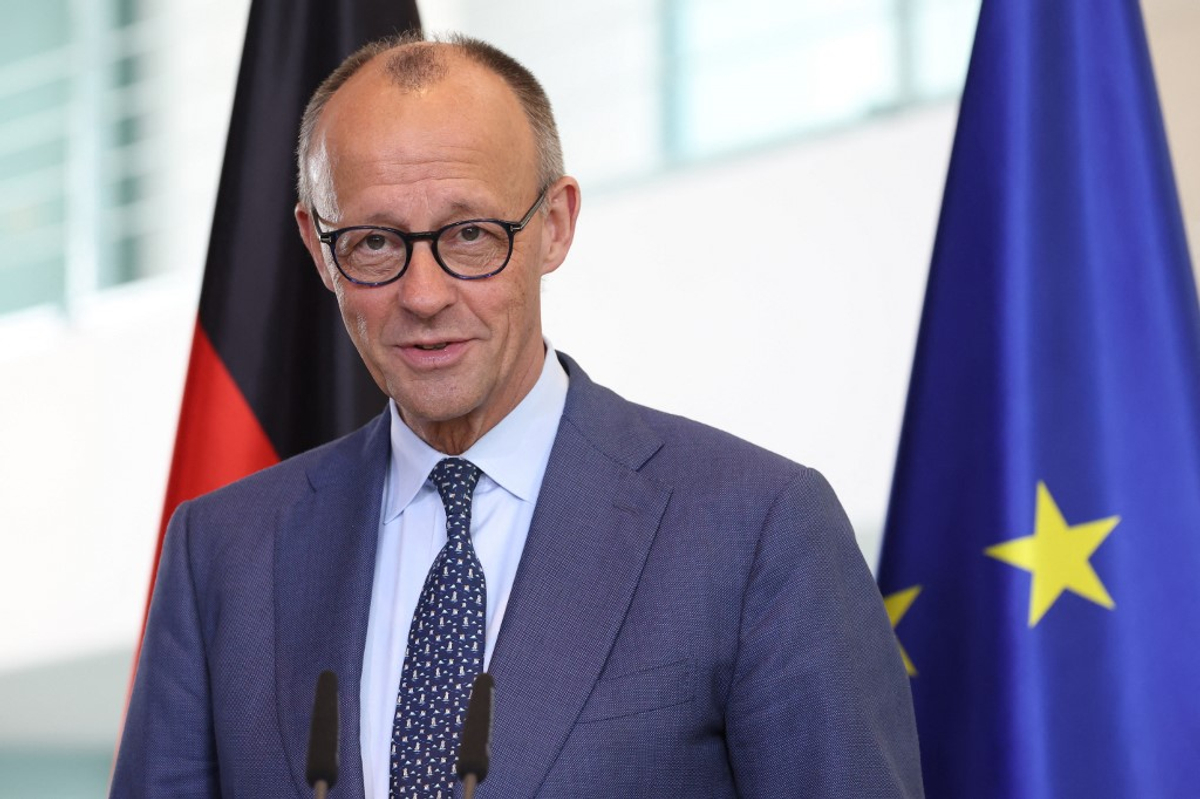
In order to maintain momentum, one potential interim solution suggested recently by German Chancellor Friedrich Merz is so-called associate membership for Ukraine. This would potentially allow for the rapid participation of Ukrainian representatives in various EU institutions without voting rights.
Merz’s proposal has already been dismissed by Ukrainian President Volodymyr Zelenskyy as “unfair.” The idea has also been criticized by a number of Kyiv commentators. Their skeptical response comes as no surprise, given Ukraine’s slow progress toward EU integration in recent decades as a result of continuous European hesitation.
Kyiv first made membership of the European Union an explicit goal in 1998, but did not become an official candidate country until 2022. The consistent gap between rhetoric and results has created lasting distrust throughout Ukrainian society. This no doubt led many to treat the German leader’s suggestion with suspicion.