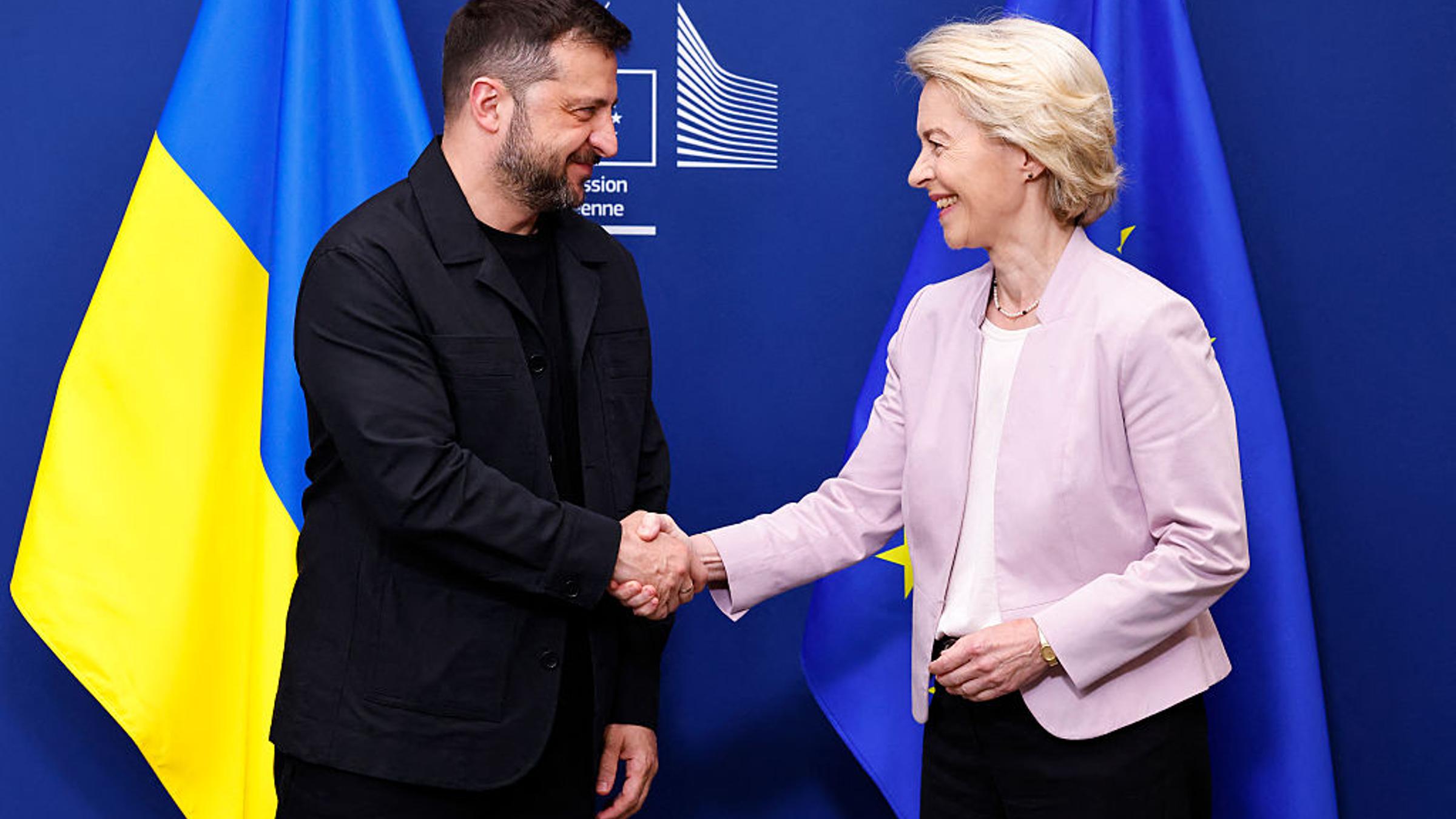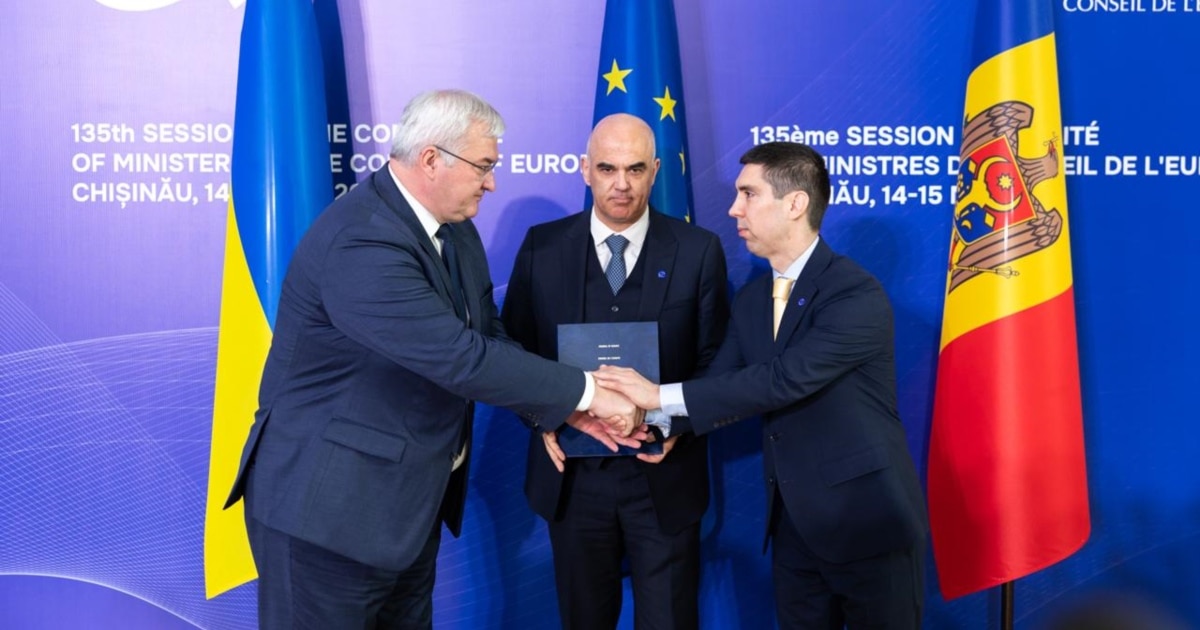
The first set of accession talks with officials from Ukraine and Moldova were opened on Monday (15 June), the European Commission announced triumphantly. The talks are aimed at harmonising the two candidate countries’ legal frameworks with the EU acquis and are a major step towards them joining the EU.
But few expect these negotiations to move quickly.
Instead, the truth is that many EU countries are still deeply ambivalent about more countries joining the bloc.
Many commission officials now accept that Romania and Bulgaria, and several of the other 2004 members, were not ready for accession when they joined. But enlargement, like including Greece and Italy in the first round of euro currency members, was about politics, particularly the accession of the former Soviet bloc countries who have since received tens of billions of euros as part of the EU’s cohesion policy to reduce the economic disparities within the bloc.
The price for that political symbolism has already been paid by Croatia – only allowed to join in 2013 despite being more ready for membership than several of the 2004 and 2007 cohort.