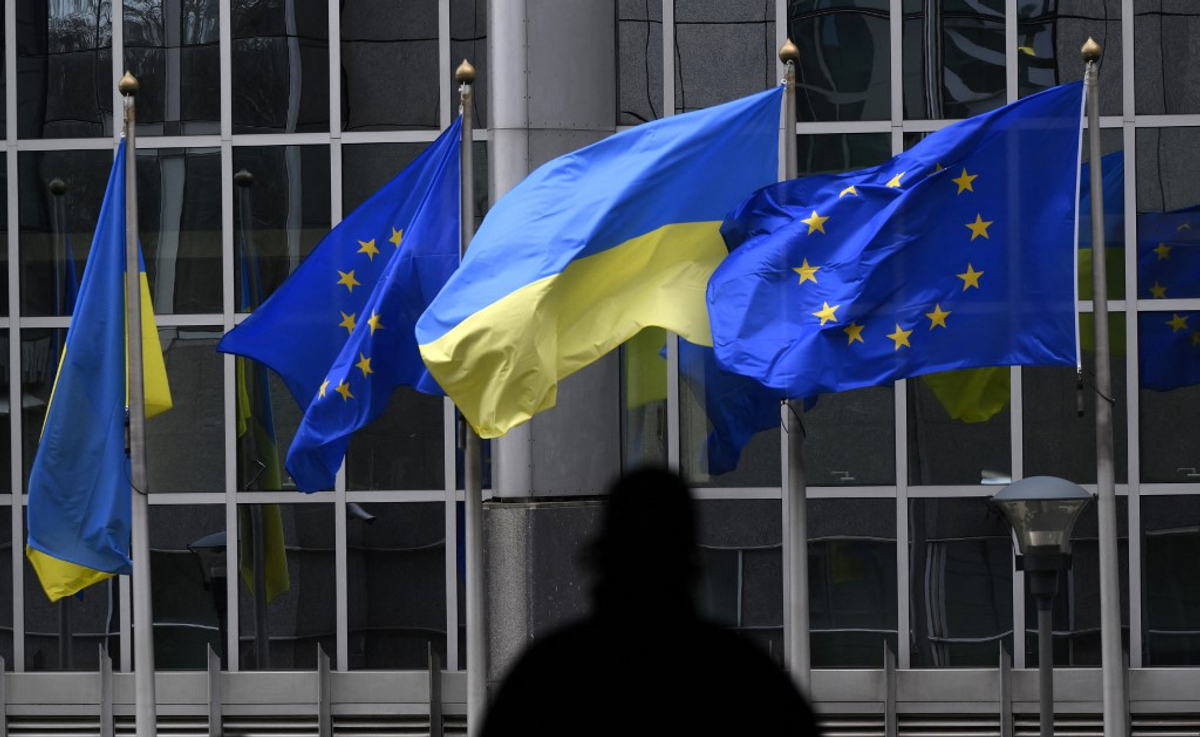
All European Union member states have now agreed to open talks with Ukraine on the first cluster of the EU accession process, Ukrainian Prime Minister Yulia Svyrydenko reported on June 4. This is timely news, with Ukraine’s membership bid expected to be high on the agenda when EU leaders convene in Brussels on June 18 for the European Council summit.
Progress is crucial in order to bring Ukraine in from the grey zone and end the geopolitical uncertainty that is fueling Russia’s ongoing invasion. However, numerous bureaucratic barriers and potential political obstacles remain. It therefore makes good sense for Ukraine and the country’s European partners to adopt a creative approach to accession.
German Chancellor Friedrich Merz clearly had this in mind recently when he proposed associate EU membership for Ukraine as an interim step. Merz’s vision would see Ukraine offered a fast track to institutional access, gradual budget integration, and security guarantees, but would leave Kyiv without voting rights.
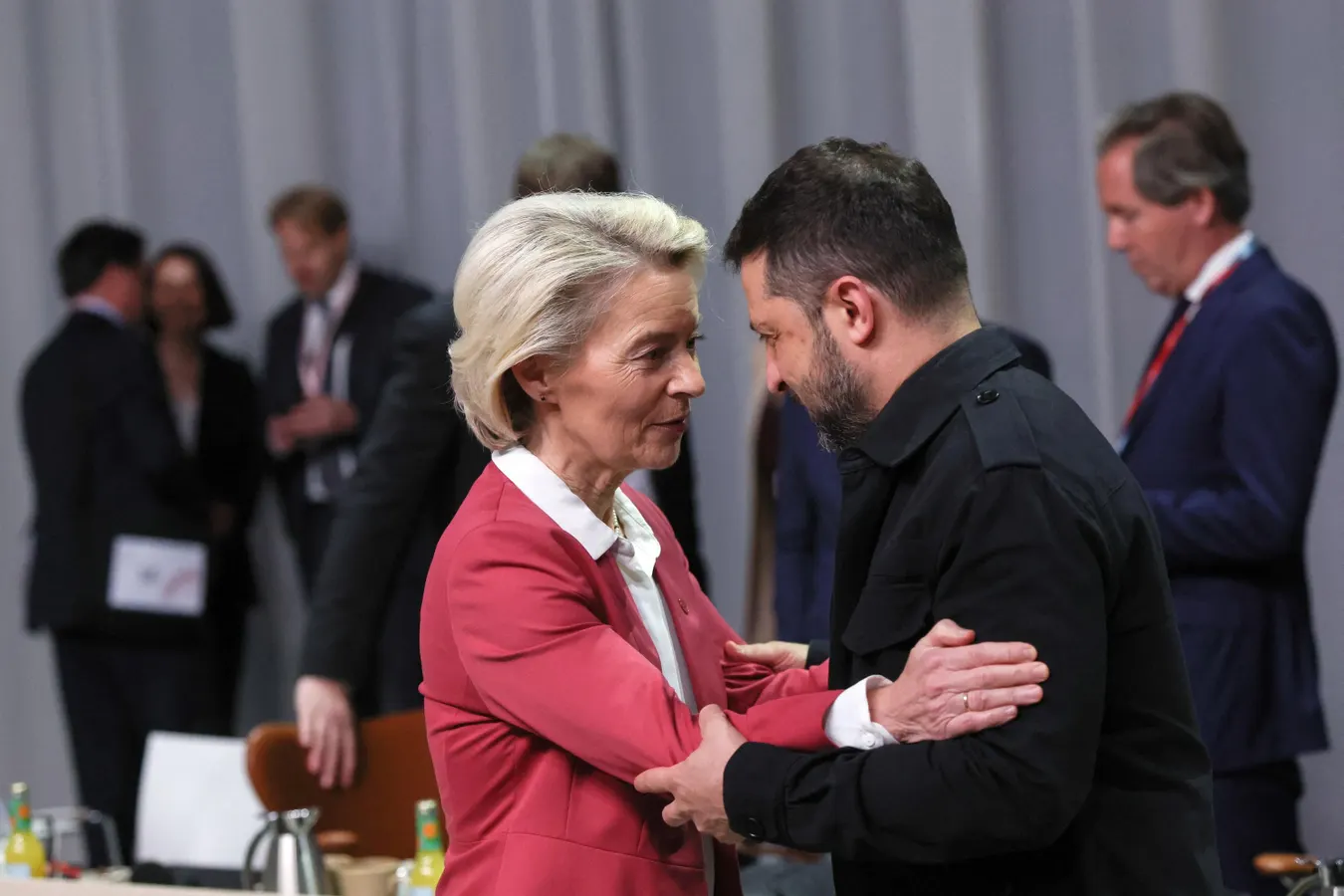
Ukrainian President Volodymyr Zelenskyy quickly rejected the Merz proposal as unfair, insisting that Ukraine deserves full and equal membership. Zelenskyy’s reluctance to accept anything less than full membership is understandable, given the incredible sacrifices his country has made in pursuit of its European aspirations. However, the Ukrainian leader’s rapid rejection of EU associate member status is politically short-sighted.