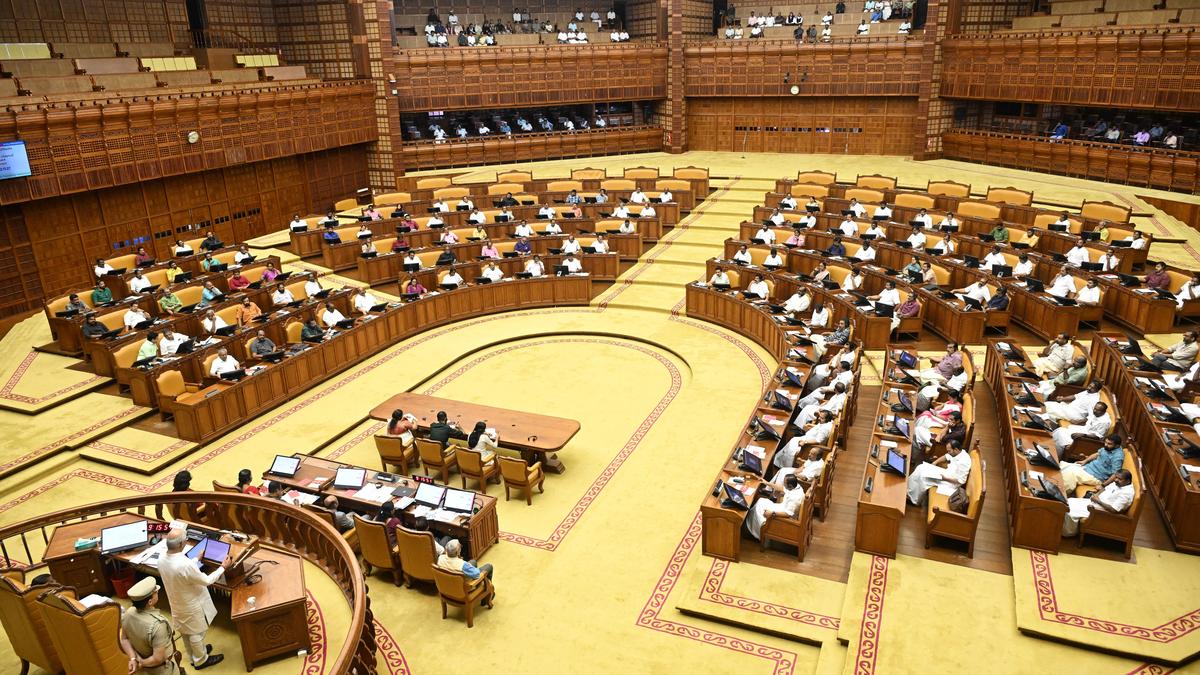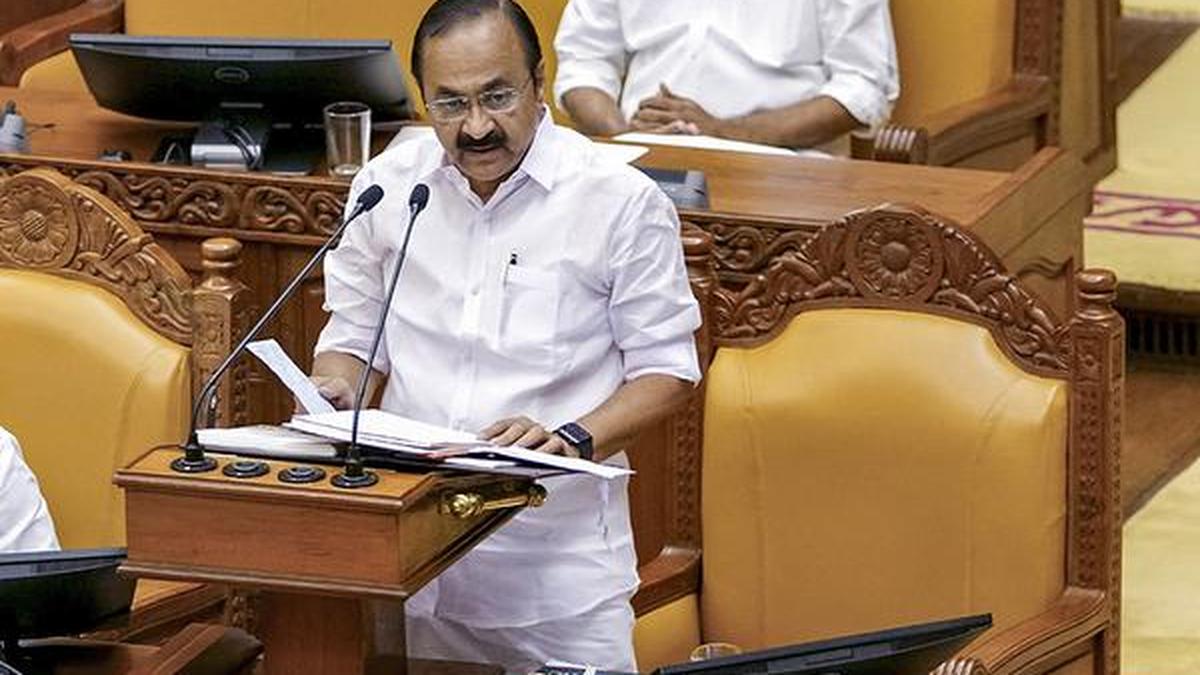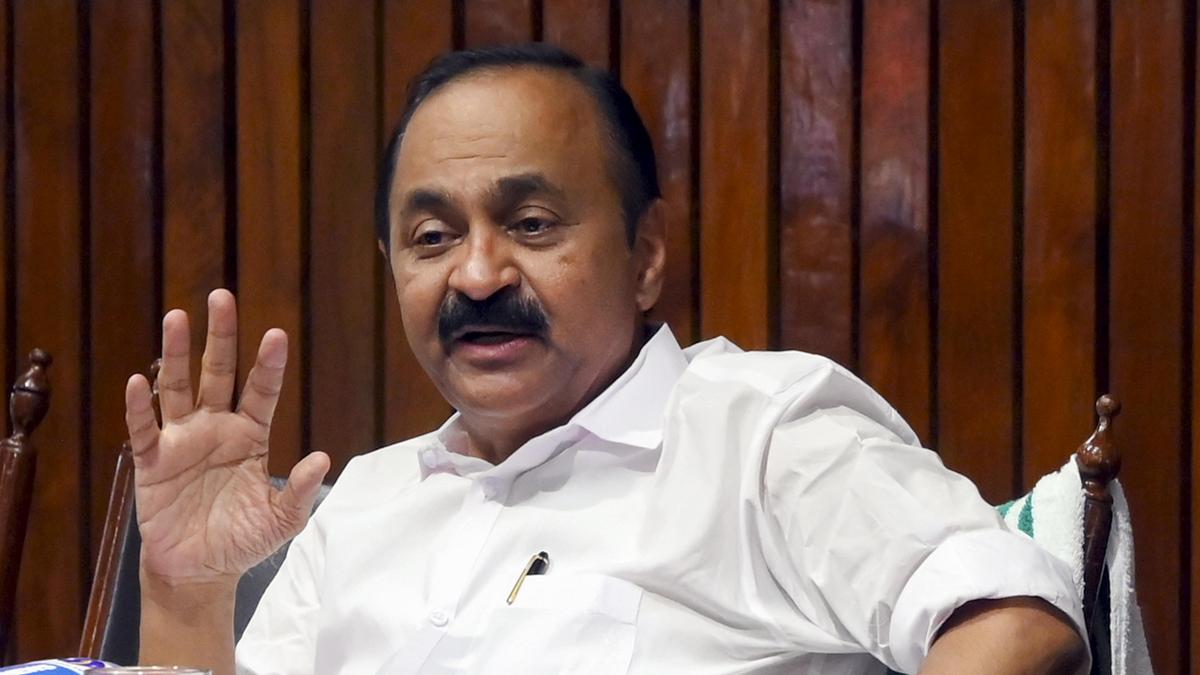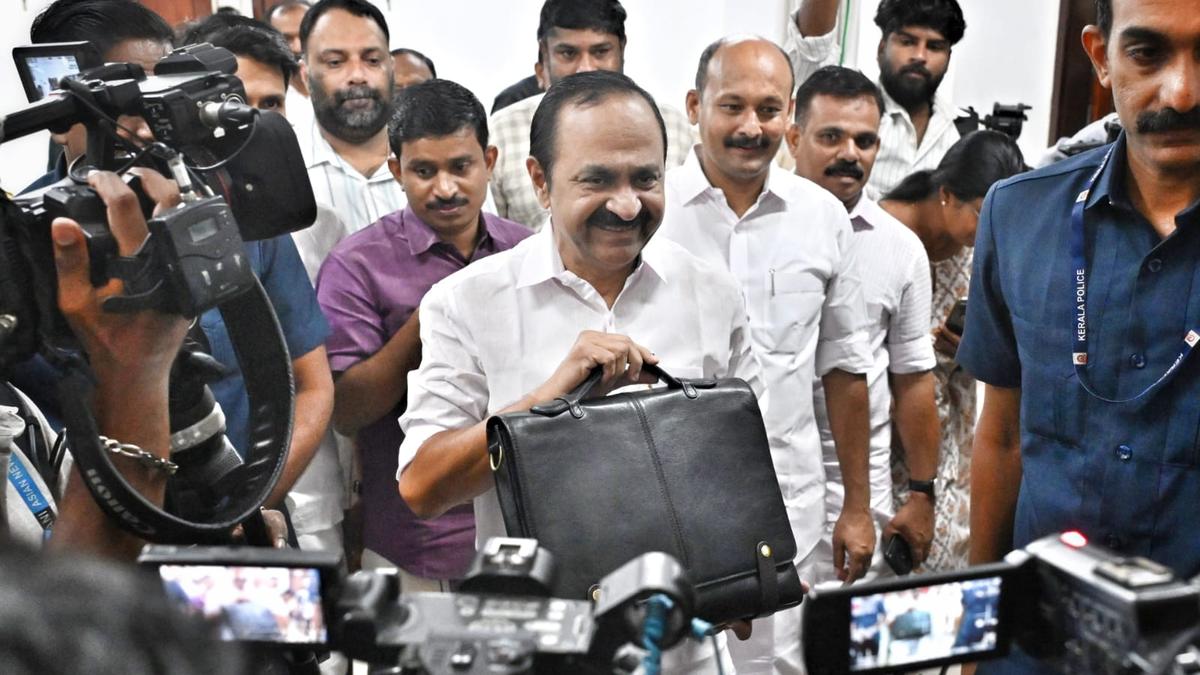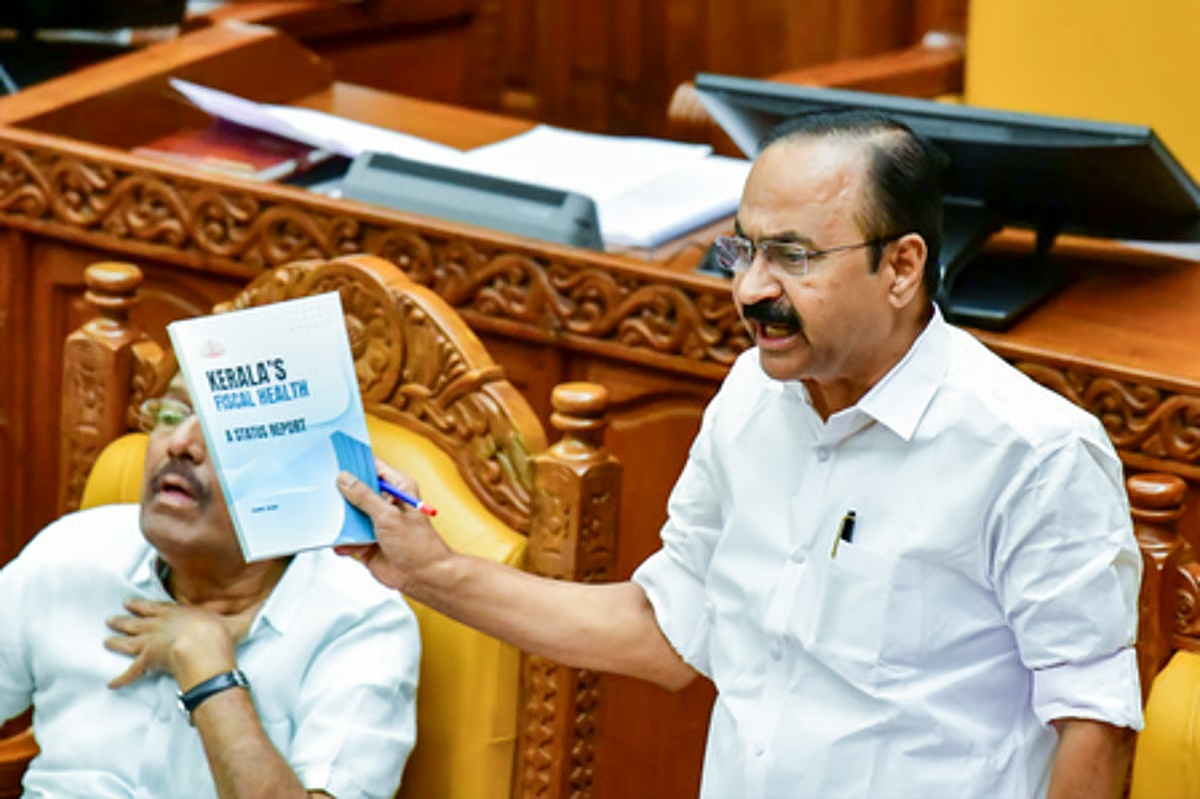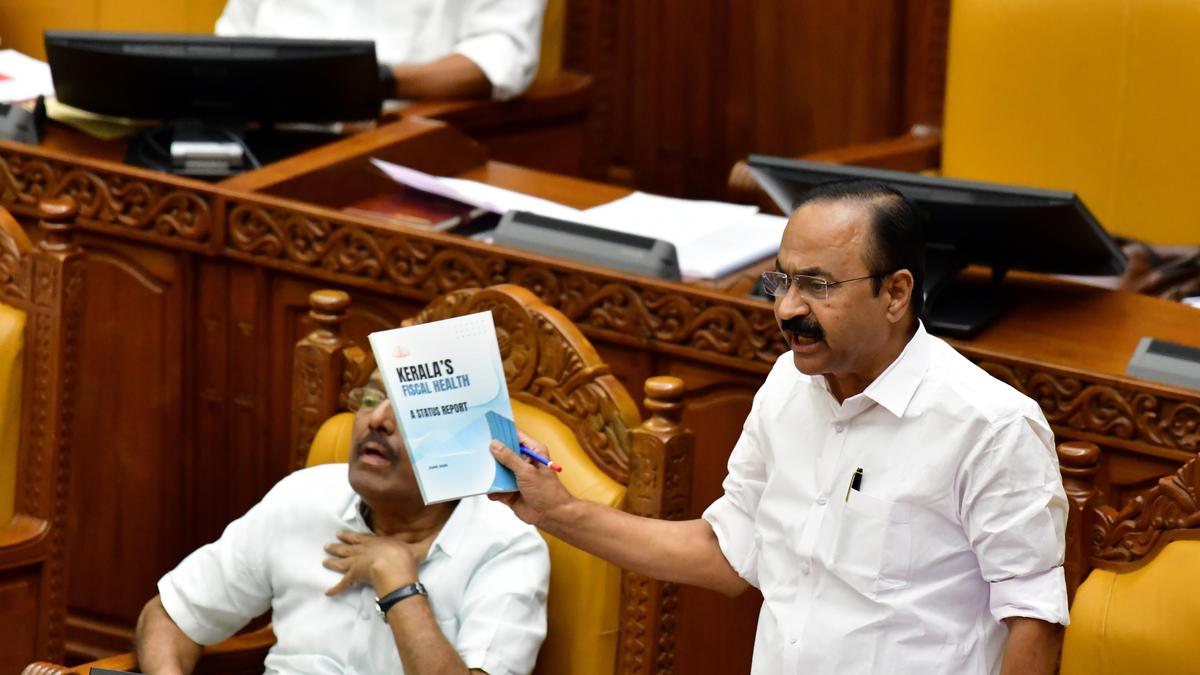
On June 4, barely two weeks after assuming office, Kerala’s Congress-led government presented a White Paper on the State’s fiscal health in the Legislative Assembly. According to the document, “The people of Kerala voted not merely for change—they voted for a future” (p. 31). Ten years ago, the people of Kerala were equally emphatic in electing the Left Democratic Front (LDF) to power, and that too for two consecutive terms.Although the White Paper is commendably non-partisan, it does not engage with the larger question of Kerala’s future, which is what the State urgently needs. Instead, it adopts a reductionist approach, focusing primarily on fiscal indicators. It is ‘to identify priority reform areas and provide a framework for the new government’s five-year fiscal roadmap’. In fact, what is immediately needed is fiscal rehabilitation as a prerequisite for sustainable and inclusive development, which are conspicuously missing in the development narrative of recent times.Without drawing invidious comparisons with the White Paper presented in June 2016, it is worth recalling the optimism expressed by the then Finance Minister, Dr. Thomas Isaac who envisioned greater fiscal consolidation, enhanced social security for the poor, and a significant increase in capital expenditure. Today, Kerala appears far removed from those aspirations. What the State now requires is not defenders of ideological faith, but practitioners of wisdom. This article critically examines some of the key findings of the present White Paper.Liquidity crisisFrom a short-term perspective, Kerala faces a liquidity crisis arising from a mismatch between cash inflows and outflows. In recent years, cash balances have repeatedly fallen below the minimum required level of ₹1.66 lakh crore. However, this is no ordinary liquidity problem. Left unattended, this can snowball into a full-fledged development crisis, accompanied by a steady deterioration in the quality of essential public services. The poor, particularly marginalized communities, are likely to bear the brunt of such a crisis. This was precisely what happened.During the period 2011–16, Kerala experienced only six days of overdraft (the state has to pay penal rates of 2 to 5 per cent above RBI’s repo rate) and 37 days of Ways and Means Advances (WMA) which also attracts penal rate but at a lower level. In contrast, during the past five years from 2022-2026, the State resorted to WMA for 696 days and overdrafts for 178 days. Looking back the previous regime was probably “more sinned against than sinning.” The increased dependence on RBI borrowings must also be viewed in the context of payment arrears amounting to ₹48,733 crore. These include highly sensitive items such as scholarships for SC/ST students, payments under the mid-day meal scheme, and transfers to local governments. Added to this are KIIFB repayment liabilities of around ₹21,000 crore.Capex worriesPerhaps the most telling indicator of Kerala’s fiscal malaise is that in 2025–26 only 40 per cent of the fiscal deficit financed capital expenditure, compared to an all-India average of 93 per cent. This suggests that Kerala’s fiscal stress is no longer merely a cash-flow problem but a deeper developmental concern. The pandemic tapering of revenue deficit grants and the cessation of GST compensation have surely aggravated the situation.It is therefore unsurprising that Kerala’s capital expenditure as a share of GSDP declined from 1.48 per cent in 2015–16 to 1.30 per cent in 2025–26, while the all-state average increased from 3.08 per cent to 3.20 per cent over the same period. Not only has capital expenditure declined, but its effectiveness has also been undermined by the persistent practice of expenditure bunching during the closing weeks of March, the fiscal year end. Successive governments, irrespective of political affiliation, have tolerated this less known leakage. Cash-flow pressures are often managed through heavy end-of-month borrowings rather than through systemic reforms.Another issue on which both major political fronts appear to share a tacit consensus is the tendency to inflate revenue estimates to reduce the deficit parameters. This raises an important question: will the Chief Minister-cum-Finance Minister restore credibility to the State’s budgeting process? Ultimately, Kerala’s fiscal challenges run much deeper than partisan exchanges between the UDF and the LDF.Remittances factorBefore turning to some of the specific recommendations of the White Paper, it is necessary to underline a major political failure spanning several decades: the inability to harness Kerala’s enormous inflow of remittances for productive economic transformation. While religious and cultural organizations have successfully utilized remittance resources, successive governments have failed to channel them into productive investment.Kerala continues to depend heavily on imports from other states even for tooth-picks, ear buds, instrument boxes and laboratory equipments for schools and consumables for hospitals not speak of the huge construction materials. Based on the growing consumerist demand some fiscal pundits expected that the introduction of GST in 2017 would generate a revenue windfall for Kerala, which was misplaced. Based on GST transaction data for 2019–20, economist Sushil Khanna (2020) estimated Kerala’s trade deficit at nearly ₹1 trillion. This represents a monumental economic and political failure.None of the twelve recommendations proposed in the White Paper is entirely new. We take up only three.The first concerns the Kerala Infrastructure Investment Fund Board (KIIFB). Established as a special-purpose vehicle to mobilize relatively inexpensive resources for infrastructure development under FRBM constraints, KIIFB has accumulated liabilities of nearly ₹56,000 crore. The White Paper’s recommendations for reform are therefore timely. At the same time, KIIFB has built considerable institutional capacity that should not be squandered. It would be prudent to integrate it more closely with the State Planning Board while preserving its strengths. The finding of the white paper that neither the Plan of the State (especially when we are told that actual plan expenditure exceeded plan outlay in most years) nor the KIIFB have spent much for the infrastructure needs of the marginalised communities, one looks askance at the continued rhetoric of inclusive development by the two Fronts.PSU reformThe second issue relates to Public Sector Enterprises (PSEs). The case for an expanded public sector can be justified on grounds of efficiency, equity, strategic control, and improved public services. However, expanding PSEs primarily to accommodate political interests is an entirely different matter. Whether it is the profit-making Beverages Corporation or the loss-making Cashew Corporation, political logic often appears to override economic reasoning. With public investment in PSEs approaching 8 per cent of GSDP and losses per employee rising from ₹1.35 lakh in 2021–22 to ₹1.54 lakh in 2024–25, serious questions arise about sustainability.Similarly, while the Kochi Metro reportedly incurs monthly losses of around ₹35 crore, proposals for additional metro projects in Thiruvananthapuram and Kozhikode remain under active consideration. Increasingly, efficiency, quality, and merit appear to be secondary considerations. Whether in the appointment of Vice-Chancellors, teachers, doctors, (even if one leaves surgical instruments in the patients, stomach the system will come to your rescue) heads of PSEs, or members of Planning Boards, merit must become the guiding principle if Kerala is to strengthen its developmental governance.The third issue much repeated in the working paper concerns committed expenditure. The paper repeatedly draws attention to the growing burden of salaries, pensions, and interest payments. Such expenditures undoubtedly require correction if fiscal sustainability is to be restored. Kerala’s developmental achievements have inevitably increased maintenance costs, which continue to rise, a factor this author highlighted as far back as the 1980s. Also, Kerala’s unique demographic and social attainments do not fit easily into the template of centrally sponsored schemes. Neither successive Union governments nor Finance Commissions have adequately recognized these realities.In 2025–26, salaries and pensions alone absorbed more than 87 per cent of Kerala’s own tax revenue. That the powerful unions successfully wove into the service structure not only vertical promotions but horizontal promotions is not noticed. The five-year pay commissions and the associated anomaly commissions consume substantial administrative resources. The White Paper’s proposal for a ten-year pay commission therefore deserves serious consideration. Likewise, the suggestion to raise the retirement age merits careful examination. The pension system of Kerala needs radical reforms.To conclude, public money must be spent with wisdom, prudence, and propriety. Kerala’s fiscal challenges demand more than temporary adjustments. Unless such reforms are undertaken, the costs of fiscal distress will be borne disproportionately by the unemployed, non-pensionable elderly citizens, fisherfolk, SC/ST communities and poor in general.The writer is Honorary Fellow, Centre for Development Studies, ThiruvananthapuramPublished on June 18, 2026
Key takeaways from Kerala’s White Paper on finances
Reforming the KIIB, PSUs and the pension system needs serious consideration to ensure that public money is spent on welfare
1,372 words~6 min read