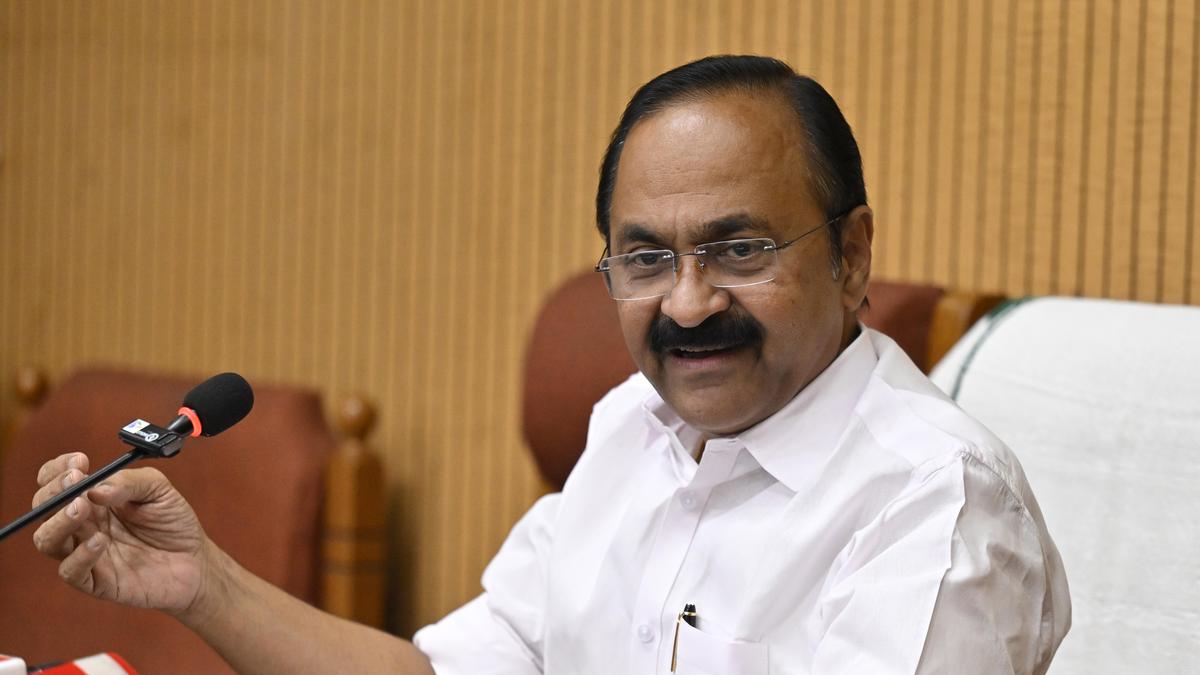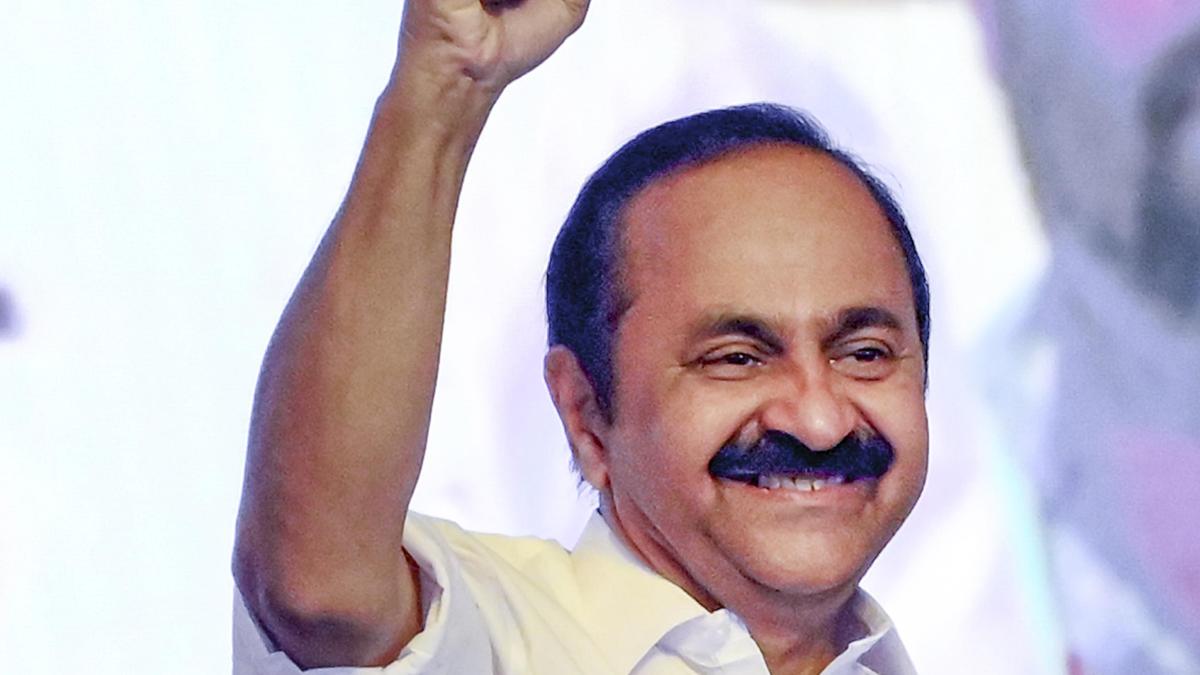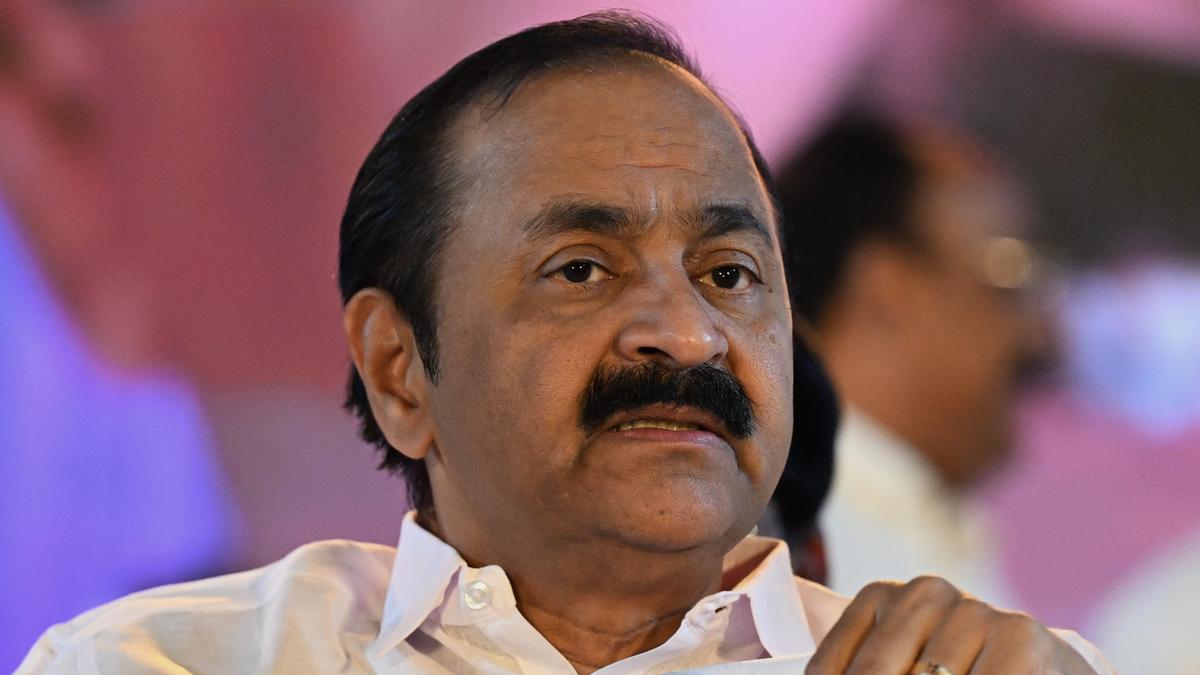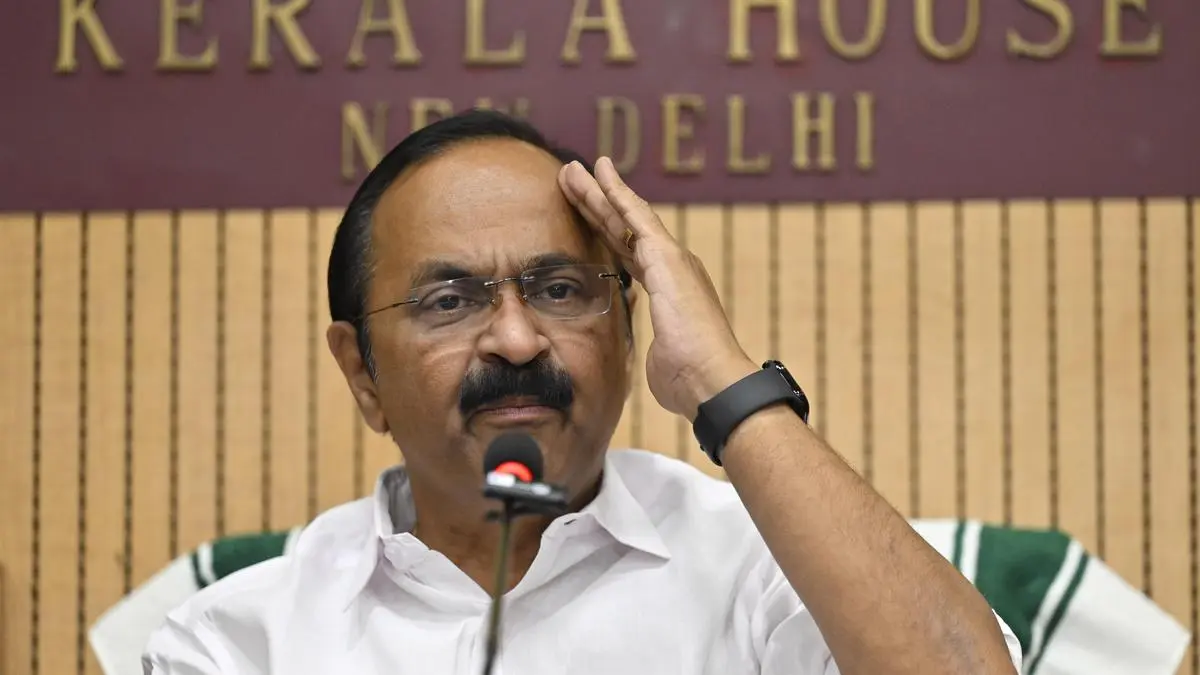
Kerala Chief Minister VD Satheesan
| Photo Credit:
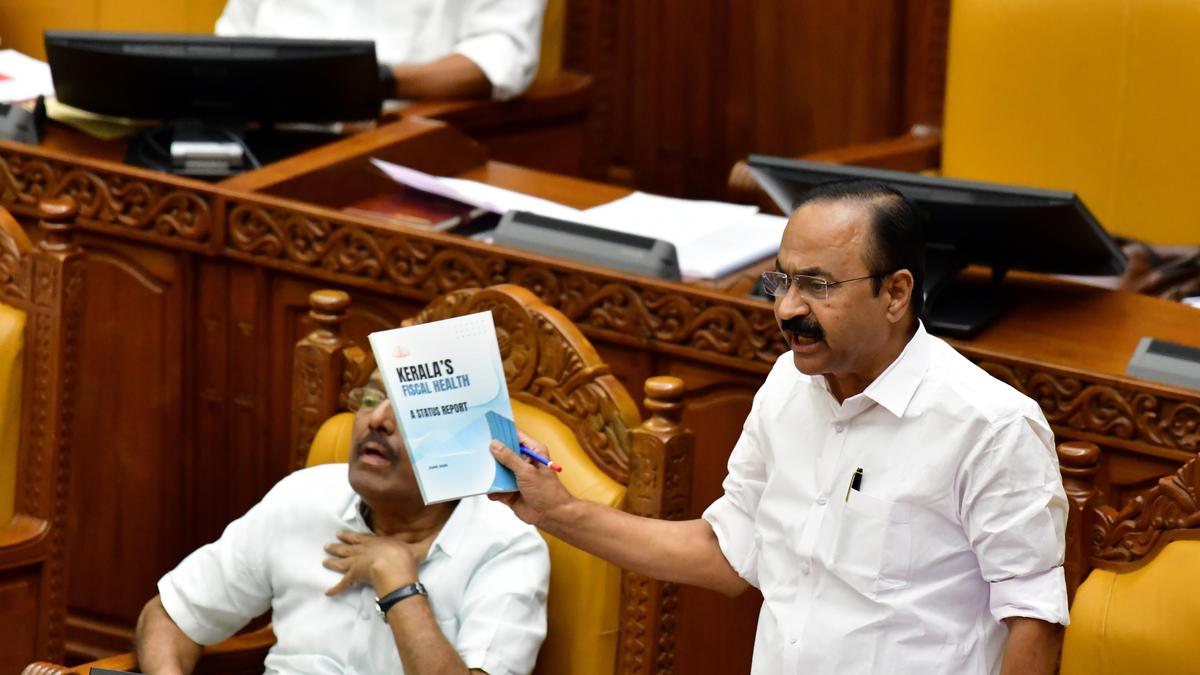
Kerala Chief Minister VD Satheesan on Thursday tabled a White Paper that calls for a radical overhaul of the revenue and spending model. The report, Kerala’s Fiscal Health: A Status Report, advocates difficult reforms, including changes affecting government employees, likely setting the stage for a bruising political battle with the Opposition.The report said new government inherits a mountain of unpaid obligations accumulated over the years by way of expenditure already incurred, legally due, but yet to be paid. These include ₹21,670 crore in DA arrears; ₹14,387 crore in DR arrears; and ₹3,431 crore owed to banks and contractors through bill-discounting arrangements.Fiscal pressuresAlong with other deferred liabilities, the total outstanding burden stands at no less than ₹48,733 crore, according to Finance Department data. This is almost equivalent to Kerala’s entire annual net borrowing programme, signalling the extent to which fiscal pressures have been pushed into the future.The White Paper wades into politically treacherous territory by reopening the debate on retirement age of government employees. Citing rising life expectancy and value of experienced personnel, it suggests raising the retirement age to level followed by the Centre, which could trigger fierce resistance from employee unions.Huge savingsEach additional year in the retirement age would save an estimated ₹6,000 crore in retirement-related payouts, the report says. It also proposes reducing the frequency of pay revisions by shifting to a 10-year pay commission cycle, in line with the Centre. Taken together, the recommendations strike at some of the most sensitive elements of Kerala’s public-sector compensation structure in the name of fiscal sustainability.Local governmentsThe White Paper signals a shift from a state-centric development model towards one that relies more heavily on empowered local governments, private capital and market-based financing. It argues that local bodies must evolve from service providers into active promoters of industrial growth and employment generation.Since local body bonds do not count towards the state’s formal borrowing limits, the White Paper proposes enabling panchayats and municipalities to access capital markets for infrastructure projects. Such a move could unlock fresh investment while easing pressure on the state’s strained balance sheet.Power sector reformsThe report also challenges long-held orthodoxies in the power sector, contending that Kerala’s aspirations in high-growth and technology-intensive industries will require substantial new investments in electricity generation and distribution. To achieve this, it advocates opening the sector further to private participation.Tracing the roots of Kerala’s fiscal distress, the White Paper points to what it calls an unprecedented experiment in off-budget financing: the transformation of Kerala Infrastructure Investment Fund Board (KIIFB) into a borrowing powerhouse operating beyond the State’s normal fiscal architecture.KIIFB ‘governance’Created to bypass borrowing limits and accelerate infrastructure spending, KIIFB gradually assumed many of the functions of a fiscal authority by raising debt, funding projects and accumulating repayment obligations on a massive scale. The result was the emergence of a “parallel government” in public finance, with substantial spending power but without the revenue base, legislative scrutiny and fiscal discipline.Unmet liabilityWhile the model enabled a rapid expansion of infrastructure investment, it also obscured the true extent of the state’s liabilities and shifted significant financial obligations outside the conventional budget process. KIIFB has an unmet loan liability of around ₹ 21,000 crore whose repayment will fall on the State and projects costing around ₹35,000 crore still to be funded. Its cost of raising funds is about 1 to 1.5 percentage points higher than that of the State. Off-budget borrowingKIIFB was conceptualised initially to raise funds outside the budget. This role cannot be performed anymore because off-budget borrowing is now included within the state’s permissible borrowing limit; hence, no additional borrowing will be available. State borrowing is 1-1.5% below the rate at which KIIFB borrows; hence, the state will lose if KIIFB borrowing is allowed.Performance auditKIIFB must be brought under the budgetary control of the concerned administrative departments and the Finance Department. It should also be subjected to a Performance Audit by the C&AG immediately. It would be prudent for the government to take an early call on the future of KIIFB, keeping in mind also the legal status of bonds issued and possible impact on status of funds raised on the strength of direct budget flows. Public Sector Enterprises have been a constant drain on the resources of the state, the White Paper said. Like KIIFB, KSEBL too has been violating the cardinal principle that all revenues of the state should flow to the Consolidated Fund by withholding electricity duty collected from the consumers during the last three decades. Published on June 4, 2026