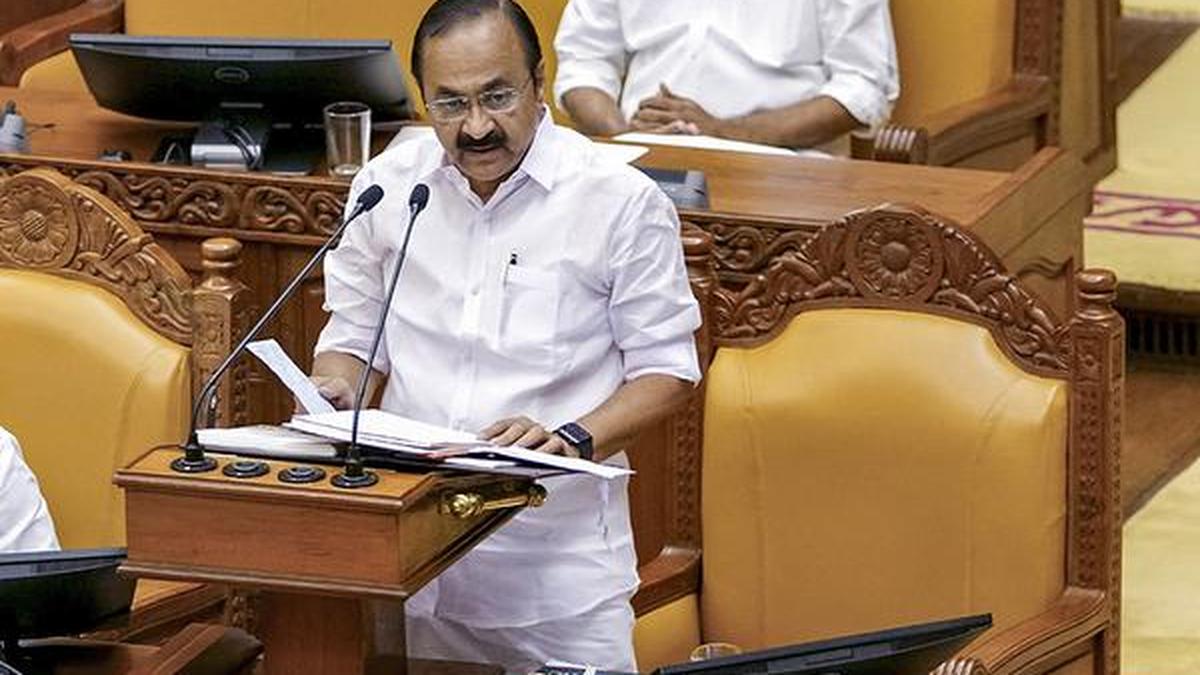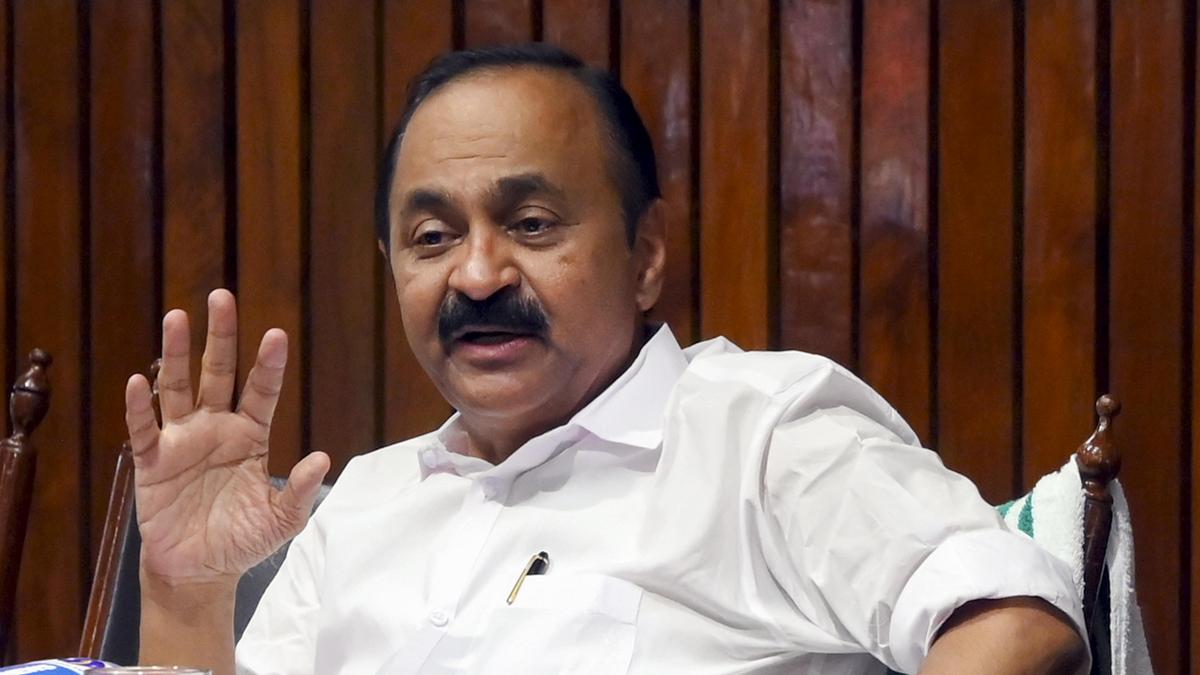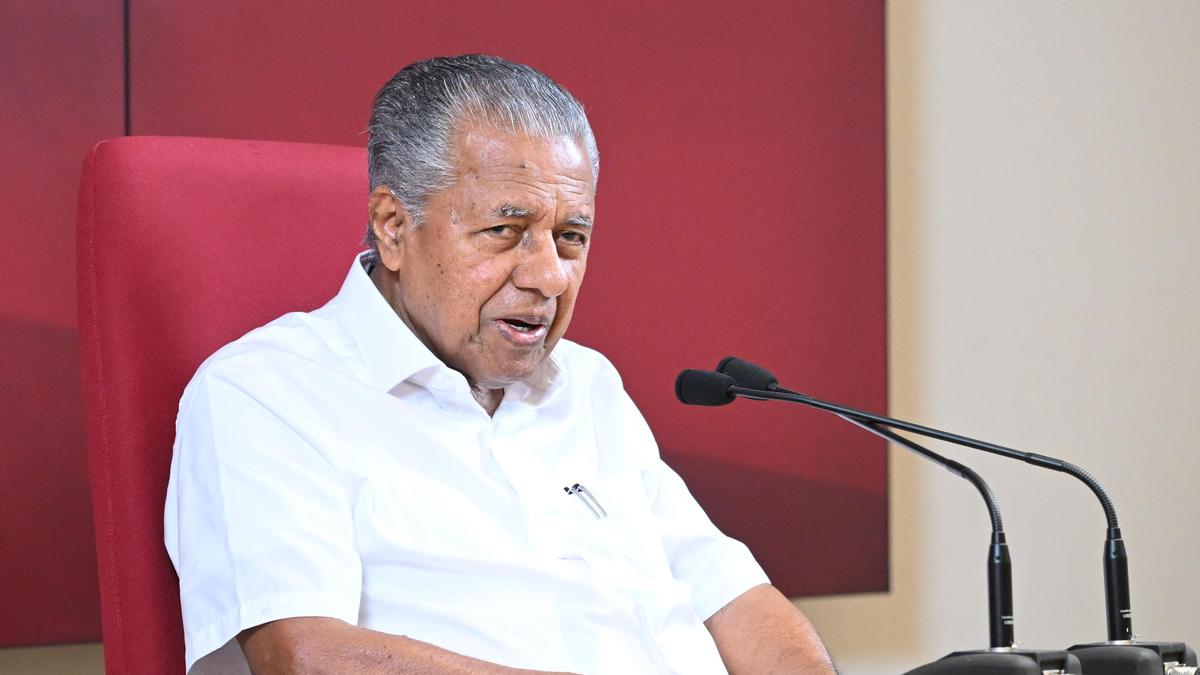
After a decade-long rule by the LDF, Keralites have voted in the UDF with a hug majority; it is therefore reasonable to assume that the voters would want a fundamental shift in economic policies. While one cannot expect much from the current Budget, particularly when the total Budget size has been reduced, with no concrete plans for resource mobilisation, the UDF government has departed significantly from its position as detailed in the White Paper published a few weeks earlier.While the White Paper cited the multiple challenges faced by the government, including fiscal stress, lower remittances, and inflation, the Budget contains no meaningful measures to address these issues. No specific revenue sources are mentioned to finance infrastructure investment, which was predominantly carried out through KIIFB earlier. This Budget criticises KIIFB and has constituted an expert committee to revamp it. Vehicle taxes have been reduced, which constituted a major share of KIIFB’s revenue. In effect, the Budget has crushed KIIFB, while proposing additional infrastructure initiatives funded by the exchequer. How efficiently this could be done by a resource-scarce State remains to be seen.The measures envisaged as part of ‘land reforms 2.0’, including reviewing fair value, will have far-reaching consequences. This could be seen as a serious initiative by the State to attract private investment, where land availability would be a key factor. However, this cannot be viewed as a transparent approach as V.D. Satheesan’s assertion – that the State would remain a facilitator rather than an active participant in the economy – reveals the true nature of the UDF government.The second round of land reforms is aimed at the pooling of land, first to form a land bank, and then turning the State into a destination point for private capital. But, when one links this with the larger Mission Samudra and rare earth corridors, it is not unreasonable to fear a creeping enclosure by corporate capital wherein livelihood and eco concerns are marginalised.It is the federal government’s neglect of Kerala’s interests that was responsible for the more than ₹20,000-crore shortfall in the Budget presented by the LDF’s K.N. Balagopal. Rather than challenging the Centre’s attitude on federal relations, the current Finance Minister struggles to find a realistic resource base to fund his promises. As promised in the manifesto, a health insurance of ₹25 lakh per family has been announced. The premium the government needs to pay for the programme could be as high as the State’s annual health Budget. Whether this will affect the public health networks in the State remains to be seen.The Budget offers no new direction for future development, apart from some regular announcements, and the rehashing of LDF projects. It seems to manage the fiscal stress of the State through reduction in government expenditure rather than any innovative steps for resource mobilisation. There seems to be no mention of welfare pensions, or the flagship projects of the former government such as Wayanad Township, eradication of extreme poverty, or the transformative Life Mission. Although the Finance Minister speaks of the Nehruvian legacy, the Budget does not seem to have much room for improvements in the public sector. Rising inflation, now more than the national average, with a predicted tendency to rise further, has not been considered seriously. On resource mobilisation, there is very little in the new Budget, save an amnesty for tax arrears, and this needs to be seen in conjunction with the Oommen Chandy health insurance scheme and the planned scaling up of MSMEs without any realistic resource base. If the State wishes to trigger growth, it will have to borrow funds from sustainable sources, and the UDF position on debt management will need to be brought in line to some degree with the LDF approach to rationalisation of finance strategies.(K. Ravi Raman is an author and political economist who was a member of the State Planning Board) Published - June 19, 2026 11:34 pm IST
Kerala Budget: Projects abound, funds go missing
Kerala's Budget faces criticism for reduced size, lack of resource plans, and insufficient measures to address fiscal challenges.
649 words~3 min read