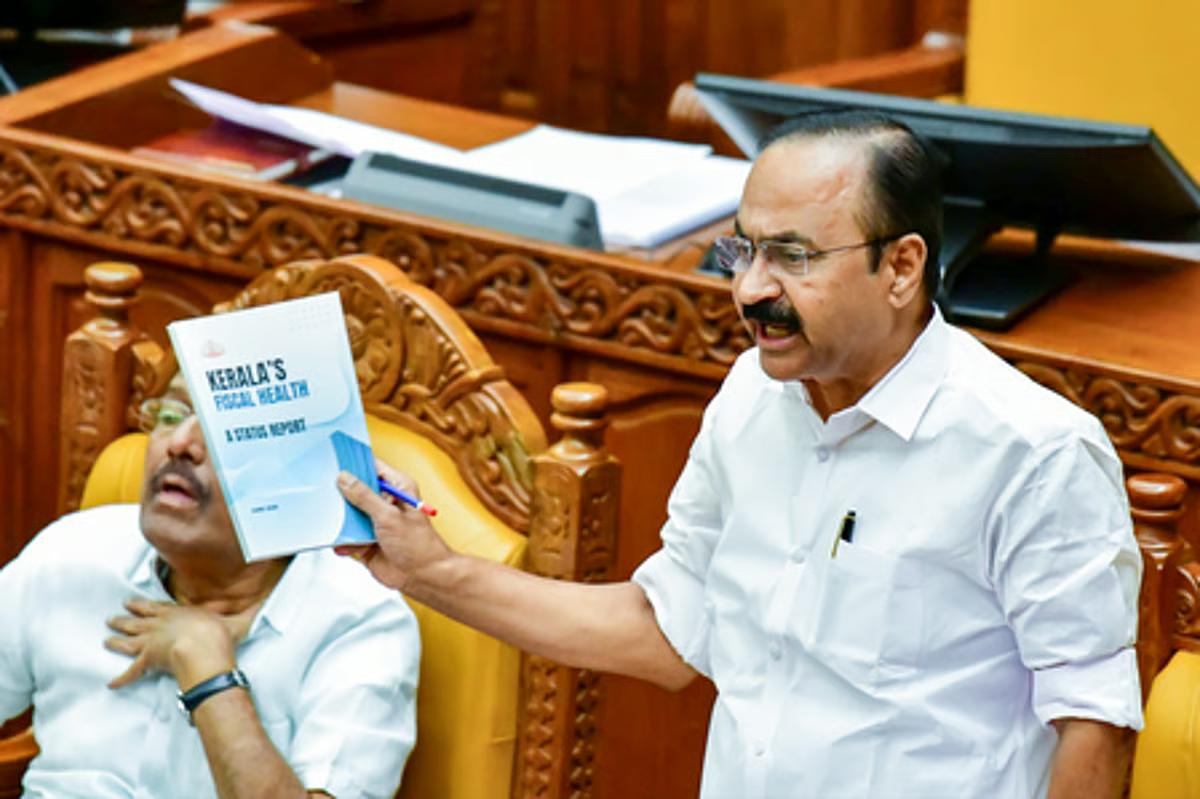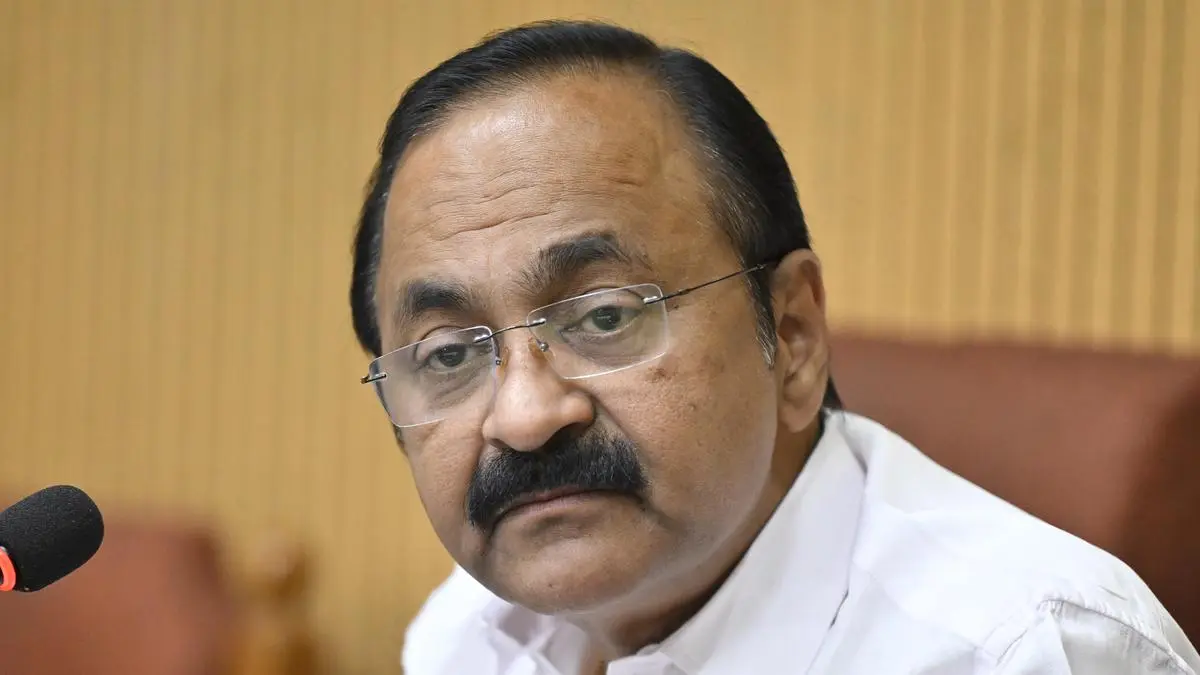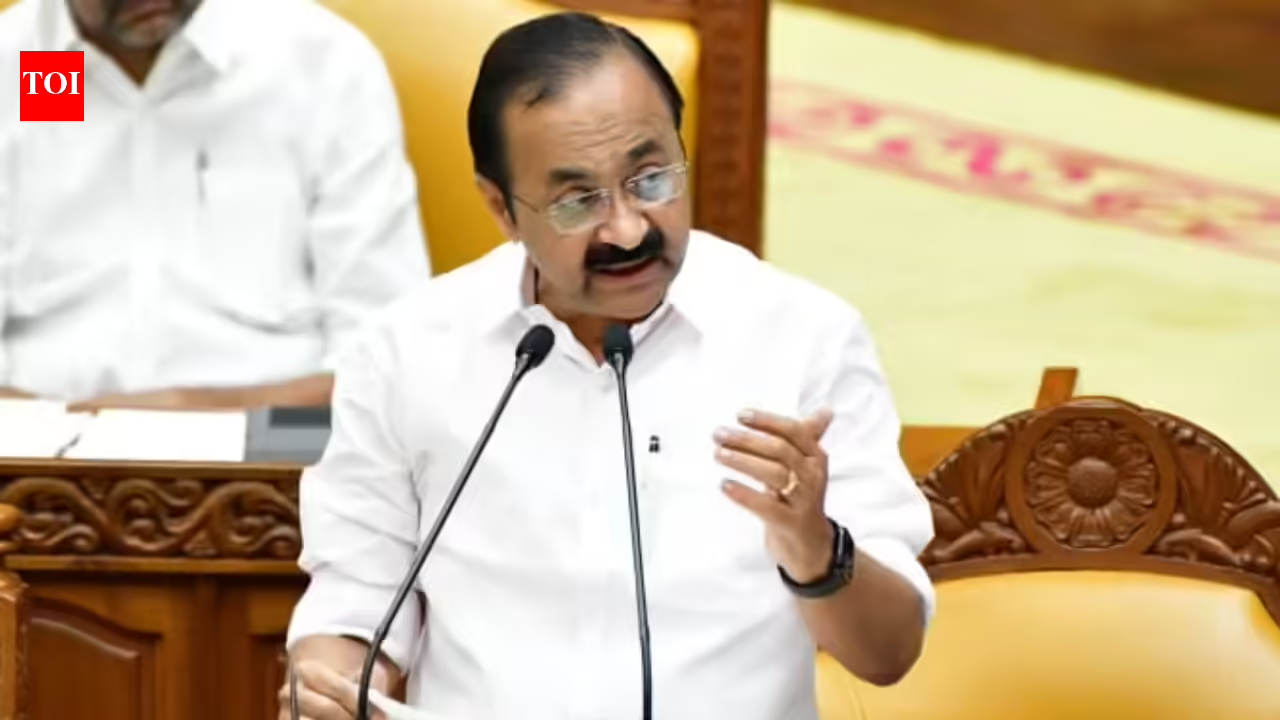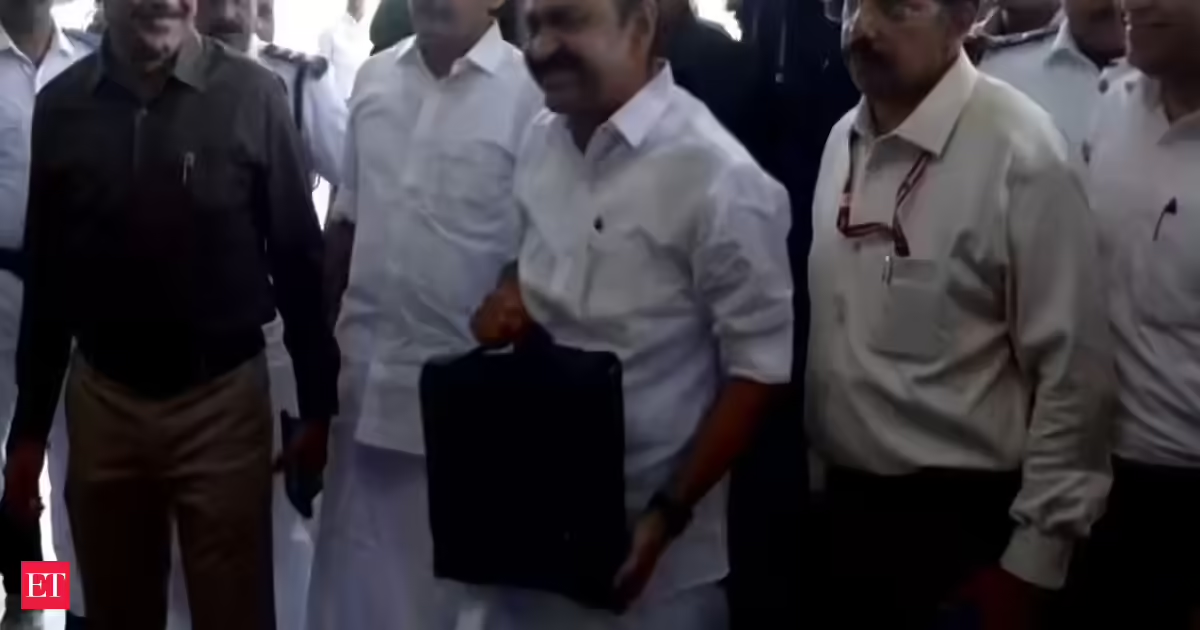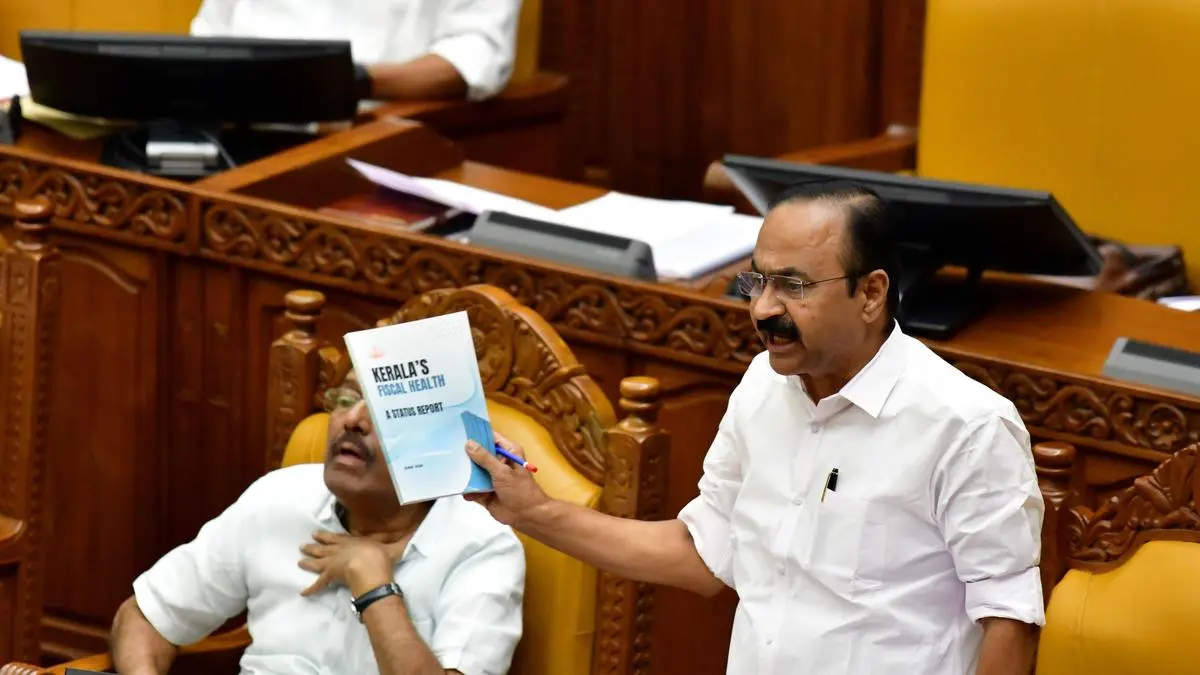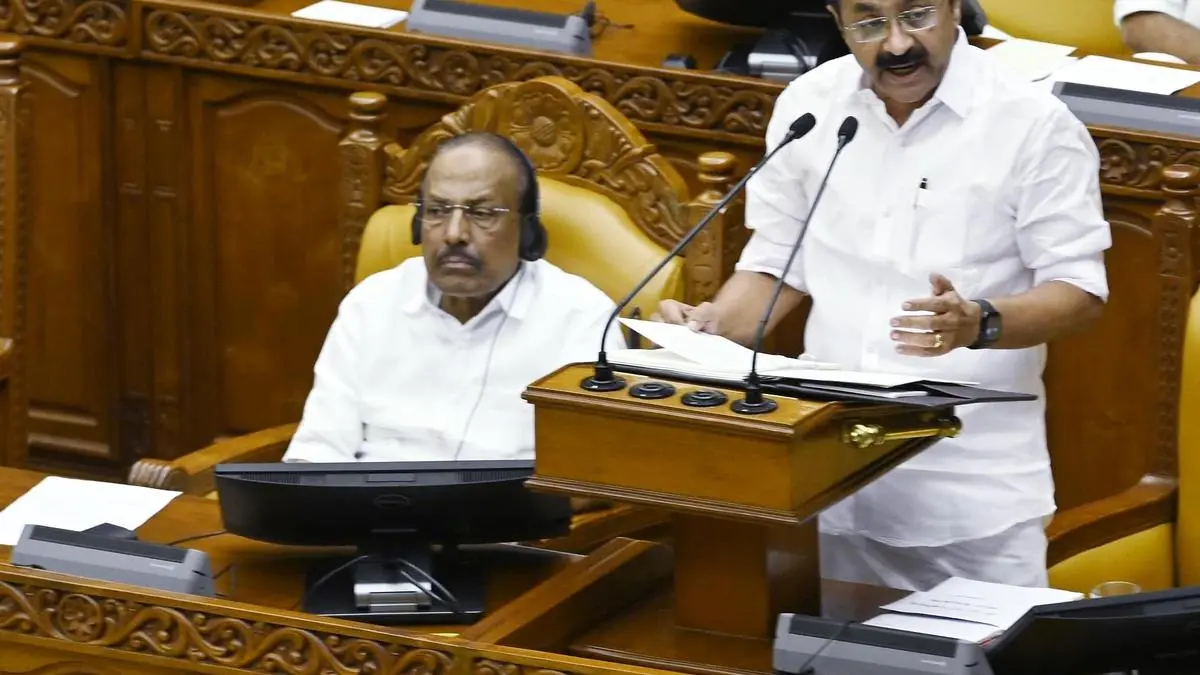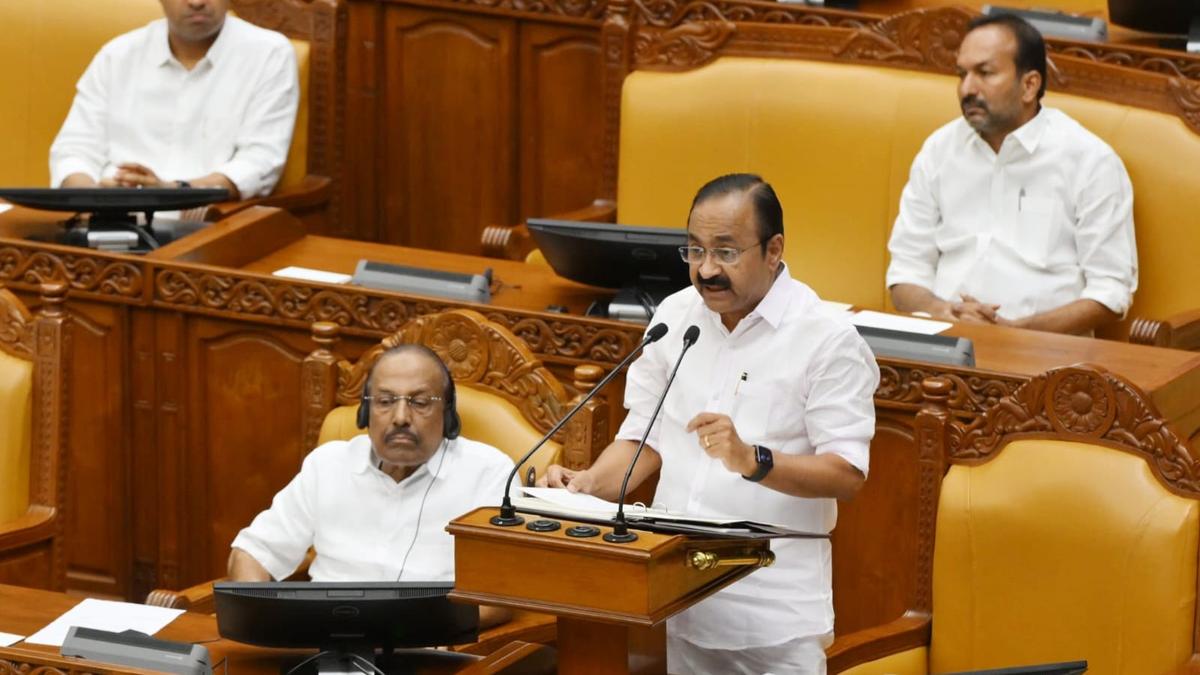
“Governance with empathy” was the colourful phrase with which V.D. Satheesan, Kerala’s freshly minted Chief Minister-Finance Minister, wound up his Budget speech in the Assembly on Friday. Widely regarded as a politician with an openness to new ideas, Mr. Satheesan sought to infuse the State’s economic discourse with new directions and fresh possibilities.His challenge is formidable. Kerala has long been celebrated for its social development model, with human development indicators comparable to those of many advanced countries. Yet, in recent years, concerns have grown that the model is fraying at the fringes. Constrained by fiscal deficit norms that limit borrowing to around 3 to 3.5% of GSDP, the State has struggled to generate resources to sustain an expansive welfare architecture.The previous LDF government had identified nearly 66,000 families as “extremely poor” and initiated targeted interventions to lift them out of poverty. As the State with the lowest extent of poverty as per Niti Aayog norms, around 62 lakh people, receive a monthly welfare pension of ₹2,000. The Congress manifesto had promised to raise this to ₹3,000.Mr. Satheesan, however, stopped short of implementing all the electoral guarantees of his party. Earlier this week, women were allowed to travel for free on “Ordinary” KSRTC buses through a zero-fare ticket system based on one of the election promises. The Budget provides ₹600 crore to the loss-making KSRTC as compensation for this scheme. Beyond this, the other major promises were notable for their absence in the Budget.Indeed, the Revised Budget is, in broad terms, a continuation of the LDF Budget presented three months ago. The principal change lies in a more realistic assessment of Central transfers. The earlier Budget had included a provision of ₹20,000 crore in anticipation of revenue deficit grants based on the recommendations of the Finance Commission. The 16th Finance Commission, however, did not recommend any transfers for revenue deficits. Mr. Satheesan’s revised estimates appear more grounded.The Budget’s overarching emphasis is on new developmental themes: transforming Kerala into a maritime hub, leveraging the Blue Economy, promoting a Silver Economy focused on the elderly, establishing a Knowledge Valley, and creating a Global Job Watch Tower.However, those expecting a clear road map for resource mobilisation for implementing all the new initiatives were left disappointed. Mr. Satheesan had repeatedly invoked the word Vismayam (wonder) as a metaphor for Kerala’s future, but analysts found little Vismayam in the fiscal arithmetic.A notable departure from the earlier Budget is the reduction in its size — from about ₹2.40 lakh crore to ₹2.27 lakh crore. Ordinarily, if deficit financing is accepted as a legitimate instrument for accelerating development, a larger Budget can support higher growth. Kerala’s most pressing economic challenge today is, arguably, to narrow the growth gap with the rest of the country.The State Planning Board’s Kerala Development Report 2026 noted that Kerala’s average real GSDP growth during the last five years was only 4.1%, compared with the more than 6% nationally. Tax performance has also lagged. GST revenue growth was 3% in 2025-26 compared with 6% nationally.Kerala also remains an outlier in welfare delivery. Of the 62 lakh welfare pension beneficiaries, only about 27 lakh receive payments through Direct Benefit Transfer. For the remainder, cash is physically delivered to households through cooperative institutions. While this ensures last-mile connectivity, it also perpetuates a system in which welfare delivery becomes a tool for political mobilisation.A larger question hangs over Kerala’s welfare commitments. The Centre continues to exercise tight control over the State’s borrowing programme through the Article 293 consent mechanism. Thus, lower growth, weak tax buoyancy, and ambitious welfare commitments together constitute a financial trilemma for Kerala.The CM will have his hands full navigating these competing pressures. While his Budget may not be transformative, it does represent confident initial steps in a long and difficult journey.(S. Adikesavan is a commentator on macroeconomy, finance, and banking) Published - June 19, 2026 11:25 pm IST
Kerala Budget: New ideas weighed down by an old trilemma
Kerala's Budget highlights new developmental themes but struggles with implementation amid a challenging financial trilemma of growth and welfare commitments.
645 words~3 min read