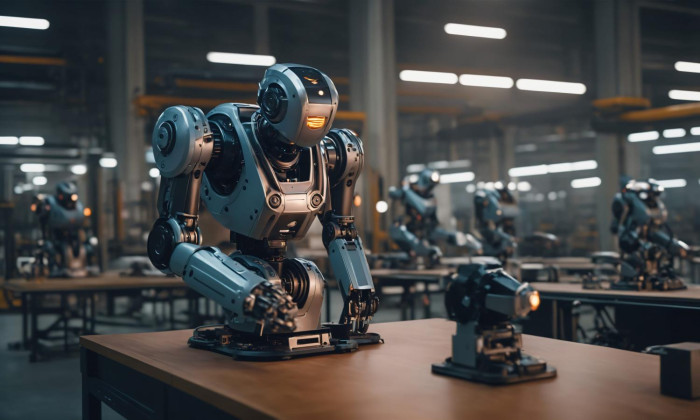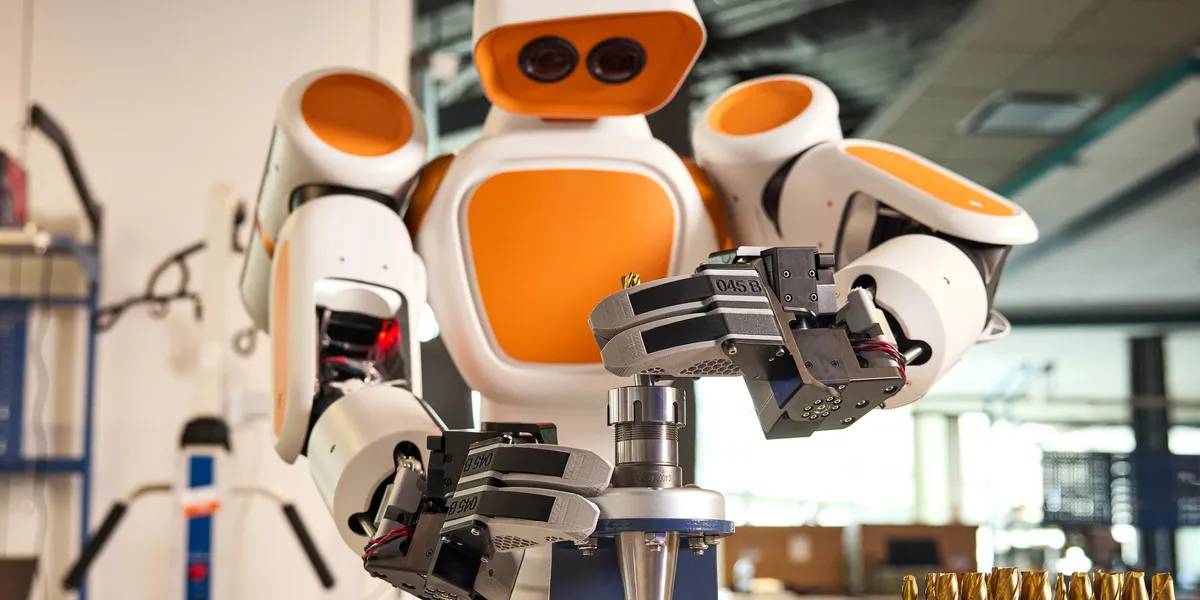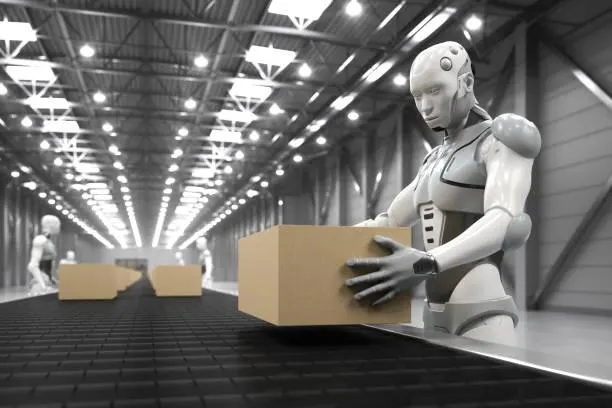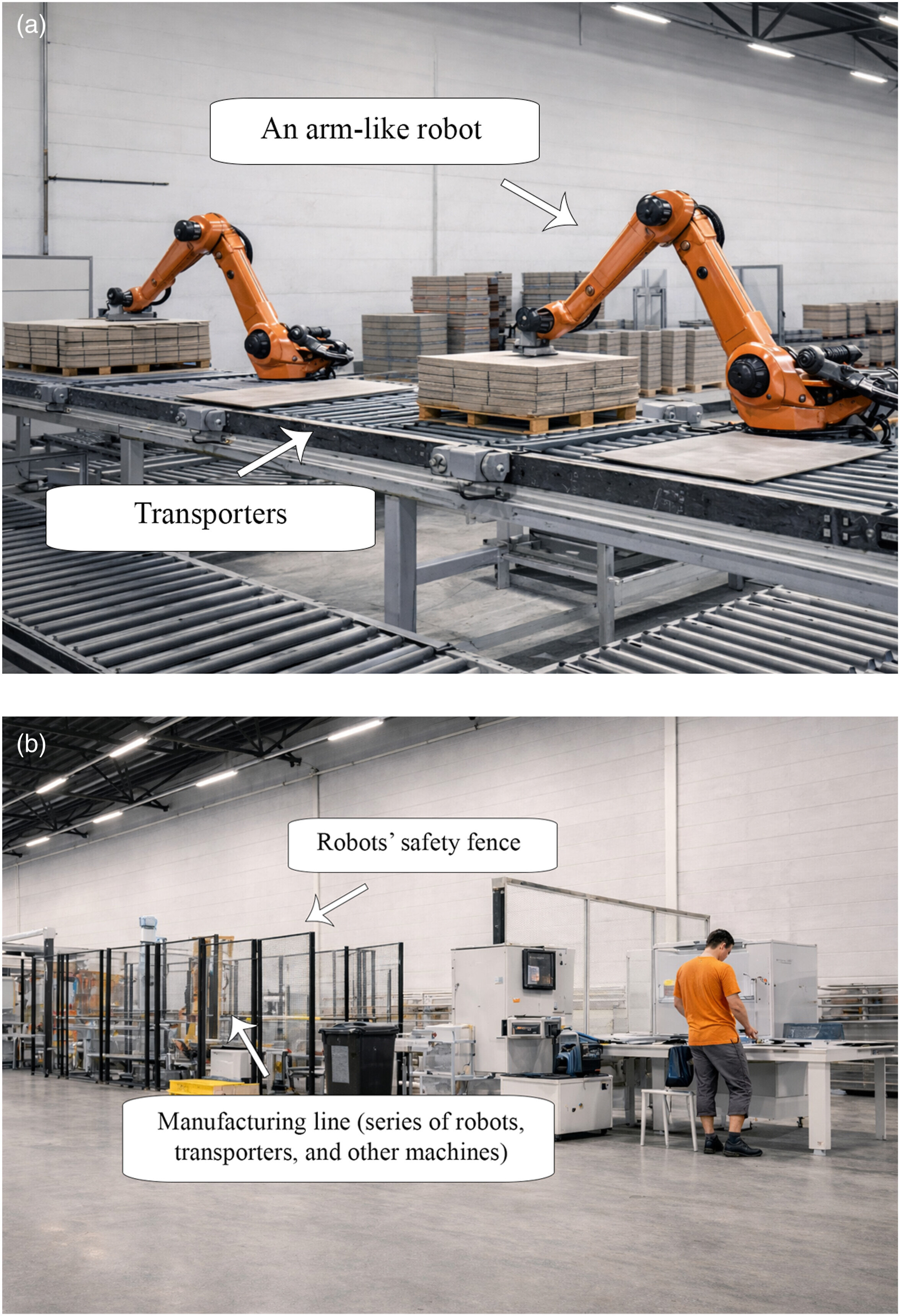
(a) Illustration of arm-like robots in the furniture manufacturing industry (b) Illustration of a robotic manufacturing line in the furniture industry. Credit: Group & Organization Management (2026). DOI: 10.1177/10596011261428932
When factory workers treat industrial robots as co-workers—even attributing certain human qualities to them—productivity and well-being improve, according to new research out of the Alberta School of Business.
"The more the workers found ways to connect to these machines, even emotionally, and figure out their nuances, the better they were able to keep the line running, and the happier they were on the line," says Dr. Trish Reay, who collaborated on the study with researchers in Europe.
It's somewhat like bonding with a new colleague, says Reay, an expert in organizational and institutional change.
Entitled "Matilda is Lazy Today: How Mind Perceptions Trigger Relational Job Crafting With Industrial Robots," the study followed workers in European manufacturing settings for four years. Researchers interviewed robot operators and their managers, as well as experts on the introduction of robotics to manufacturing. The work is published in the journal Group & Organization Management.