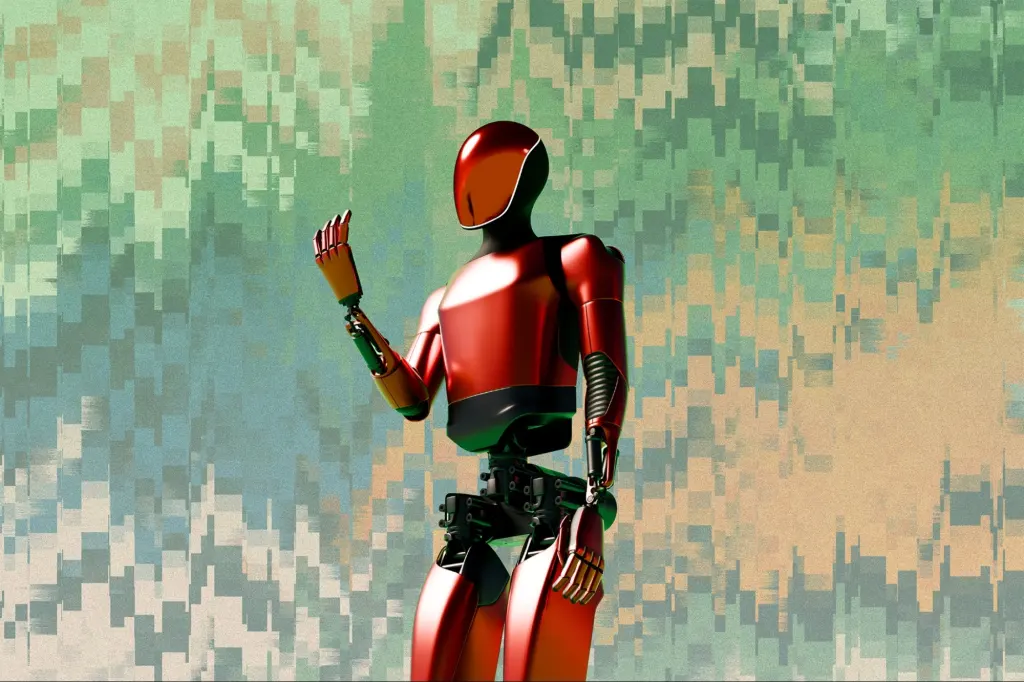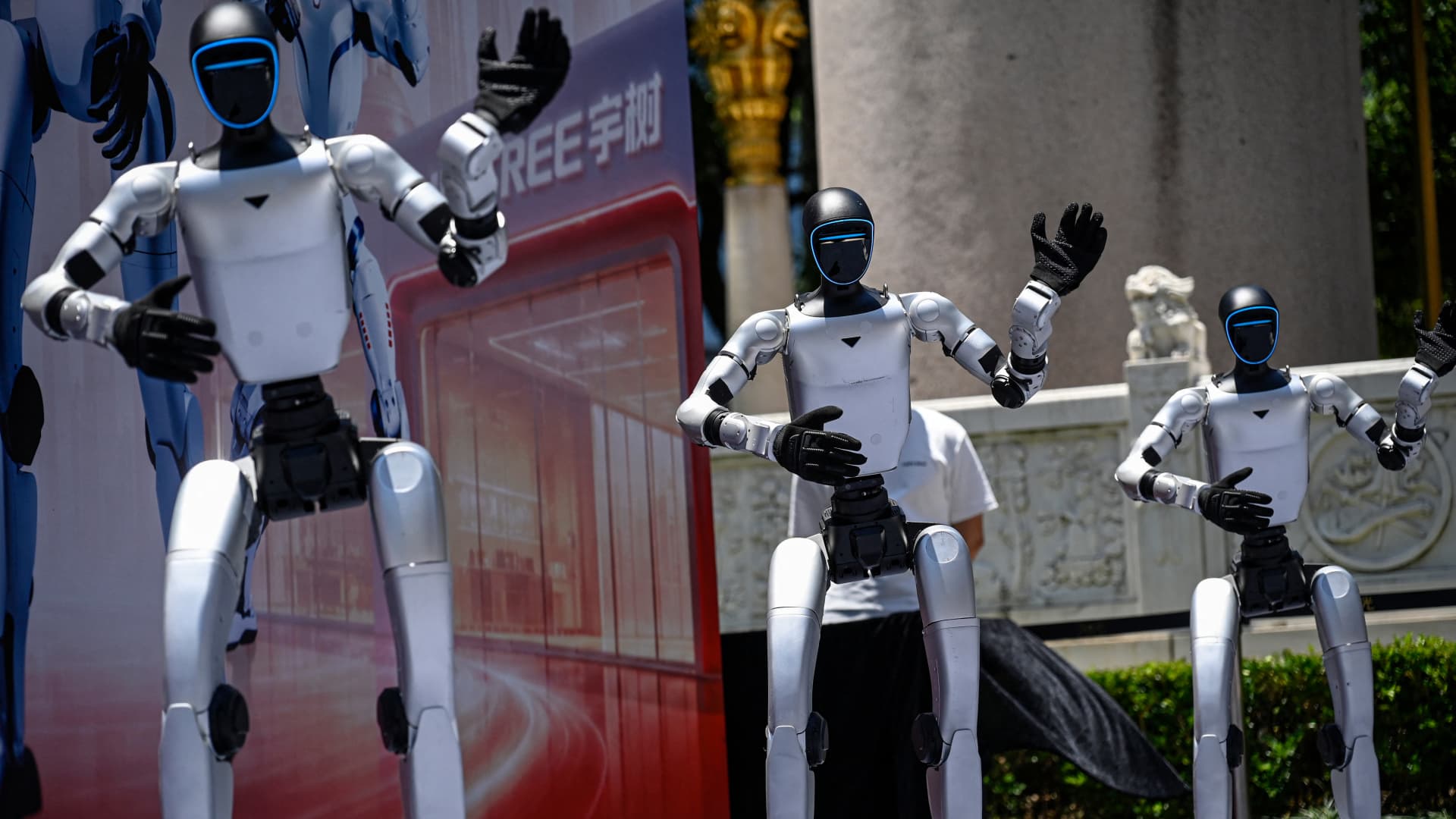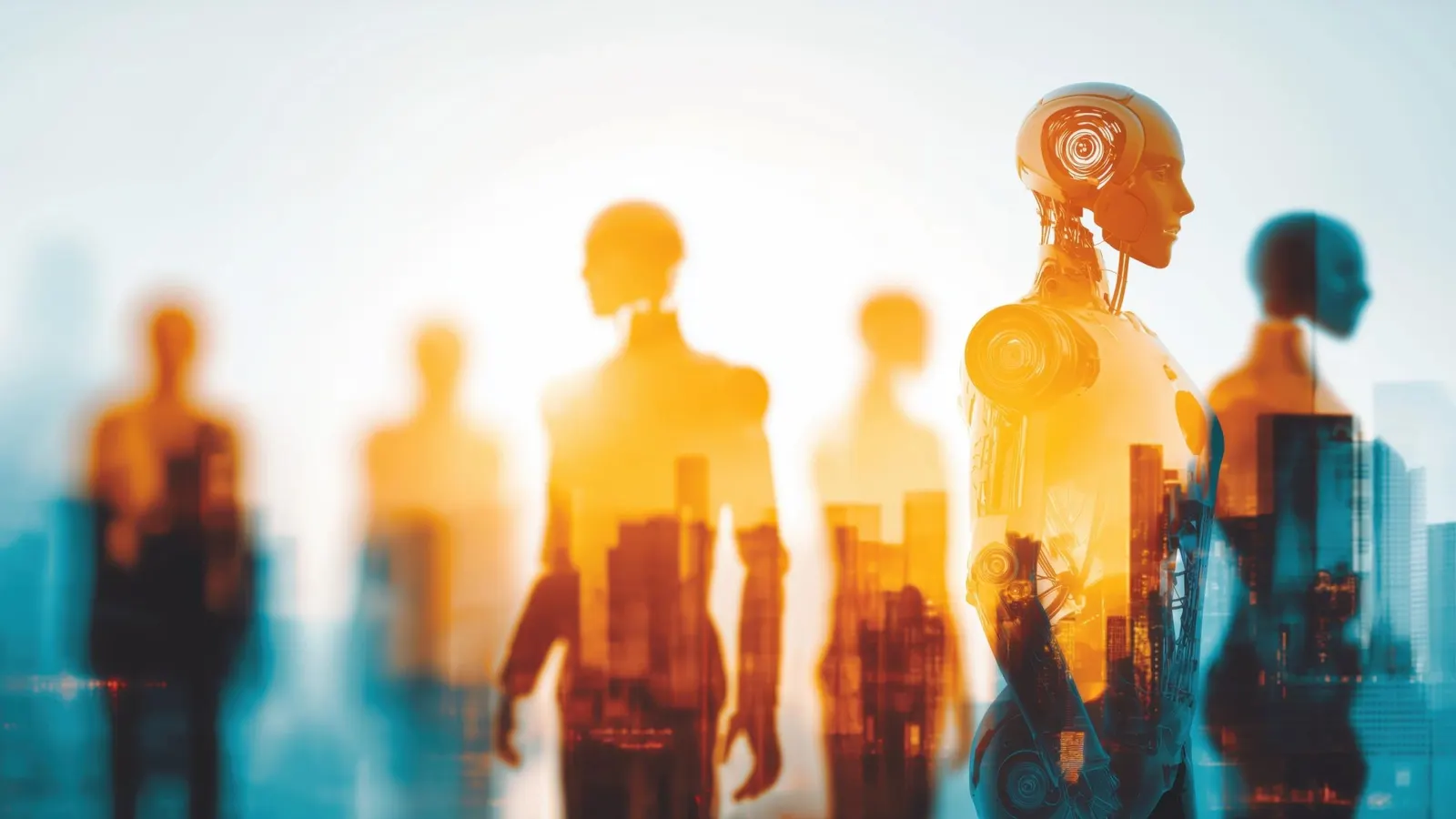
Humanoid robots are moving from science fiction into factories, airports, shops, care homes and even our own homes.Adobe StockHumanoid robots are starting to look less like science fiction props and more like the next major workforce technology.For decades, the idea of machines shaped like us belonged mostly in movies, research labs and carefully staged tech demos. Now, advances in AI, sensors, batteries and robotics are turning that idea into something far more practical. The goal is simple: build machines that can operate in a world designed for human bodies, using our tools, moving through our buildings and taking on tasks that are physically demanding, repetitive or dangerous.That could make humanoid robots one of the most important technologies of the coming decades. One study predicts there could be three billion of them in service by 2060, working across factories, airports, shops, hospitals, construction sites and homes.So, what will they actually do?Some of the most valuable use cases are already emerging. Others will become viable as robots get cheaper, more capable and easier to deploy. For businesses, the opportunity is clear: humanoid robots could help tackle labor shortages, improve productivity, reduce risk and create entirely new customer experiences.Here are 10 areas where humanoid robots are likely to make their biggest impact first.Manufacturing And ProductionManufacturers, including BMW and Siemens, are already putting humanoids to work in factories, although this still largely seems to be restricted to pilots. Manufacturing has always been an early adopter of robotic systems, because the work is often structured and repetitive, but also physically demanding. Humanoid robots, capable of safely working alongside humans, are the logical next step. MORE FOR YOURetail And Customer ServiceIn retail, humanoids have potential applications in customer service, stocking shelves, security, and as tools for creating new visitor experiences. According to the Bureau of Labor Statistics, U.S. retailers face a shortfall of 531,000 workers, and robots could play a crucial role in filling this gap as they become more affordable. Working In Hazardous EnvironmentsRobots can go places where it would be dangerous to send people, and can be built in ways that make them far more resistant to physical stress than we are. This includes carrying out inspections in dangerous environments, handling and moving hazardous materials and rescue and emergency response. Hospitality And Events In hotels, hospitality and events, we have already seen robots deployed to work in reception, concierge, kitchen and waiting positions. However, these are usually task-specific robots. Progressing to humanoid forms means they could become far more generalized, with the same machines staffing reception or clearing restaurant tables, depending on need. They’re also crowd-pleasers, capable of drawing attention and creating new customer and audience experiences, due to their novelty factor. Baggage HandlingLoading baggage on and off planes is a physically demanding and repetitive job, and just the sort of thing that humanoid robots should excel at. At Tokyo’s Haneda Airport, Japan Airlines is trialing humanoids in this role, in response to the labor shortage the country is currently facing. If proven to work at scale, this could greatly improve airport efficiency and reduce waiting times for customers. DeliveryAmazon is developing humanoid robots designed for last-mile deliveries. They can be transported close to their final destination in vans, before springing out and delivering their packages across built environments such as housing developments and residential complexes that are hard for vehicles to access. Care And CompanionshipMany nations are facing the problem of a growing elderly population with increasing care needs, and fewer care workers to do the job. Humanoid robots offer one solution, and they are currently deployed in nursing homes, particularly in Asia, to provide physical assistance, health and welfare monitoring, and reminders to take medication. Teaching AssistantHumanoid robots such as Pepper and Fourier’s GR-3 are already being trialed in classrooms, where they can help teachers with delivering lessons as well as providing one-to-one personalized support for students with additional needs. As well as reducing teacher workloads, they can also create new, engaging learning experiences to hold pupils’ attention. ConstructionConstruction sites are designed around human movement, making humanoid robots the natural choice here. Persona AI and other manufacturers are developing models that can move heavy loads around sites, carry out tasks like welding or installing wiring, and even climb scaffolding.Domestic AssistanceWouldn’t it be great to have a robot helping out with the housework? Luckily, these are some of the first use cases being explored for multi-purpose robots like Tesla’s Optimus and 1x Technology’s Neo. From washing dishes to doing laundry, mowing grass and preparing meals, robots could soon be doing anything around the house that requires legs, arms and hands. If Elon Musk is right, humanoid domestic robots will eventually cost around the same as a small car, meaning many families will be able to afford their own. The Human-Shaped Future Of AutomationThe rise of humanoid robots points to a new phase of automation.Traditional robots are built around specific tasks. Humanoid robots are being designed for a world built around people. That makes them harder to build, but potentially far more flexible once they work well.The early use cases will likely appear in areas where the business case is strongest: factories, logistics, hazardous work, construction and care. Over time, as costs fall and capabilities improve, humanoid robots could become more common in shops, hotels, schools and homes.There are still big challenges ahead. Safety, reliability, affordability, regulation and public trust will all shape how quickly these machines are adopted. Businesses will also need to think carefully about workforce impact, job design and the ethical use of human-shaped machines.But the direction of travel is clear. Humanoid robots are no longer a distant fantasy. They are becoming practical tools for real-world work. And as they step out of the lab and into everyday environments, they could change how we think about labor, productivity and the future of human-machine collaboration.
10 Ways Humanoid Robots Are About To Change Everyday Life
As AI makes them smarter and more affordable, human-shaped machines could transform some of the most demanding, repetitive & dangerous jobs in business and everyday life.
973 words~4 min read