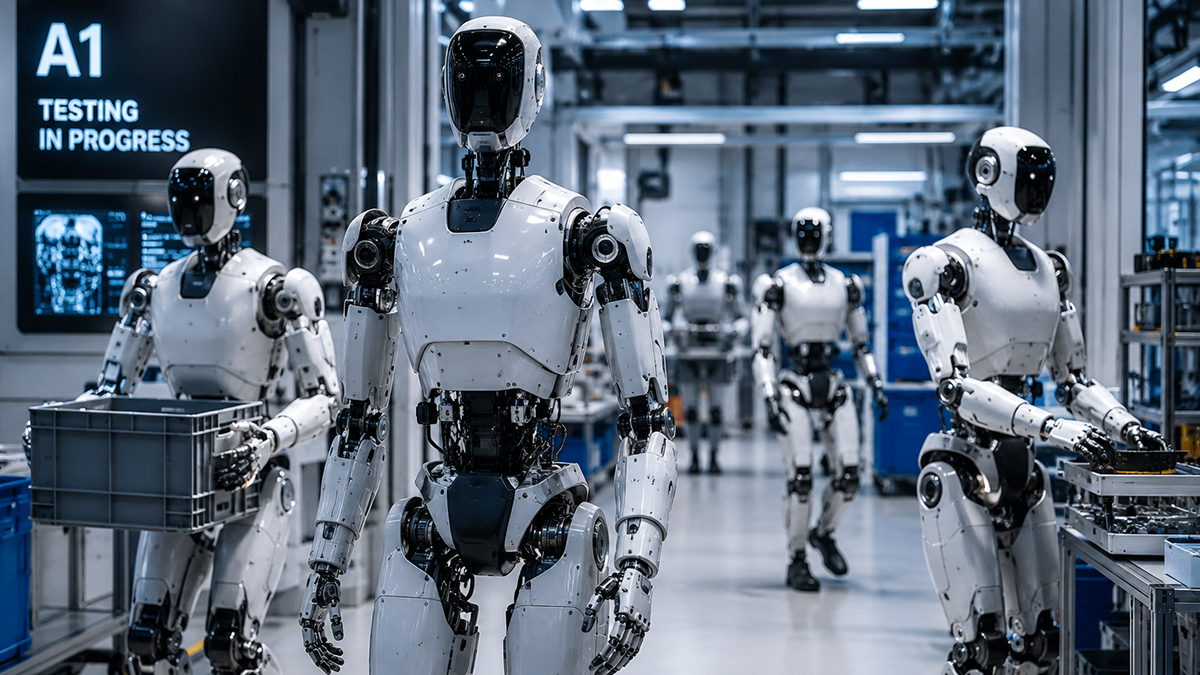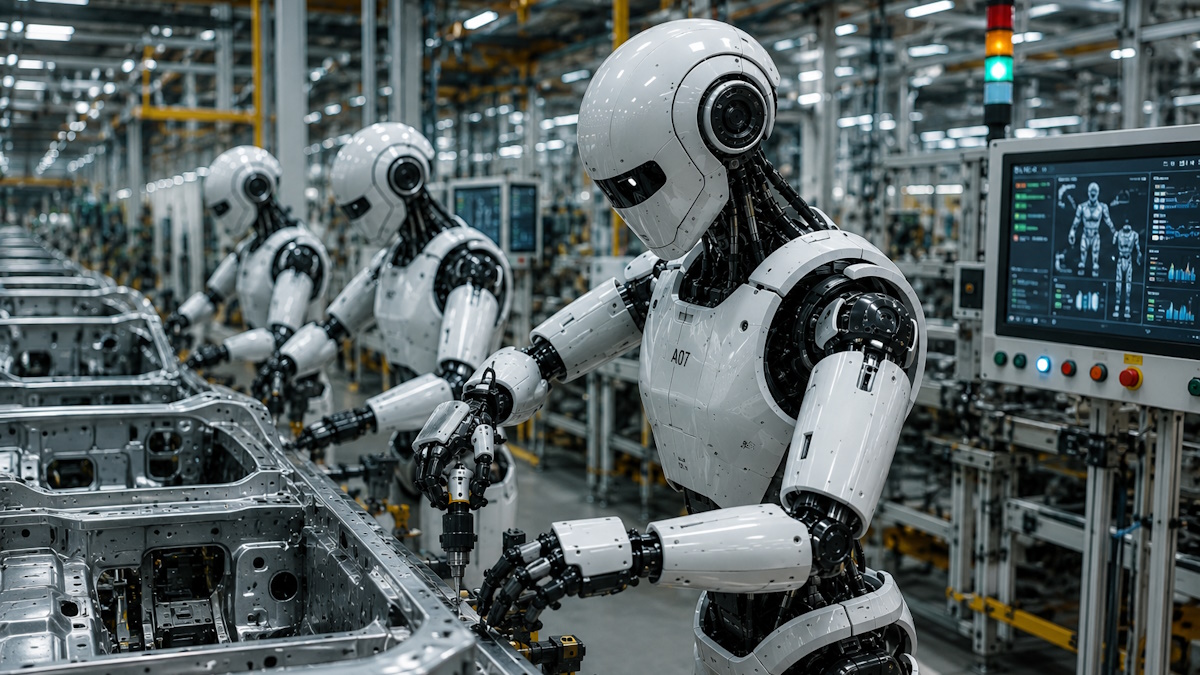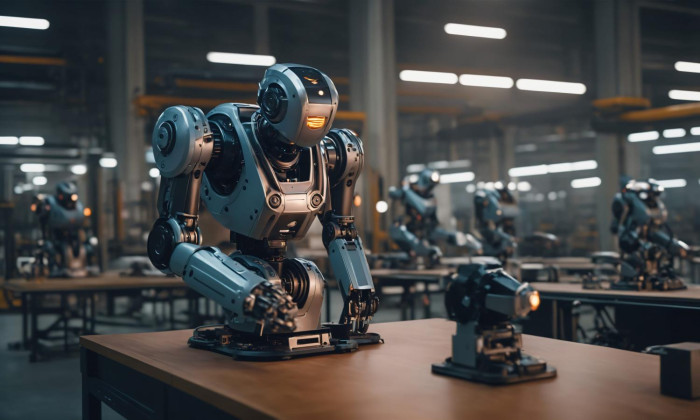
Humanoid robots are rapidly moving out of laboratories and into industrial use.
Humanoid robots are rapidly moving out of laboratories and into industrial reality as advances in artificial intelligence (AI) converge with growing global labour shortages, creating a pivotal moment for automation.A study by Roland Berger projects that the humanoid robotics market could generate between US$300 billion and $750 billion in annual revenue by 2035, with long-term potential to reach $4 trillion by 2050, rivalling the size of the global automotive industry.
The report said structural labour shortages and ageing populations are becoming major drivers of the sector. Working-age populations in some regions are projected to decline by as much as 22% by 2050, creating a demographic challenge that traditional automation alone may not be able to solve.
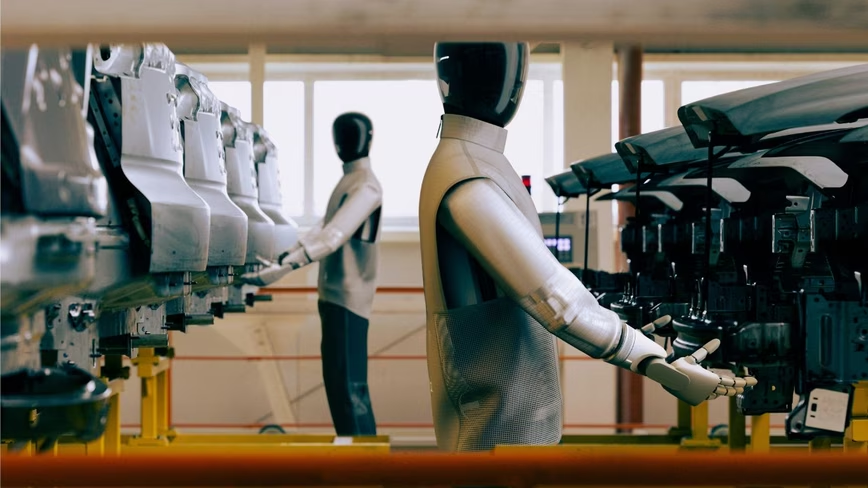
Unlike conventional industrial robots, humanoid systems are designed to operate within existing human-centric infrastructure without requiring extensive factory redesigns.
The study said future operating costs could fall to around $2 per hour, potentially transforming manufacturing and logistics operations.