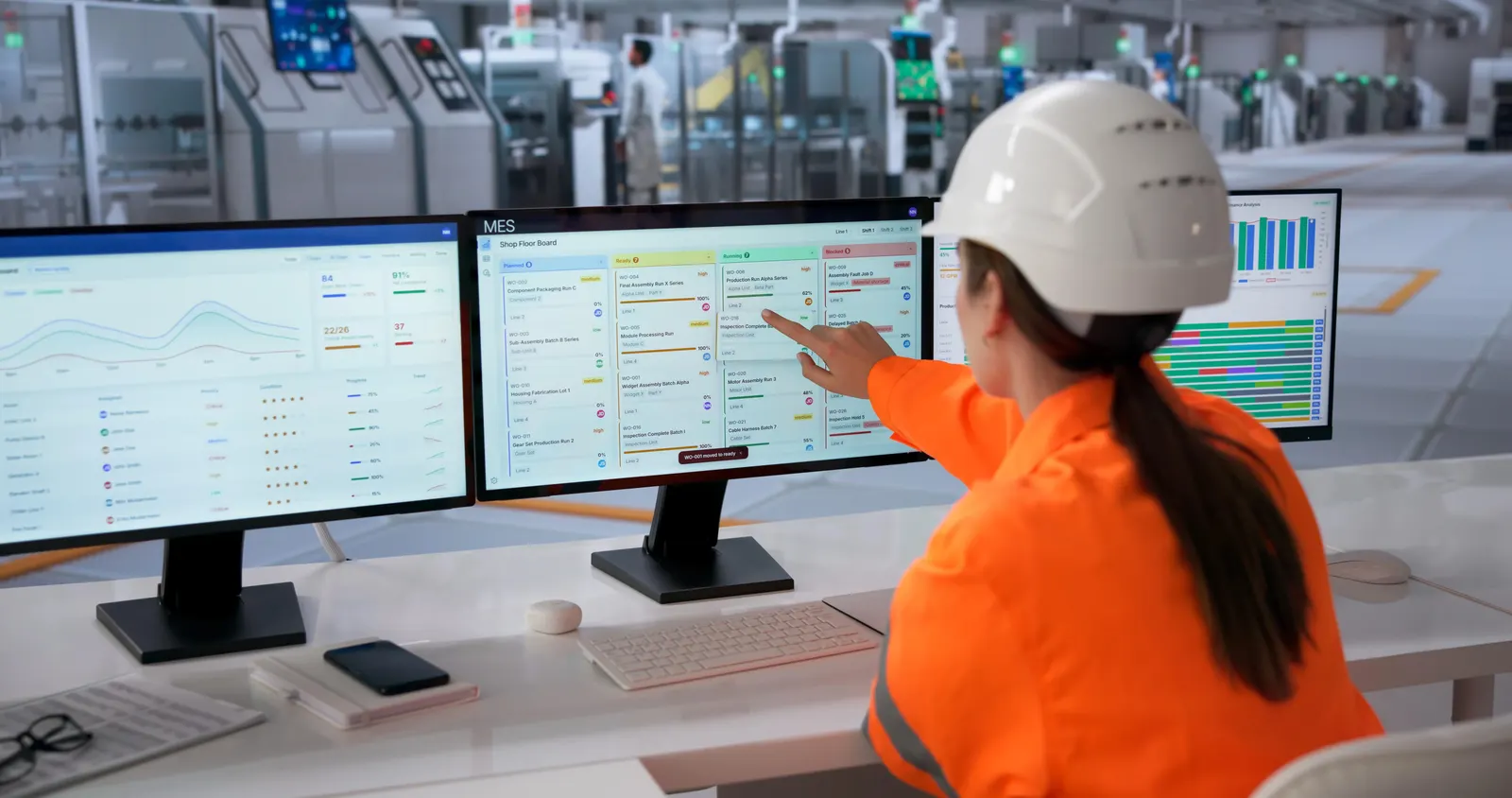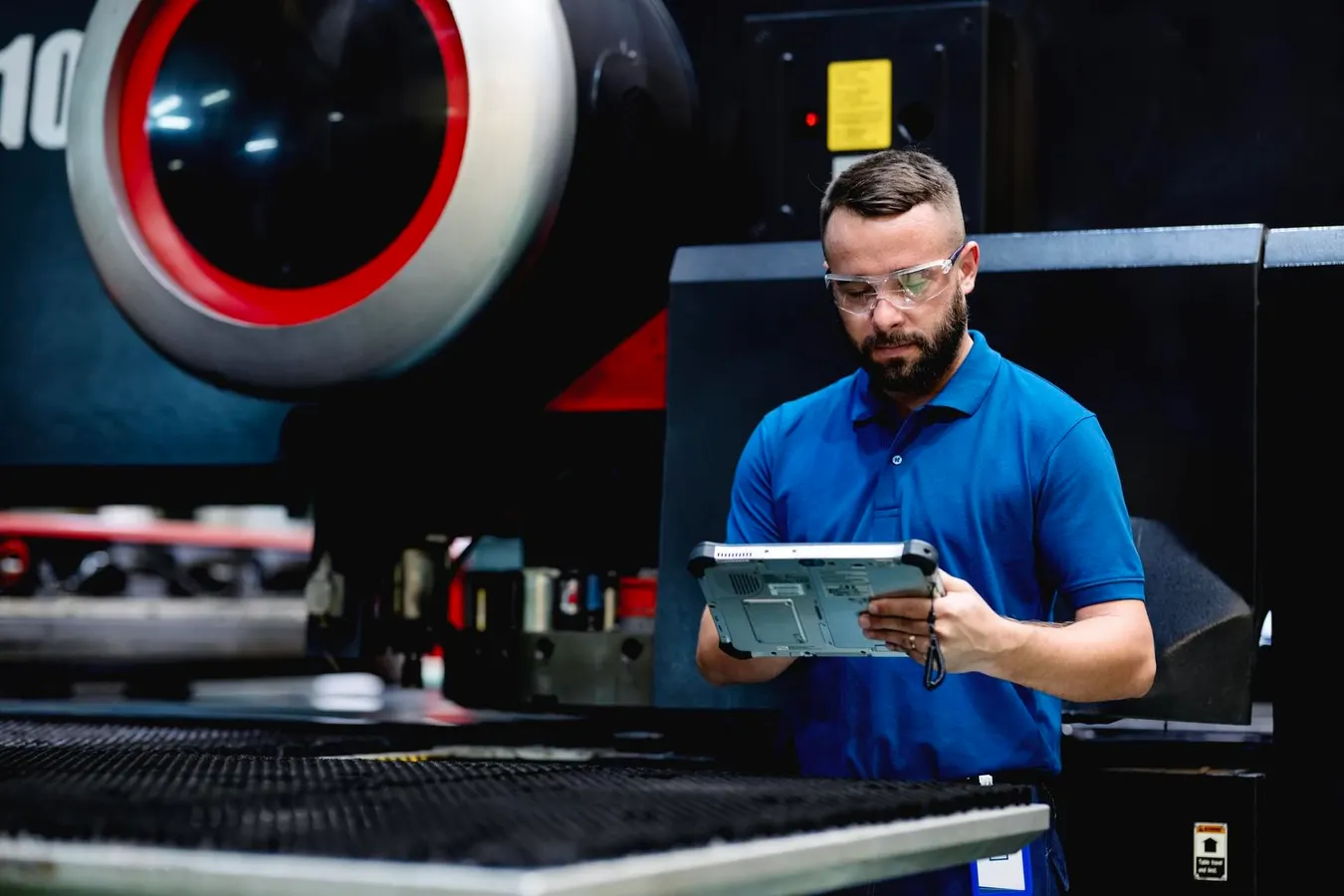
Harvard Business Review LogoMay 22, 2026HBR Staff; Westend61/Getty ImagesExecutives are optimistic about AI’s potential to transform manufacturing. Workers, on the other hand, are more skeptical. In a seven-week internal unpublished study of video diaries from 85 frontline workers across six industries in Australia, the UK and the United States, we asked workers to describe how emerging technologies, including AI, are being introduced into their jobs, what training they receive, and how they see their future. Across industries, distrust ran deep, of both the tools and the organizations deploying them. More than three-quarters of participants said they were dissatisfied with their training. Many were uncertain about how their roles would change or whether they would have a place in the future factory.
The Best Manufacturers Build AI with Workers, Not for Them
Manufacturers are pushing ahead with AI, but workers often feel unprepared, uncertain, and distrustful. Research shows a clear gap between executive optimism and frontline experience, driven by unclear roles, weak training, and poor performance measures. The most effective companies close this gap in three ways. First, they reduce uncertainty by involving workers in mapping how roles will evolve. Second, they train people in the flow of real work, not in abstract settings. Third, they measure success based on how humans and AI perform together on the job. These practices build trust, improve outcomes, and accelerate adoption. Factories that treat AI as a collaborative tool, not a replacement, are better positioned to adapt and compete.
121 words~1 min read