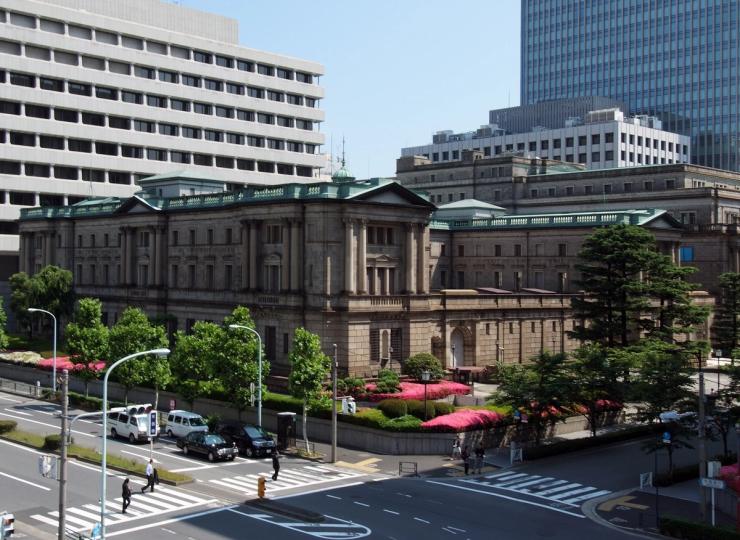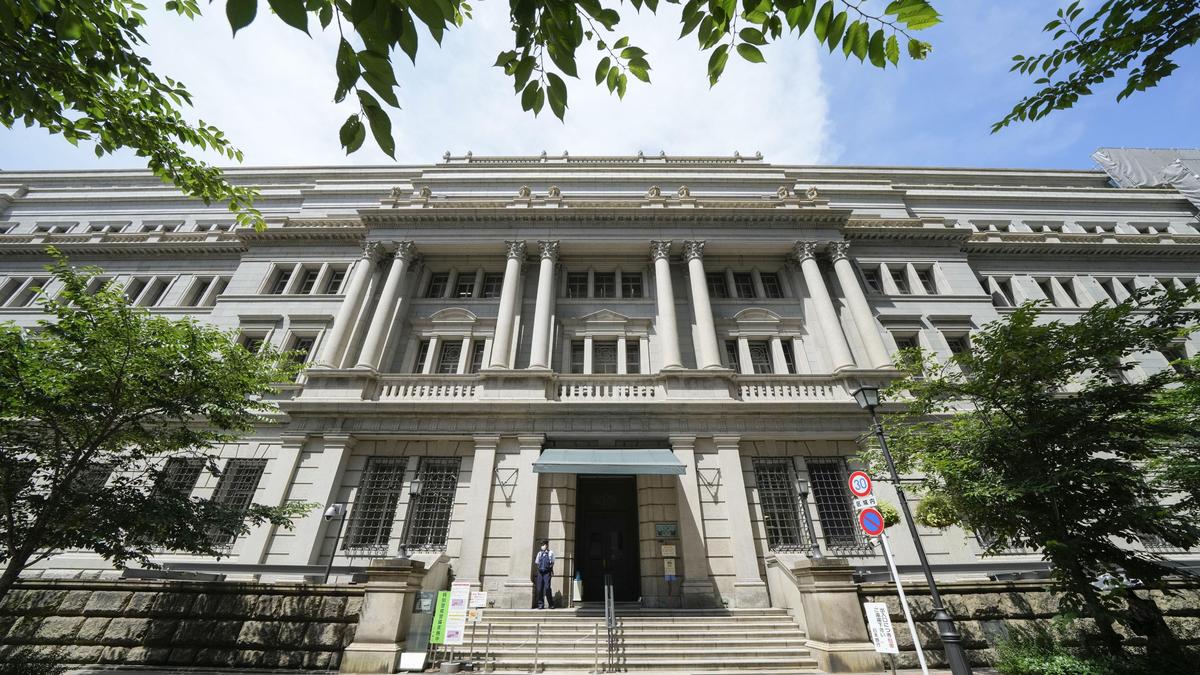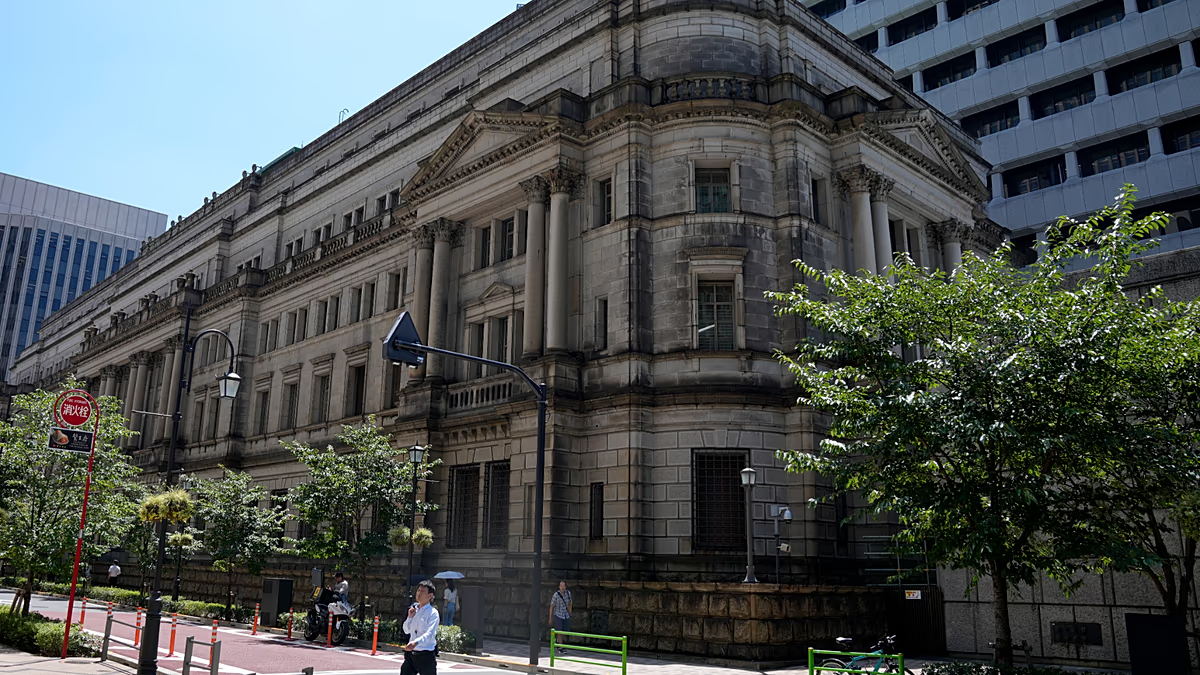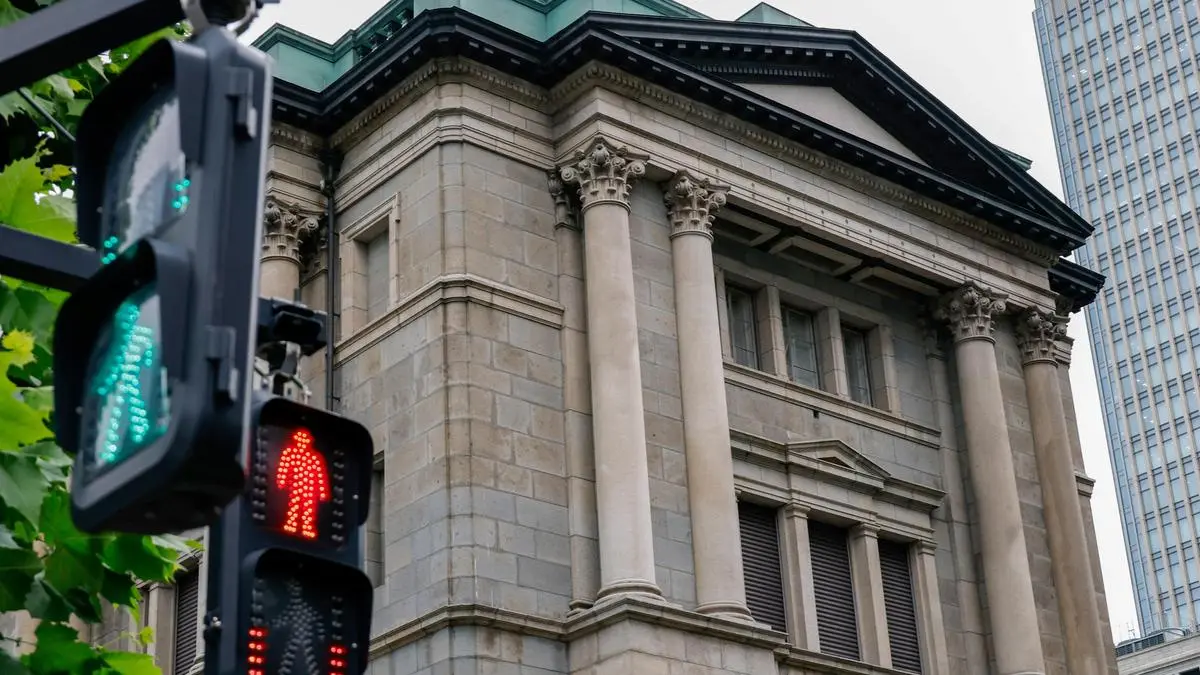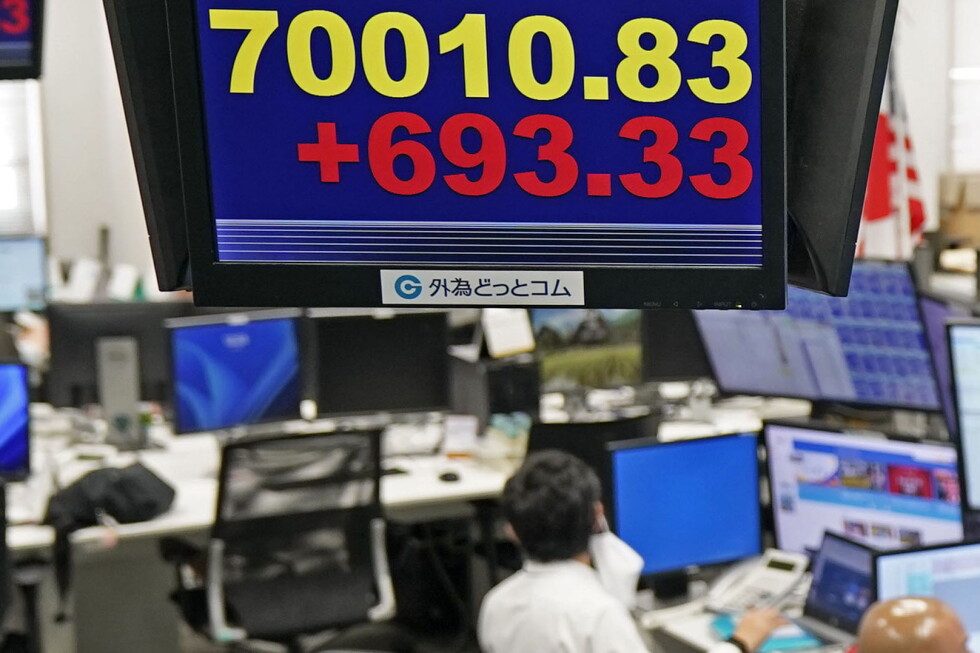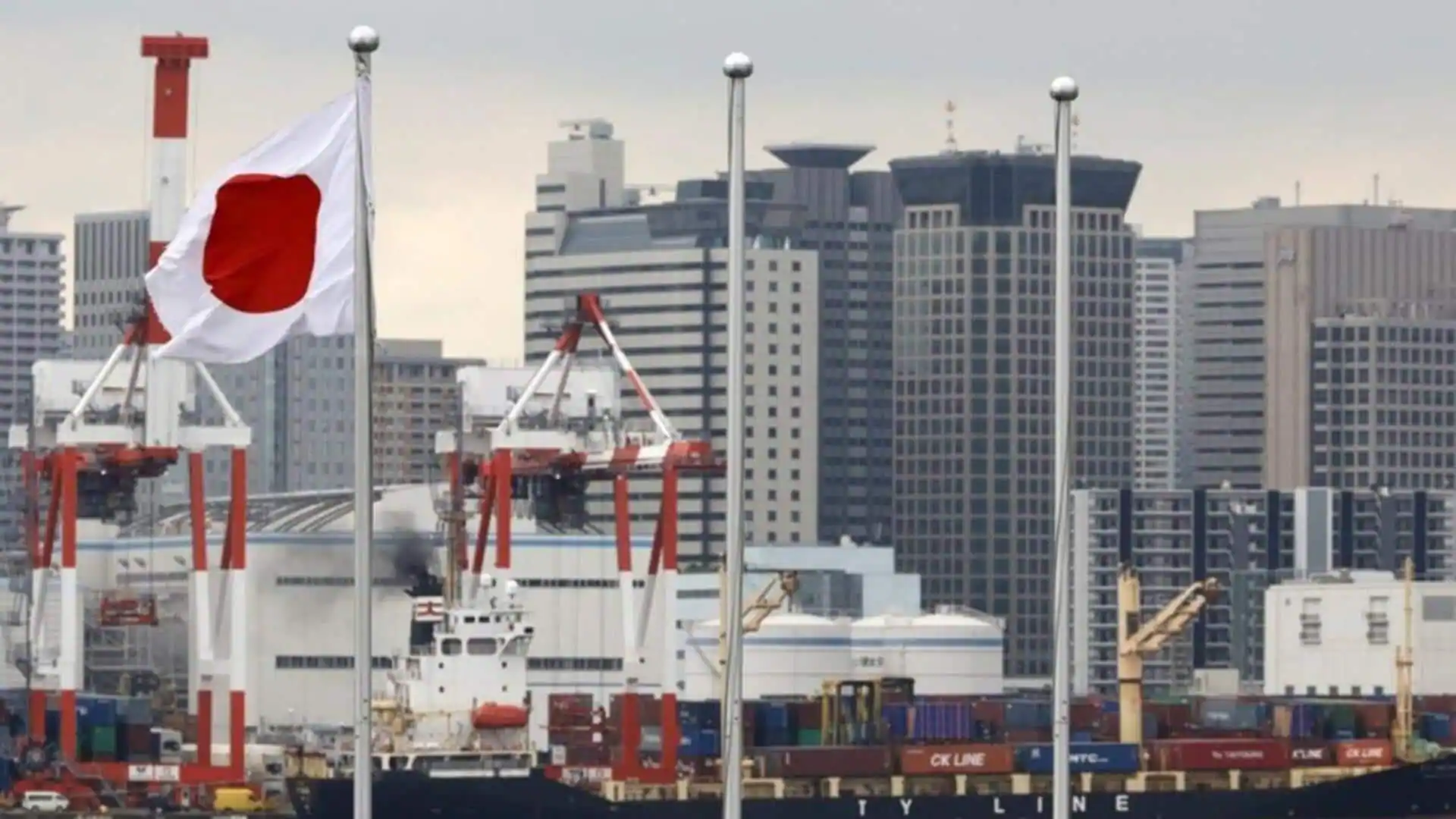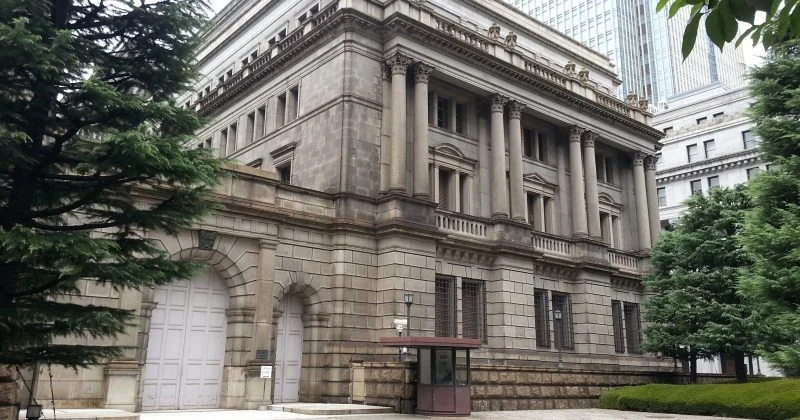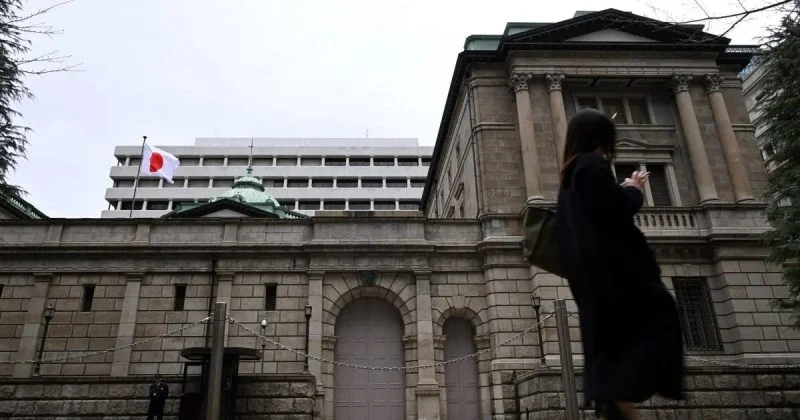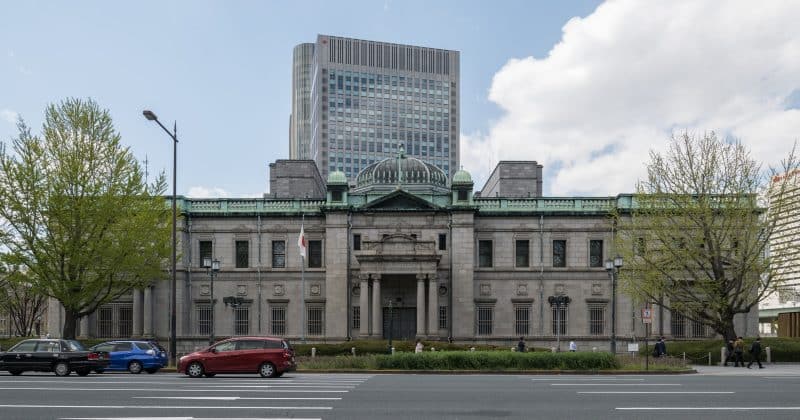
Japan’s central bank hiked its policy rate to 1% on June 16, the highest it’s been since September 1995. That’s not the headline, though. The headline is that most economists watching the Bank of Japan think another increase is coming before 2026 wraps up.
A Reuters poll found that more than three-quarters of surveyed economists, 53 out of 67, expect the rate to climb to 1.25% by year-end. For a country that spent the better part of two decades in negative-rate territory, that’s a remarkable trajectory.
From negative rates to a 30-year high
The June decision moved the short-term policy rate from 0.75% to 1%, backed by a 7-1 vote among BOJ officials. The previous hike to 0.75% came in December 2025, part of a methodical normalization strategy that has been unfolding since the central bank finally abandoned its ultra-loose framework.
The 94% consensus among economists in the Reuters poll ahead of the June meeting tells you this wasn’t a surprise. Markets had priced it in. The real question everyone is asking is: how much further does this go?