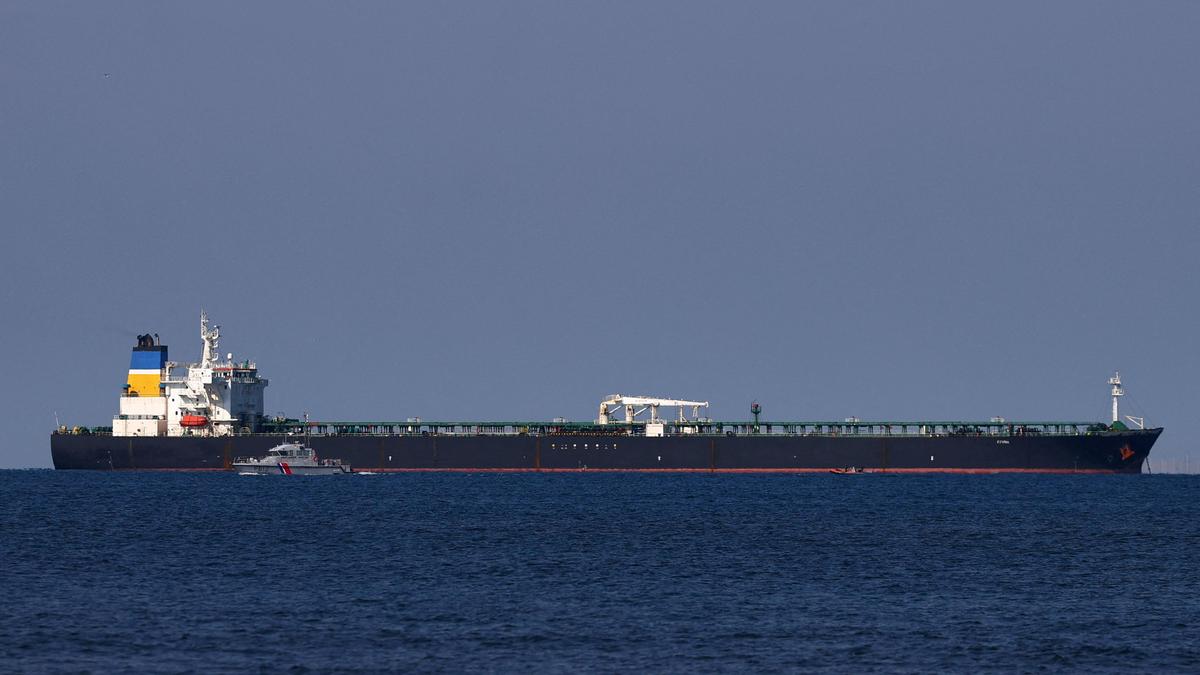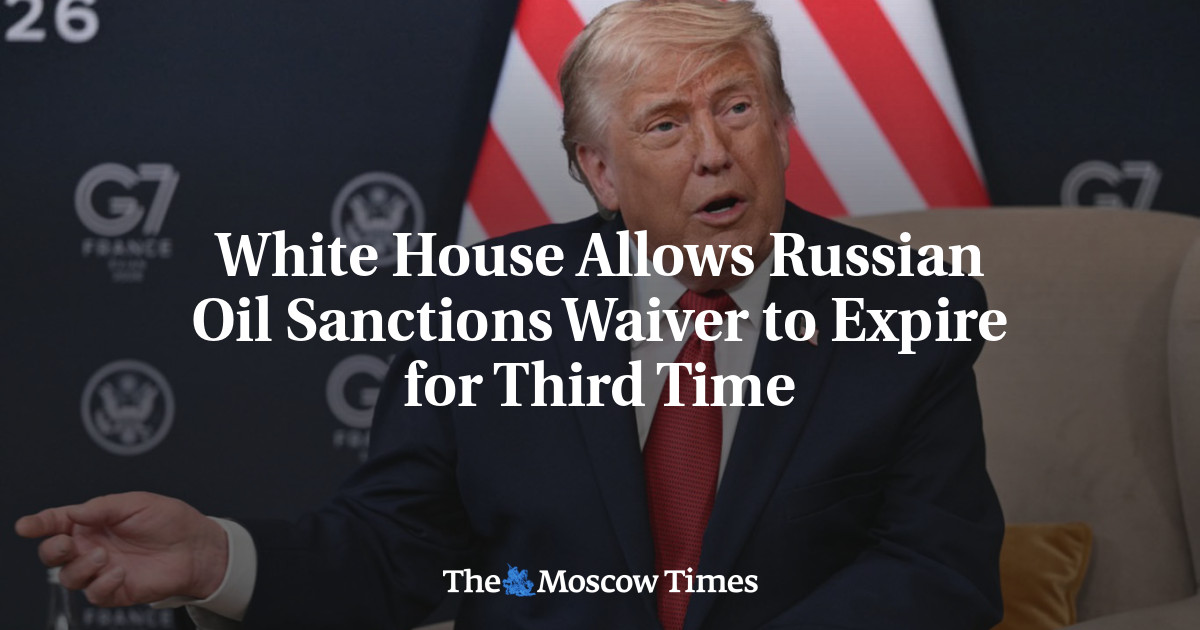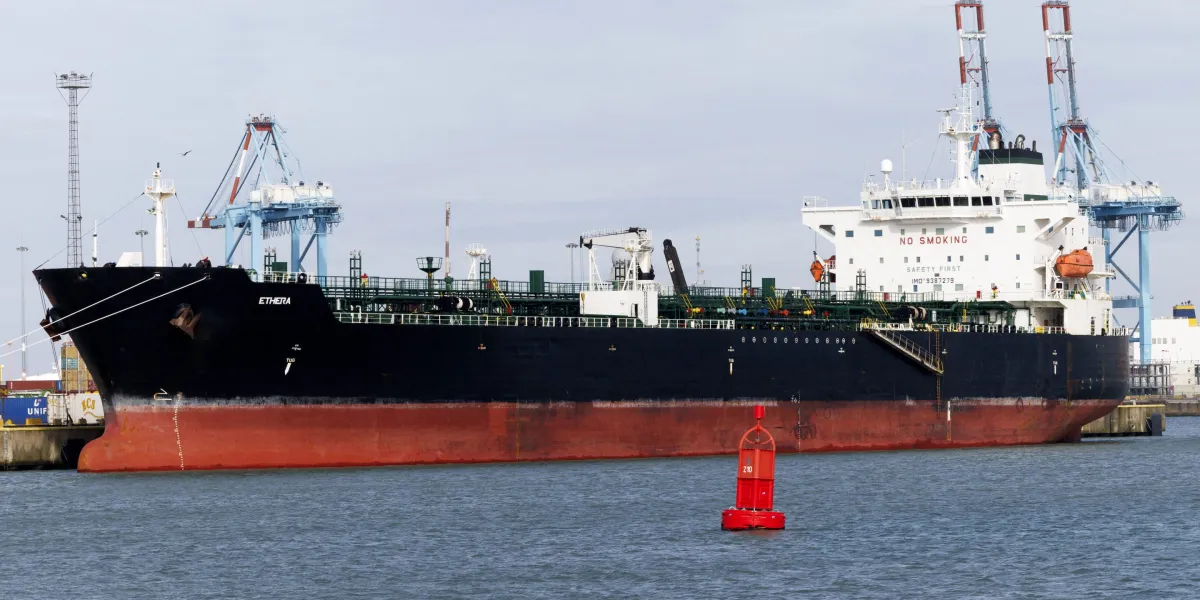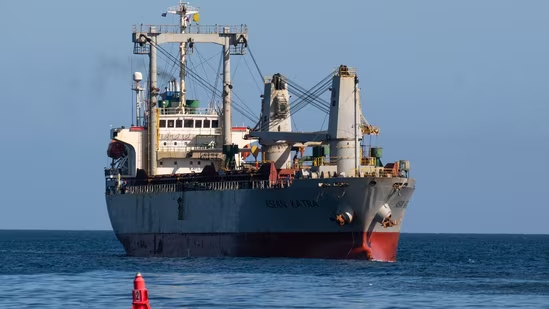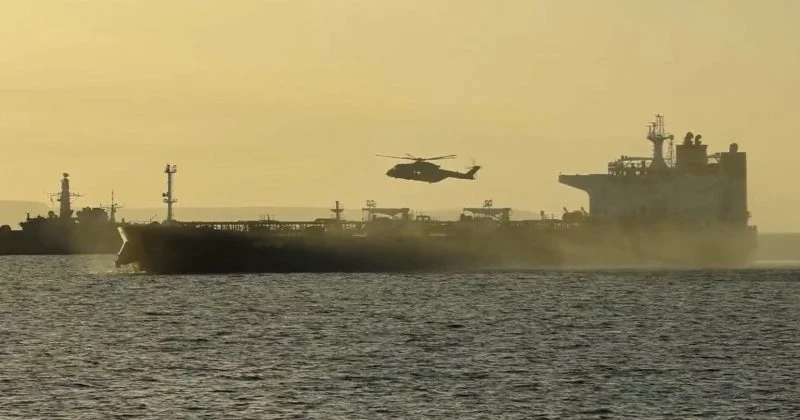
The US Treasury let its temporary sanctions waiver on Russian seaborne crude oil expire on May 16, effectively slamming the door on a relief valve that had been keeping some barrels flowing to energy-hungry buyers like India.
What the waiver actually did
The General License allowed the sale and delivery of certain Russian oil cargoes that were already at sea, giving buyers a narrow window to complete transactions without running afoul of US sanctions.
The waiver first appeared in March 2026, during a period when the Iran conflict was causing serious disruptions near the Strait of Hormuz. When one major oil chokepoint was under threat, Washington quietly opened a back channel to keep global supply from cratering.
But the license was never meant to be permanent. It went through a pattern of short-term extensions, expiring and getting briefly renewed. Treasury Secretary Scott Bessent had signaled that the waiver would not be renewed this time around, and he followed through.