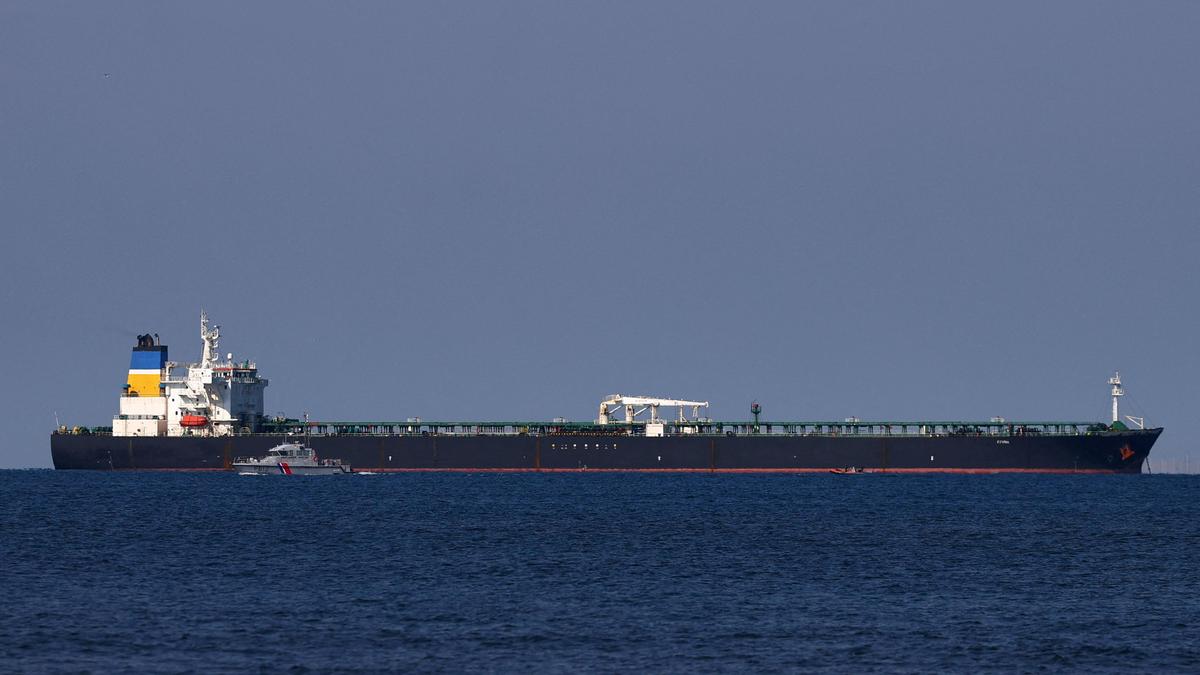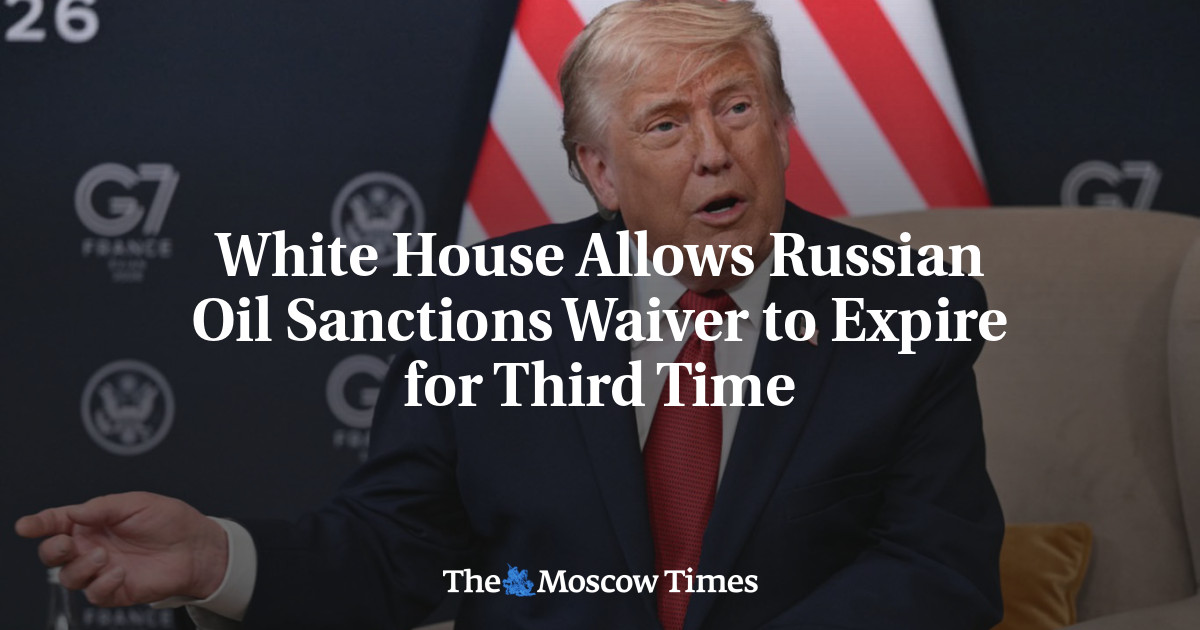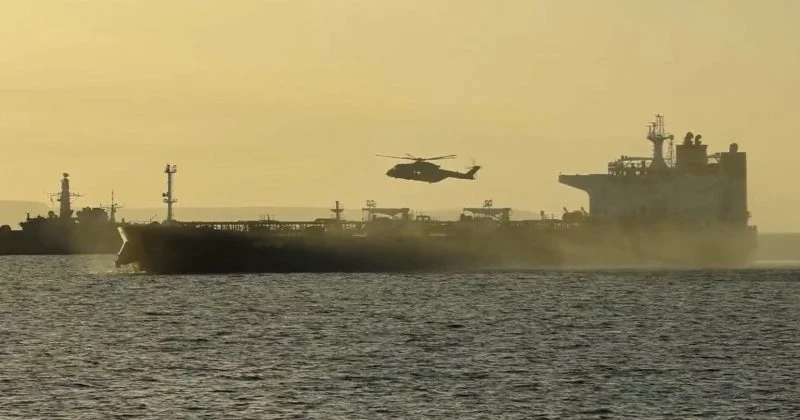
The US Treasury allowed its temporary sanctions waiver on Russian seaborne oil to expire on June 17, choosing not to extend the relief that had given energy-hungry nations a narrow window to purchase Russian crude without running afoul of American sanctions. No replacement license has been published.
What the waiver actually did
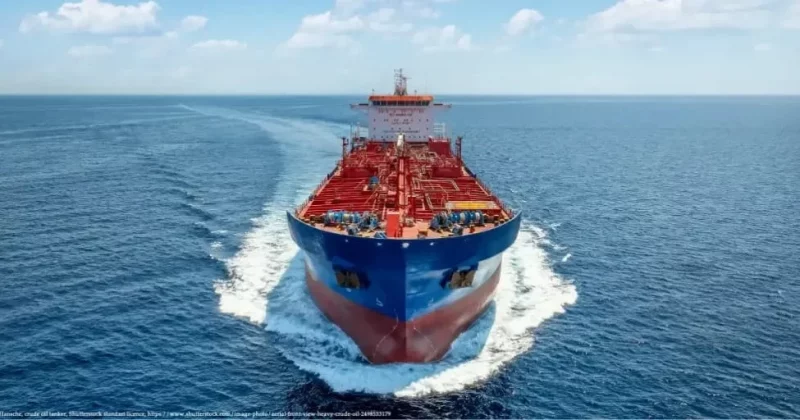
General License 134B, first enacted on April 17, 2026, was designed as a pressure valve. It allowed transactions involving Russian oil that had already been loaded onto tankers before that date, essentially giving buyers a legal path to take delivery of crude that was literally floating at sea.
The license was part of a series of short-term waivers crafted in response to oil market volatility triggered by the US-Israel conflict with Iran, which disrupted shipping through the Strait of Hormuz and sent prices on a roller coaster. Treasury Secretary Scott Bessent had previously extended the waiver twice, with deadlines pushed to May 16 and then June 17.
But the third extension never came. The waiver excluded transactions involving Iran, Cuba, or North Korea, and was narrowly scoped to cover only oil already loaded, not new Russian exports.