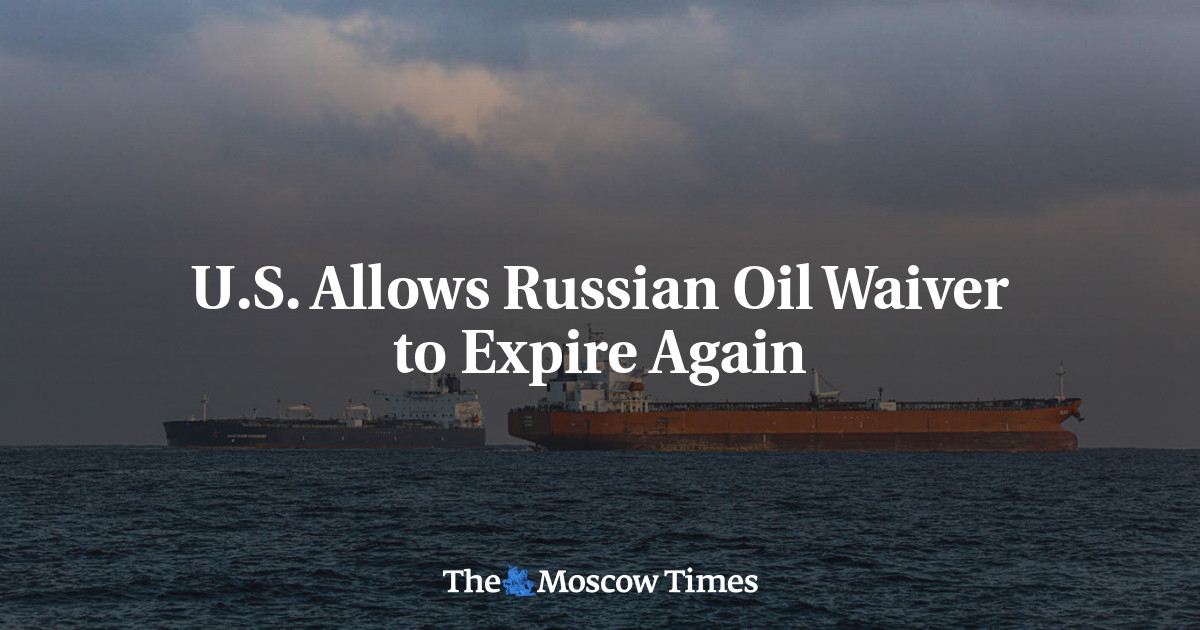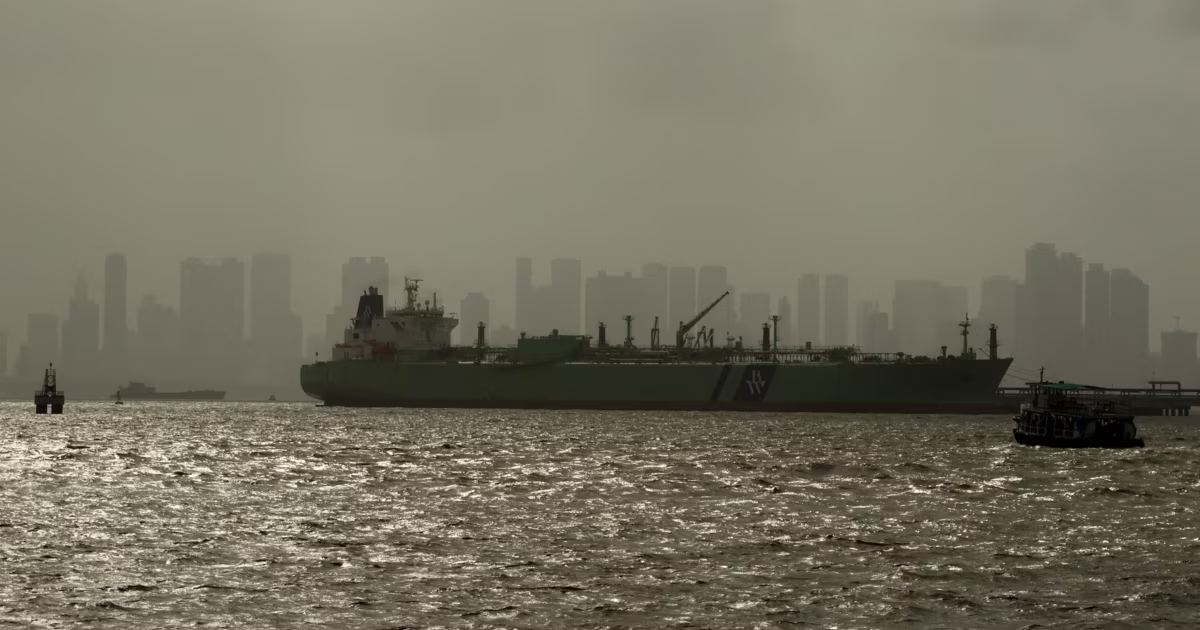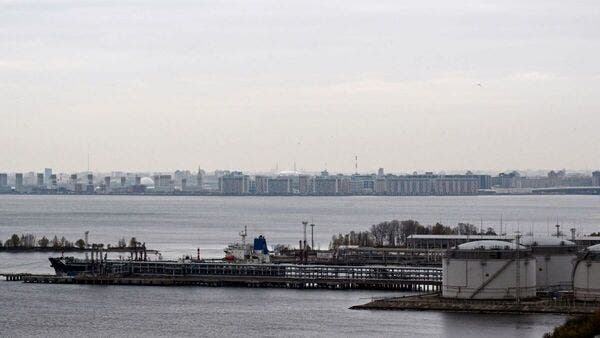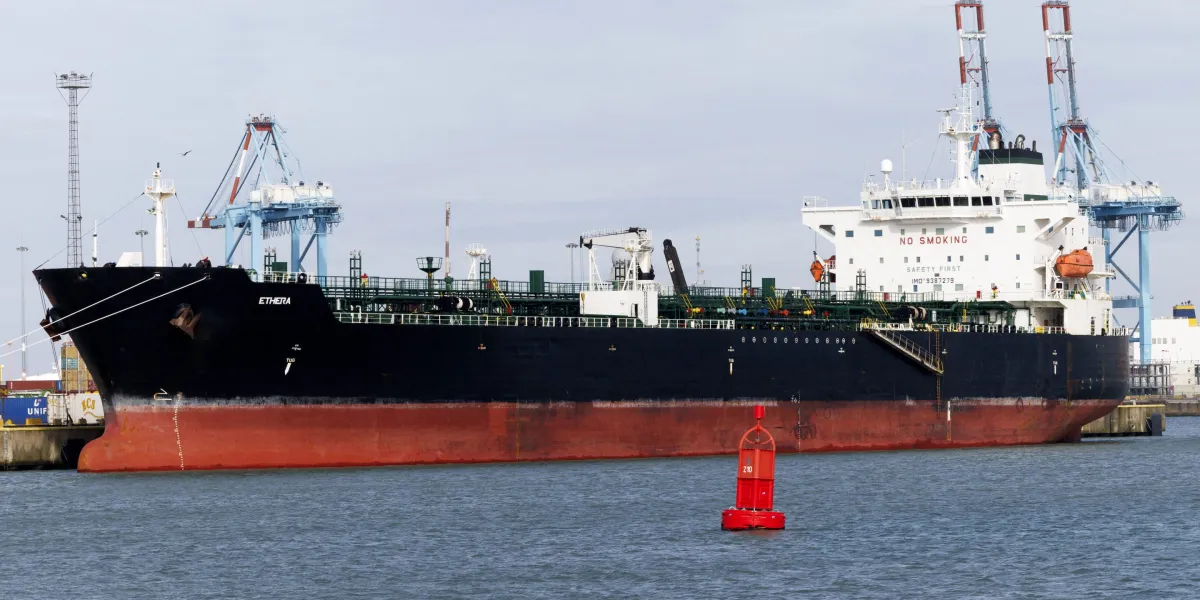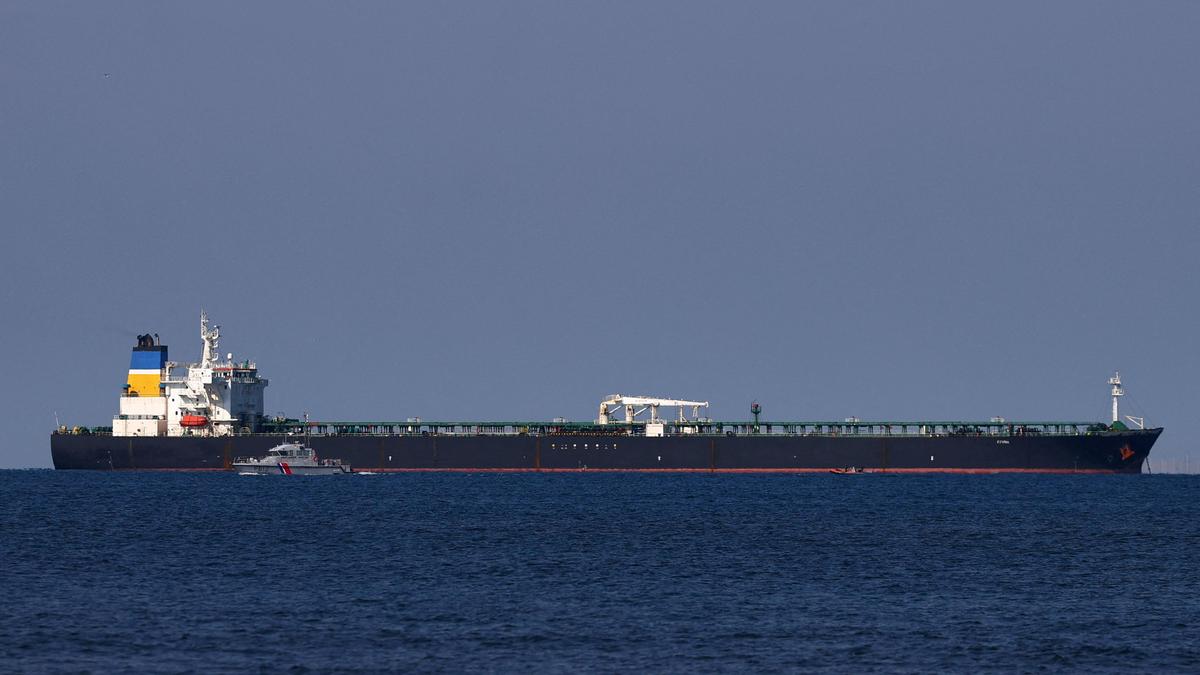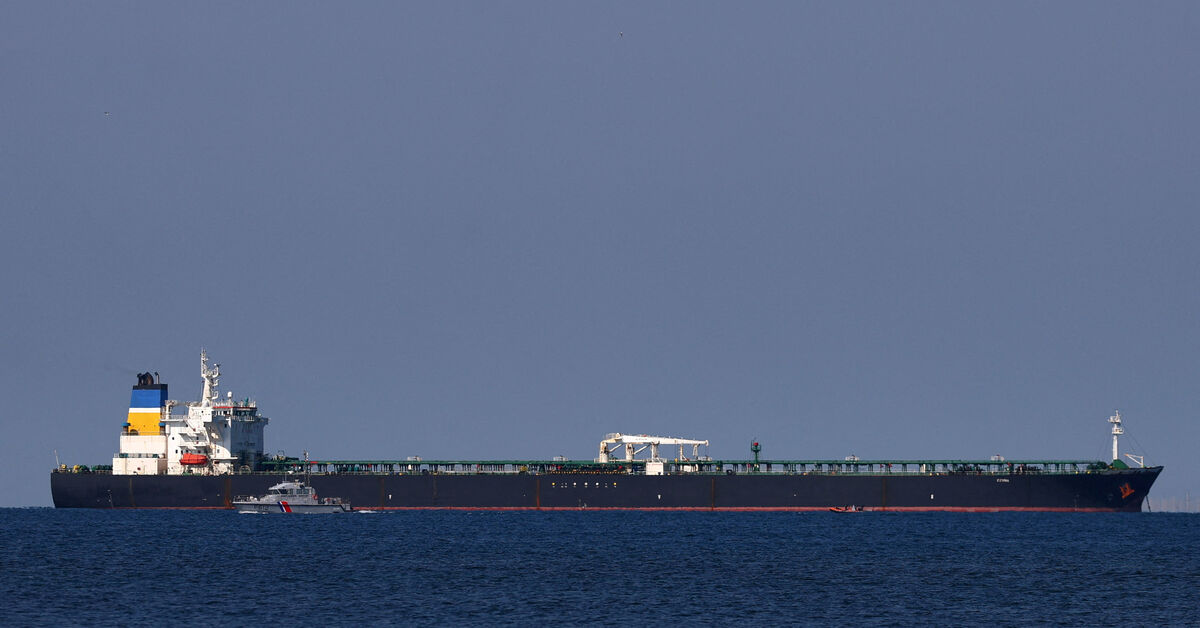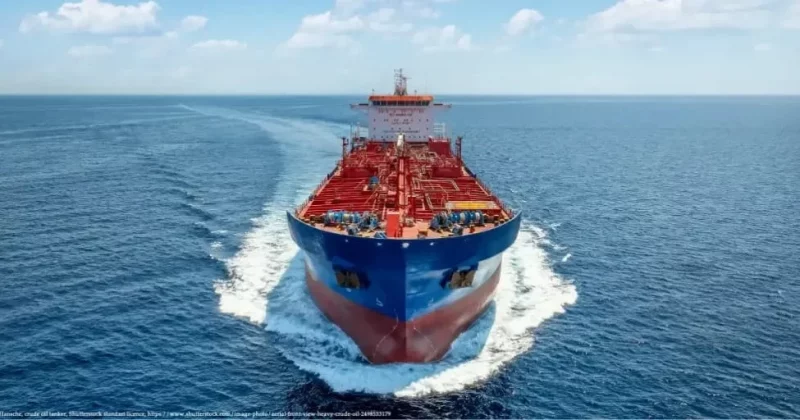
The US Treasury let its sanctions waiver for Russian seaborne oil purchases expire on May 16, closing a window that had allowed countries to buy Russian crude without triggering secondary sanctions. The Trump administration chose not to renew the temporary licenses, marking a harder line on energy enforcement against Moscow.
What the waiver actually did
The US issued General License 134, along with subsequent versions 134A and 134B, which permitted the delivery and sale of Russian crude and petroleum products that were already loaded on vessels by specific cutoff dates.
Around 10 countries had requested continued relief, citing supply risks tied to instability in the Strait of Hormuz. Treasury Secretary Scott Bessent responded by extending sanctions relief for an additional 30 days. That 30-day extension has now run its course, and no further renewal followed.
Bessent also pushed back on claims that Iran had benefited by more than $14B from related sanctions relief measures, though he did not provide an alternative figure.