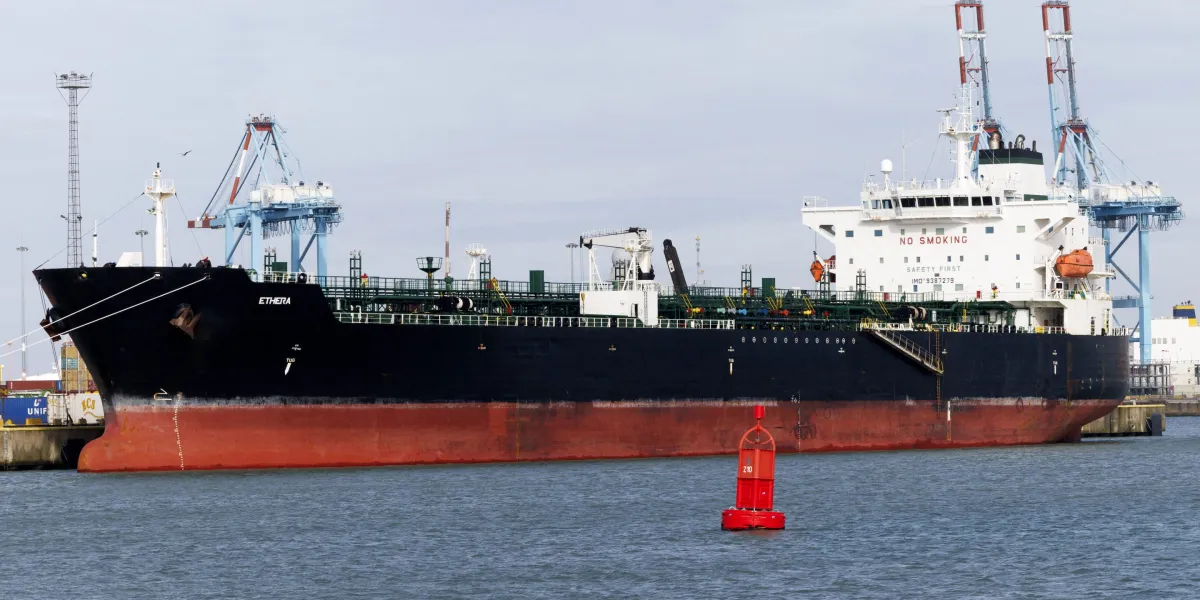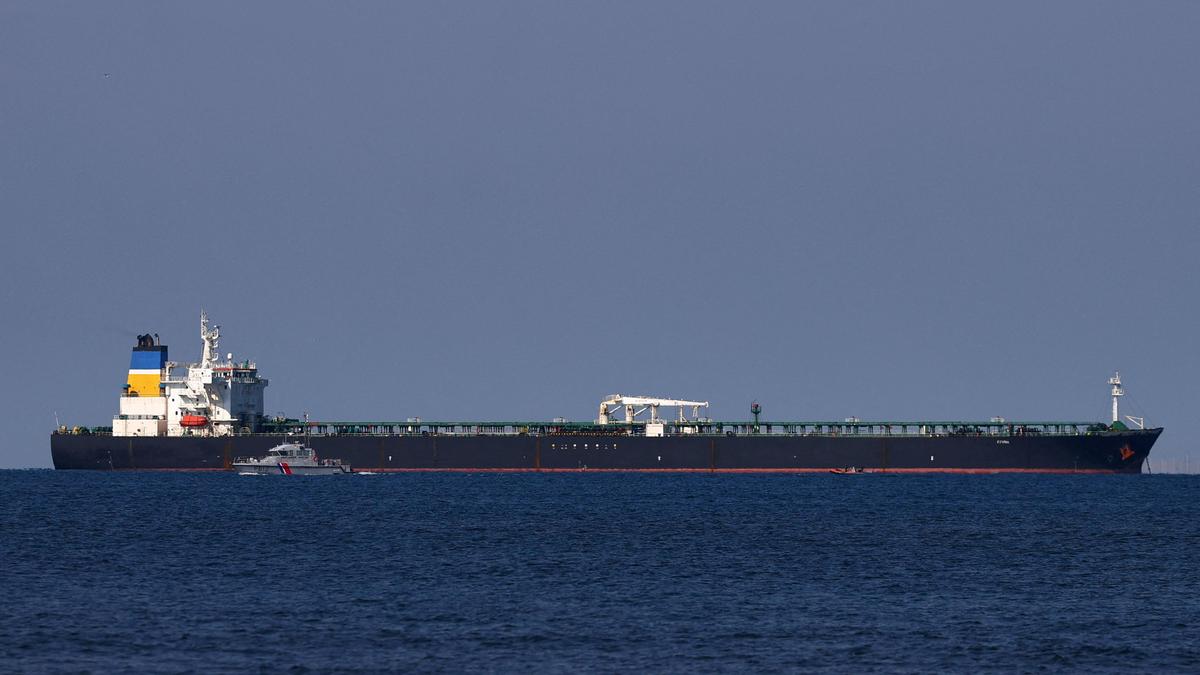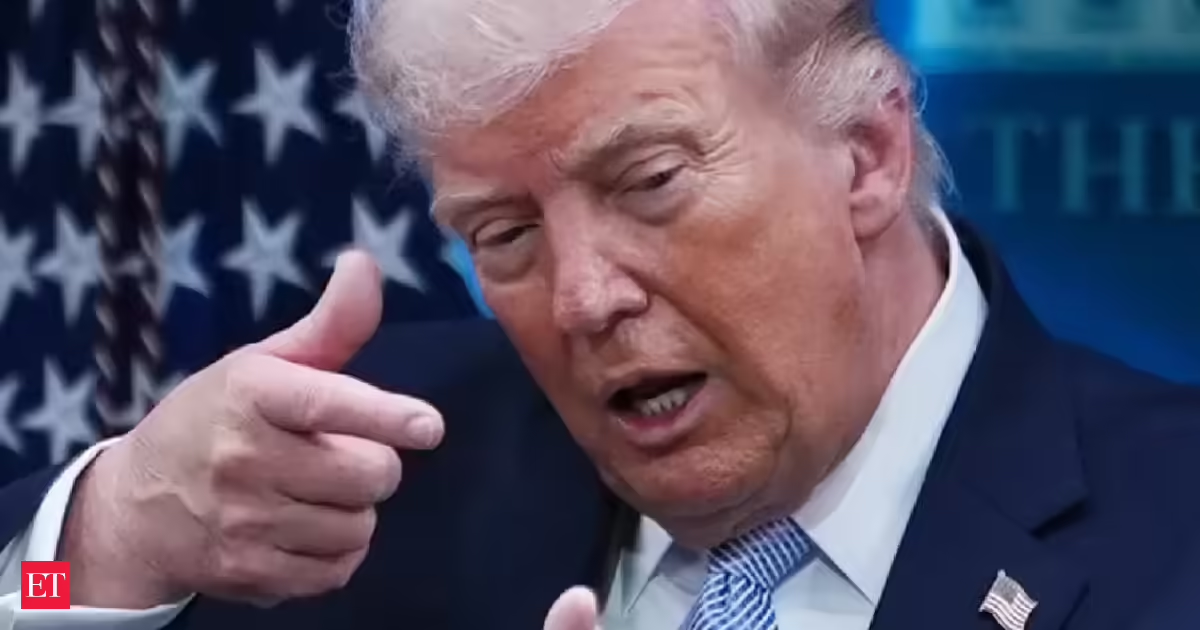
The Trump administration let a waiver encouraging Russian crude oil sales expire on April 11, sparking immediate anxiety about global supply constraints. Then, after Treasury Secretary Scott Bessent publicly declared on April 16 that the US would not renew waivers for Russian or Iranian oil, the administration did an about-face just two days later and issued a brand new one.
The fresh waiver, announced April 18, permits purchases of Russian oil loaded from that date through May 16. The license specifically excludes transactions involving Iran, Cuba, and North Korea.
The policy ping-pong, explained
Here’s the timeline. The original general license for Russian oil sales expired on April 11. That license had allowed Russian crude loaded by March 12 to continue being sold and settled through the financial system without triggering sanctions violations.
When it lapsed, the market held its breath. Five days later, Bessent appeared to settle the question by saying the US would not extend the waivers. Then came the reversal. On April 18, Treasury issued a new month-long waiver. The rationale, according to the administration’s framing, was to alleviate surging energy prices driven by broader geopolitical tensions and tighter global supply caused by restrictions on Iranian oil.