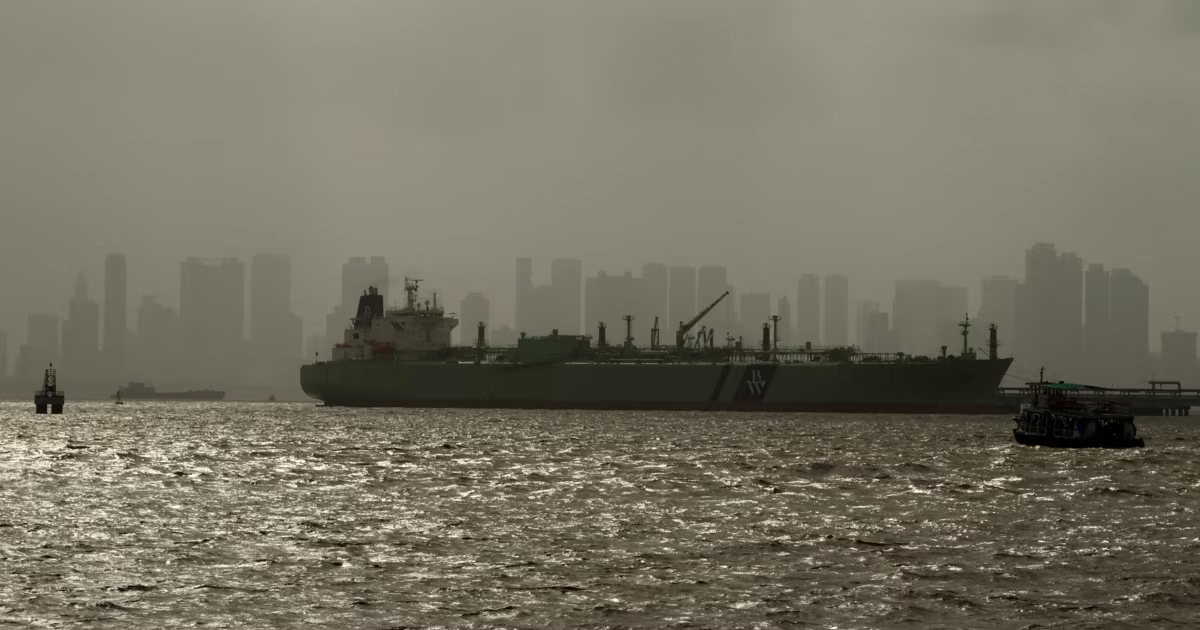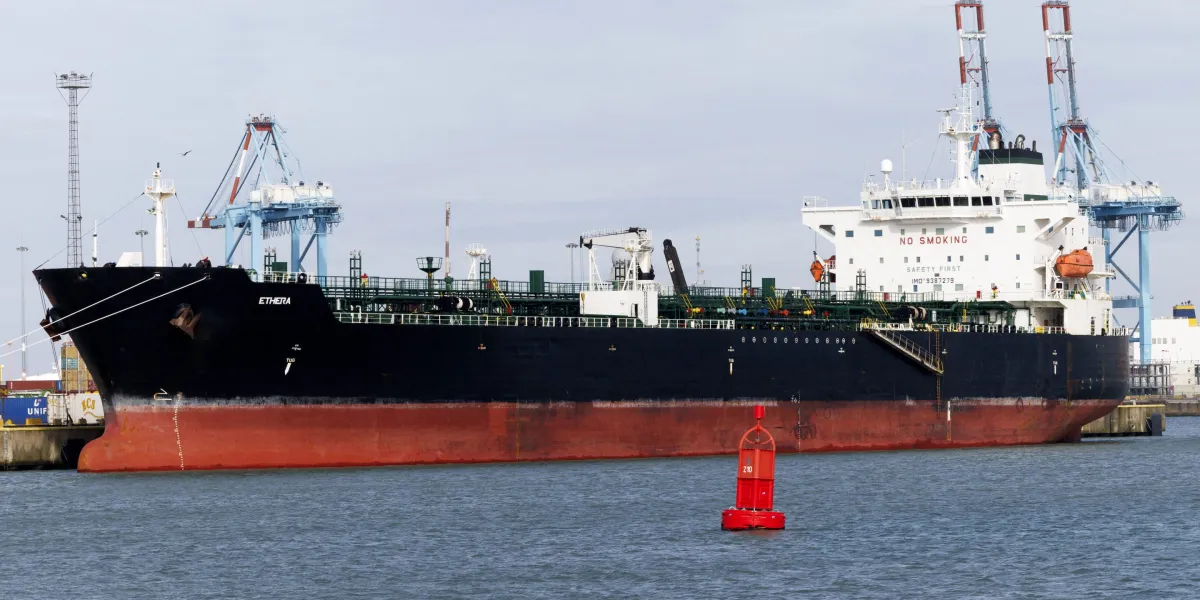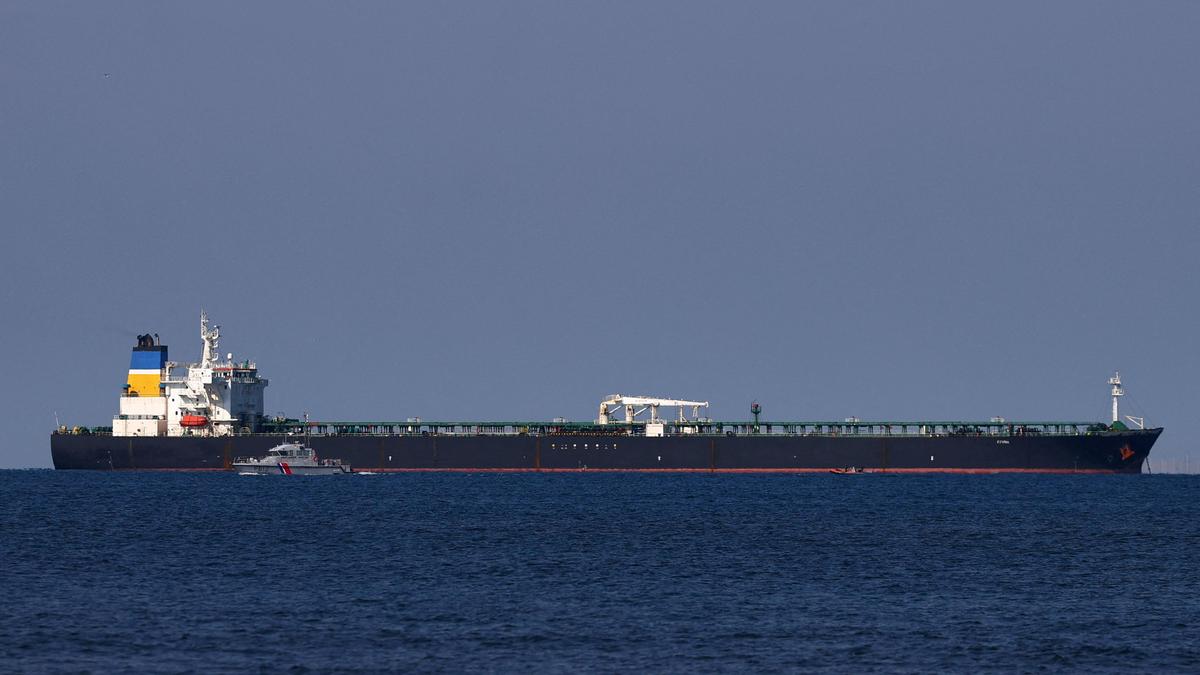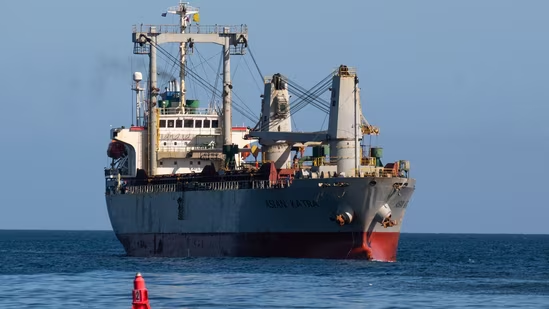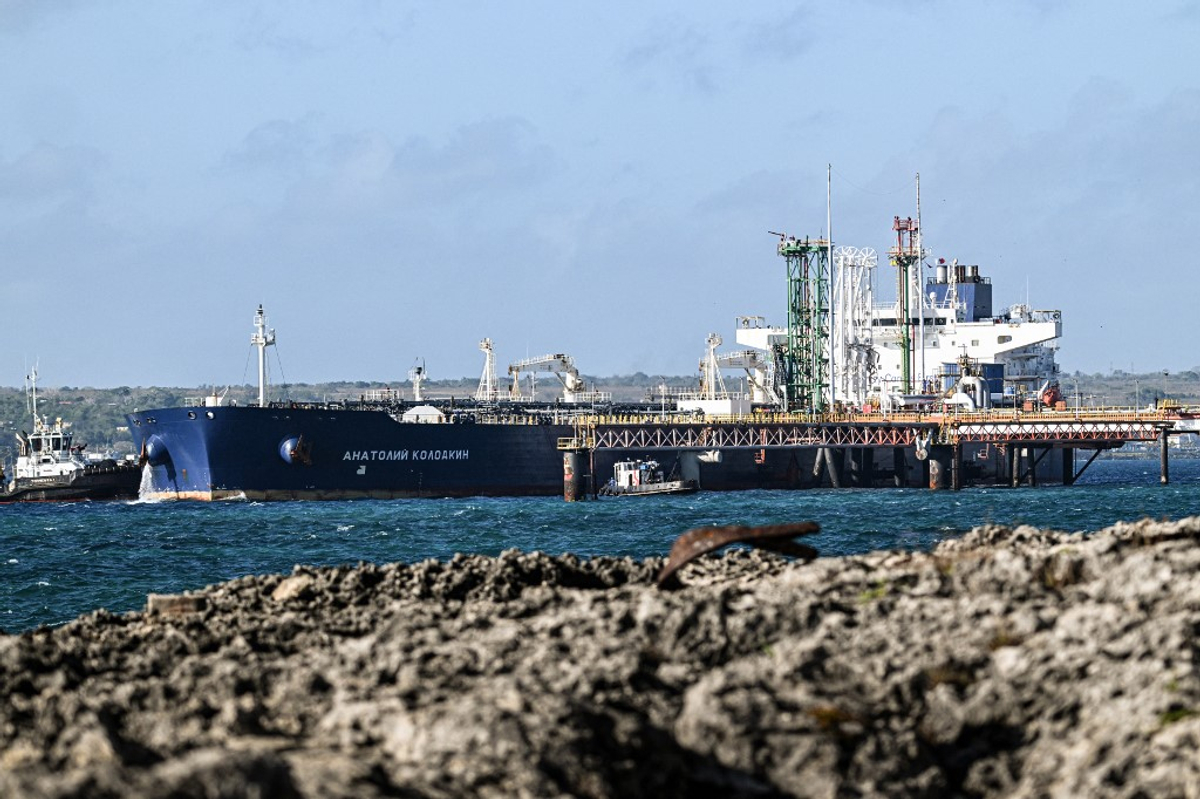
The Trump administration has officially terminated its short-lived, highly controversial sanctions-waiver program for Russian oil, reverting to a policy of maximum economic pressure as global energy vectors shift, Bloomberg reported. The White House decided against extending the emergency temporary exemptions, bringing a definitive end to a brief policy window that had allowed certain tranches of Russian crude back onto Western-regulated global maritime markets.JOIN US ON TELEGRAMFollow our coverage of the war on the @Kyivpost_official. The birth and demise of General License 134B The US Treasury Department under Secretary Scott Bessent initially rolled out the specialized exemptions in March, subsequently approving a second 30-day extension via General License 134B in April. The waivers were narrowly tailored, applying exclusively to Russian crude that had already been loaded onto commercial tankers as of April 17, with an absolute operational ceiling running through May 16. The White House originally designed the measures as a shock absorber for global energy security, aiming to cool down international energy indexes after Brent crude surged past the $100-a-barrel threshold following the outbreak of the US-Israeli war with Iran on Feb. 28. Treasury officials confirmed the exemptions are no longer necessary because the specific Russian oil volumes previously stuck at sea have been “largely sucked up” and fully integrated into global inventories, making further updates redundant. A geopolitical rift over the ‘war machine’ The expiration of the waivers will likely defuse an increasingly bitter diplomatic rift between Washington and its primary European allies. Across the EU, capitals had vocally condemned the US policy shift, arguing that providing any regulatory leeway allowed Moscow to profit from the instability generated by its direct alliance with Tehran.
US Halts Russian Oil Waivers Despite Global Energy Crunch
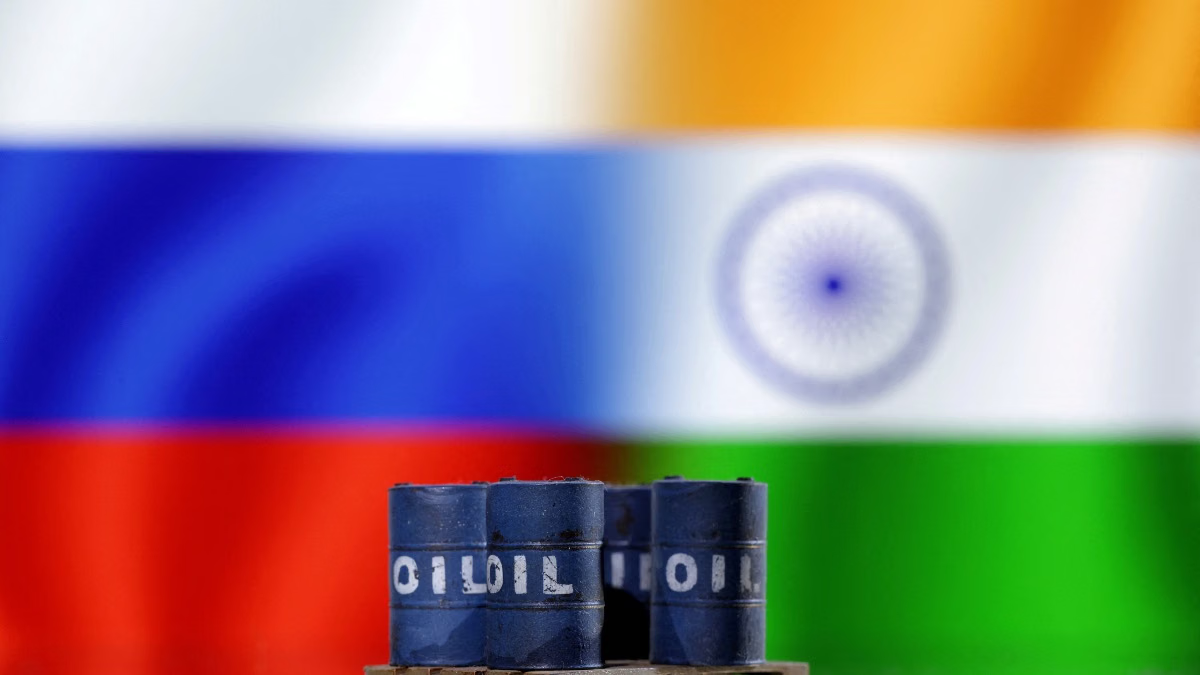
The Trump administration has ended its short-lived sanctions waivers for Russian oil, rejecting appeals from major importers like India to keep the exemptions active amid the ongoing Persian Gulf war.
601 words~3 min read