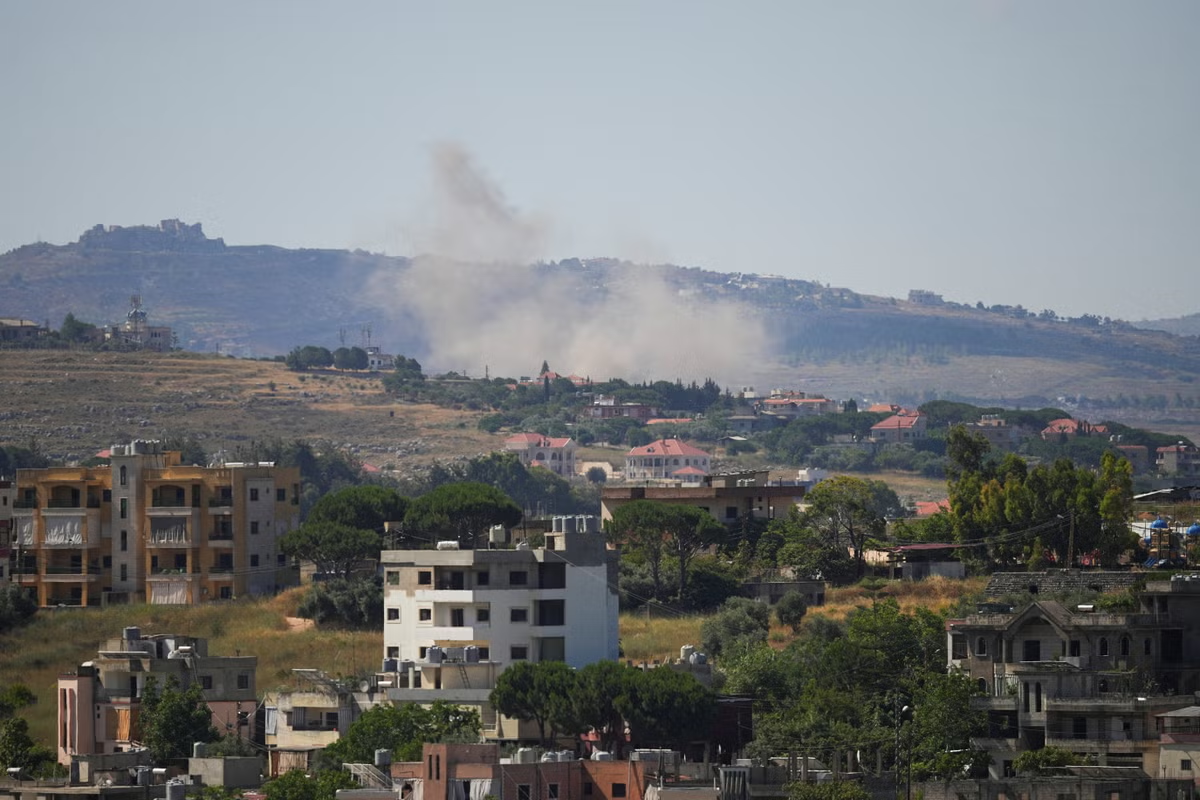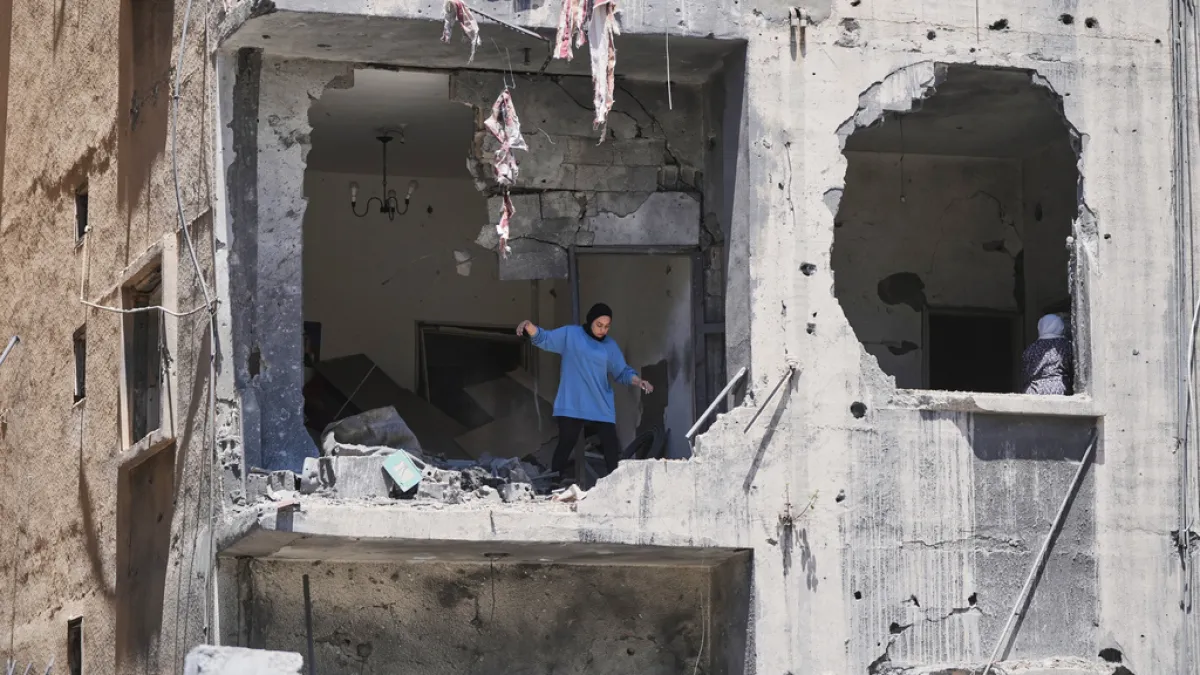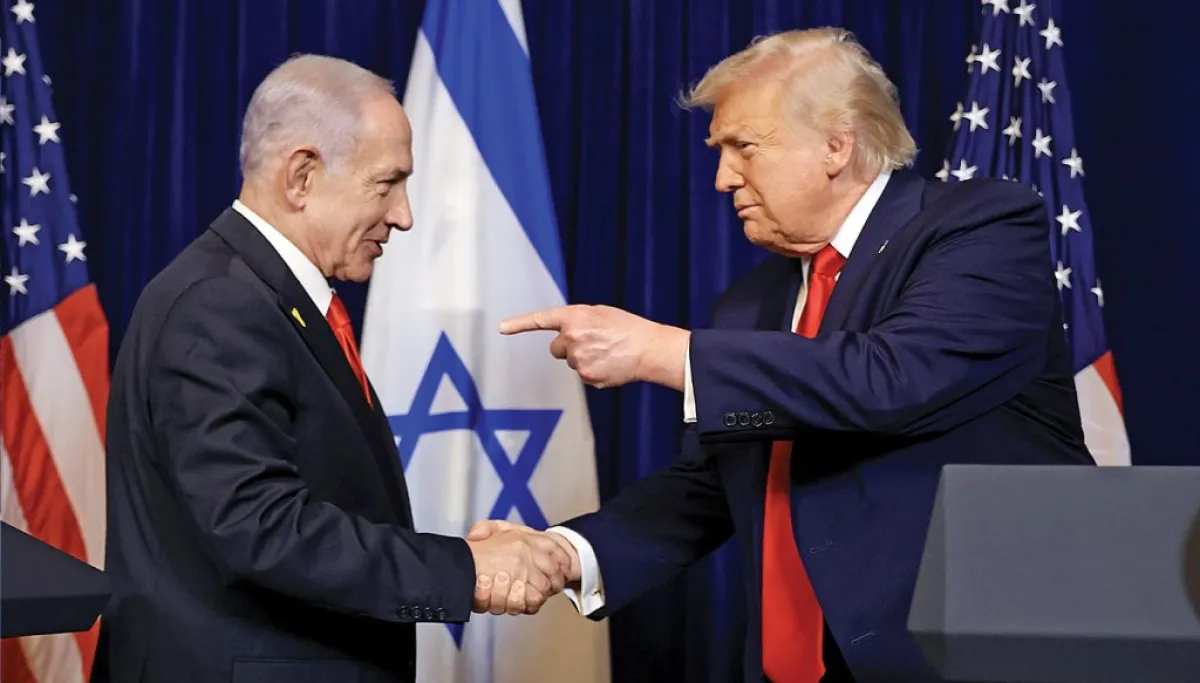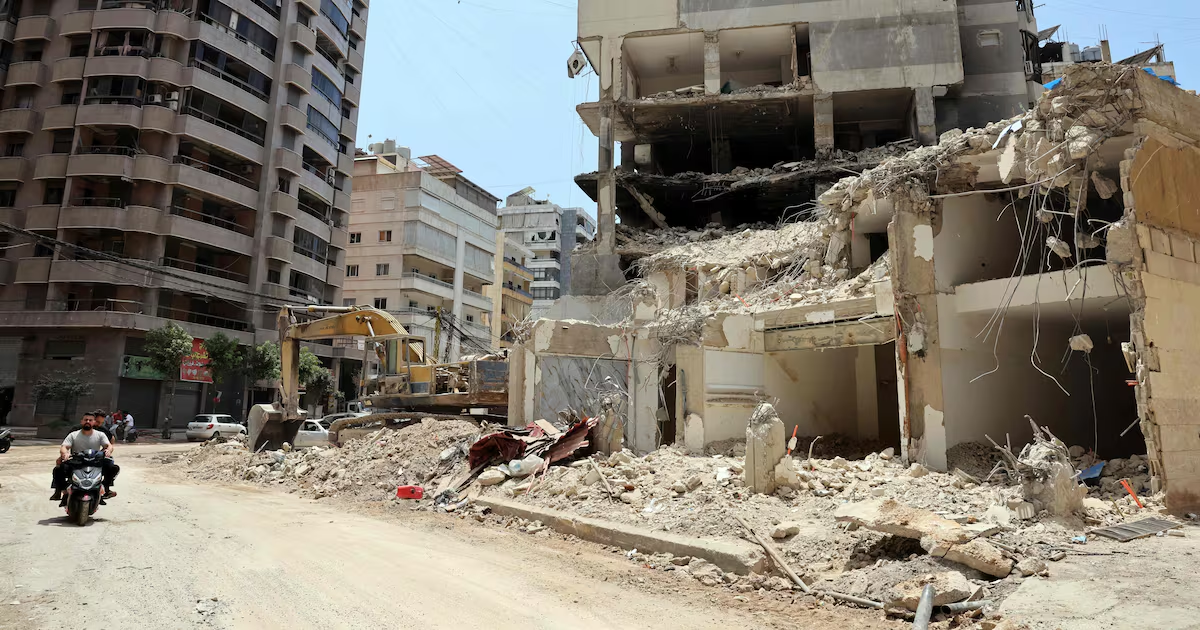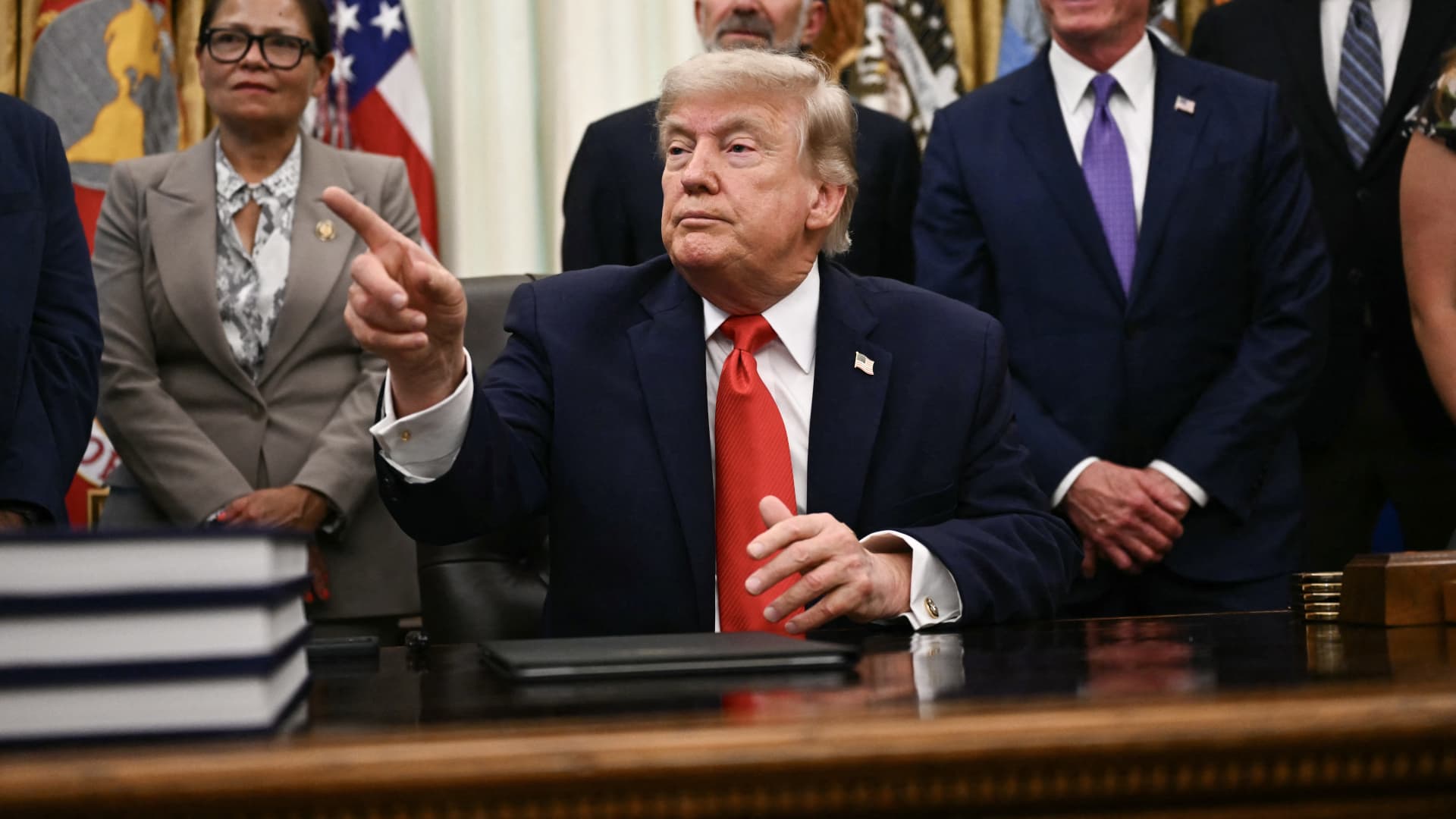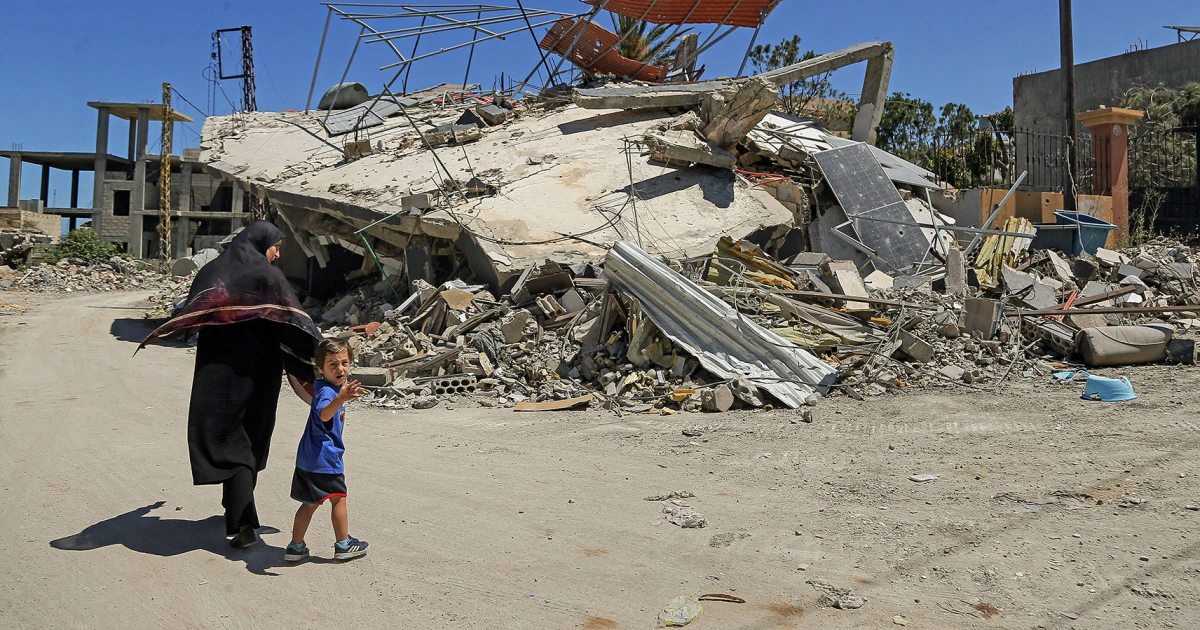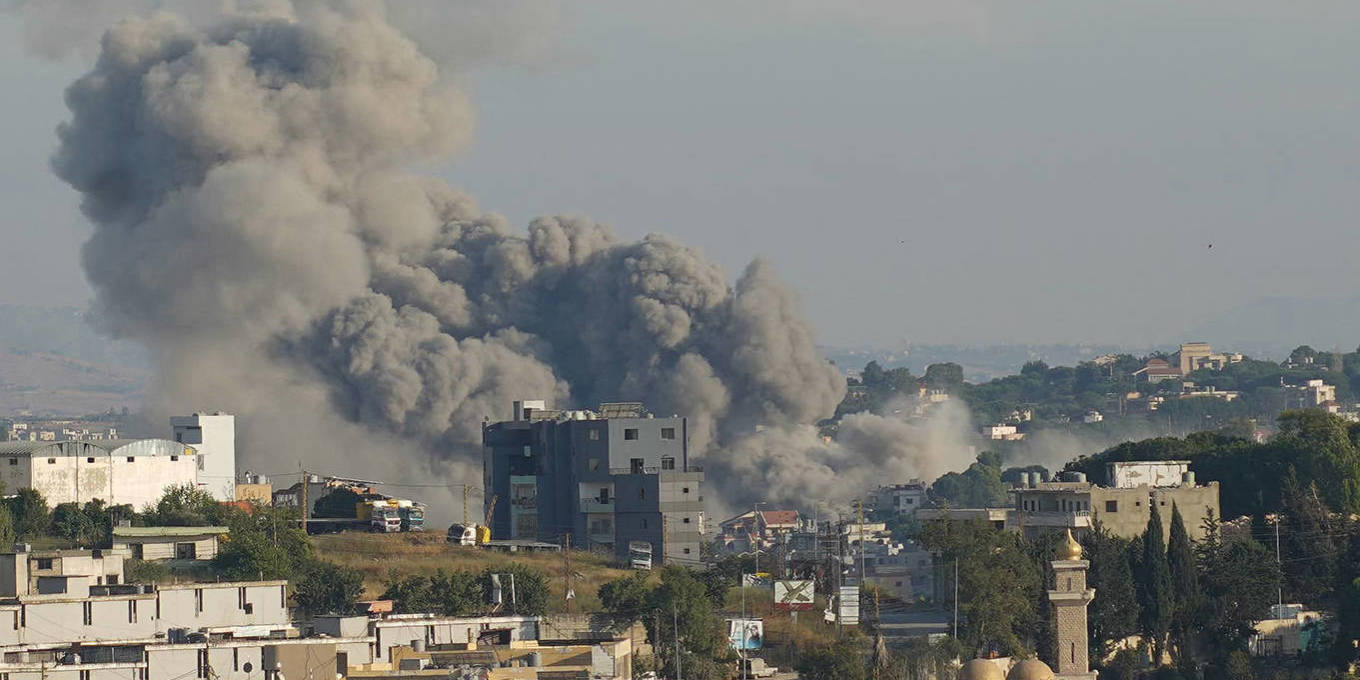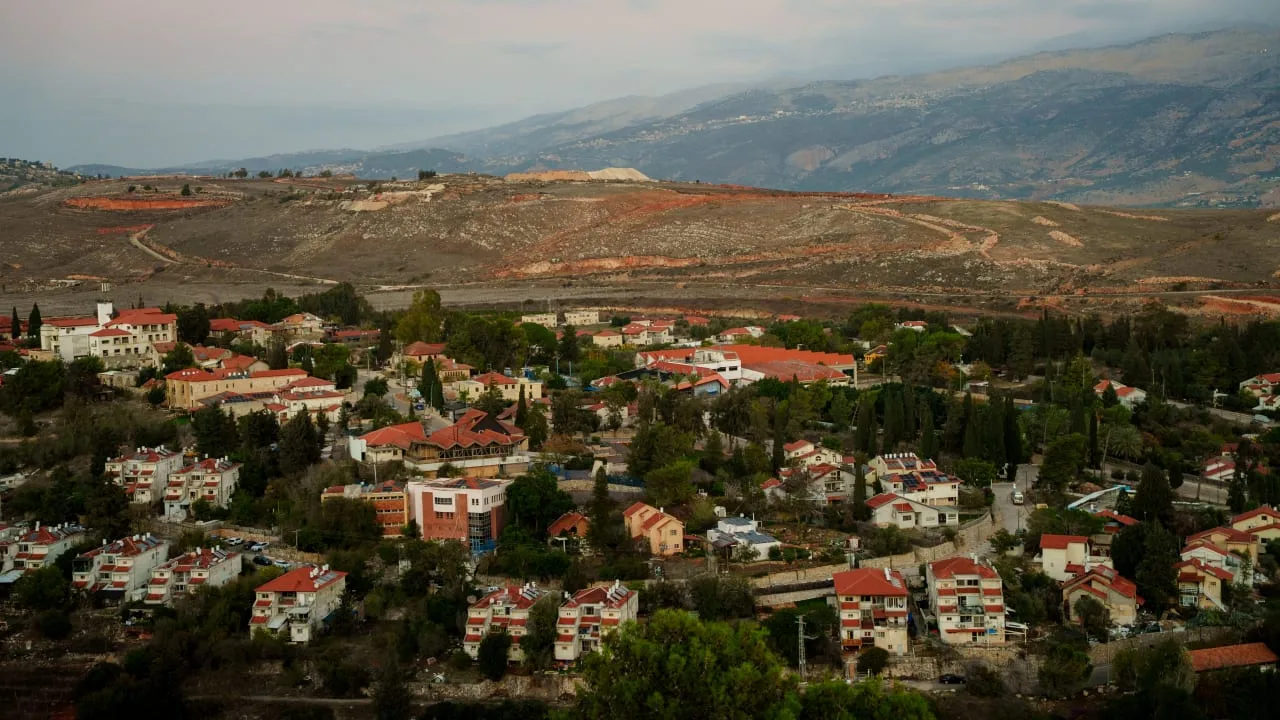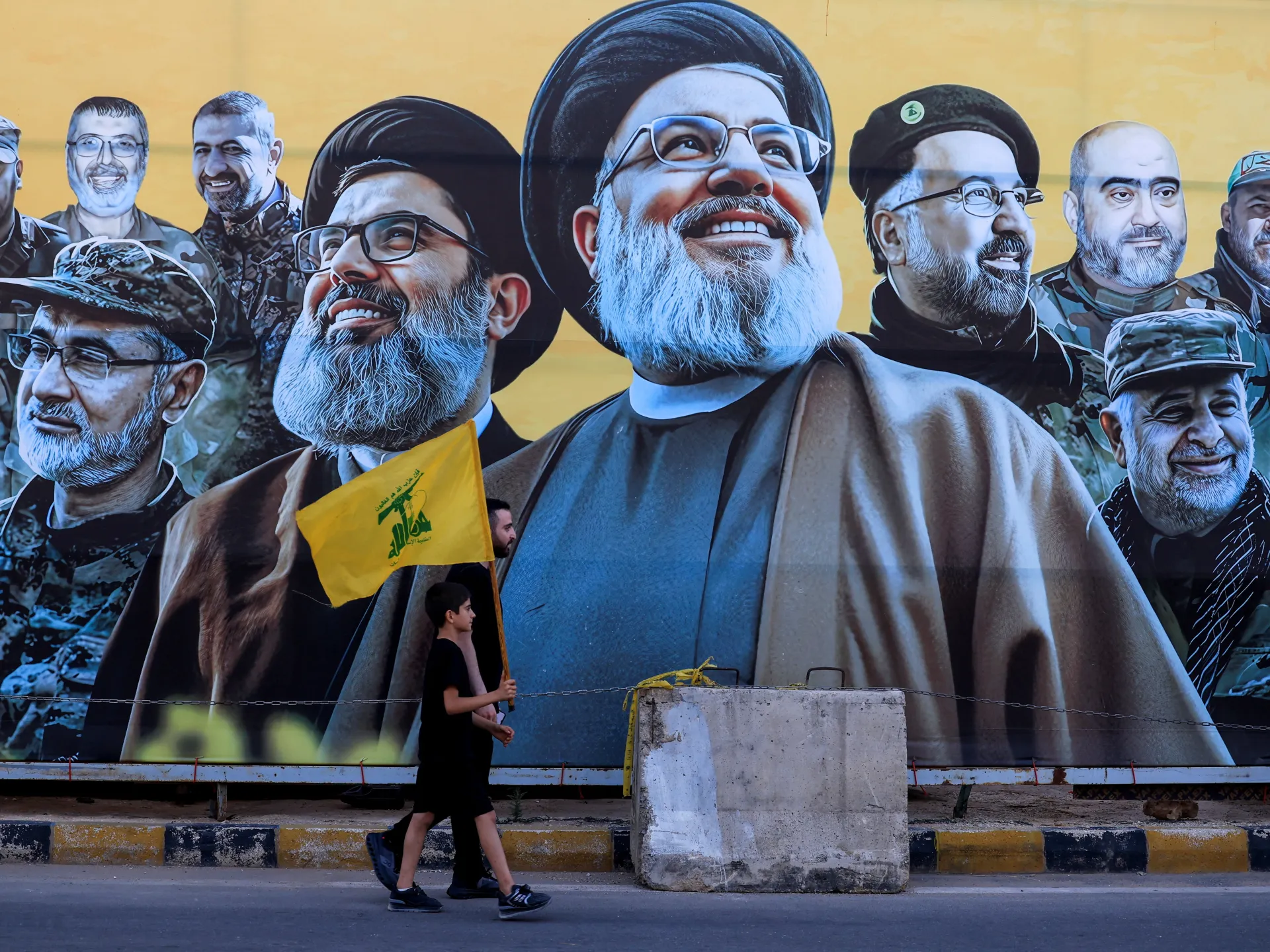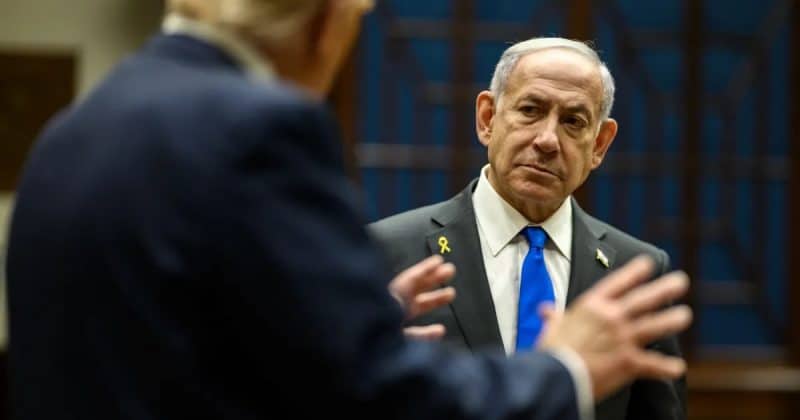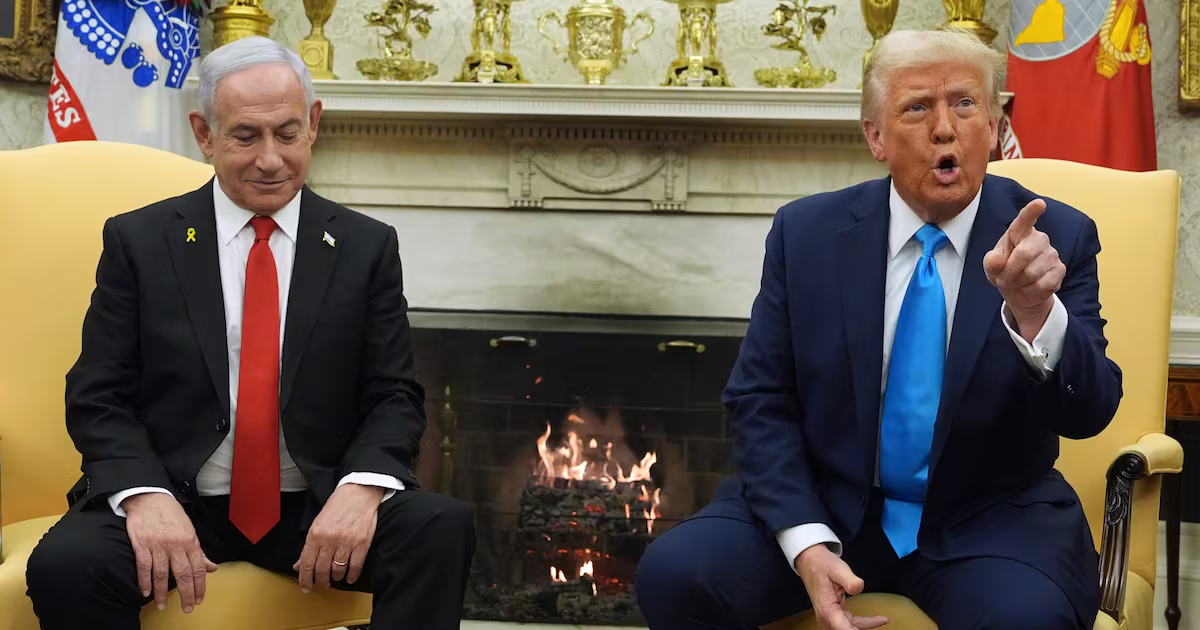
Israel was not in the loop when the US and Iran drew up their memorandum of understanding to end the Gulf war. Even a request to review the document before publication was rejected by the Trump administration.While most of the focus is on the Strait of Hormuz and what will happen in Iran, a more pressing concern for Israel is the fact Tehran has successfully insisted on linking a ceasefire in the Gulf to the end of hostilities in Lebanon.In the period after the Hamas attack on southern Israel in October 2023, more than 70,000 Israelis fled their homes along the northern border in order to escape Hizbullah rocket fire. Under the November 2024 ceasefire agreement between Israel and Lebanon, the government in Beirut committed to ensuring Hizbullah forces left the border area. But the cross-border fire continued and Israeli forces deepened their military occupation in an effort to strike Iranian-backed Hizbullah militants.Israel is now concerned that the US will impose a military withdrawal as part of a peace deal with Iran. Assurances along these lines have been received by Hizbullah from Iranian officials in recent days, insisting on an end to the war in Lebanon as part of the Gulf memorandum of understanding.The Israel Defense Forces believe it will be asked to withdraw to the yellow line – roughly 10 kilometres north of the border – in the near future, followed by additional pressure to retreat fully to the international border, without any mechanism in place to protect Israel’s northern communities. The Saudi newspaper Asharq Al-Awsat reported on Wednesday that Israel will be required to complete a withdrawal of forces from Lebanon within 60 days.[ Netanyahu and Israel hindering peace efforts with Iran, says TrumpOpens in new window ]US president Donald Trump arrives to speak at a press conference during the G7 Leaders' Summit on June 17, 2026 in Evian-les-Bains, France. Photograph: Anna Moneymaker/Getty Images Trump launched a scathing attack on Israeli policy in Lebanon in comments at the G7 gathering. “I’m not happy with the way Israel has handled themselves with Lebanon and with Hizbullah. They should have been able to do the job faster. It just goes on forever,” he said. “I suggested to Israel to let Syria take care of Hizbullah,” he added, ”because to be honest with you, I think they’d do a better job.”Israeli prime minister Binyamin Netanyahu insists Israel will maintain its buffer zone inside Lebanon and it remains to be seen how he will react if Washington imposes a withdrawal to the international border.Residents of the north are accusing the government of failing to provide basic security after urging those who fled to return to their homes. With elections looming, Netanyahu is trying to create the impression of a leader who puts Israel’s security interests first – but to many, it appears he does what Trump tells him.[ US-Iran deal to sideline nuclear weapon for Tehran, says TrumpOpens in new window ]
Israel blindsided by US–Iran pact tying Gulf ceasefire to Lebanon
Trump’s sidelining of Israel and criticism of its Lebanon campaign deepen domestic political and security anxieties
490 words~2 min read