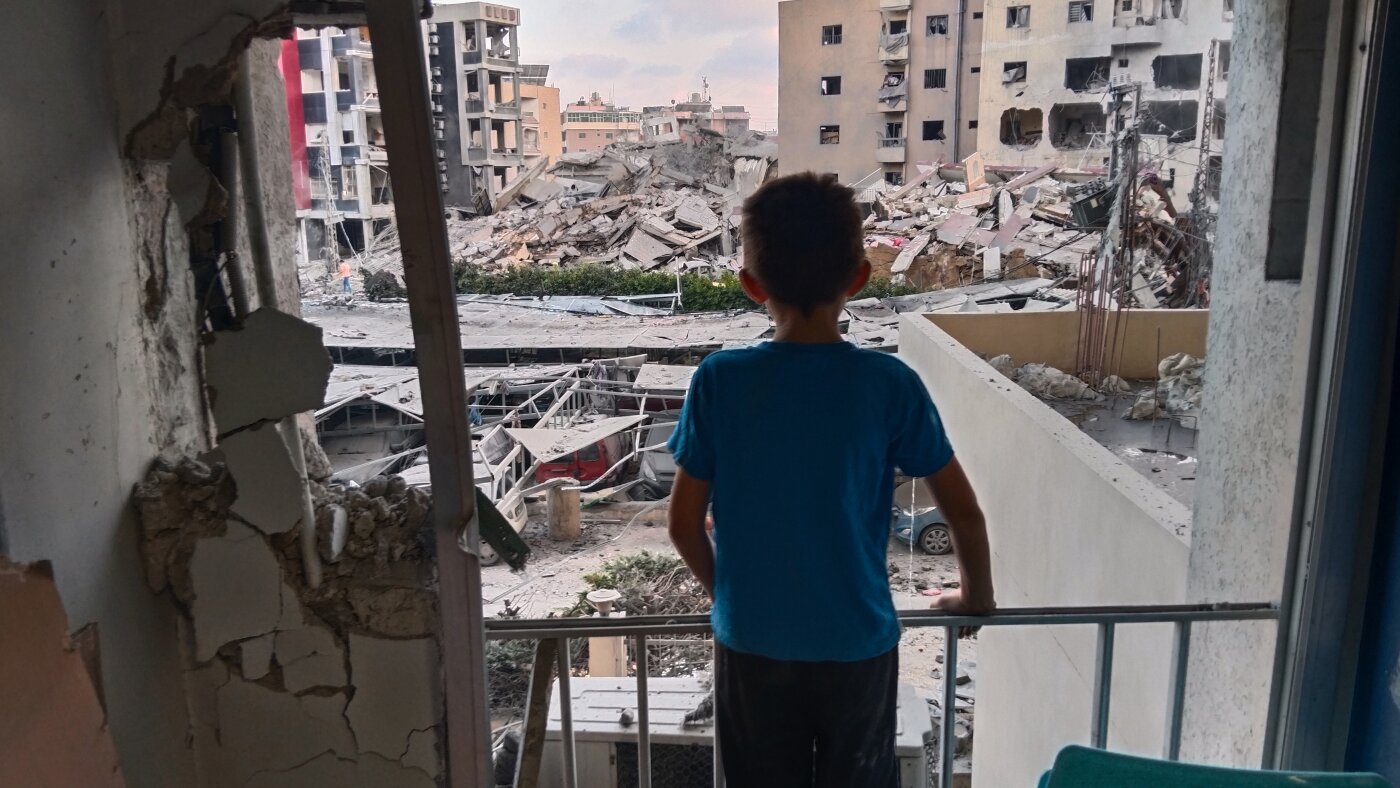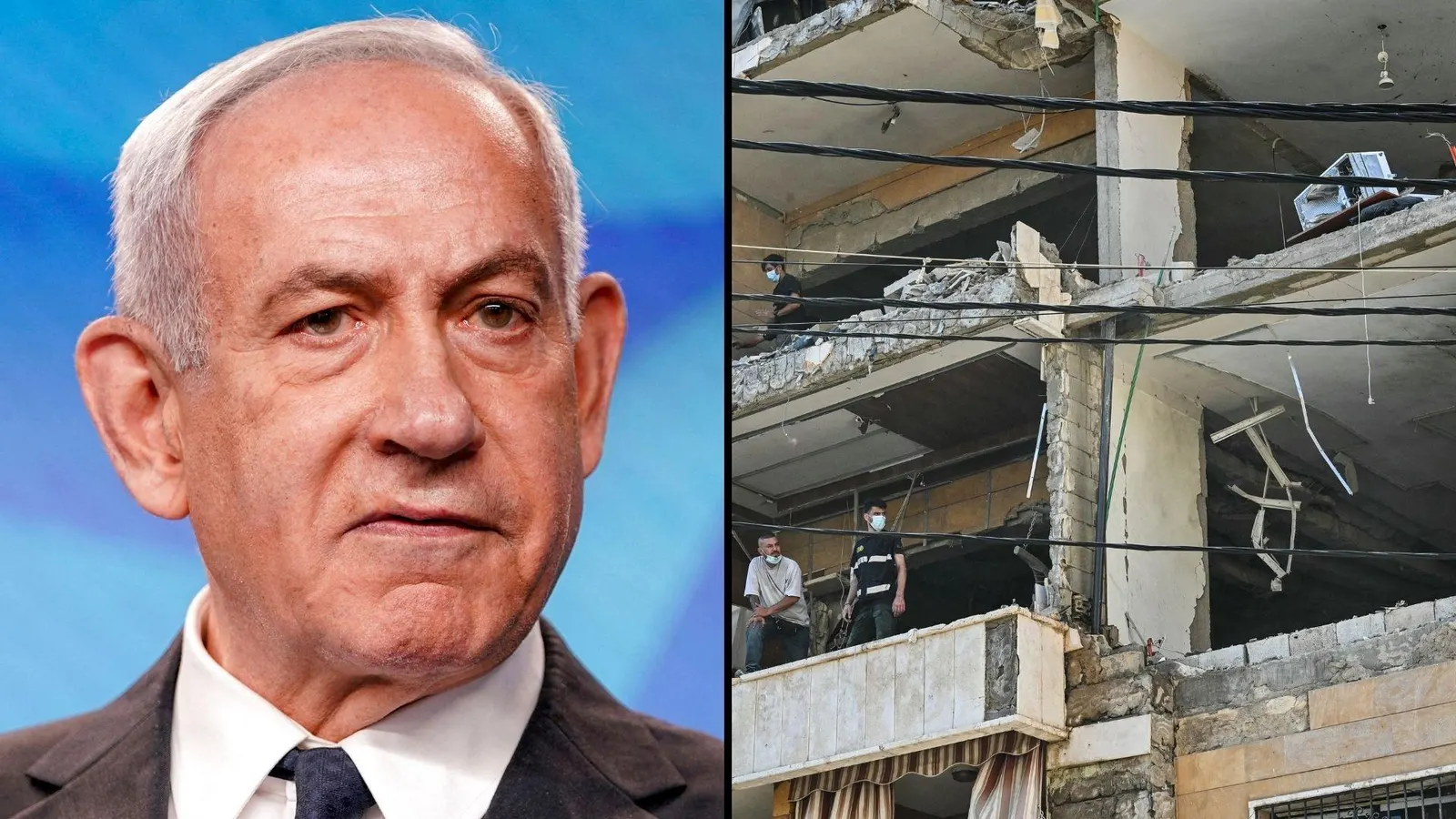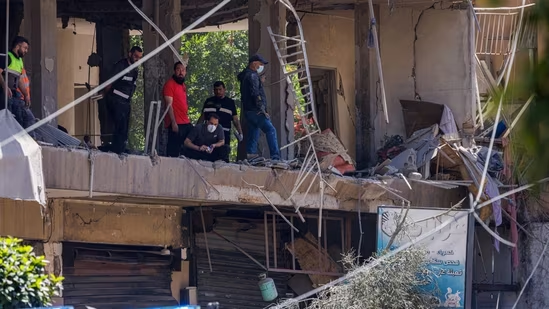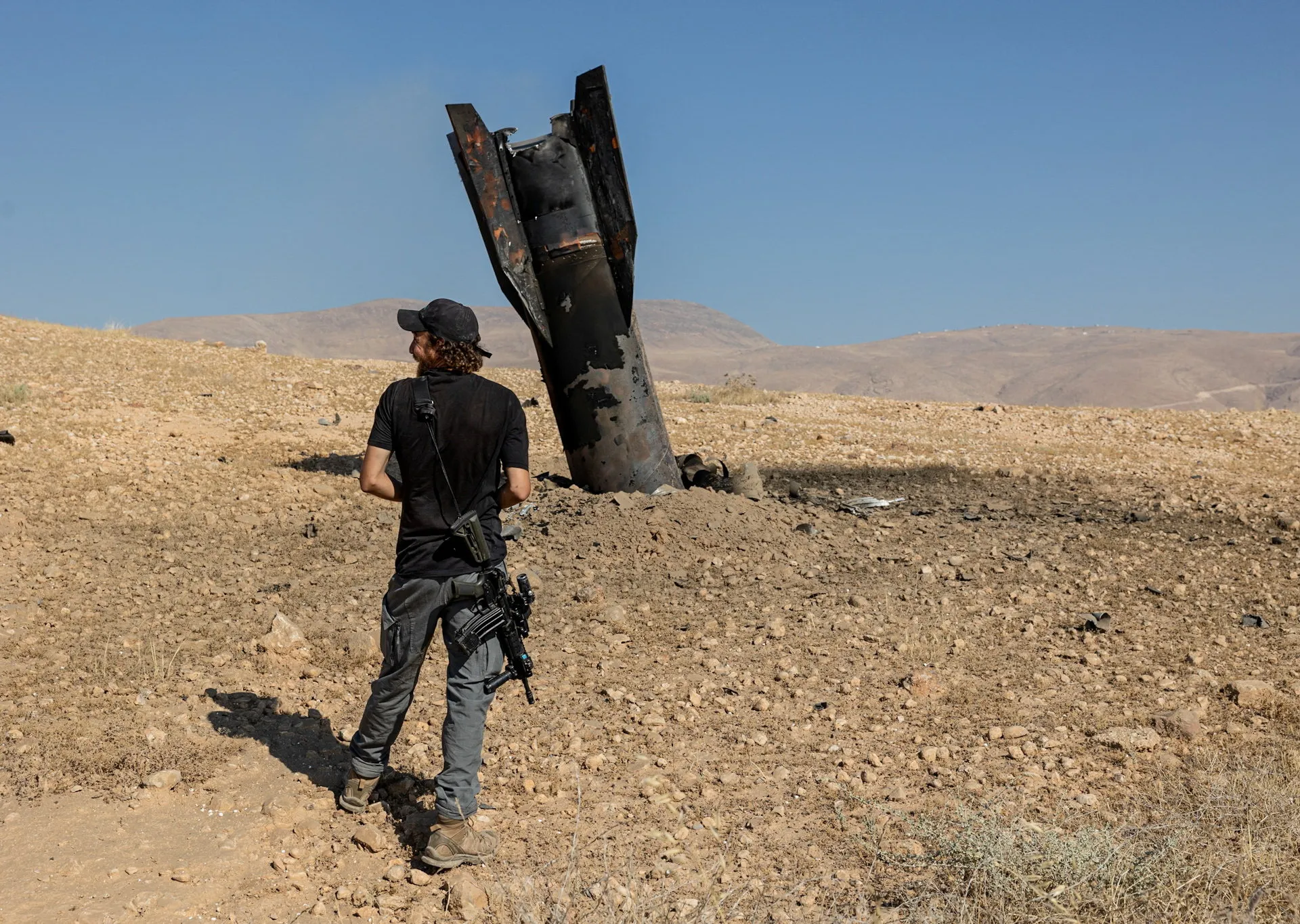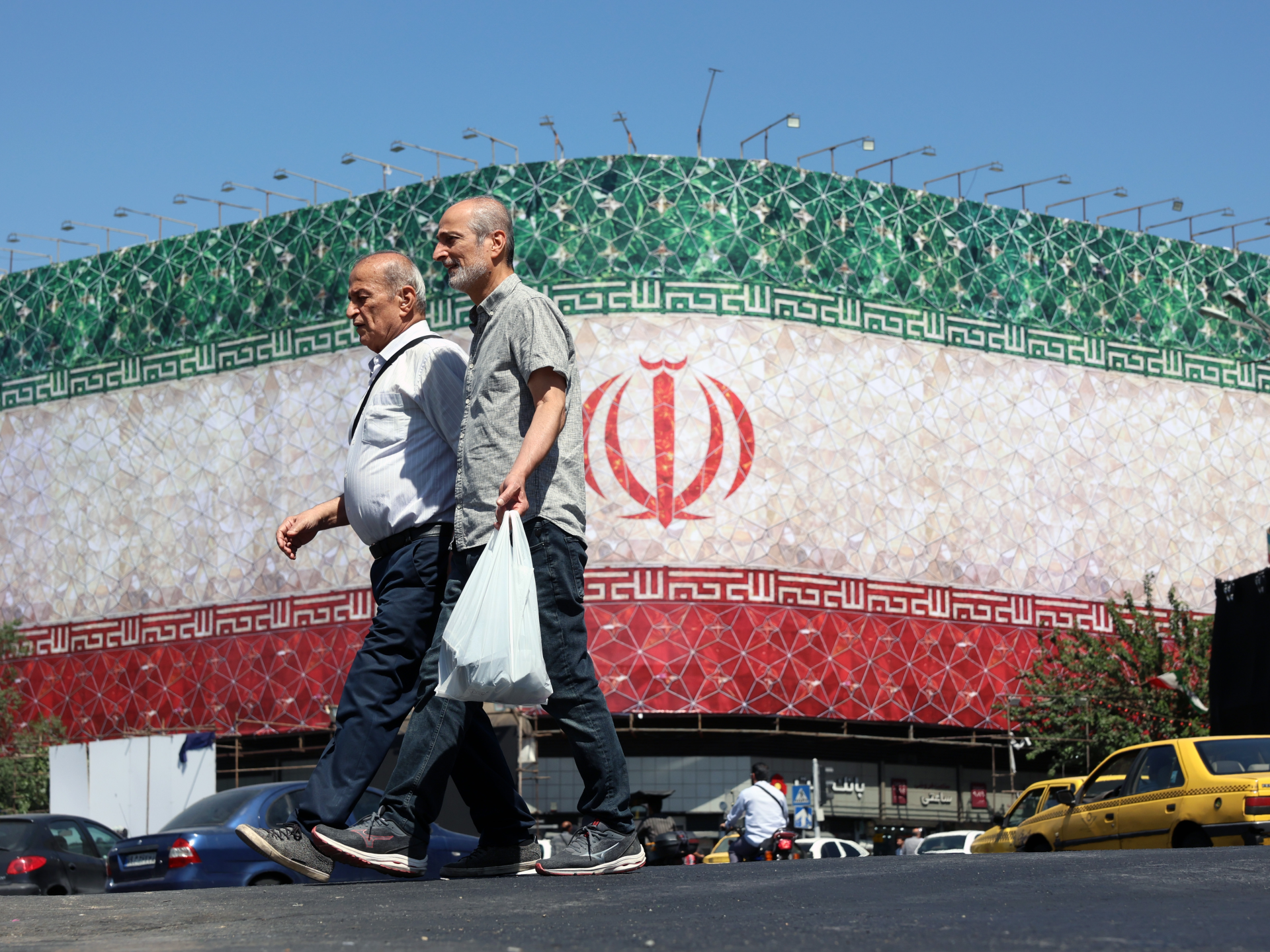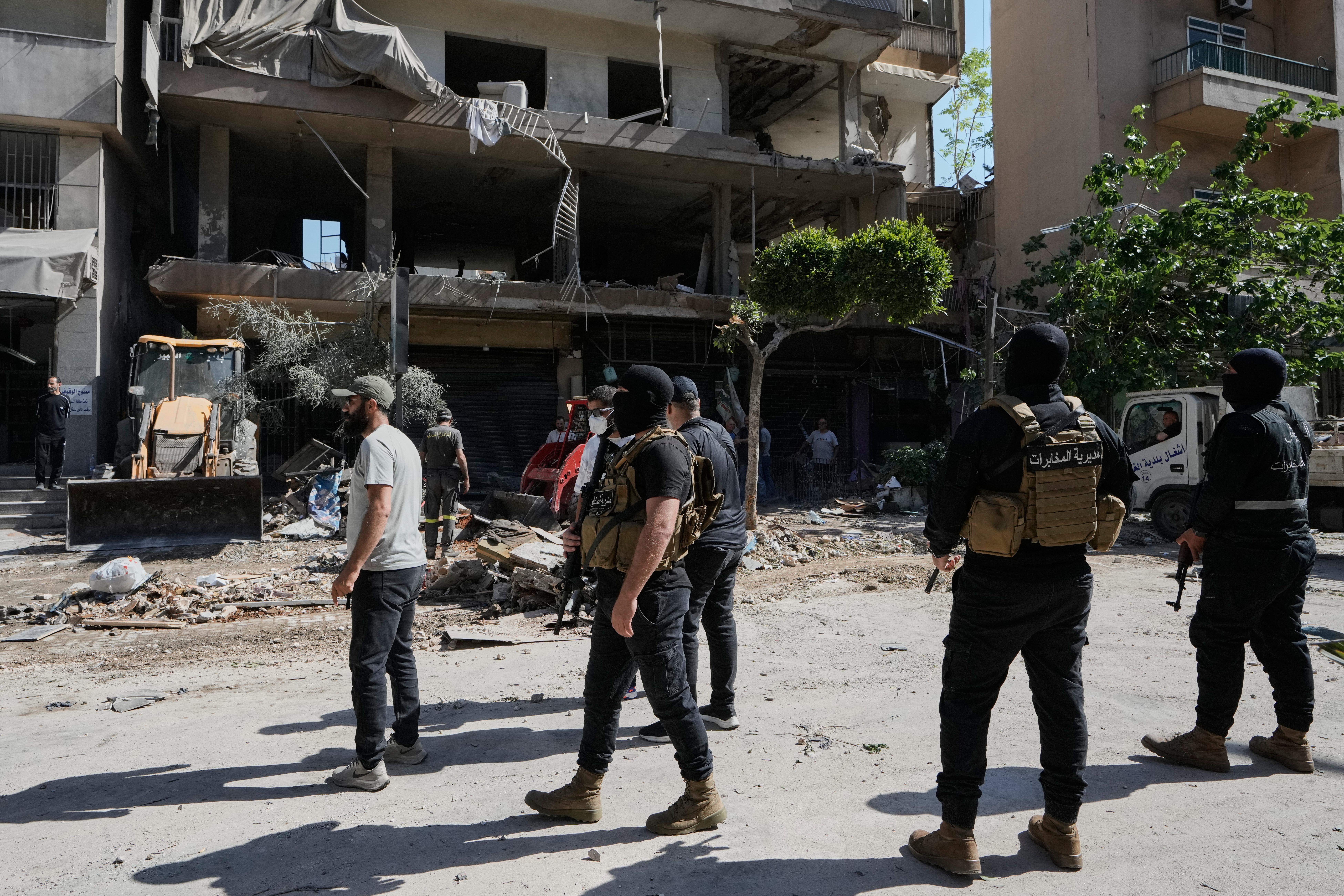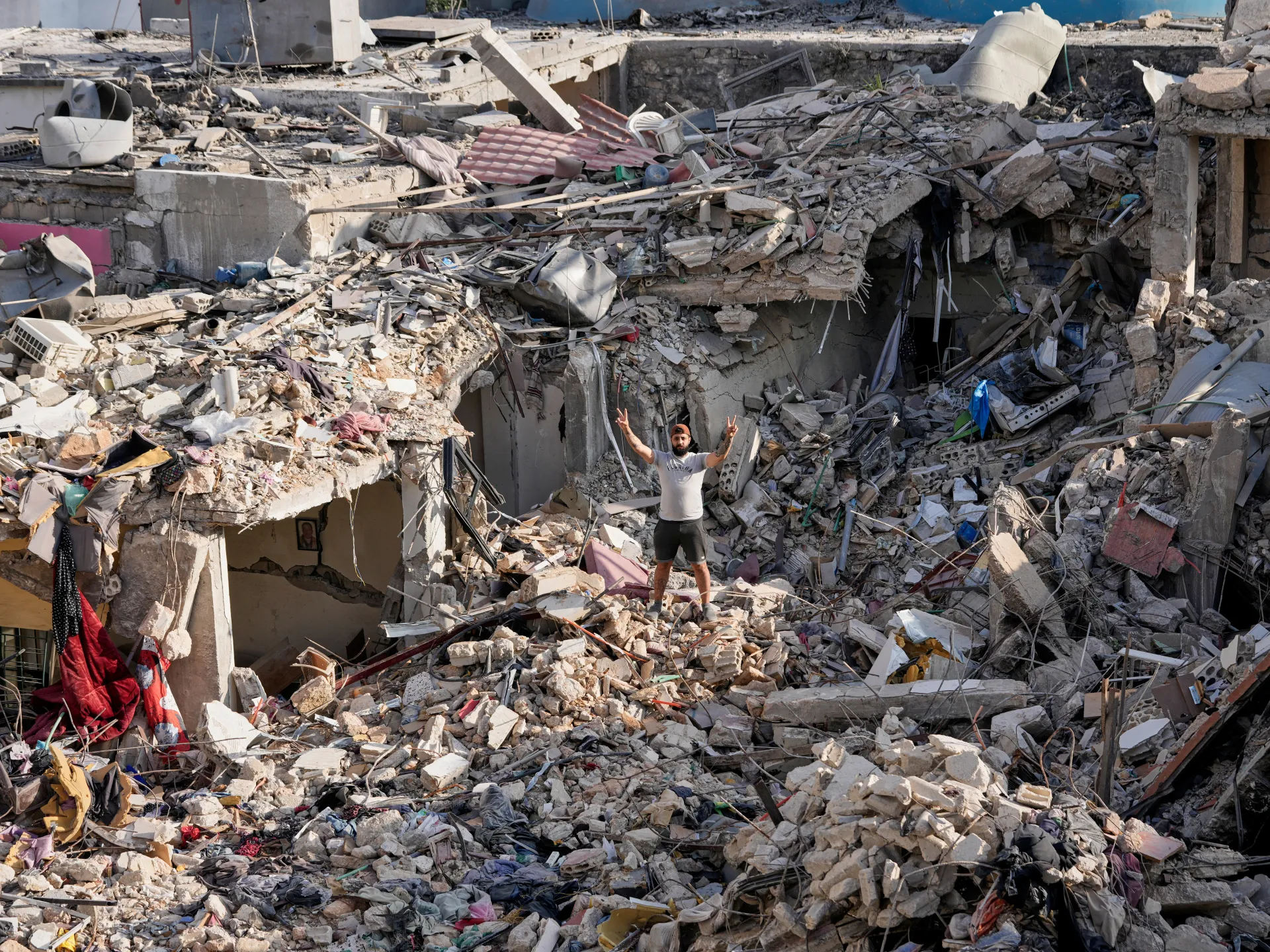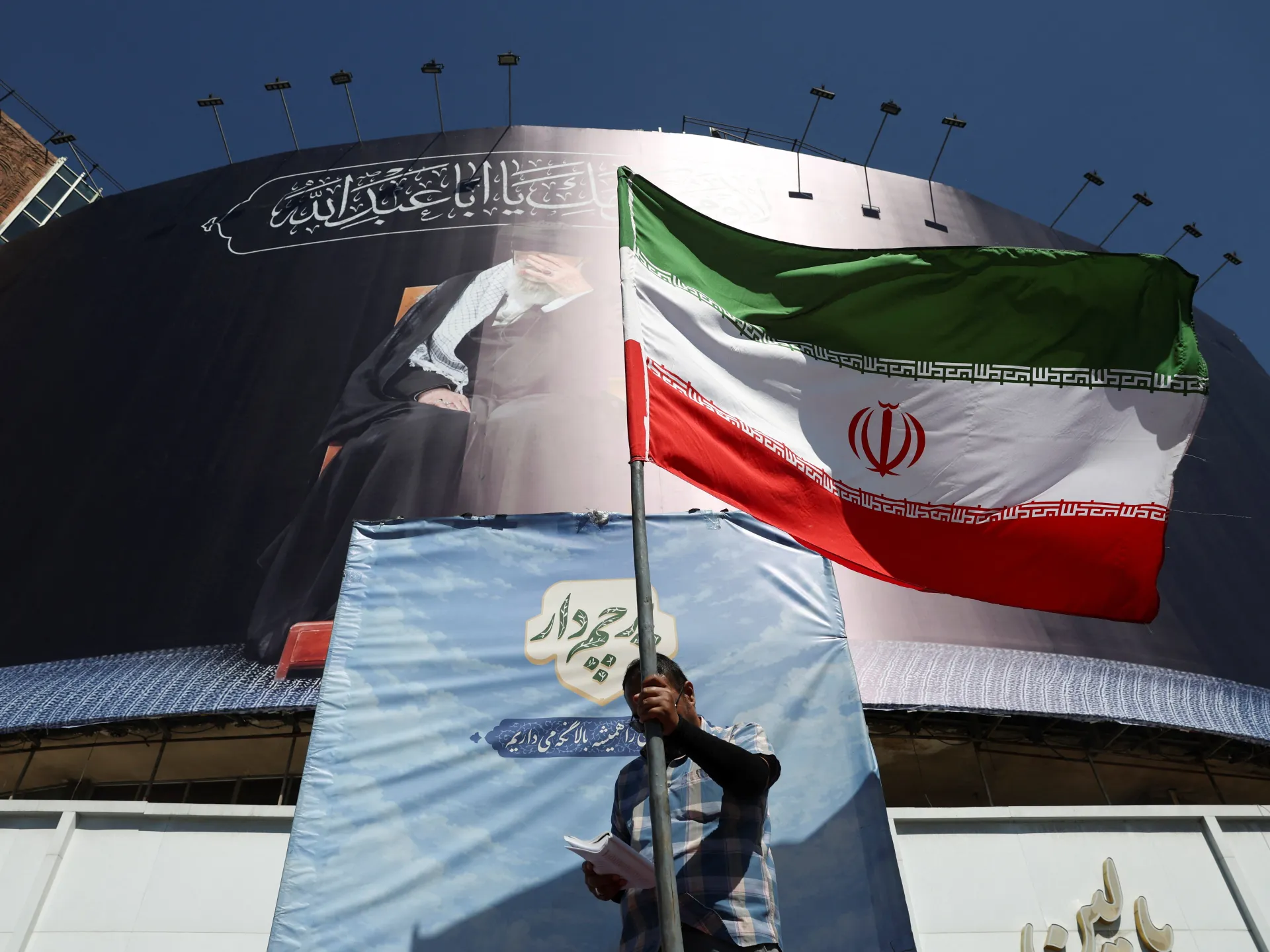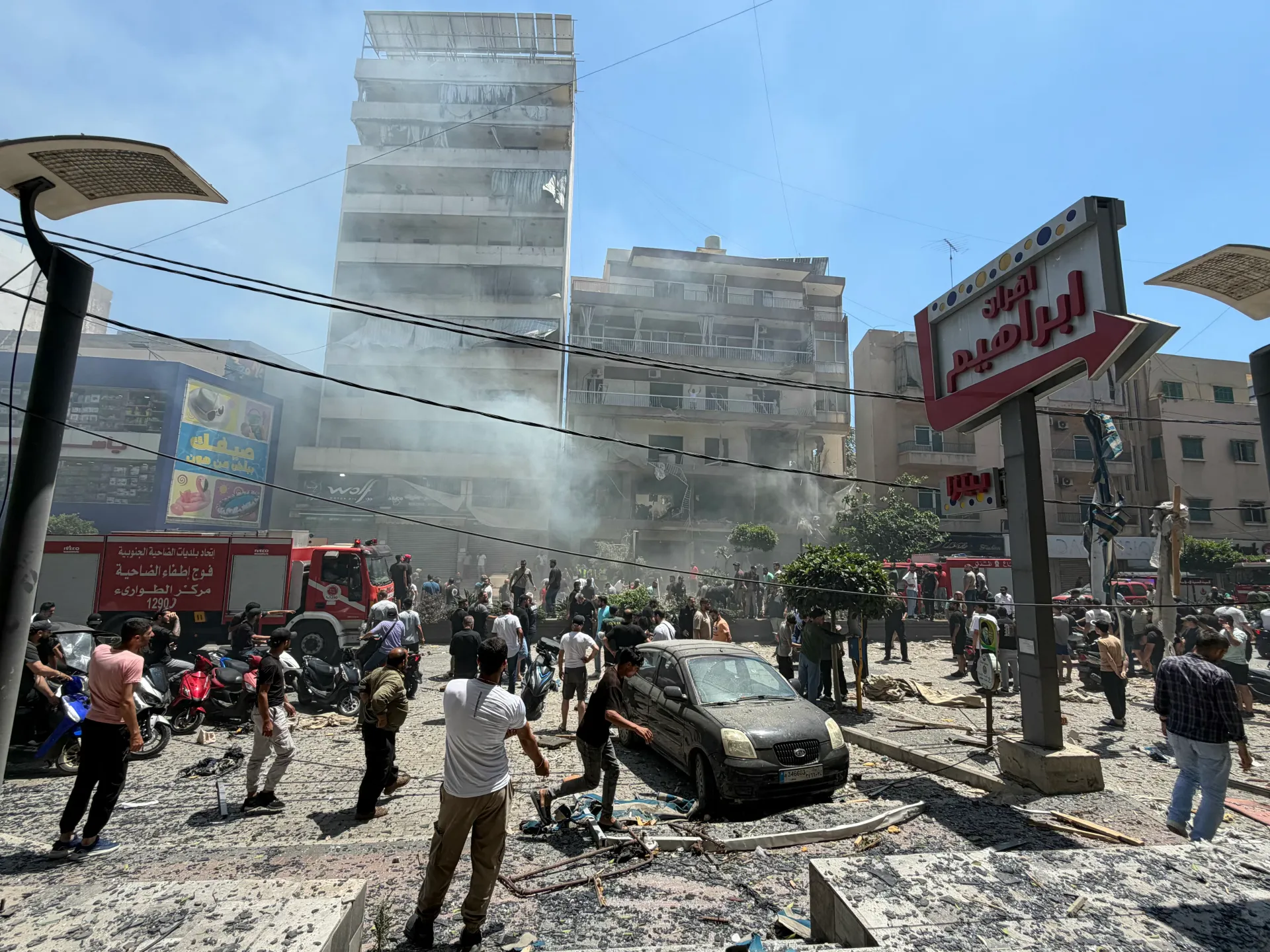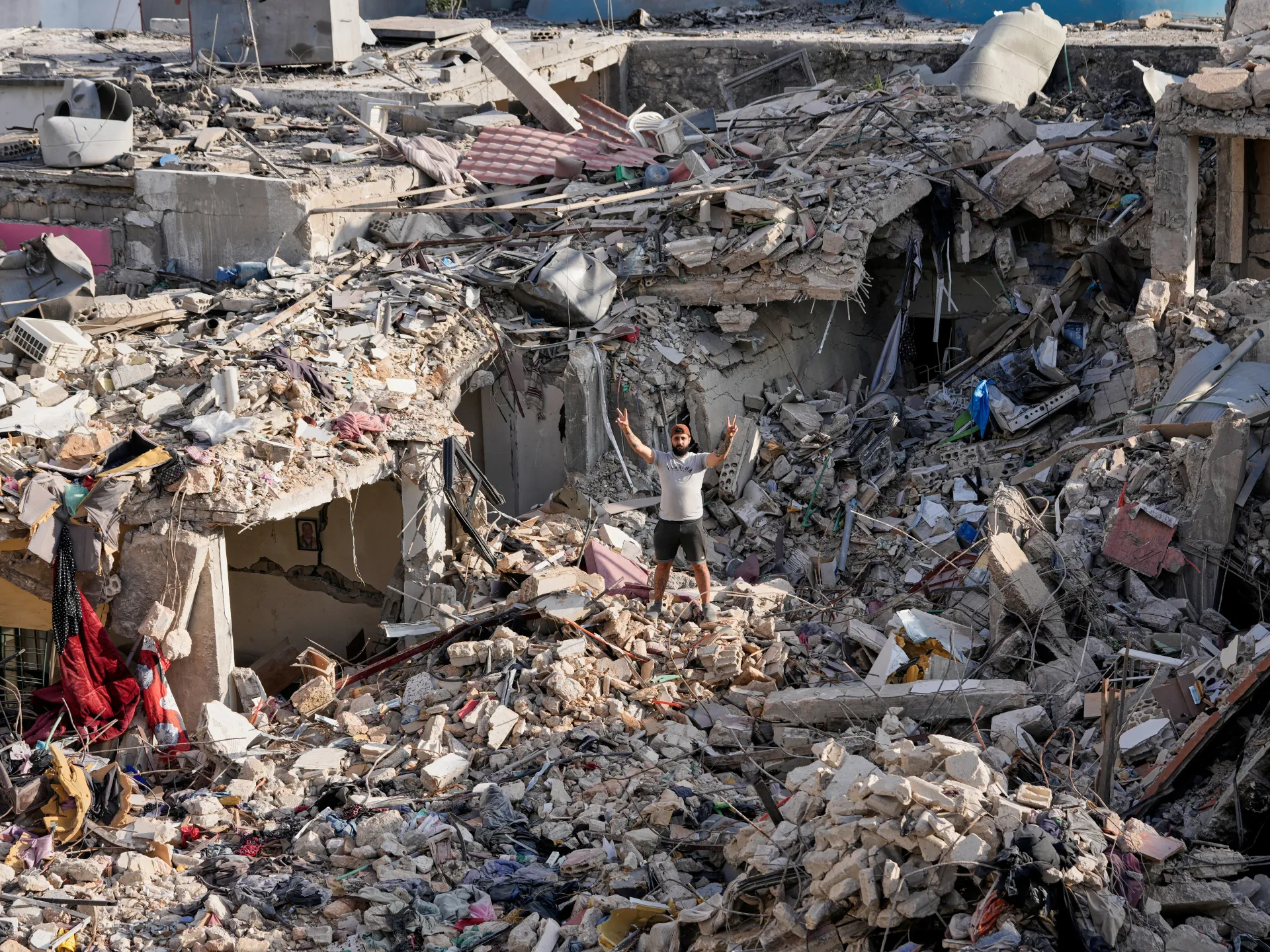
A US-brokered agreement between Washington and Tehran came within inches of collapse after Israel launched airstrikes on Hezbollah infrastructure in Beirut’s southern suburbs on June 14, 2026. Iran responded by threatening to suspend negotiations entirely and preparing retaliatory strikes against Israel.
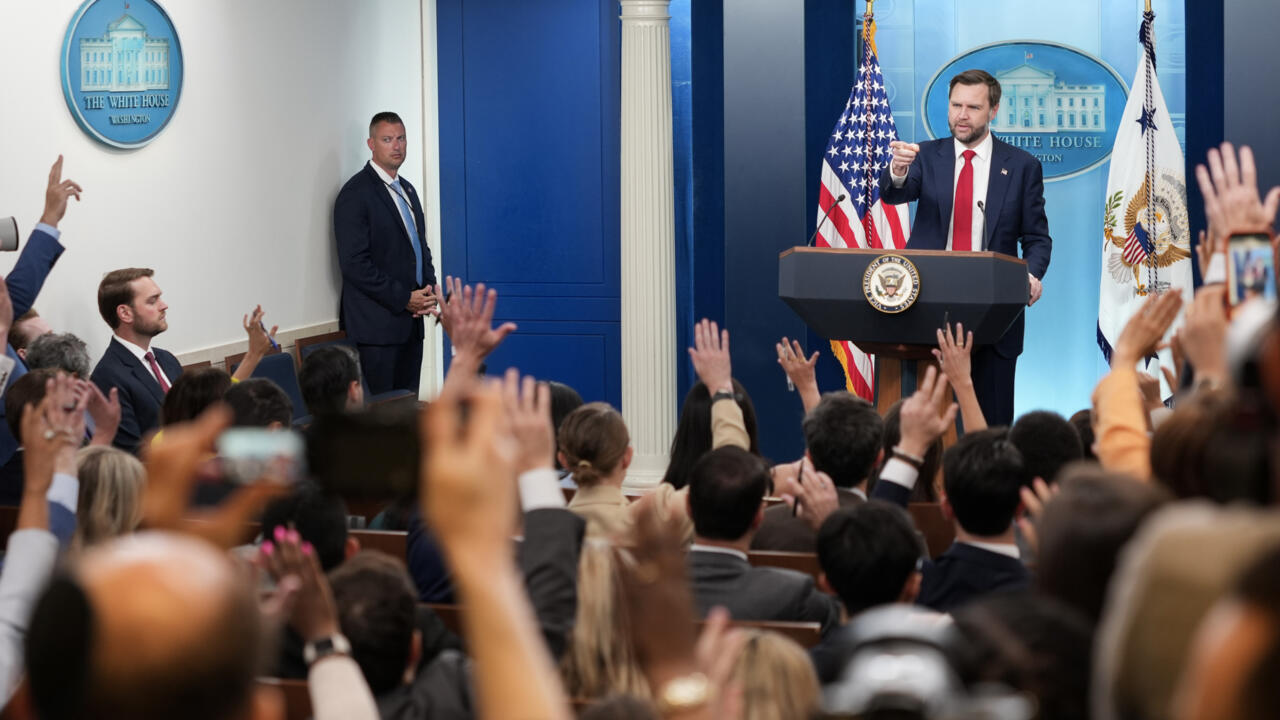
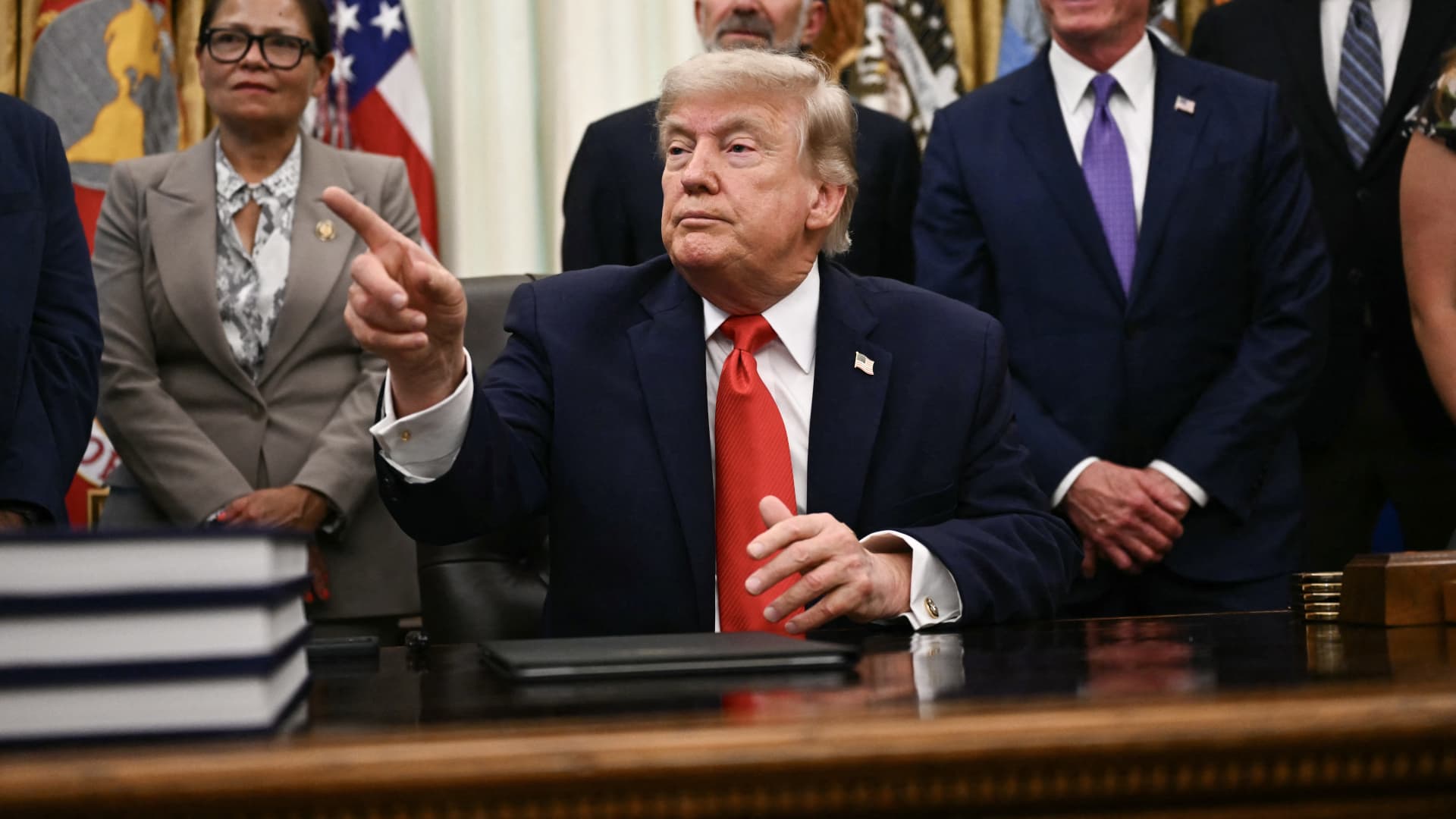
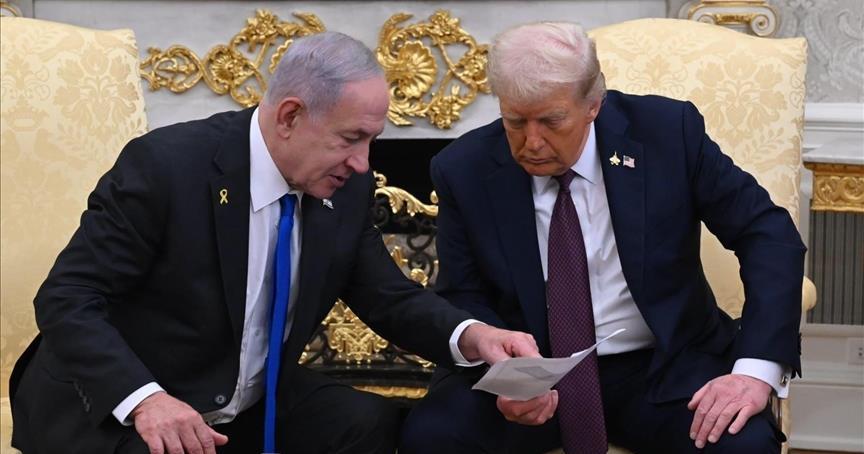
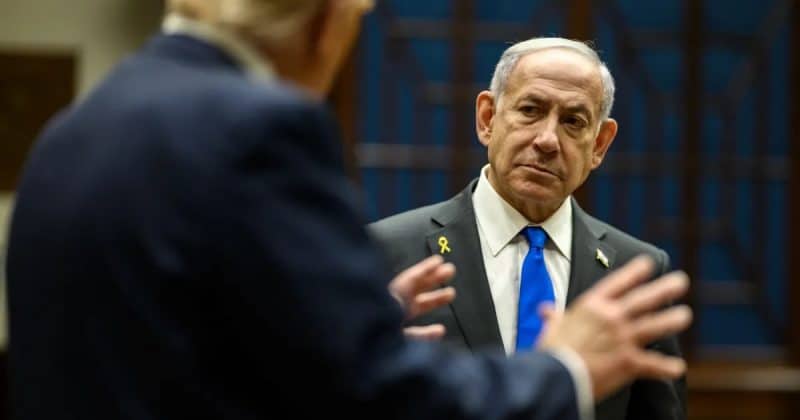
Then Trump stepped in. The president publicly condemned the Israeli military action, saying it “should not have happened,” and affirmed that the US and Iran were “very close” to a deal. The diplomatic scramble that followed produced a 60-day ceasefire agreement that includes the phased reopening of the Strait of Hormuz, one of the most strategically important waterways on the planet.
What happened in Beirut and why it matters
Israel targeted Hezbollah positions in the southern suburbs of Beirut, an area that has long served as the Iran-backed militia’s operational heartland. The strikes came against the backdrop of already elevated regional tensions following joint US-Israeli military operations that targeted Iran directly on February 28, 2026.
Iranian officials were furious, accusing the United States of failing to rein in Israel’s independent military decision-making. From Tehran’s perspective, the strikes exposed a fundamental credibility problem: how can you negotiate with Washington if Washington cannot control its closest ally in the region?