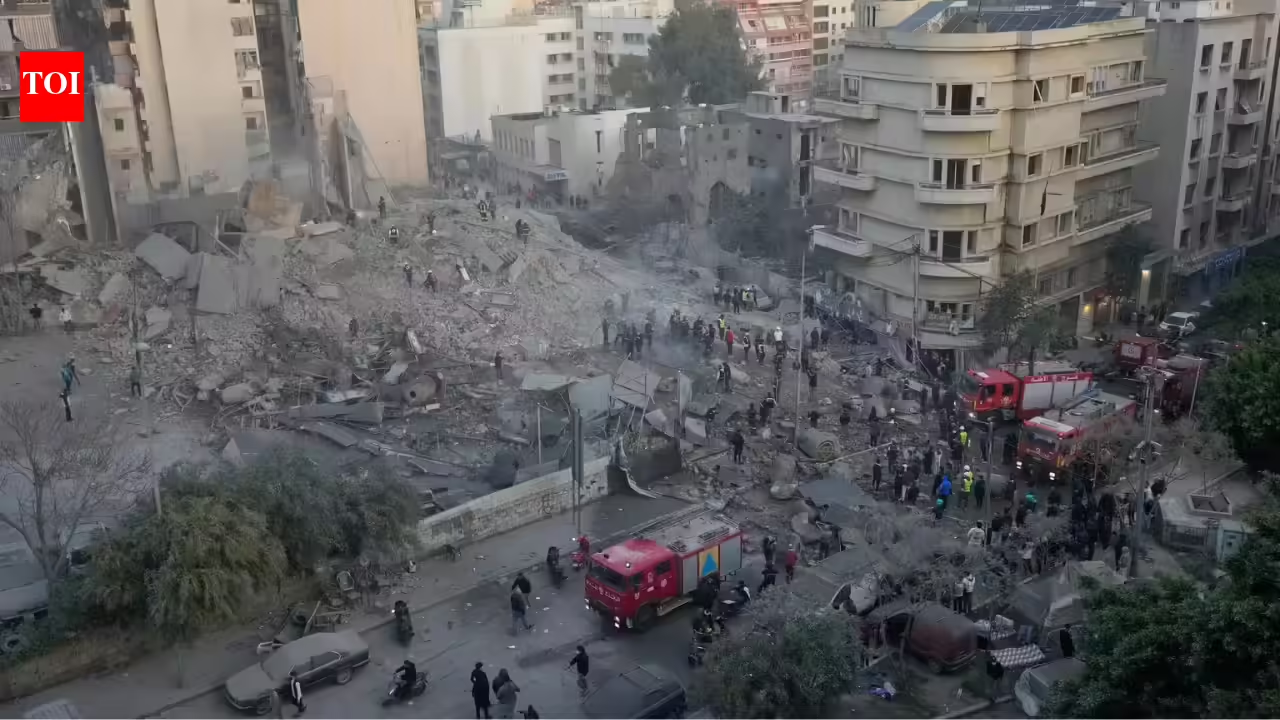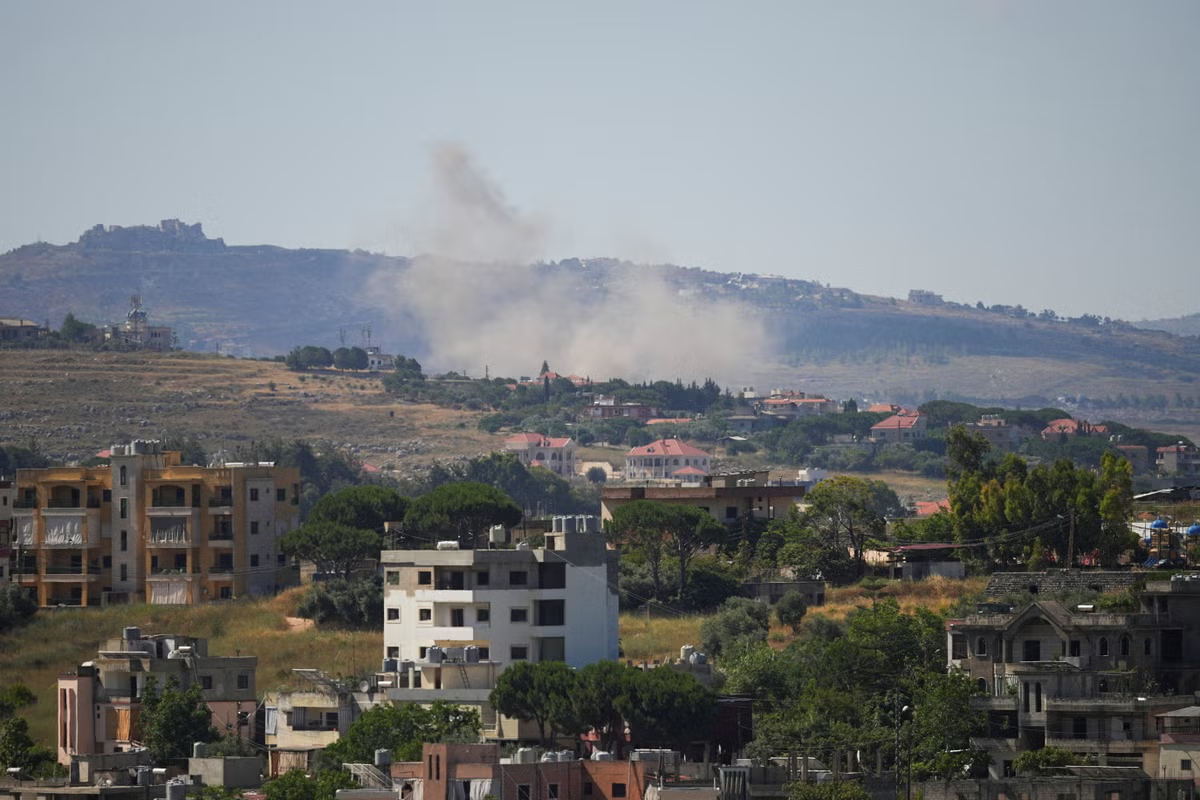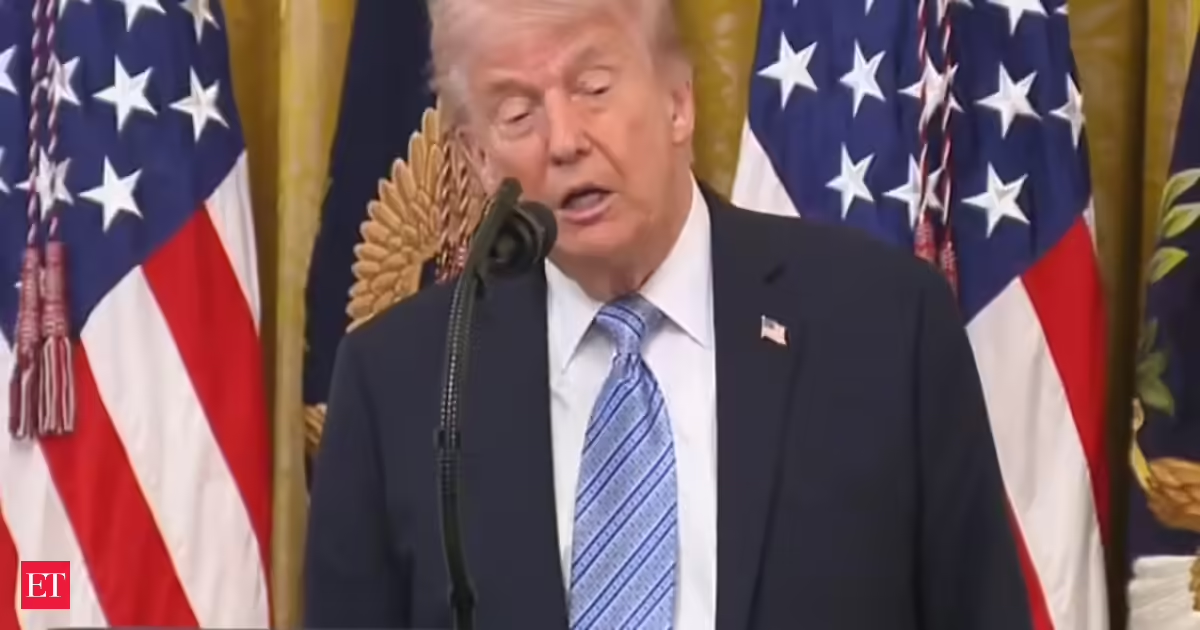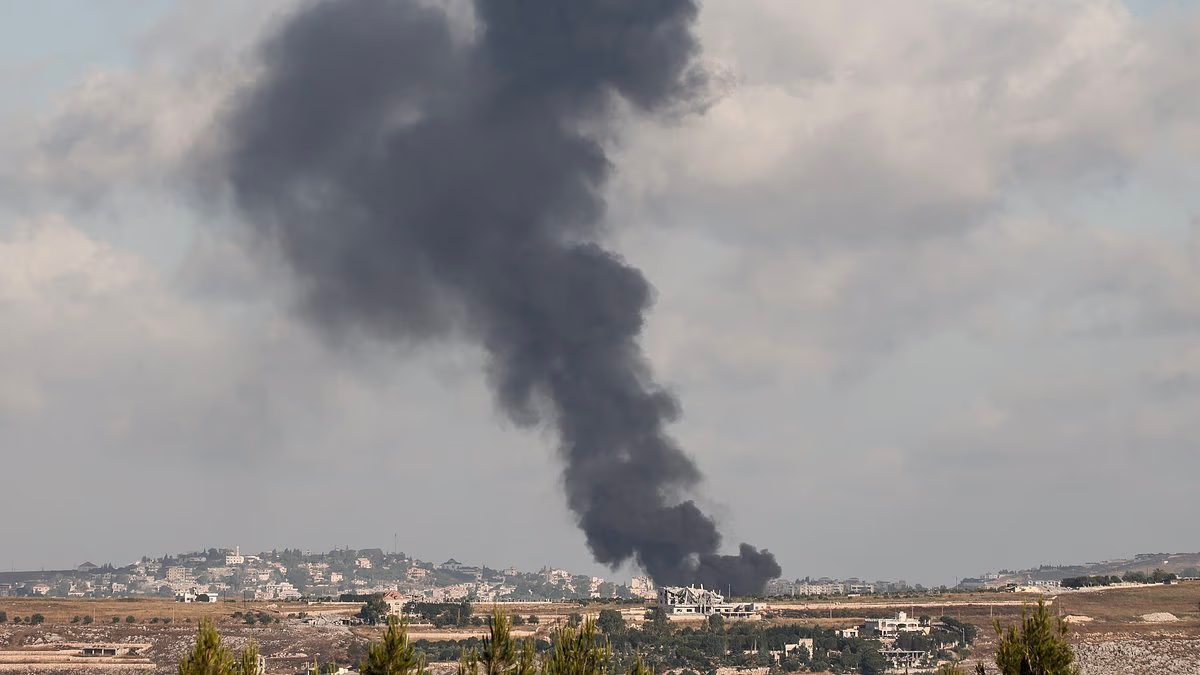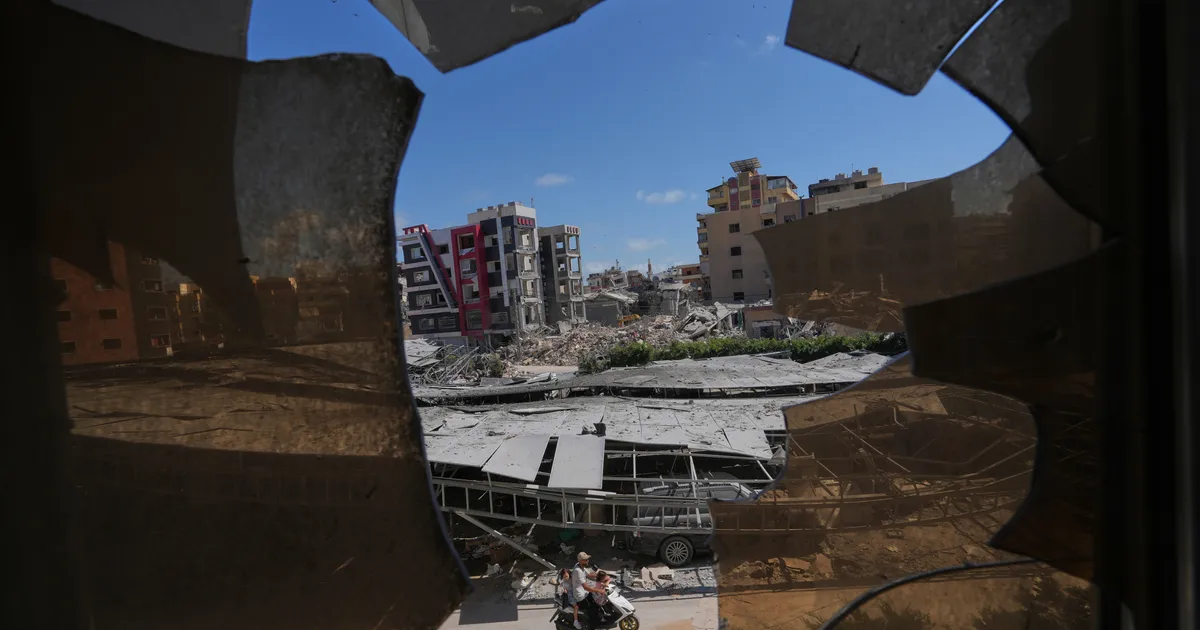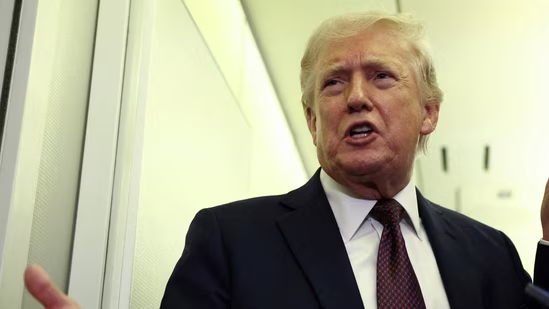
The delay came as Tehran's top negotiator warned it would not bend on its red lines and that its finger was still "on the trigger", even as shipping appeared to pick up in the Strait of Hormuz, which had essentially been closed during the war.The deal signed this week by President Donald Trump and his Iranian counterpart Masoud Pezeshkian aims to end a war that began on February 28 with US-Israeli strikes that killed supreme leader Ayatollah Ali Khamenei.The agreement was also meant to halt the fighting in Lebanon, which Iran has always insisted should be covered under any accord, turning Israel's ongoing campaign there into a source of frustration for Washington.Israel's military said Friday that it had struck more than 80 Hezbollah targets in Lebanon and killed dozens of members of the Iran-backed group in response to what it described as ceasefire violations.Lebanon said 18 people were killed Friday in Israeli airstrikes in the south, while Israel's military reported four troops were killed, drawing furious reactions at home. Prime Minister Benjamin Netanyahu said the Israeli army would stay in Lebanon "as long as necessary" and would make Hezbollah pay a "heavy price" for its attacks.
US-Iran deal under immediate strain as fighting flares in Lebanon
Deadly exchanges between Israel and Hezbollah in Lebanon put a newly signed deal to end the Middle East war under further strain on Friday, after the postponement of planned US-Iran talks in Switzerland.
670 words~3 min read