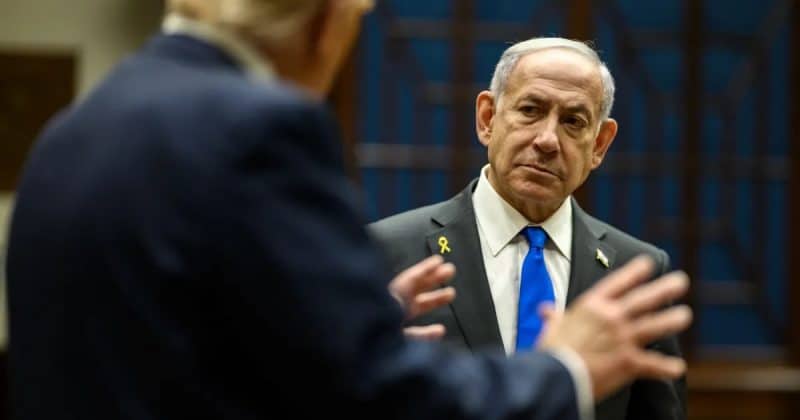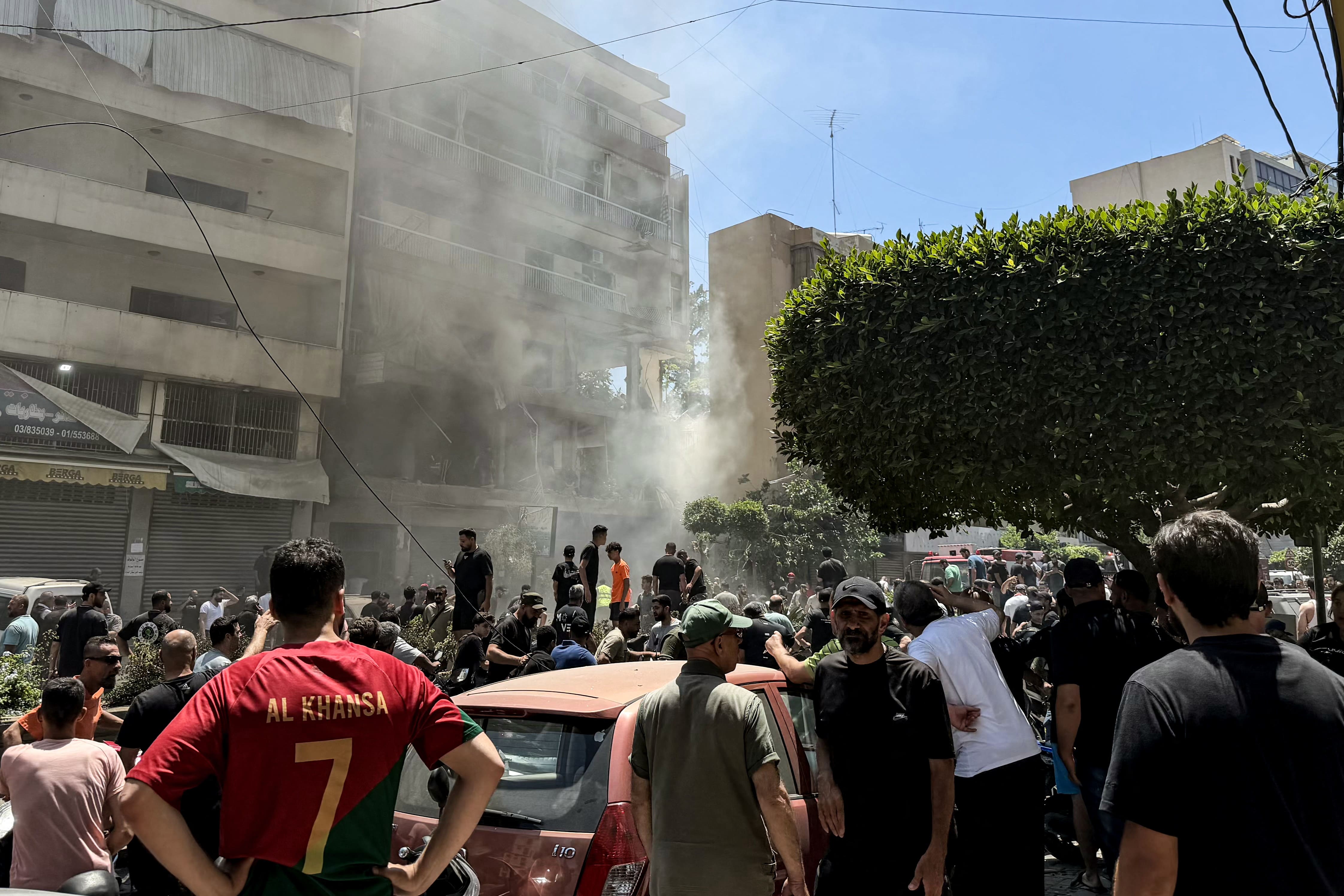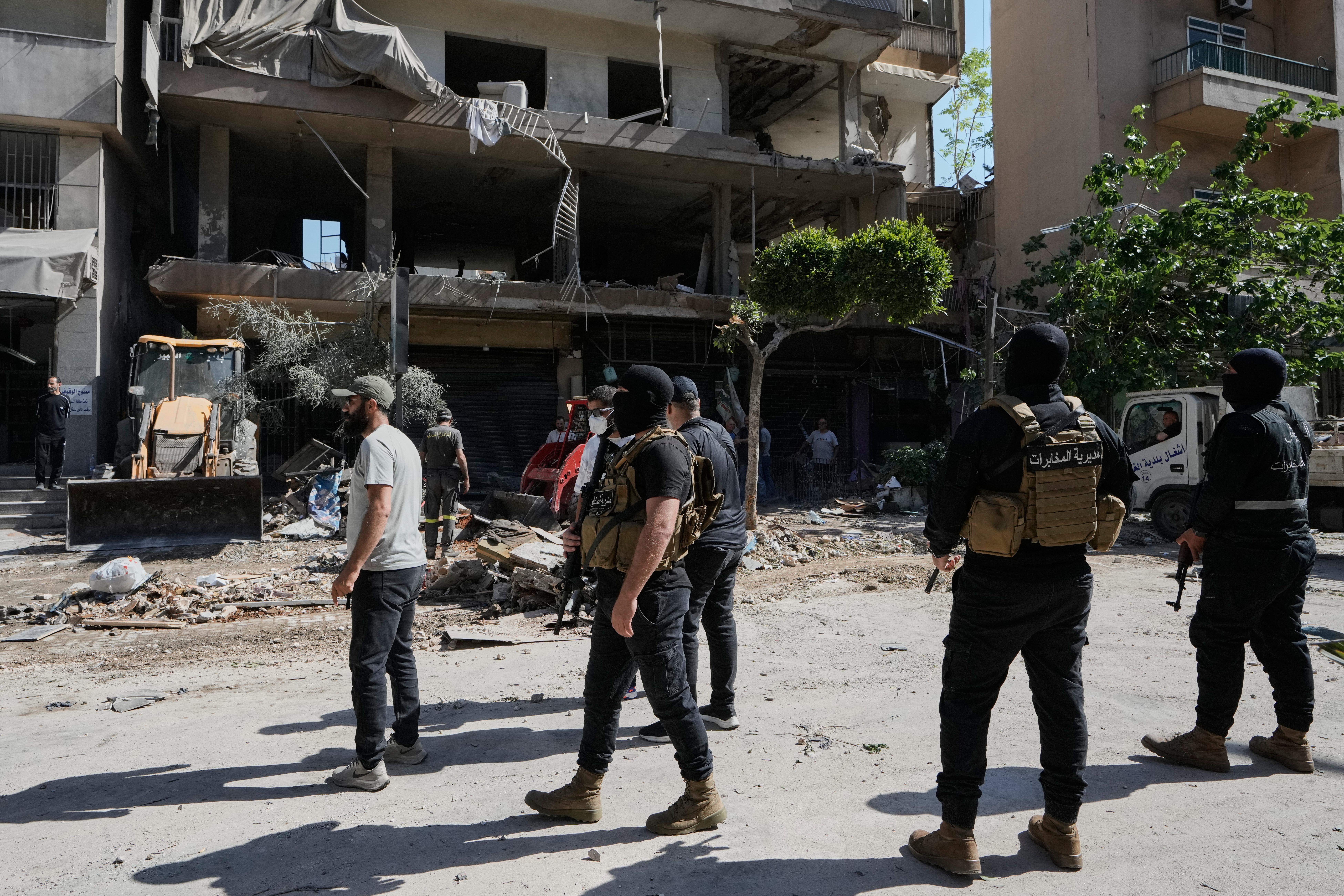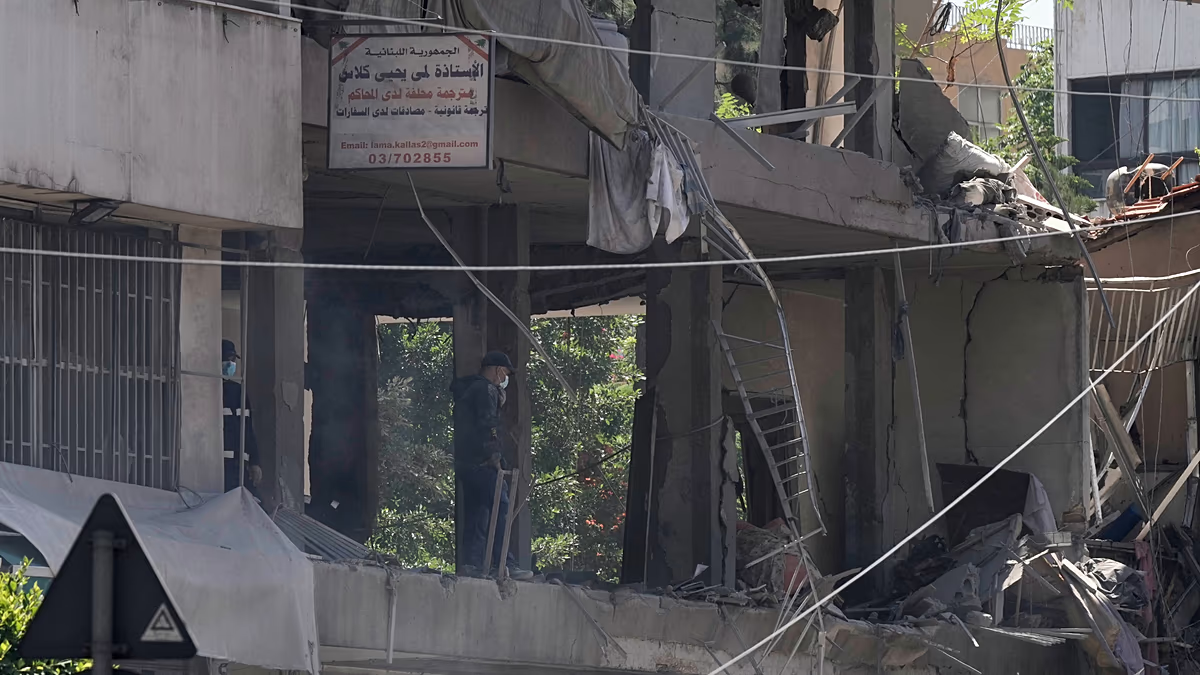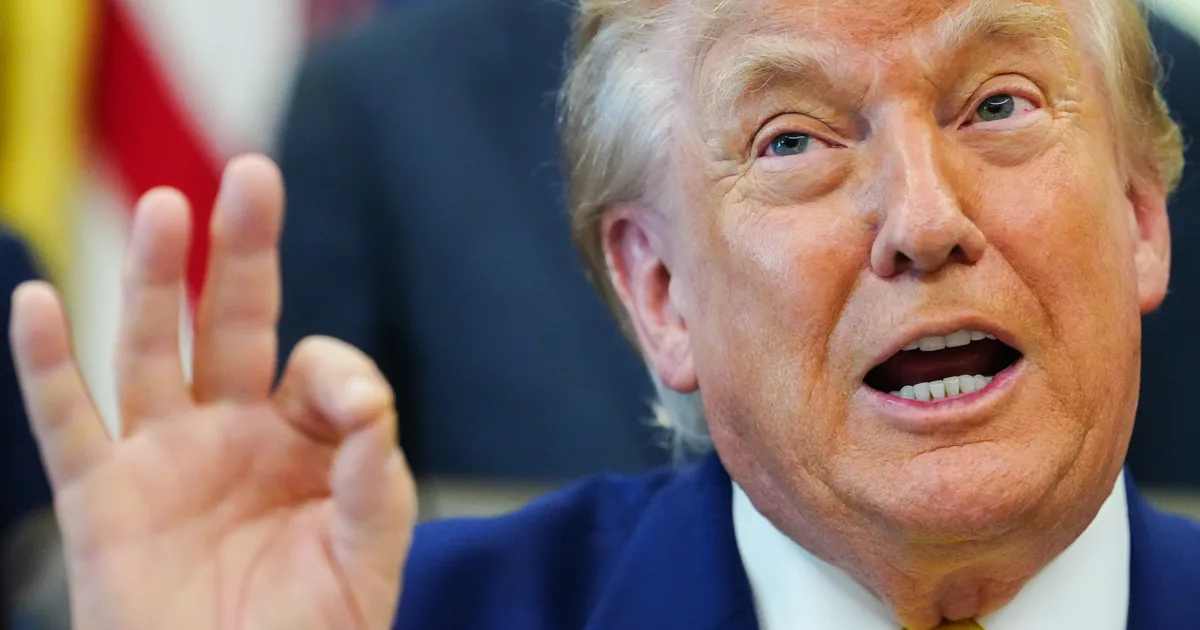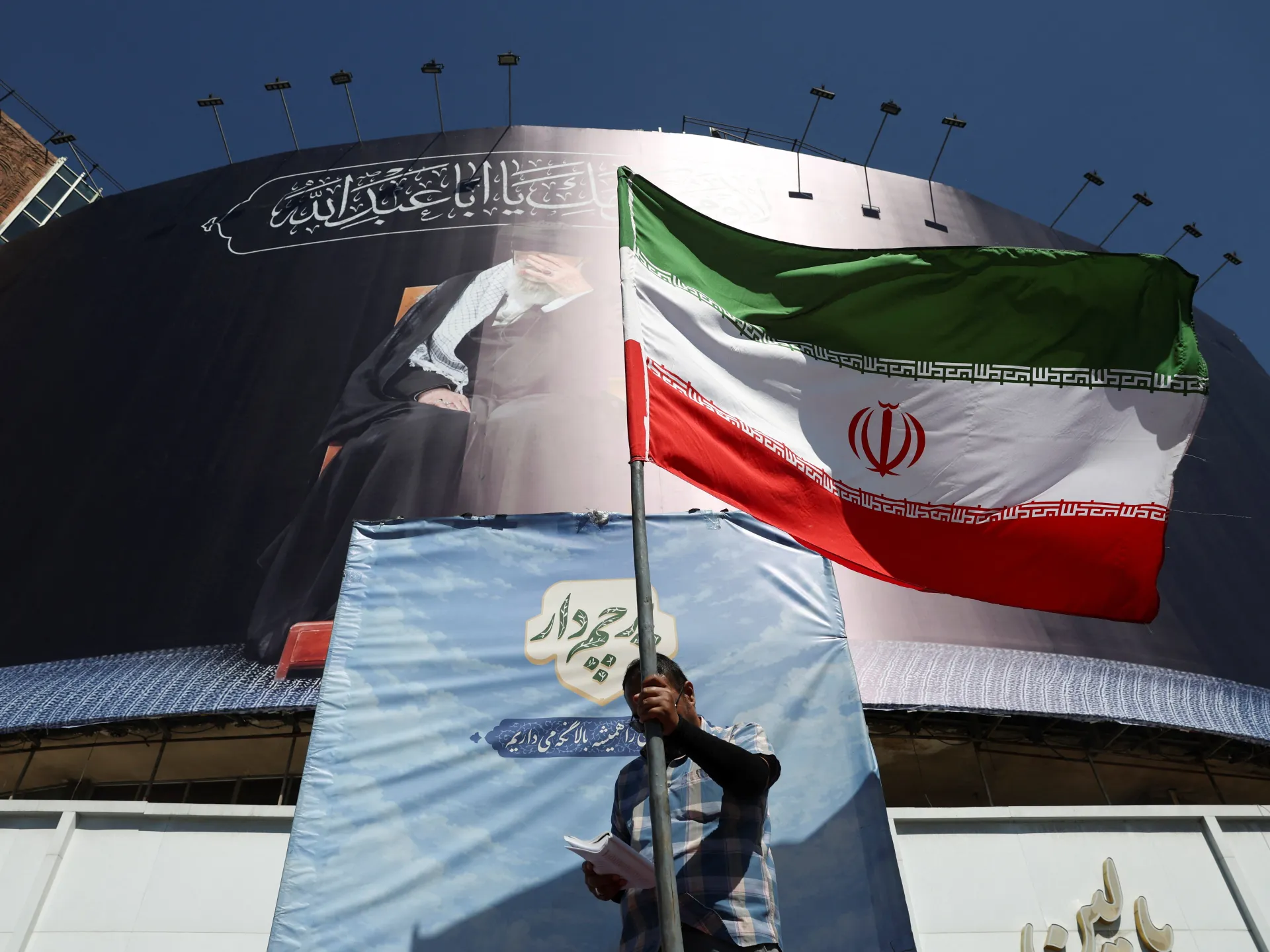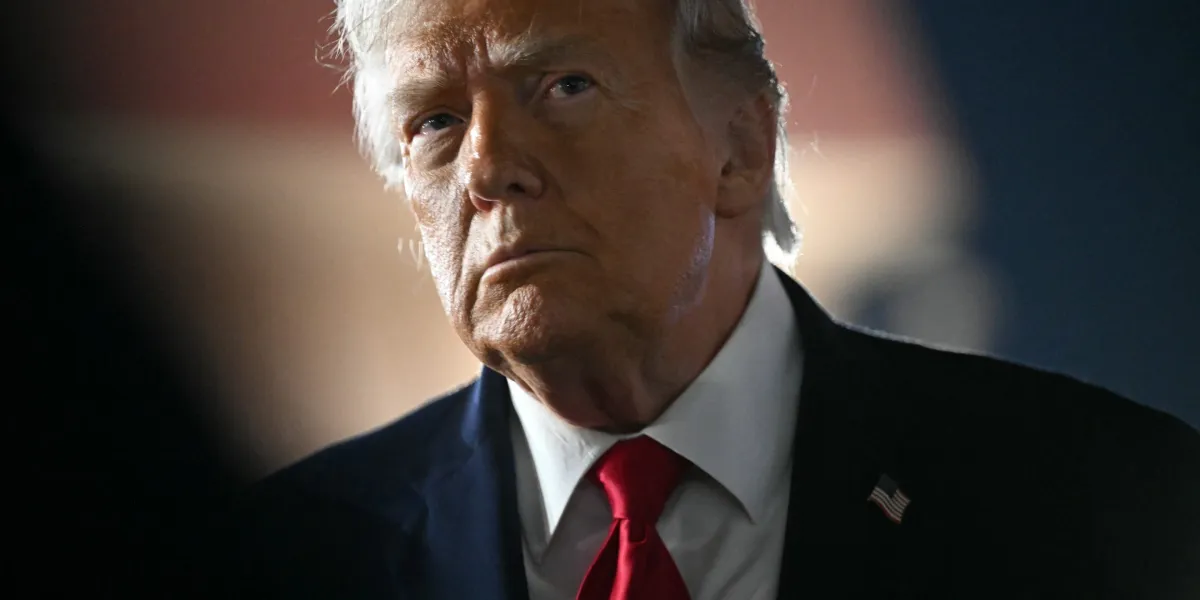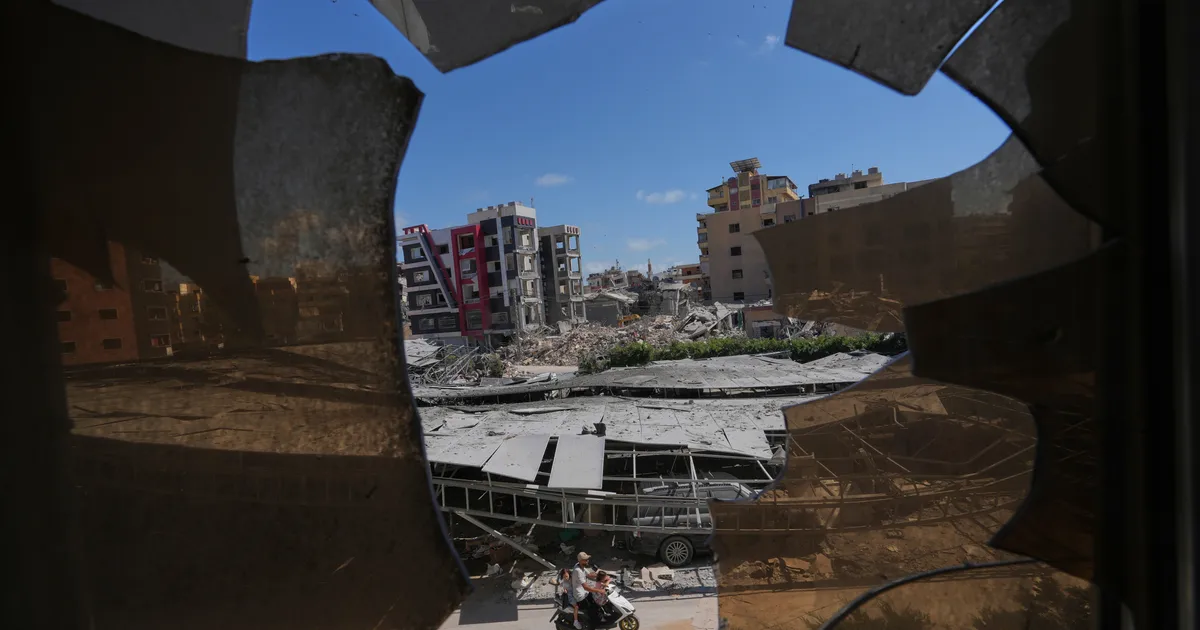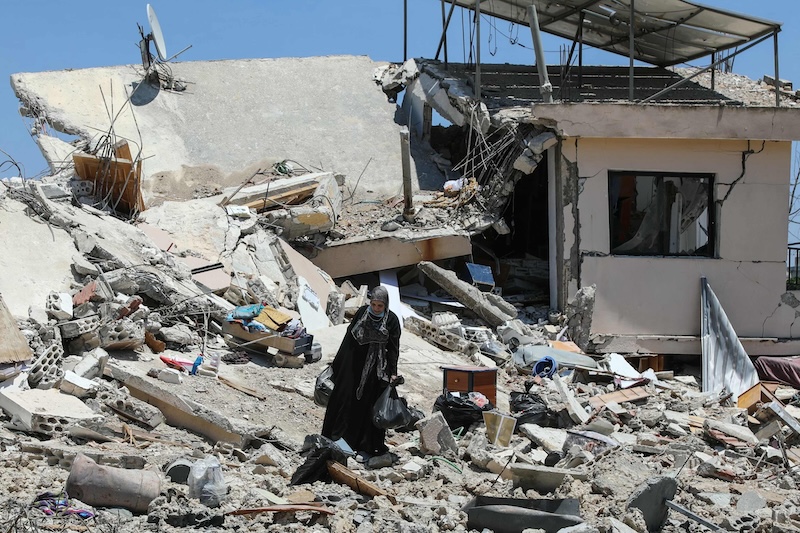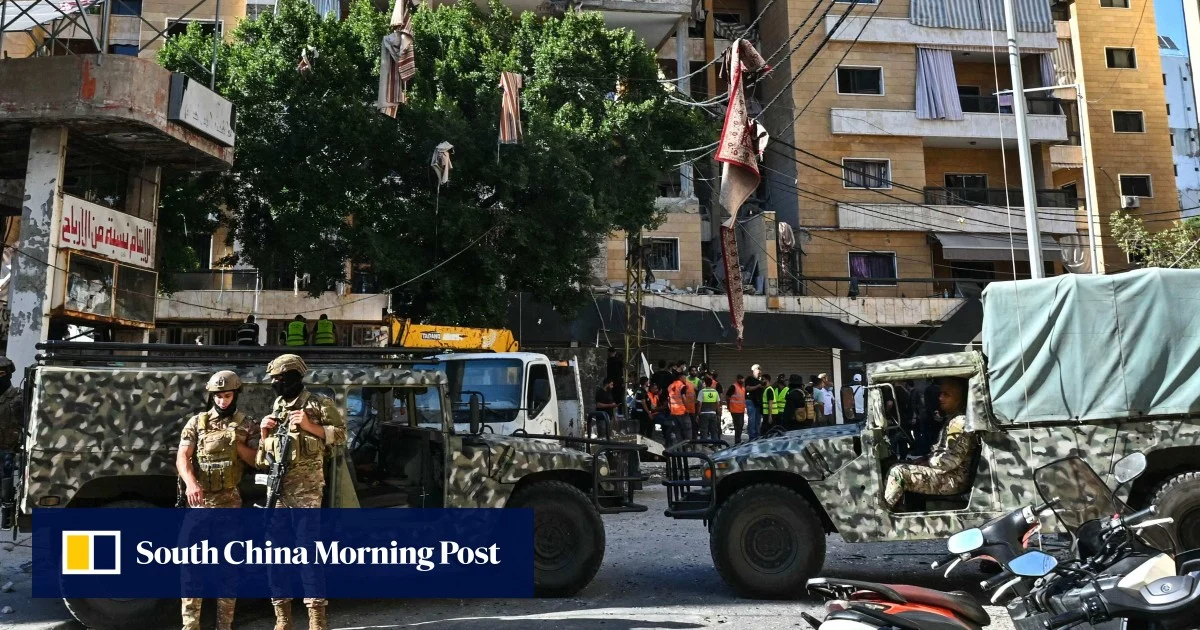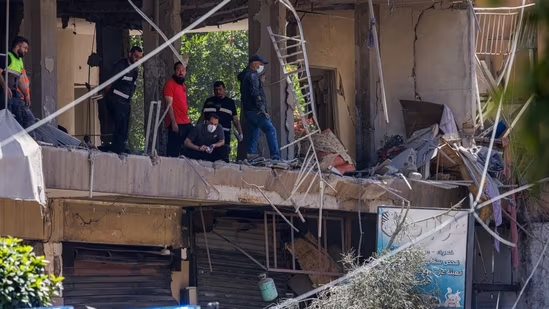
TEL AVIV—Iran threatened to walk out of talks with the U.S. and retaliate militarily after Israel struck the outskirts of Beirut on Sunday, imperiling a deal that President Trump had said he was close to signing with Tehran.Police and emergency personnel working Sunday at the site of an Israeli strike in Beirut’s southern suburbs.The Israeli military struck what it said was a Hezbollah command center in the suburbs of Beirut on Sunday after Hezbollah fired drones at Israeli territory. Three people were killed and 15 others were injured in the Beirut strike, according to Lebanese state media.Iran’s parliamentary speaker Mohammad-Bagher Ghalibaf responded by threatening to pull out of the negotiations. The strike “once again showed that America either has no will to fulfill its obligations or the ability to do so,” he said. “If you do not have the will and ability to fulfill your commitments, it is not possible to talk about continuing the path.”The conflict between Israel and Hezbollah militants, backed by Iran, has become a persistent hurdle to ending the Iran war. Similar Israeli strikes have led to tense calls between President Trump and Netanyahu in recent weeks.Israeli strikes on the militants in Beirut earlier this month led Iran to fire missiles at Israel for the first time since a ceasefire was struck in April. Trump had announced a new ceasefire in Lebanon last week.“Israel won’t tolerate attacks on its territory,” Israeli Prime Minister Benjamin Netanyahu said on Sunday. Israel has said it would respond to any Hezbollah attacks on its territory with strikes on Beirut.A senior Iranian commander said Tehran would retaliate for the Israeli attack. The strike “will not be left unanswered,” said Mohammad Jafar Asadi, deputy head of Khatam al-Anbiya Central Headquarters, which oversees all military forces in the country. The Israeli military said on Sunday that it was preparing for strikes aimed at Israel.Trump, along with mediator Pakistan, have said a preliminary deal was due to be signed Sunday. But Iran hasn’t finalized the agreement, the Iran’s Tasnim news agency, which is affiliated with the military, reported Sunday afternoon. Tehran has said it could still take several days.A delegation from Qatar, one of the mediating countries, traveled to Tehran on Sunday in the hope of completing the pact, according to a Middle Eastern official and the Fars news agency, which is affiliated with Iran’s security services.The preliminary deal, which is expected to open the Strait of Hormuz and lift an American blockade on Iran in a memorandum of understanding, has faced opposition from hard-liners in Iran and by many in Israel. The deal is expected to include a ceasefire for Lebanon that gives Israel the right to respond when attacked, a U.S. official said.Iran’s top diplomat, Abbas Araghchi, faced street protests and public criticism on Saturday by hard-liners who accused him of giving too many concessions to the U.S. Now mediators are worried the Israel strike will fuel opposition to a deal from Iranian hard-liners and put pressure on Iranian negotiators, the Middle Eastern official said.Israeli Prime Minister Benjamin Netanyahu opposes a deal with Iran and has pushed for a return to fighting, according to people familiar with the matter. Netanyahu’s opponents and allies have criticized him for what they have described as a weak deal with Iran and over the perception that the U.S. is putting limitations on how much force Israel can use in Lebanon. Before the Israeli strikes on Sunday, Netanyahu’s finance minister, Bezalel Smotrich, had called on the leader to strike in Beirut.Netanyahu is facing what are expected to be tough elections in the fall. Recent polls are showing he would fail to secure a ruling majority, and people around him are worried about his electoral prospects, according to people familiar with the matter.Israeli officials are deeply concerned about the details of the preliminary deal with Iran, particularly that it will likely leave discussions about what to do about Tehran’s nuclear program until later and could potentially help the regime gain access to badly needed funding. Israel also wants to keep pressure on Hezbollah and officials are concerned the deal doesn’t include any mechanisms to prevent Tehran from funding the militant groups it supports throughout the region, according to a person familiar with the matter.Write to Anat Peled at anat.peled@wsj.com and Benoit Faucon at benoit.faucon@wsj.com
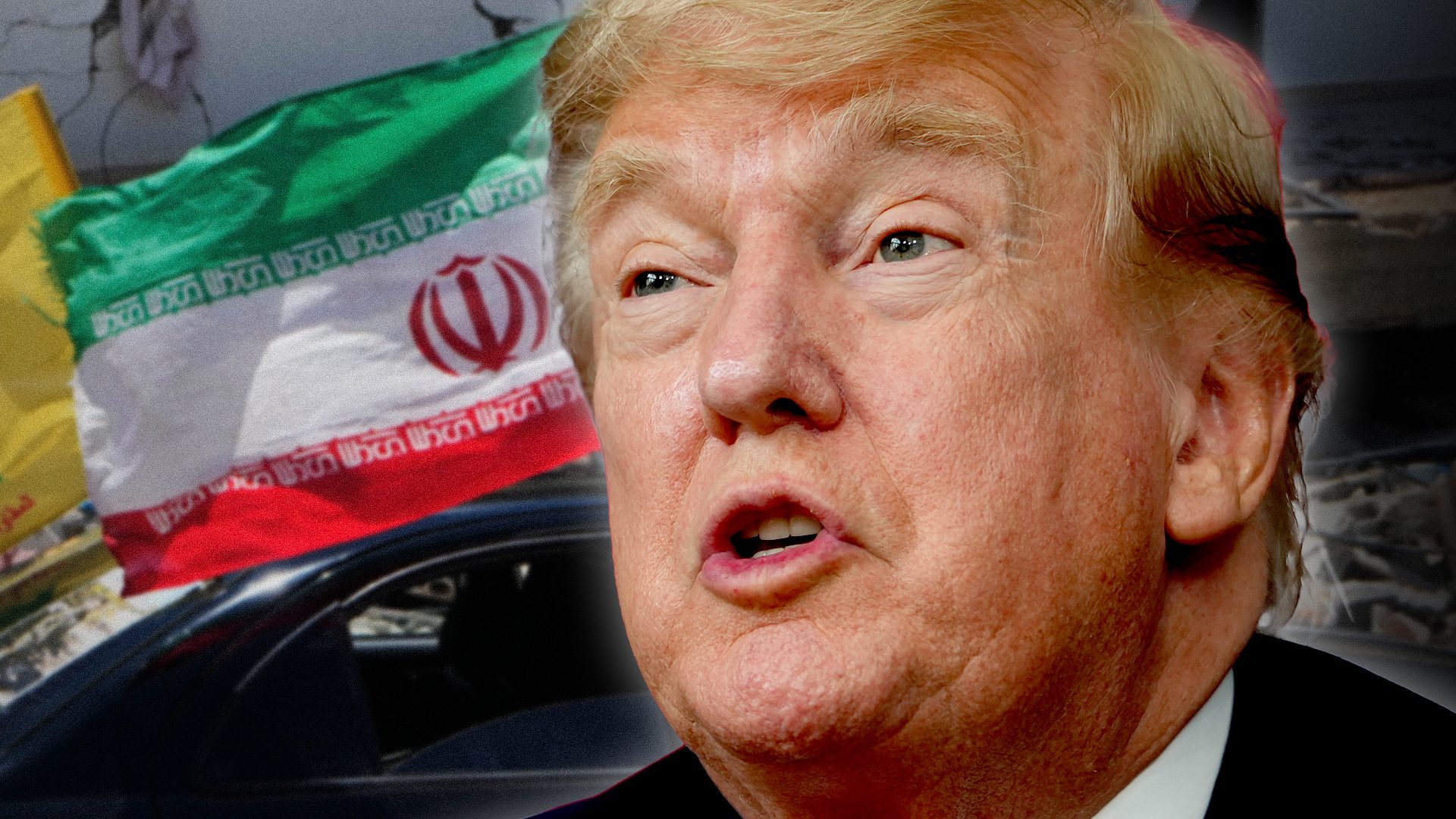
Iran Threatens to Pull Out of Talks after Israel Strikes Beirut’s Outskirts
Iran also threatened to retaliate militarily after the israeli strike, imperiling a deal President Trump had said he was close to signing with Tehran. | World News
716 words~3 min read