Telegram app: Blamed for paper leak
| Photo Credit:
Dado Ruvic
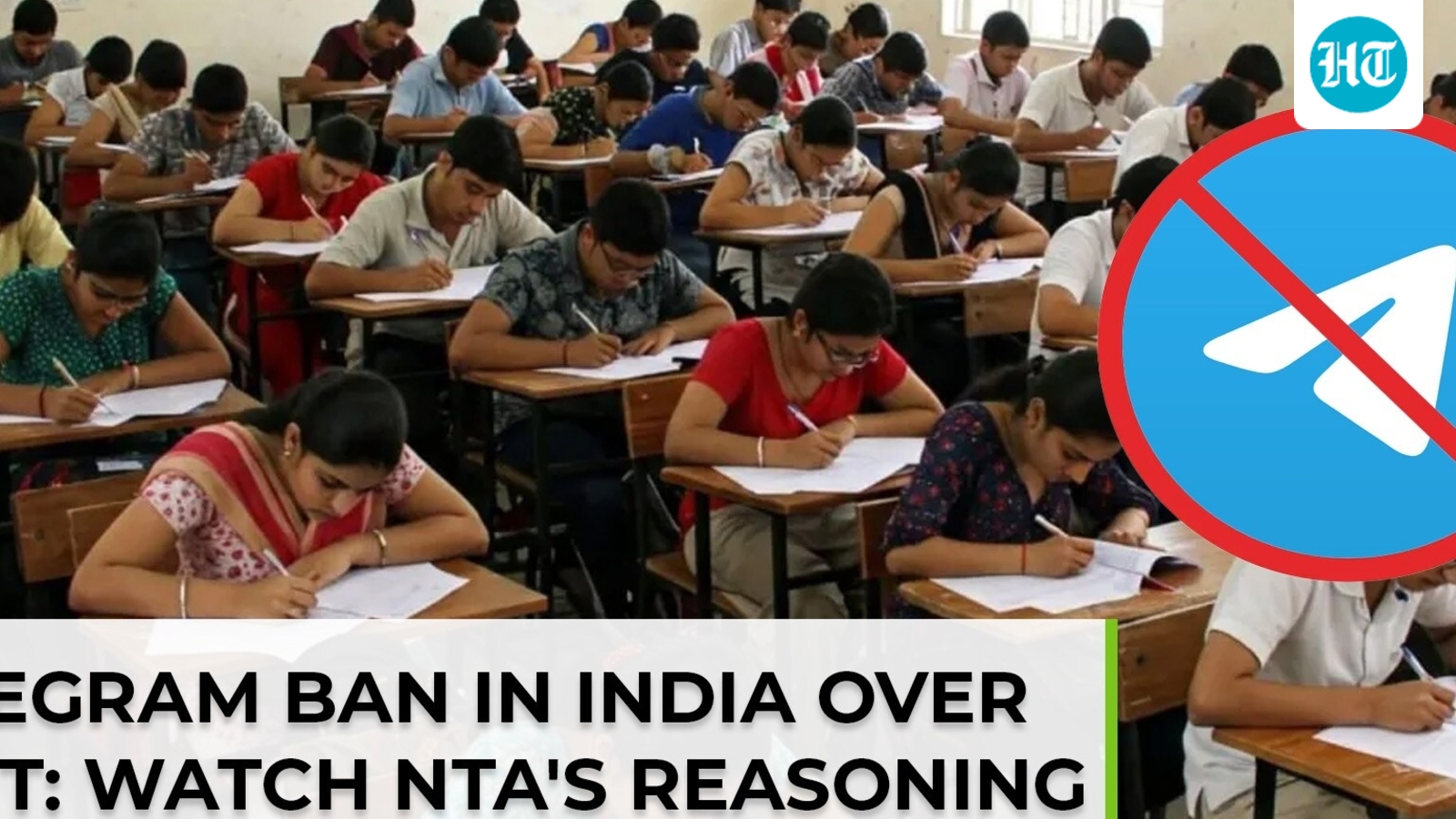
The Centre’s decision to impose temporary restrictions on Telegram ahead of the NEET-UG 2026 re-examination may have been driven by a legitimate concern — namely, that the integrity of one of India’s most important entrance examinations cannot be compromised. Yet, in attempting to prevent paper leak scams, the government has chosen a remedy that is disproportionate and may prove ineffective.According to government officials, Telegram failed to act swiftly against channels that were allegedly circulating fake question papers and misleading students by presenting them as genuine leaked papers. In its defense, Telegram has stated it had identified and disabled over 900 URLs circulating illegal content related to the NEET examination. But if the government’s allegations are correct, Telegram has questions to answer. Social media platforms cannot claim the privileges available to intermediaries while ignoring obligations under Indian law. The fact that Telegram has no local office and no senior executive responsible for India operations only compounds concerns about accountability. But holding a platform accountable is different from shutting down access to the platform itself. The ban appears to rest on a typically flawed assumption that it will eliminate the underlying criminal activity. But if Telegram is unavailable, fraudsters will merely migrate to another platform. They can also use VPN services to bypass restrictions. But the ban inconveniences millions of legitimate users — small businesses, traders, educators, content creators, professionals and lay citizens.That raises an important Constitutional question. The mere existence of unlawful activity on a platform cannot, by itself, justify suppressing an entire medium of communication used lawfully by millions. The Supreme Court has repeatedly cautioned against such overreach. In Shreya Singhal v. Union of India (2015), the Court struck down Section 66A of the Information Technology Act, recognising that broad and sweeping restrictions on online platforms create a chilling effect on legitimate expression. A year later, in Modern Dental College v. State of Madhya Pradesh (2016), it formally adopted the doctrine of proportionality. The Centre’s action struggles to meet these tests.Authorities could have intensified surveillance and prosecution of the individuals or networks behind paper leak scams. Specific channels and accounts could have been taken down, while preserving access for legitimate users. More importantly, the government should focus on strengthening the examination process. Greater encryption and compartmentalisation of question papers, tighter control over printing and distribution, real-time digital tracking of examination materials and stronger accountability mechanisms will alone address the root causes of the malaise. Telegram, for its part, does not emerge blameless. If it delayed responding to lawful government requests, it should explain why. Silence and inaction are poor substitutes for compliance or challenge through due process. Neither side appears to have acted in the best interests of users.Published on June 17, 2026