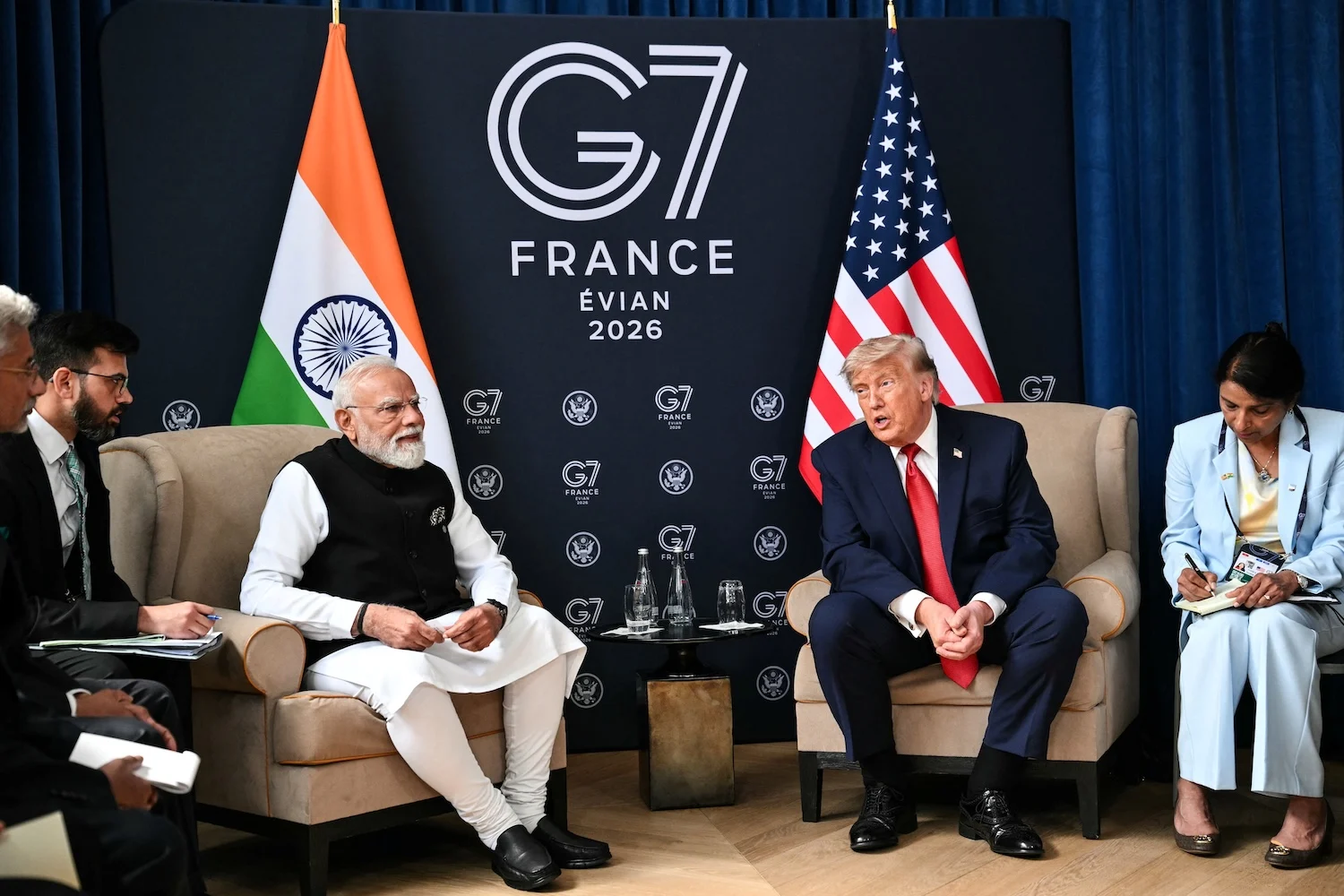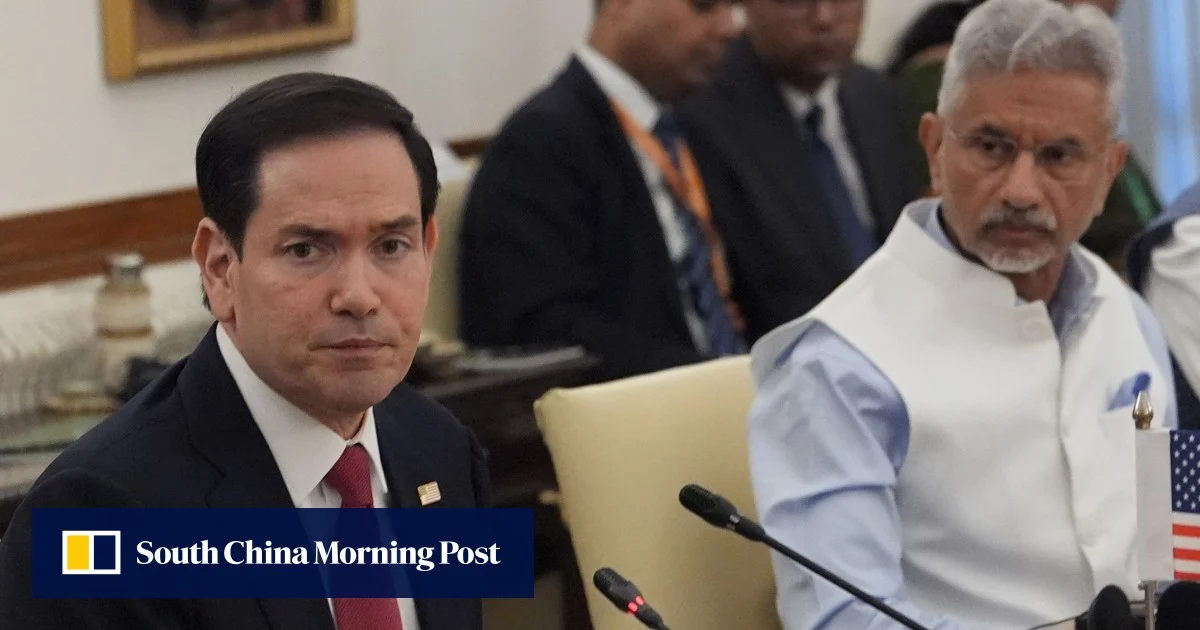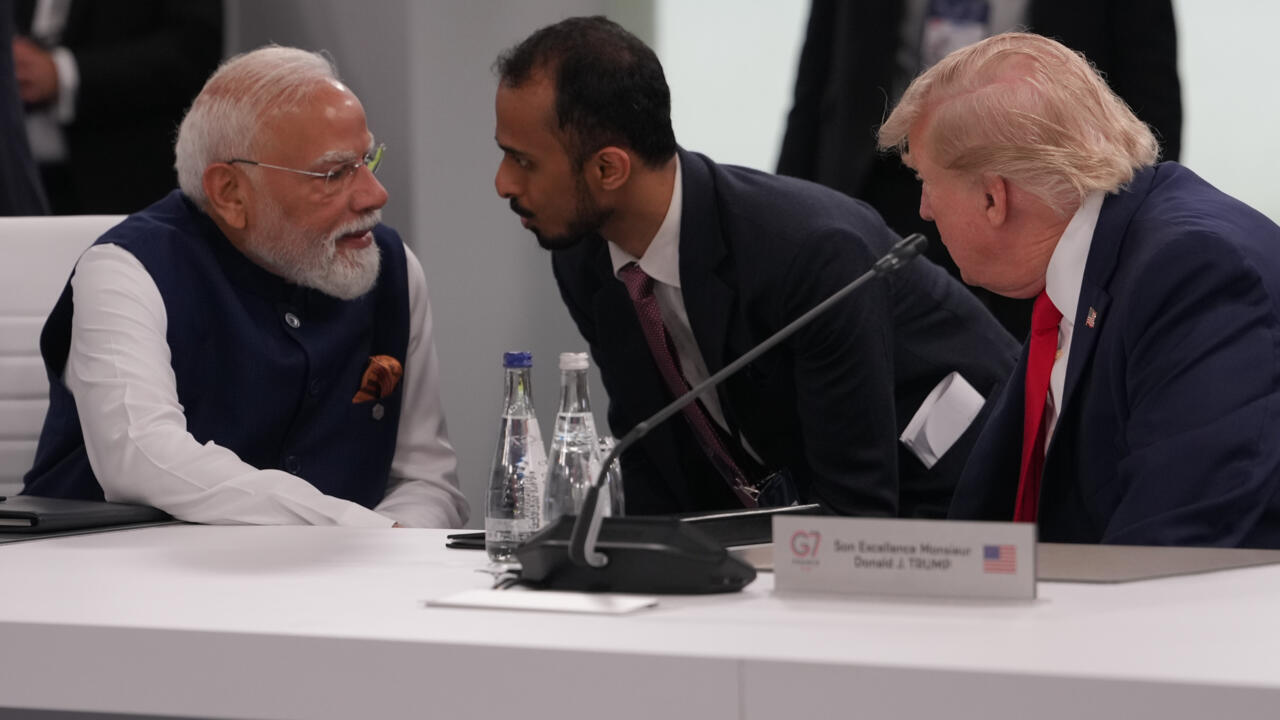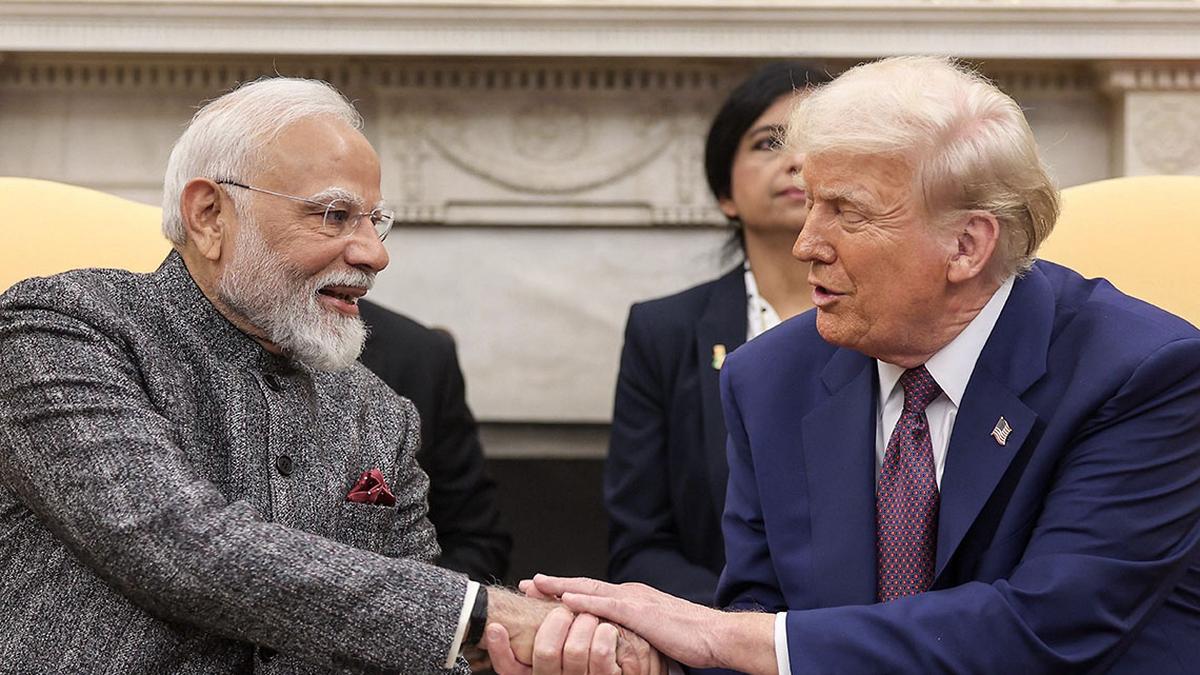
India’s current relationship with the United States is extremely difficult to classify in conventional geopolitical terms. It is neither an alliance in its traditional form, nor does it fit into the category of outright rivalry. And it is not a friendship marked by strategic intimacy. The India-U.S. relationship occupies an awkward and ambiguous space.
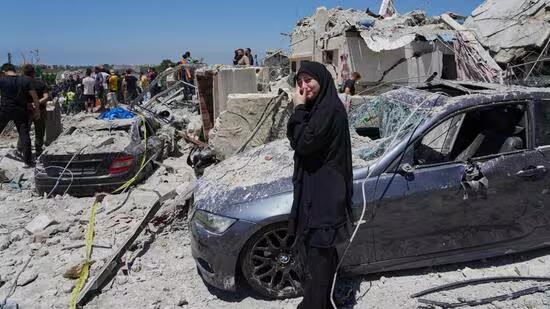
The recent conflict in the Middle East has only exacerbated underlying tensions caused by sharply different regional priorities. Nevertheless, anyone who looks for a convenient story of an emerging alliance or a collapsing one would also be disappointed.
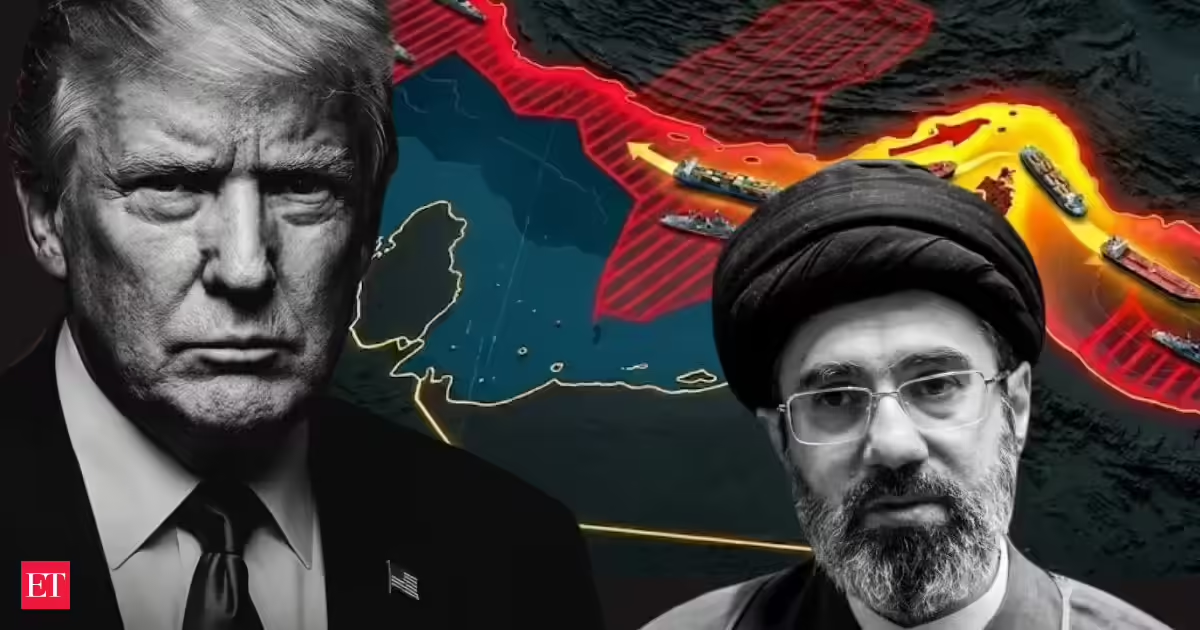
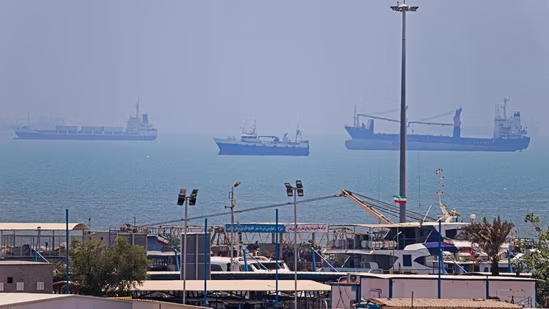
Let’s start with the latest incident to roil the relationship. Between June 8 and June 11, U.S. military forces operating in proximity to the Strait of Hormuz attacked a number of ships traveling through the sensitive region. One of these ships was the oil tanker MT Settebello, which had two dozen Indian nationals on board. Unfortunately, three Indians died as a result of the U.S. military action. In a separate incident, another Indian sailor died of medical complications independently, and his body rotted away on the stranded ship owing to the U.S. blockade, which made it impossible to evacuate him.