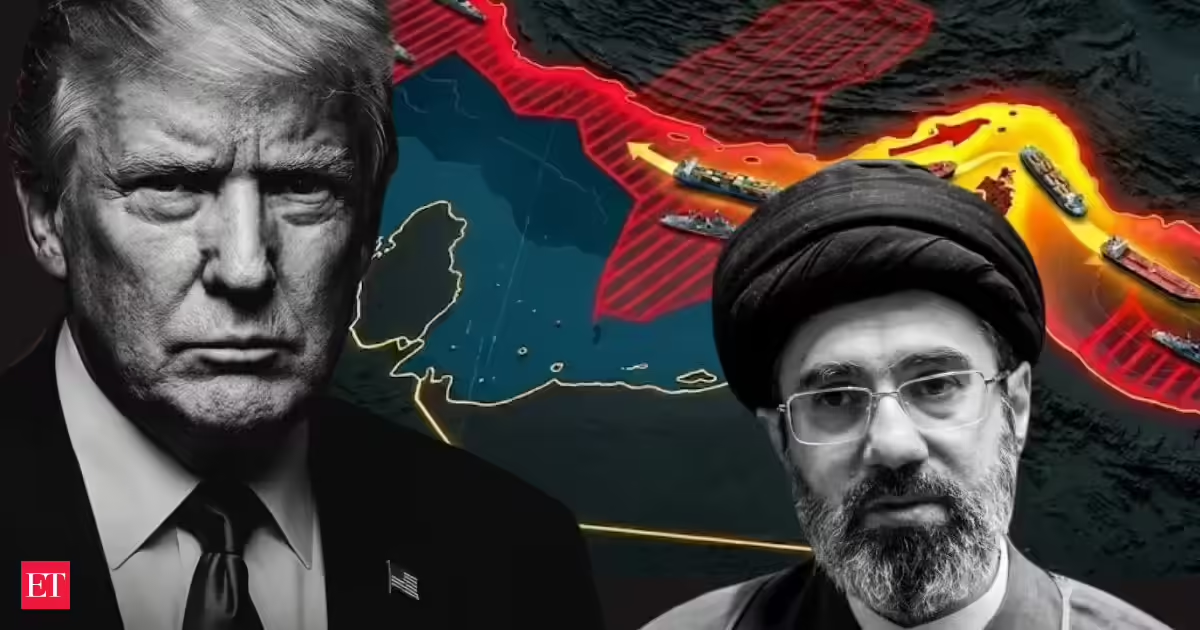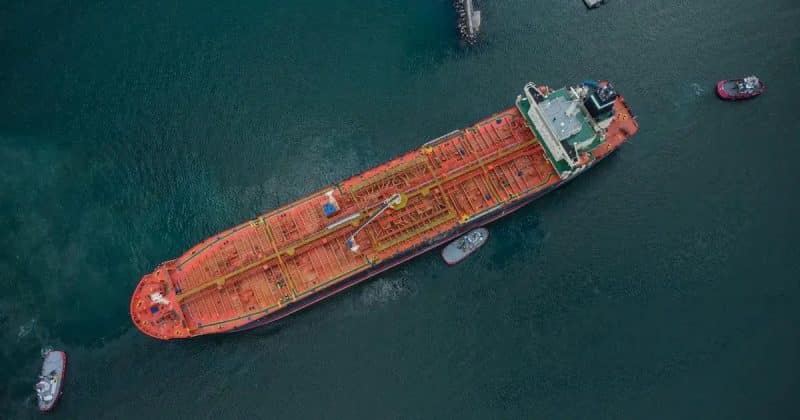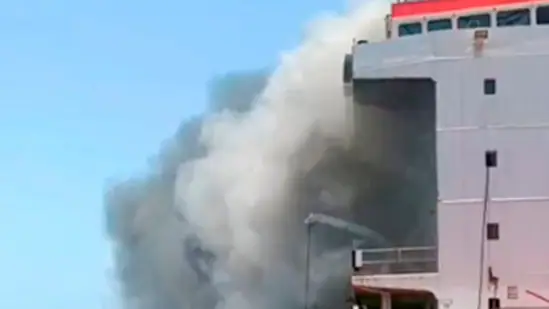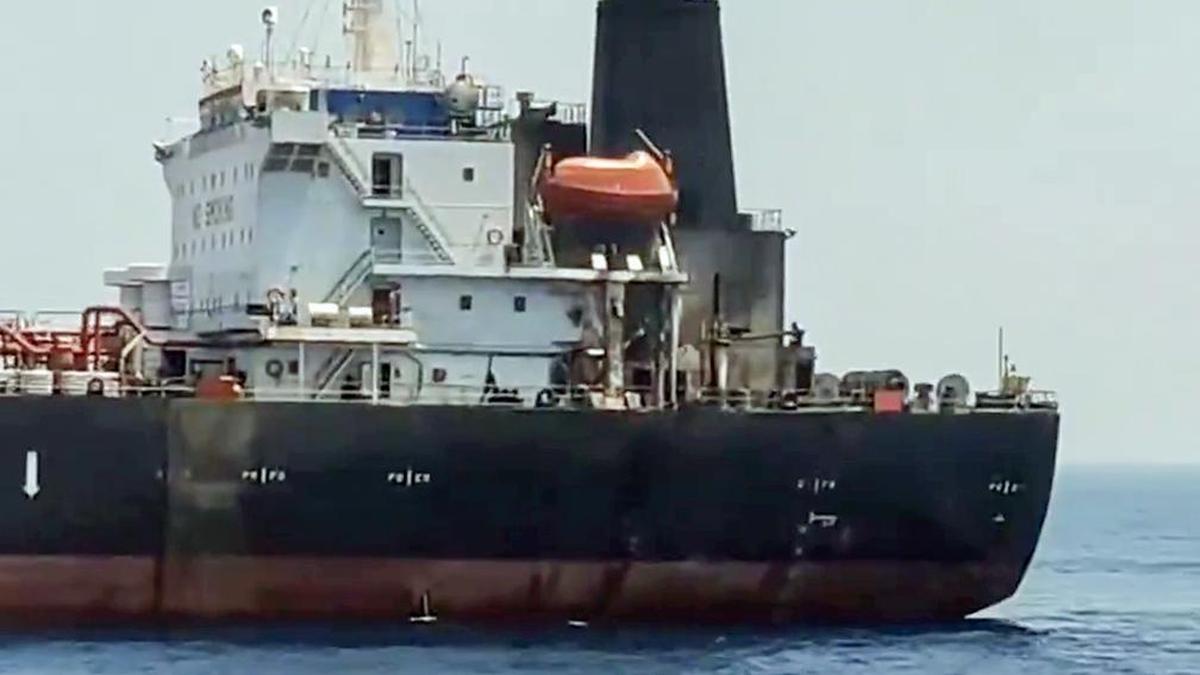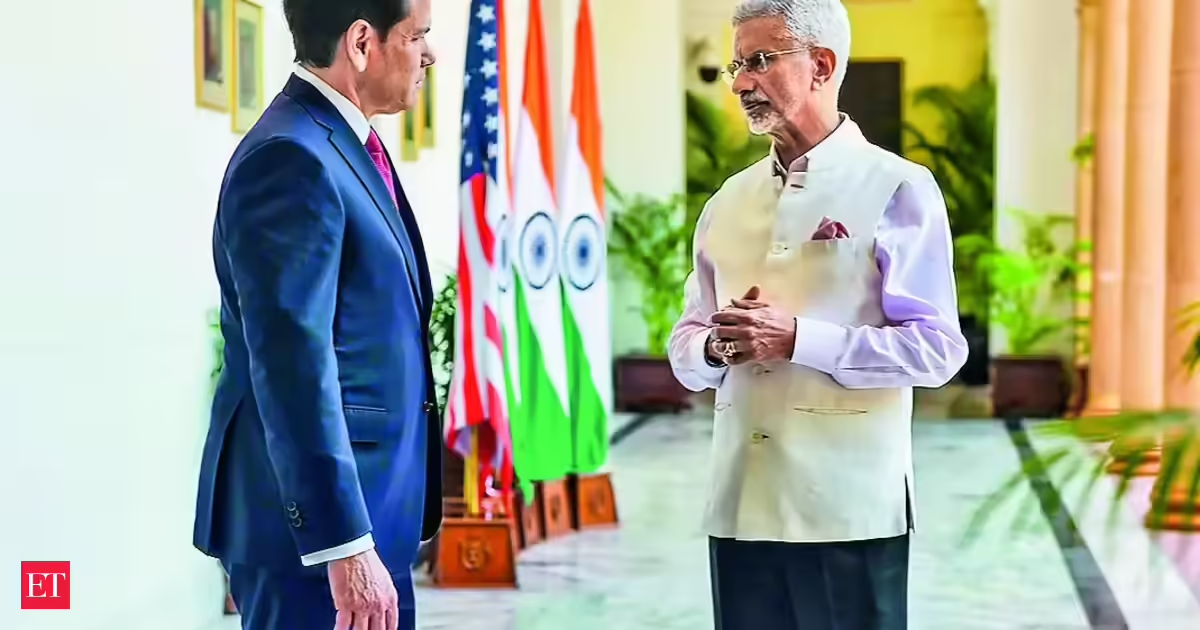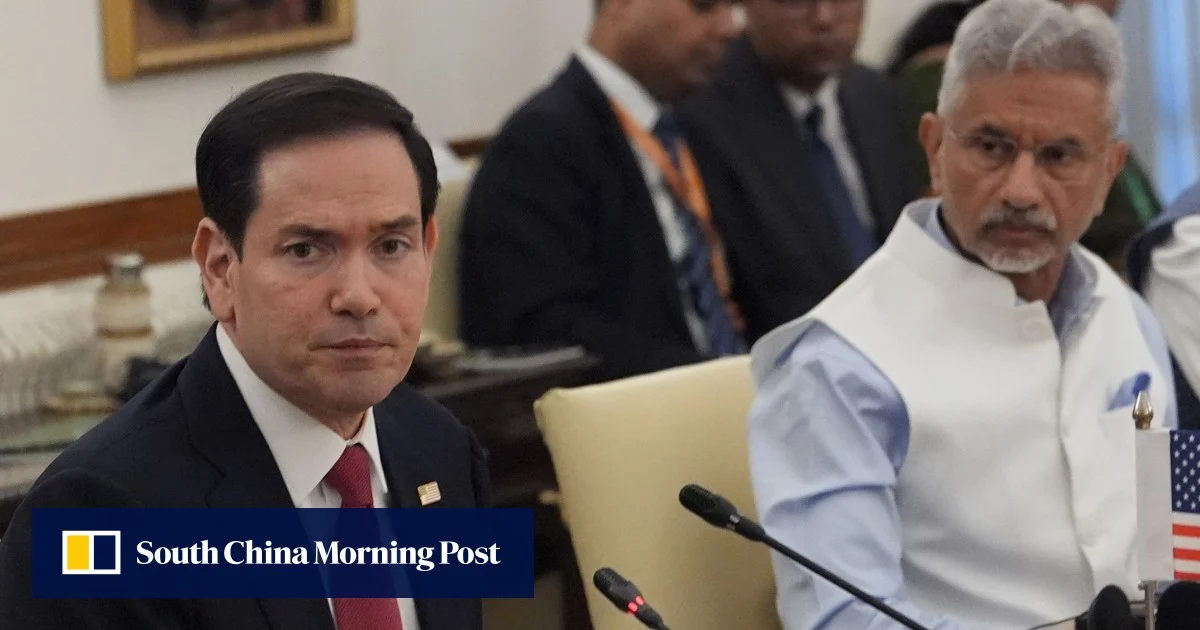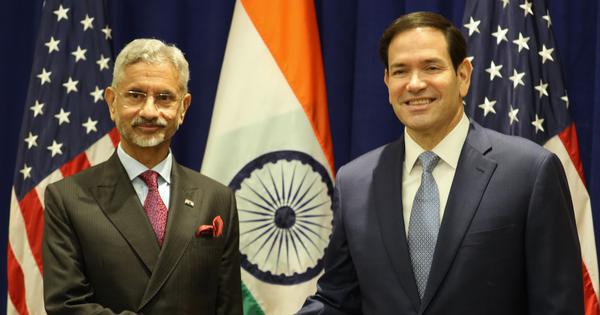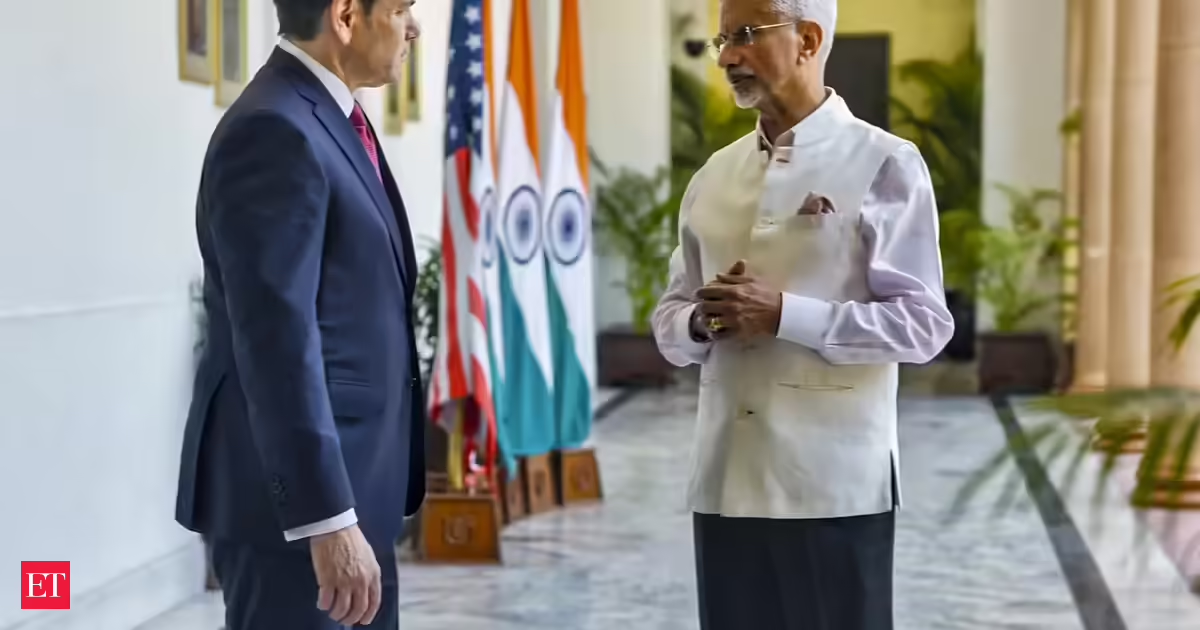
On June 12, Indian External Affairs Minister S. Jaishankar phoned U.S. Secretary of State Marco Rubio to register a “strong protest” about the killing of three Indian seafarers by U.S. strikes in the Gulf of Oman on June 9. The sailors were aboard the Palau-flagged tanker Settebello, which the United States said “violated the ongoing blockade” on Iranian-linked shipping.
With the United States and Iran signing a peace deal this week, it seems likely that the diplomatic fractures between Washington and New Delhi will outlast the Iran war.
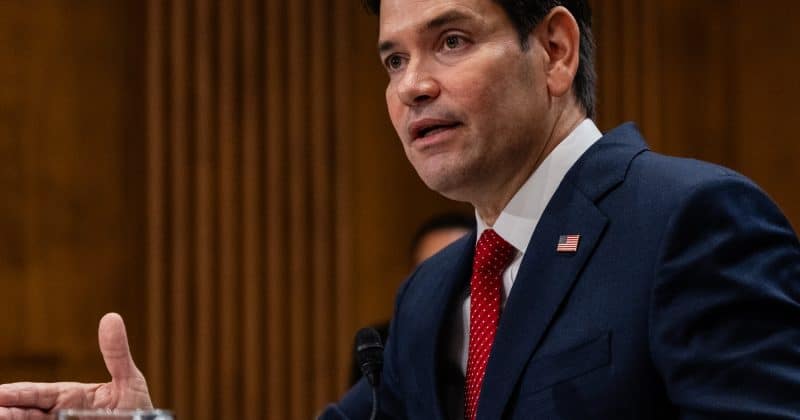
Rubio’s public response to Jaishankar was remarkably unyielding. Asserting that U.S. forces “will continue to take all necessary measures to enforce maritime security and counter hostile threats in the region,” Rubio offered neither apology nor regret for the deaths. He made no commitment to adjust the rules of engagement and didn’t provide assurance to India, a strategic partner of the United States, that such an incident wouldn’t be repeated in the future.
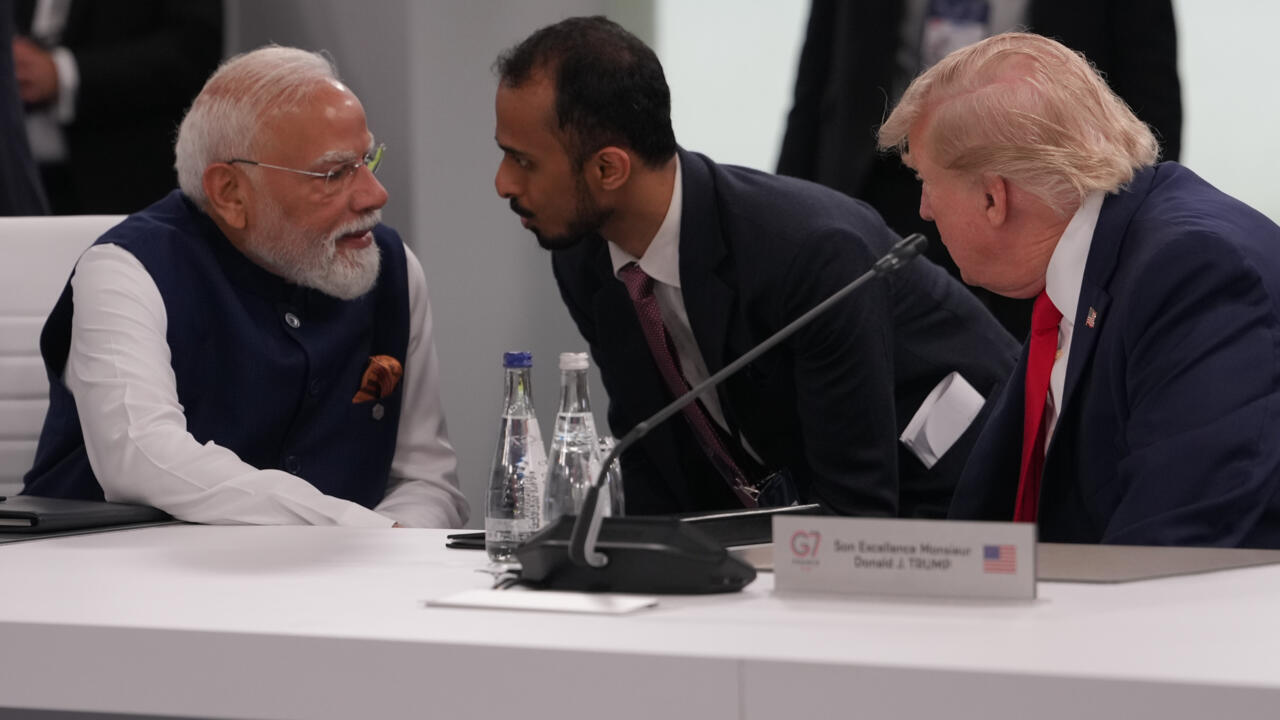
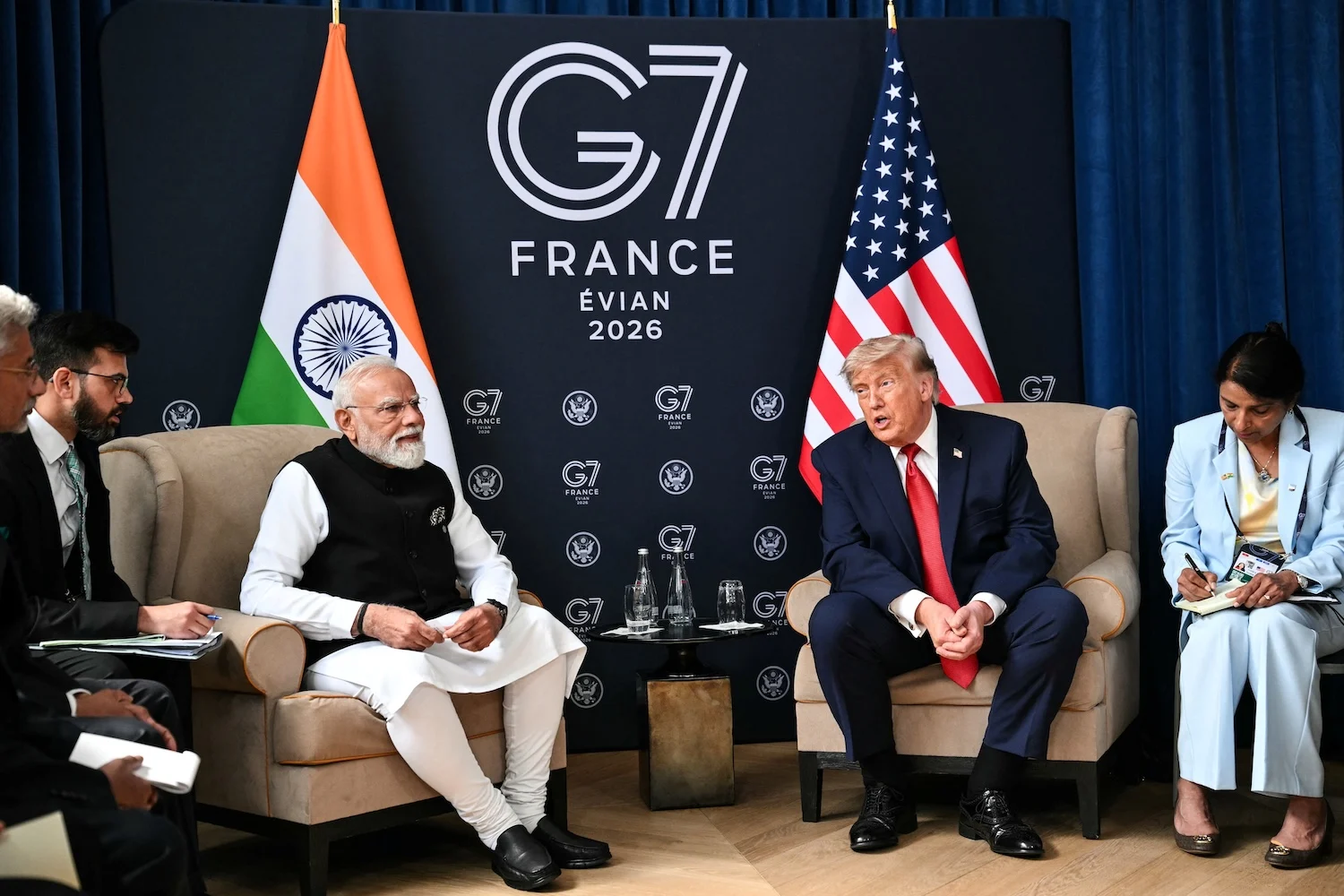
The diplomatic friction came as Indian Prime Minister Narendra Modi publicly thanked U.S. President Donald Trump for offering Modi congratulations about becoming India’s longest-serving premier—and as the two sides finalized preparations for a bilateral meeting between the leaders on the sidelines of the G-7 summit in France this week.