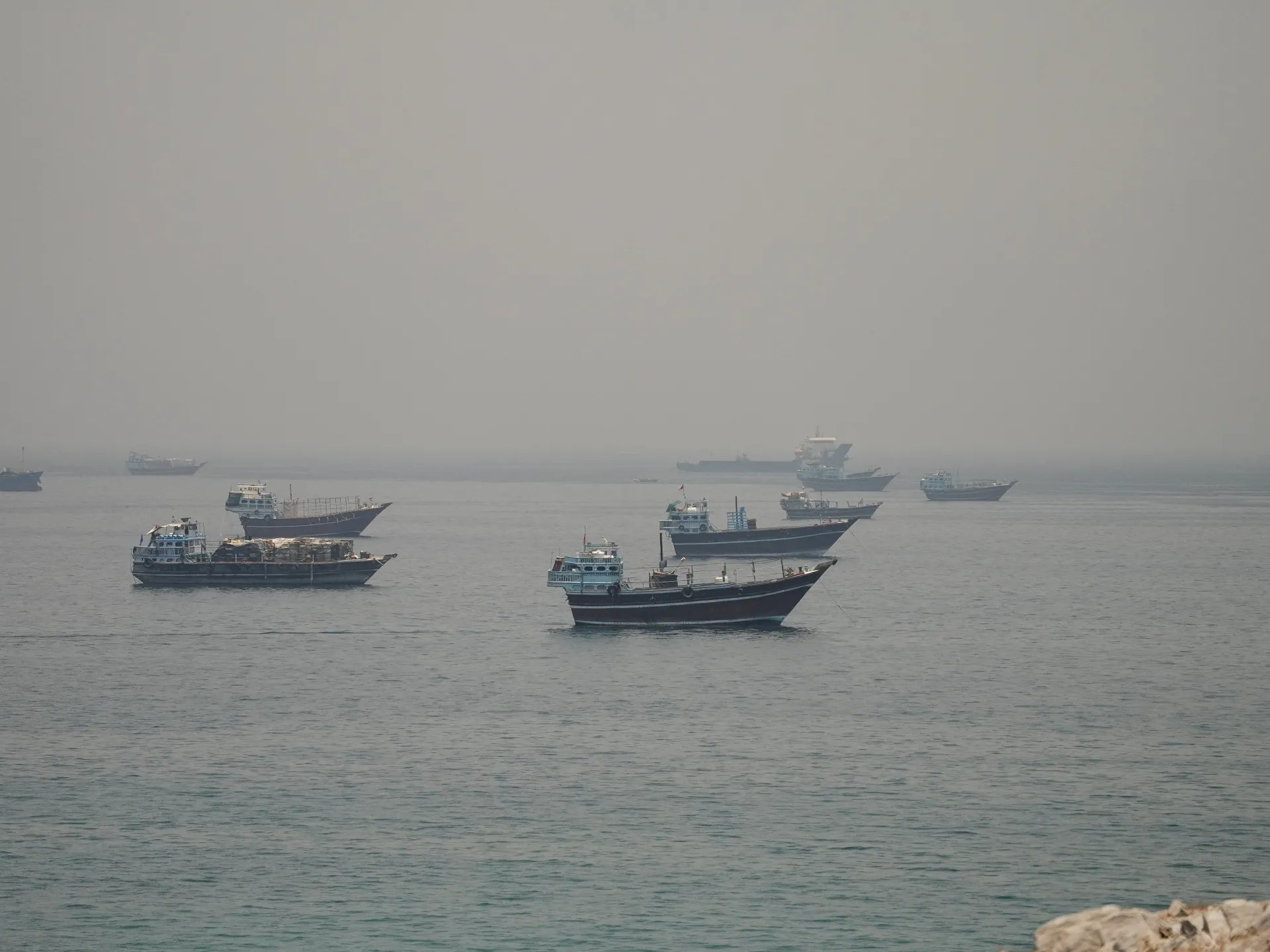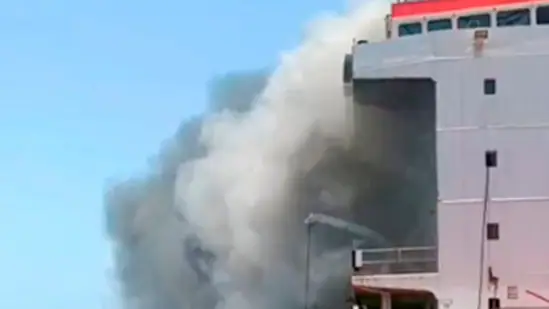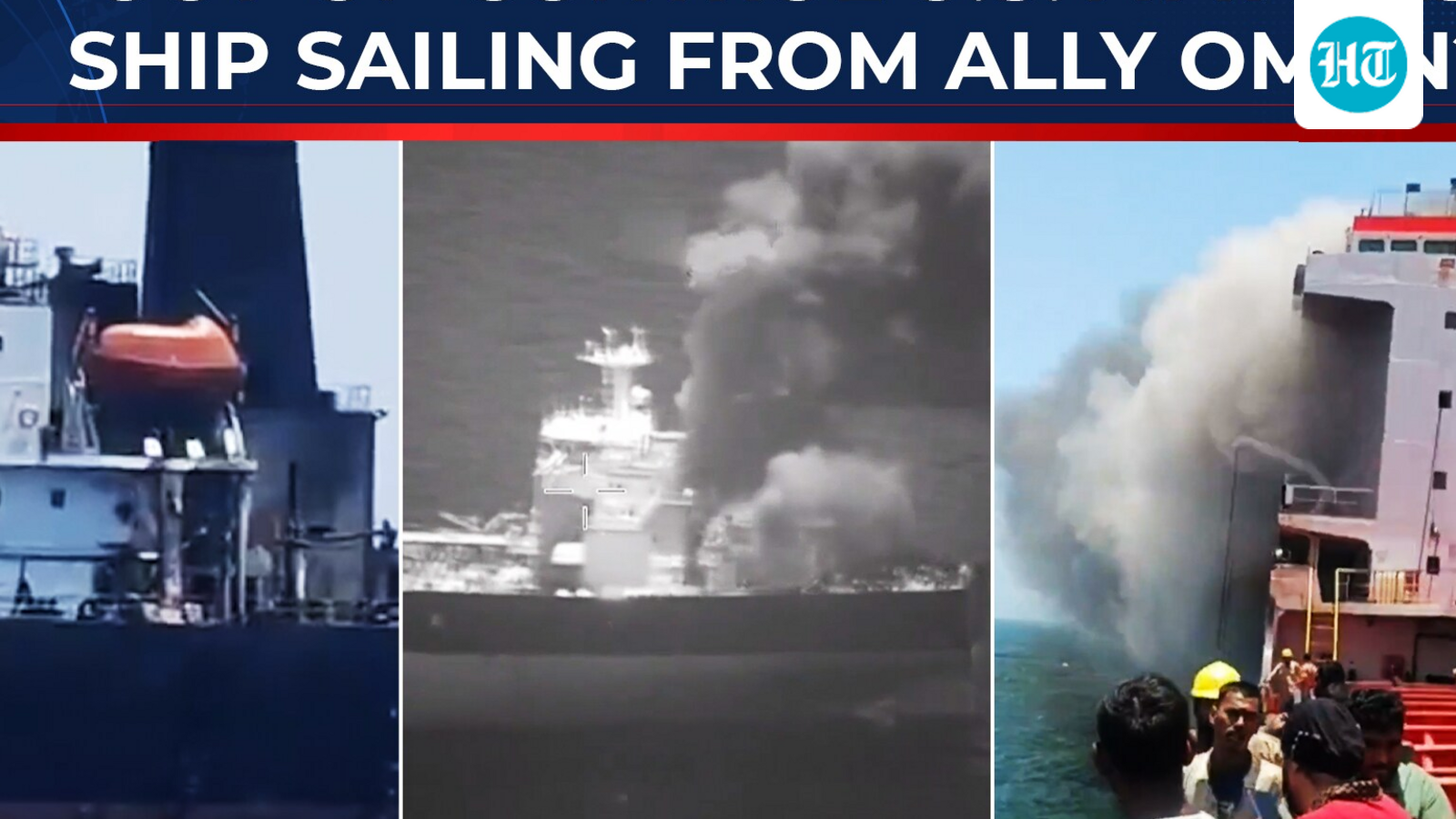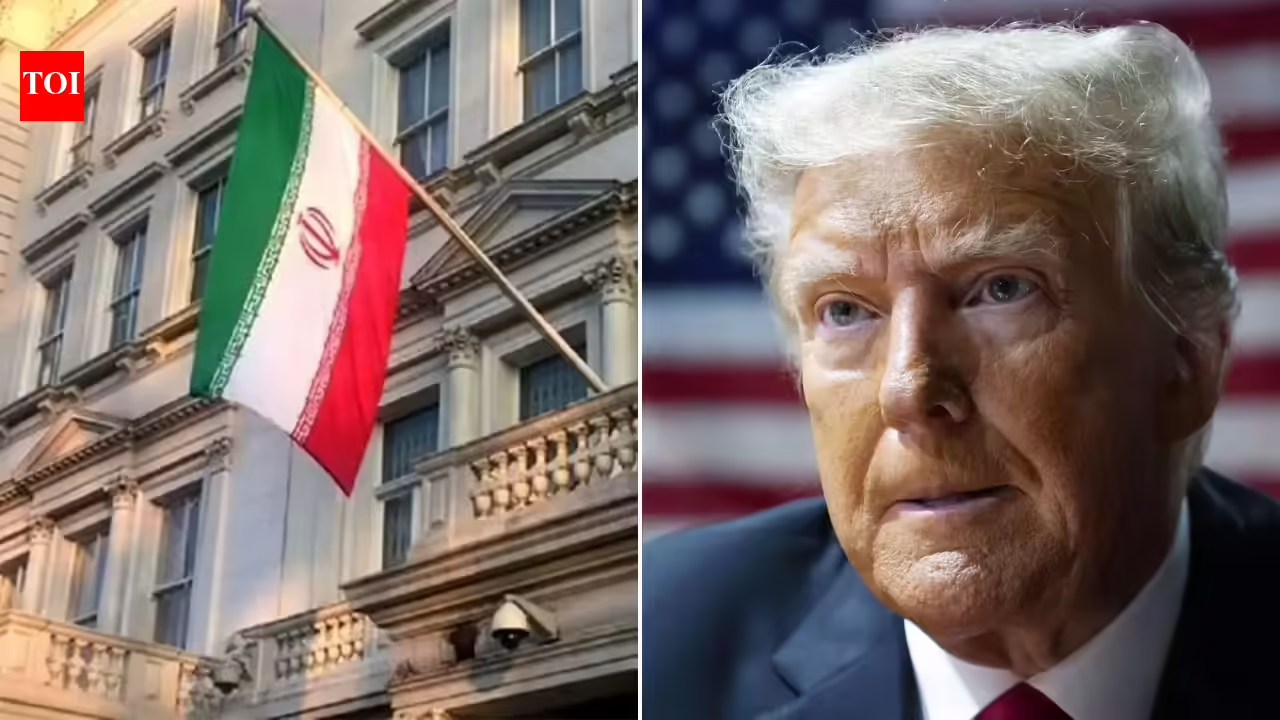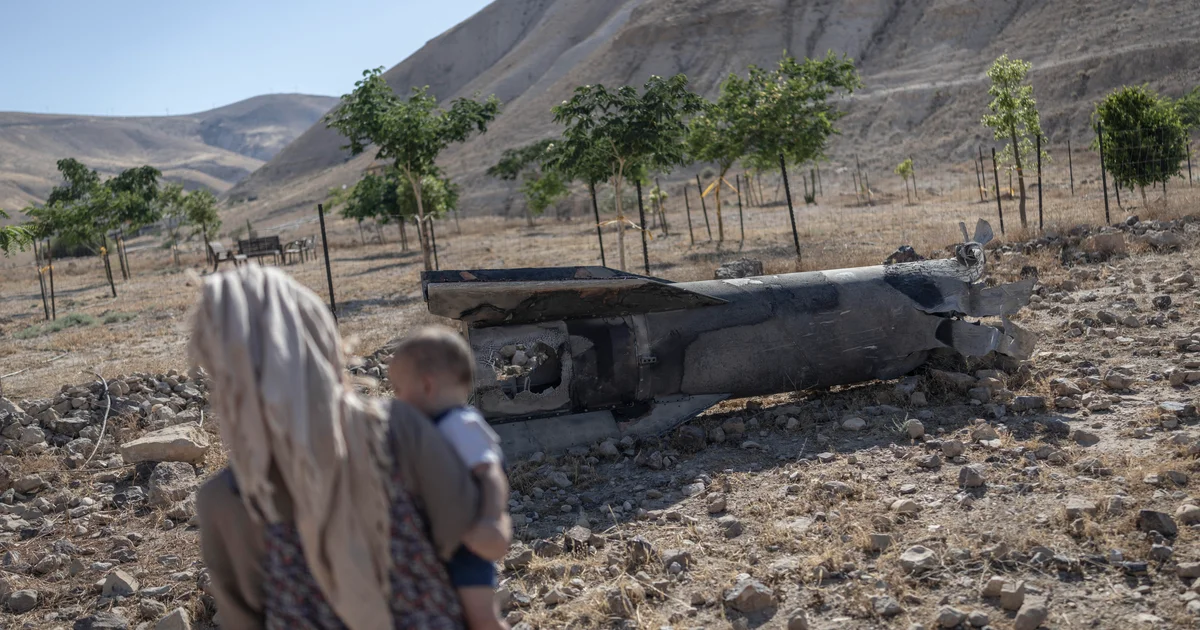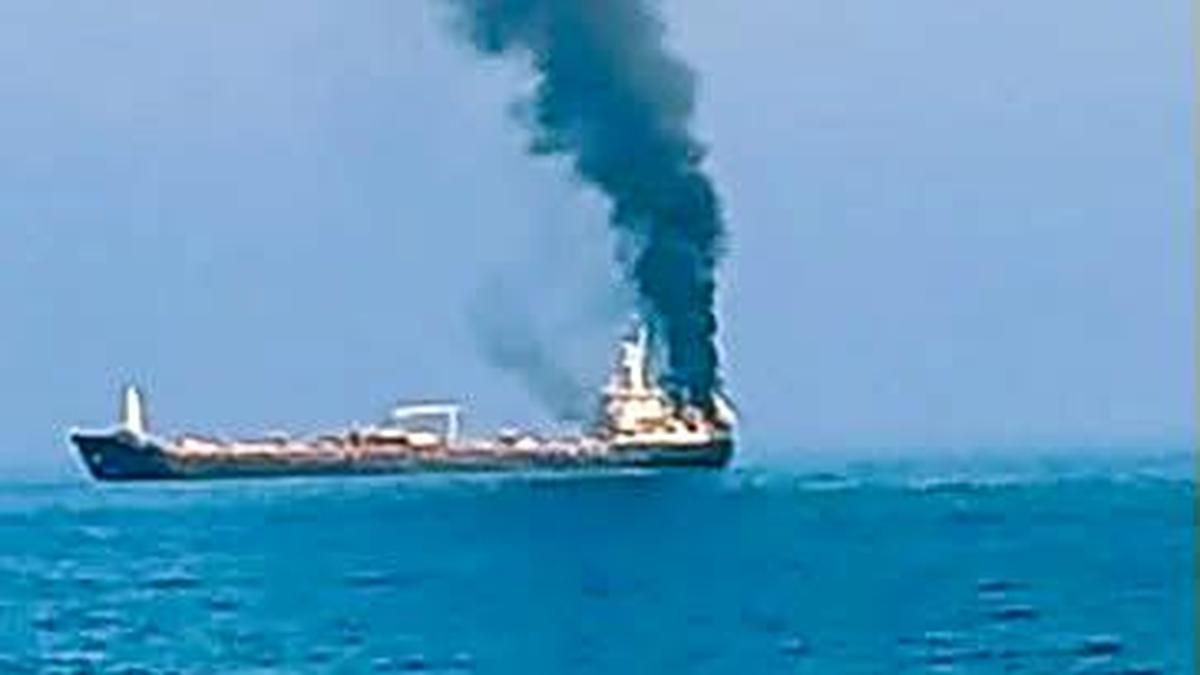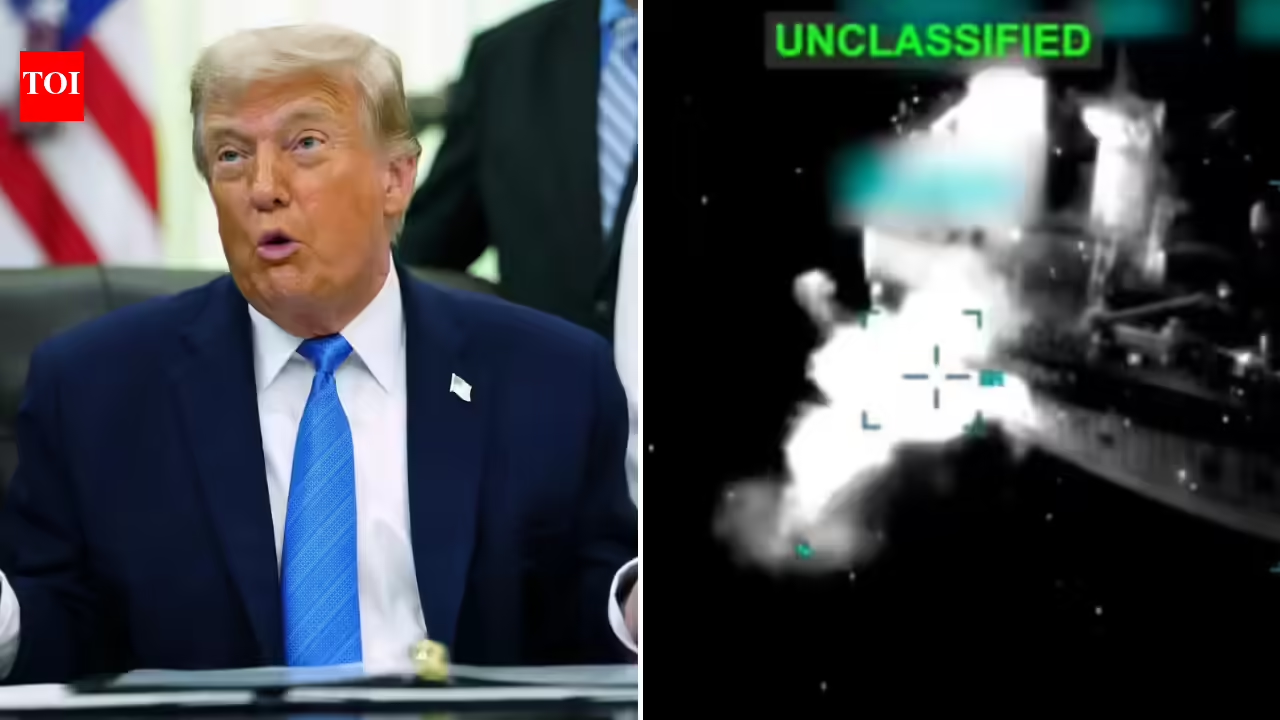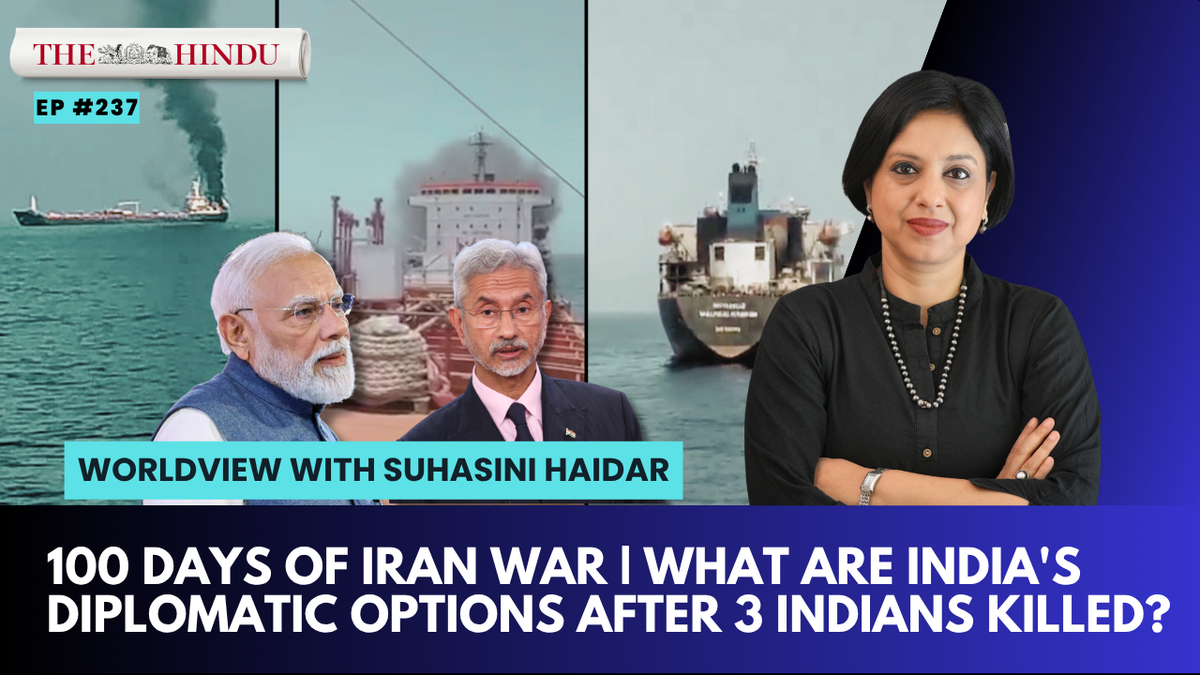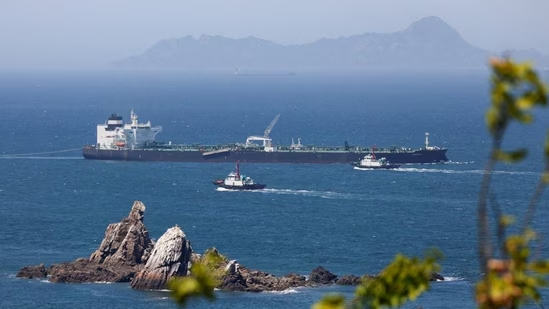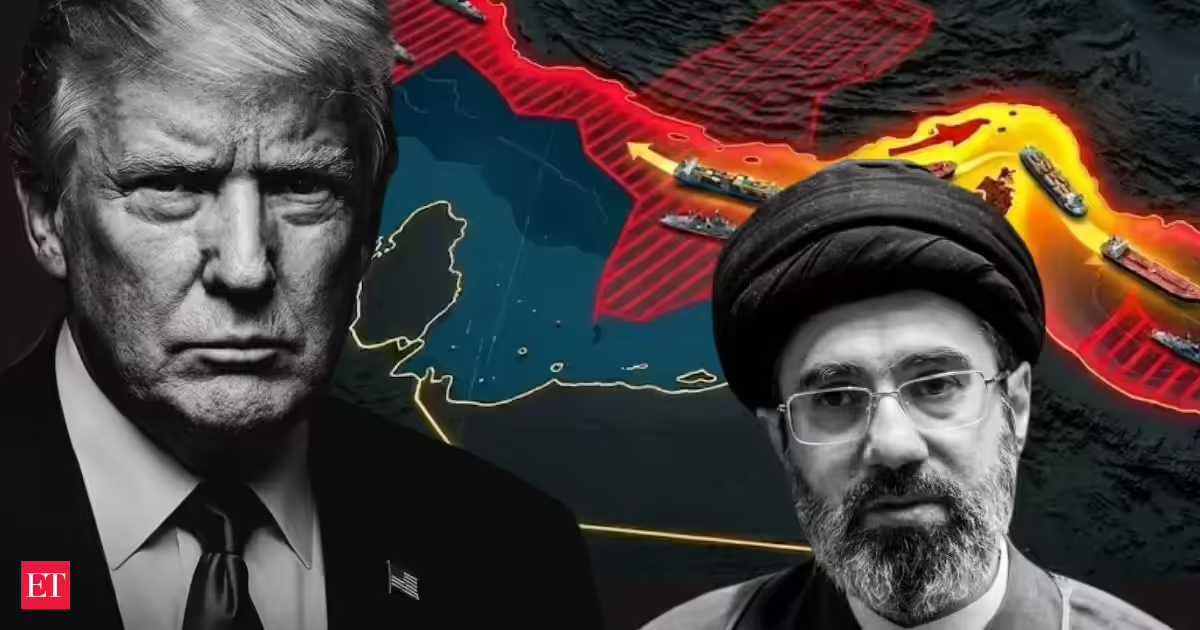
The United States and Iran are not just exchanging strikes and threats. They are also fighting a parallel war of competing claims over ceasefires, peace talks, military successes and increasingly, incidents involving Indian interests.The latest twist came when US President Donald Trump accused Iran of targeting Indian ships in the Strait of Hormuz with drones, calling the alleged attack "totally unacceptable". Tehran swiftly countered with allegations that US attacks on merchant vessels had killed three Indian seafarers, highlighting how nearly every major development in the conflict is now accompanied by sharply different narratives.For India, which relies heavily on Gulf trade routes and has thousands of citizens working in the maritime sector, the escalating blame game has become more than a distant geopolitical contest.1. Why India is watching closelyUS version: Trump accused Iran of launching a drone attack against Indian ships leaving the Strait of Hormuz, describing it as "totally unacceptable" and warning Tehran to "get their act together, and FAST."Iran's version: Tehran condemned what it described as US attacks on merchant vessels that killed three Indian nationals, accusing Washington of endangering freedom of navigation and threatening global security.India's response: New Delhi summoned the US charge d'affaires and described the strikes on commercial vessels with Indian crew members as "unacceptable", while calling the incidents deeply worrying.Why it matters: The confrontation has acquired a direct Indian dimension, with Indian seafarers caught in the crossfire and one of the world's most important shipping lanes at the centre of the dispute.2. Has Iran approved the US framework?US version: Trump has repeatedly projected confidence that an agreement is close. He said discussions had been taken to the "highest level" of Iran's leadership and approved, and later claimed that a "very detailed" memorandum of understanding had received backing from key figures in Tehran, including Supreme Leader Mojtaba Khamenei.The US president has also said a formal signing could take place in Europe within days, describing the documents as being in "pretty final shape" and claiming that the broad contours of an agreement had already been approved.Iran's version: Tehran has publicly cast doubt on those claims. Iran's Fars news agency, citing a source close to the negotiating team, reported that no text for an agreement or initial memorandum of understanding had been approved. Iranian officials have also stopped short of confirming Trump's assertions that the country's leadership has signed off on a deal or that negotiations are in their final stages.Why it matters: The discrepancy raises a fundamental question: is a deal genuinely within reach, or are both sides trying to shape perceptions ahead of a difficult final round of negotiations?3. What happens to Iran's nuclear programme?US version: The Trump administration says Iran has agreed in principle that its stockpile of highly enriched uranium will be removed and destroyed.Iran's version: Iranian authorities have not publicly confirmed any such arrangement.Why it matters: The fate of Iran's nuclear material remains one of the biggest unresolved issues in the conflict.4. Have US strikes achieved their objectives?US version: Trump has claimed that most of Iran's missiles and launchers have been destroyed, while Secretary of State Marco Rubio has said Iran's weapons production network has experienced "80% to 90% attrition" and could take years to rebuild. US officials have also pointed to strikes on missile factories, drone production facilities, air defence systems and military infrastructure as evidence that the campaign has achieved many of its tactical goals.Iran's version: Tehran has not accepted the US assessment and continues to point to its ability to launch attacks across the region. In recent weeks, Iran has been linked to missile and drone attacks targeting Gulf states and US partners, while also demonstrating its ability to disrupt maritime traffic around the Strait of Hormuz. Iranian officials argue that the country's military capabilities remain intact enough to impose costs on its adversaries despite months of bombardment.The reality check: Even US officials have acknowledged that Iran retains some military capability. Adm. Brad Cooper, the top US military commander in the Middle East, told lawmakers in May that Tehran still had a "very moderate if not small capability" to continue strikes in the region. Trump has similarly said that while much of Iran's military infrastructure has been damaged, the country "still has capacity."Why it matters: The effectiveness of the military campaign lies at the heart of the wider debate over the war. If Washington believes its objectives have largely been achieved, it has greater incentive to push for a diplomatic settlement. If Iran believes it retains meaningful military leverage, it may be less willing to accept US terms. The disagreement also helps explain why both sides continue to portray the conflict very differently despite ongoing talks about peace.5. Who is responsible for escalating the conflict?US version: Washington says its latest military actions are a response to Iranian aggression and attacks on regional partners.Iran's version: Tehran argues that US and Israeli actions continue to fuel instability and provoke retaliation.Why it matters: Both sides are trying to frame themselves as responding to aggression rather than driving it.6. Is the Strait of Hormuz reopening?US version: Trump has suggested that reopening the vital shipping route would form part of any final agreement.Iran's version: Tehran has not publicly endorsed such a timeline.Why it matters: The Strait of Hormuz carries around a fifth of the world's oil trade, making its security critical for countries such as India that depend heavily on imported energy.The war over the narrativeThe United States says a deal is within reach and that many of its objectives have been achieved. Iran says key questions remain unresolved and has disputed several of Washington's claims on negotiations, military gains and recent maritime incidents.As attacks continue and diplomacy remains uncertain, the contest over the narrative has become almost as important as developments on the battlefield. And with Indian sailors, Indian-linked vessels and India's energy security now part of the story, New Delhi is finding itself increasingly affected by a conflict unfolding far beyond its shores.(With inputs from Agencies)
Indian seafarers' deaths, disputed attacks and a widening US-Iran blame game
India watches closely as the US and Iran trade accusations over maritime incidents. Both nations present conflicting accounts of negotiations and military achievements. These disputes directly impact India, with its seafarers caught in the middle and its energy security at stake. The war over narratives is as crucial as battlefield developments.
TL;DRAI
Trump accuses Iran of drone attacks on Indian ships in Strait of Hormuz; Tehran claims US strikes killed three Indian seafarers amid disputes over ceasefire. Strait carries 20% of global oil—disruptions risk energy price spikes impacting data center economics and tech supply chains.
993 words~5 min read