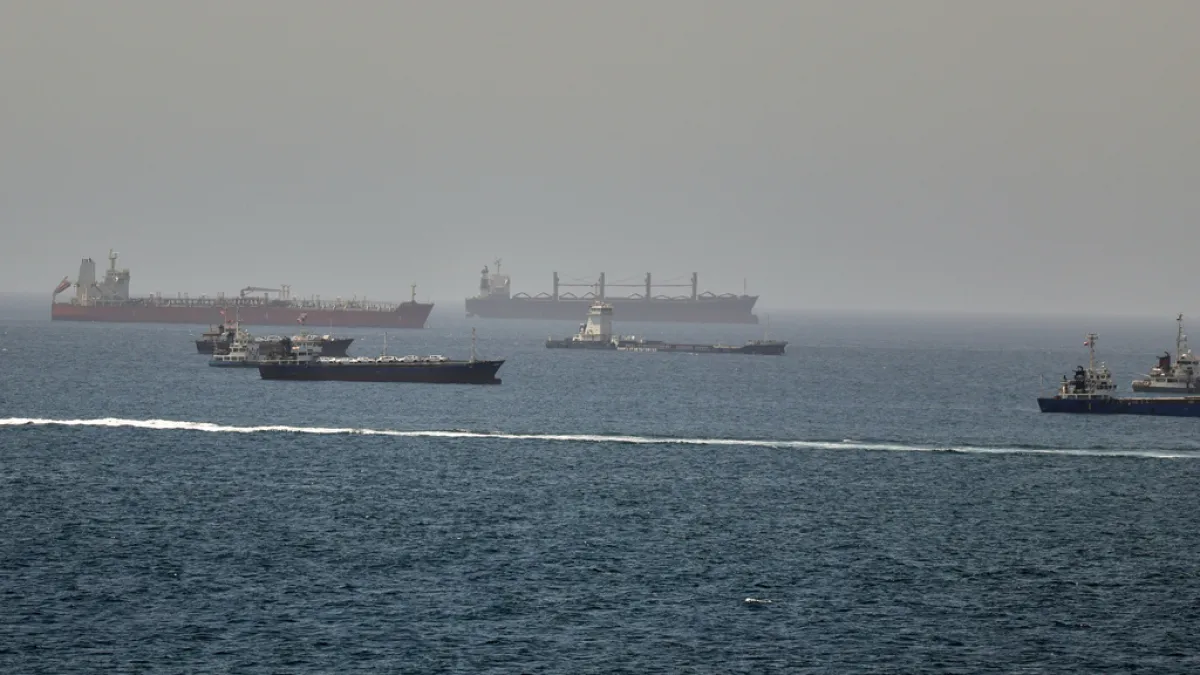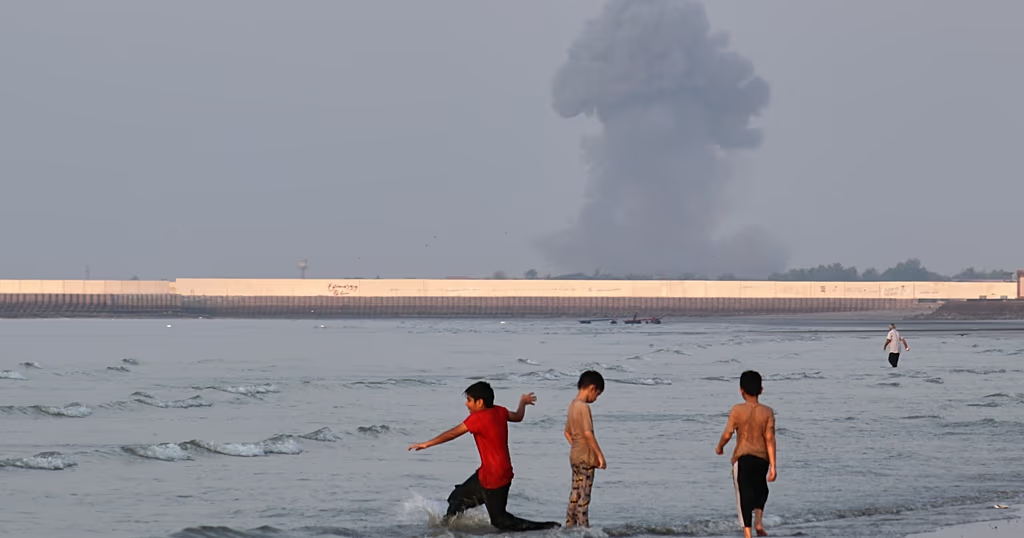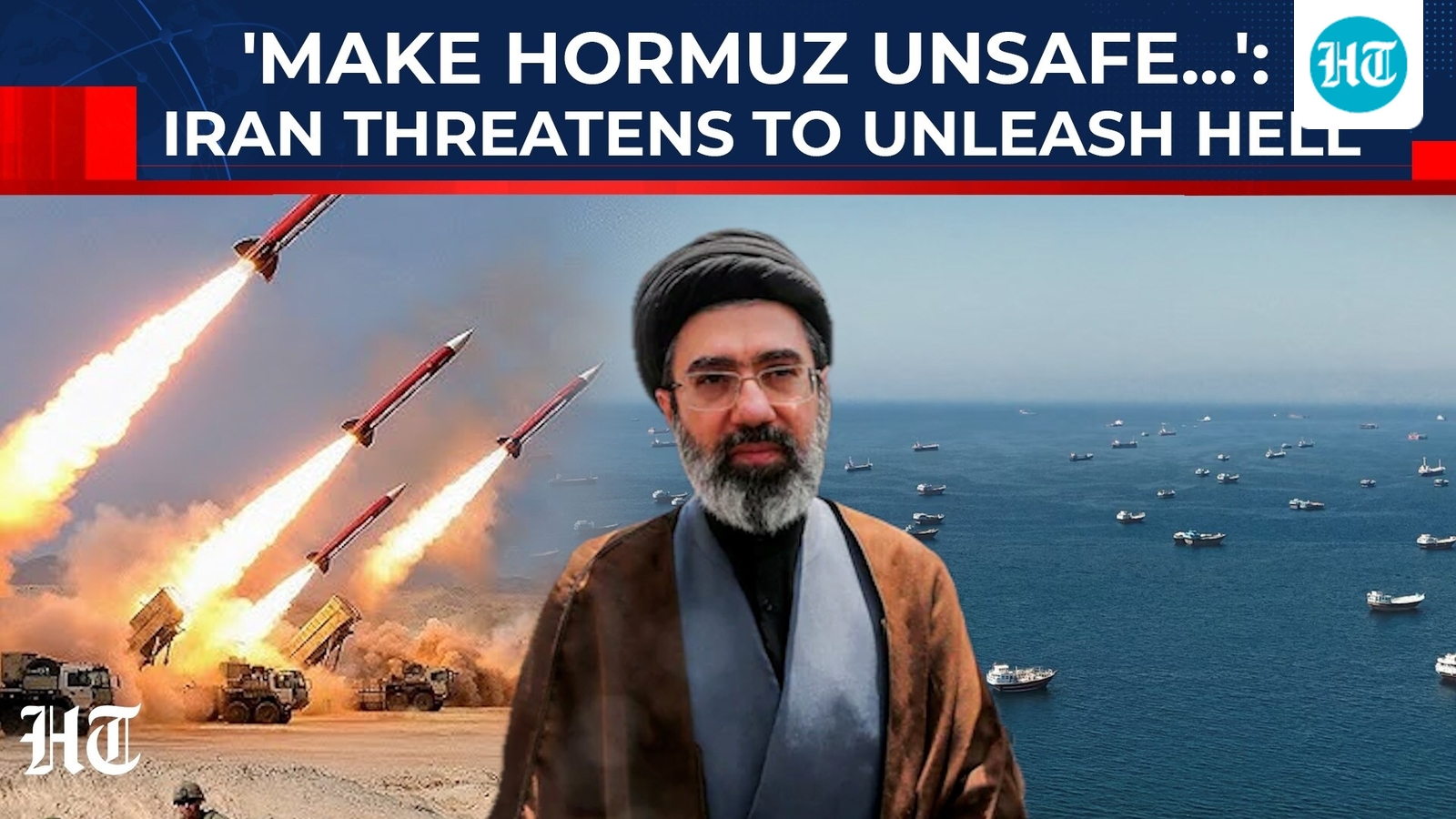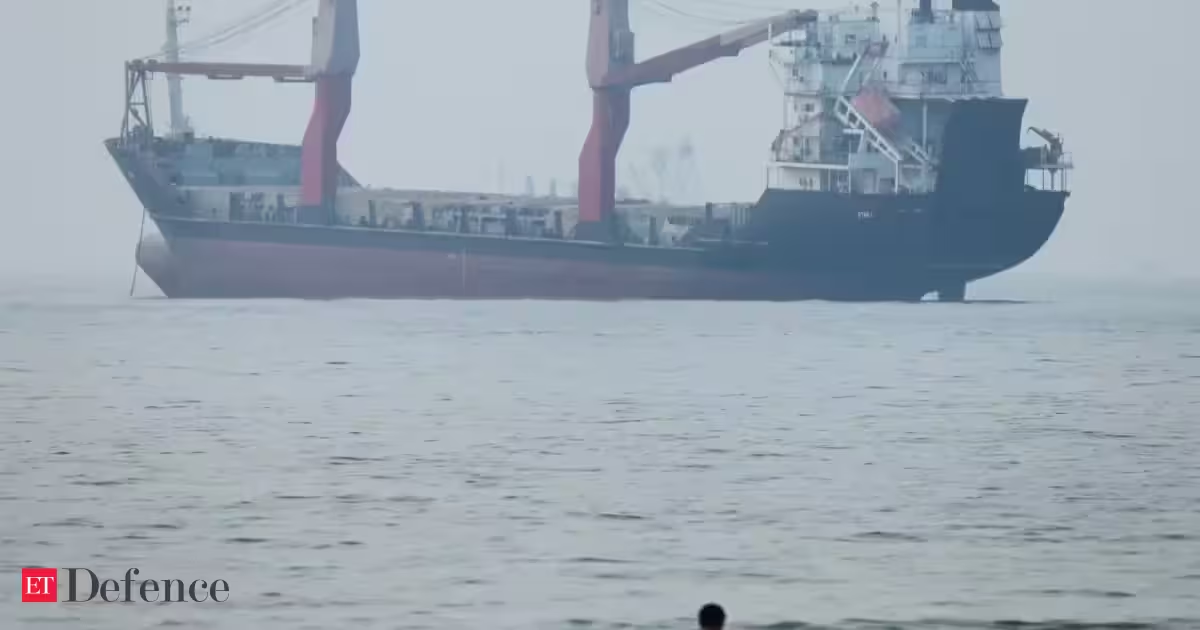
Fresh tensions in the Strait of Hormuz have triggered a new war of narratives between Washington and Tehran, raising fears of a wider confrontation in one of the world's most strategically important waterways. Iran's Revolutionary Guard Corps has released its version of events, claiming that a military standoff began when four oil tankers under U.S. escort attempted to transit the strait in violation of restrictions imposed by Tehran. According to the IRGC, Iranian naval forces issued warnings before intercepting one vessel, while the remaining ships reportedly turned back. Iran further alleges that U.S. drones later struck facilities in Qeshm and Sirik, targeting telecommunications and port infrastructure. Washington has presented its own account, saying U.S. forces acted to protect maritime security and commercial shipping. The incident comes as reports indicate the U.S. military helped coordinate the passage of more than 100 commercial vessels through the Strait of Hormuz during May. With global energy supplies, oil prices, and regional stability all tied to the security of this vital chokepoint, every military exchange carries significant consequences. As accusations, drone interceptions, naval warnings, and retaliatory threats continue, the Strait of Hormuz remains at the center of the growing U.S.-Iran confrontation, with the risk of further escalation looming over the Gulf.
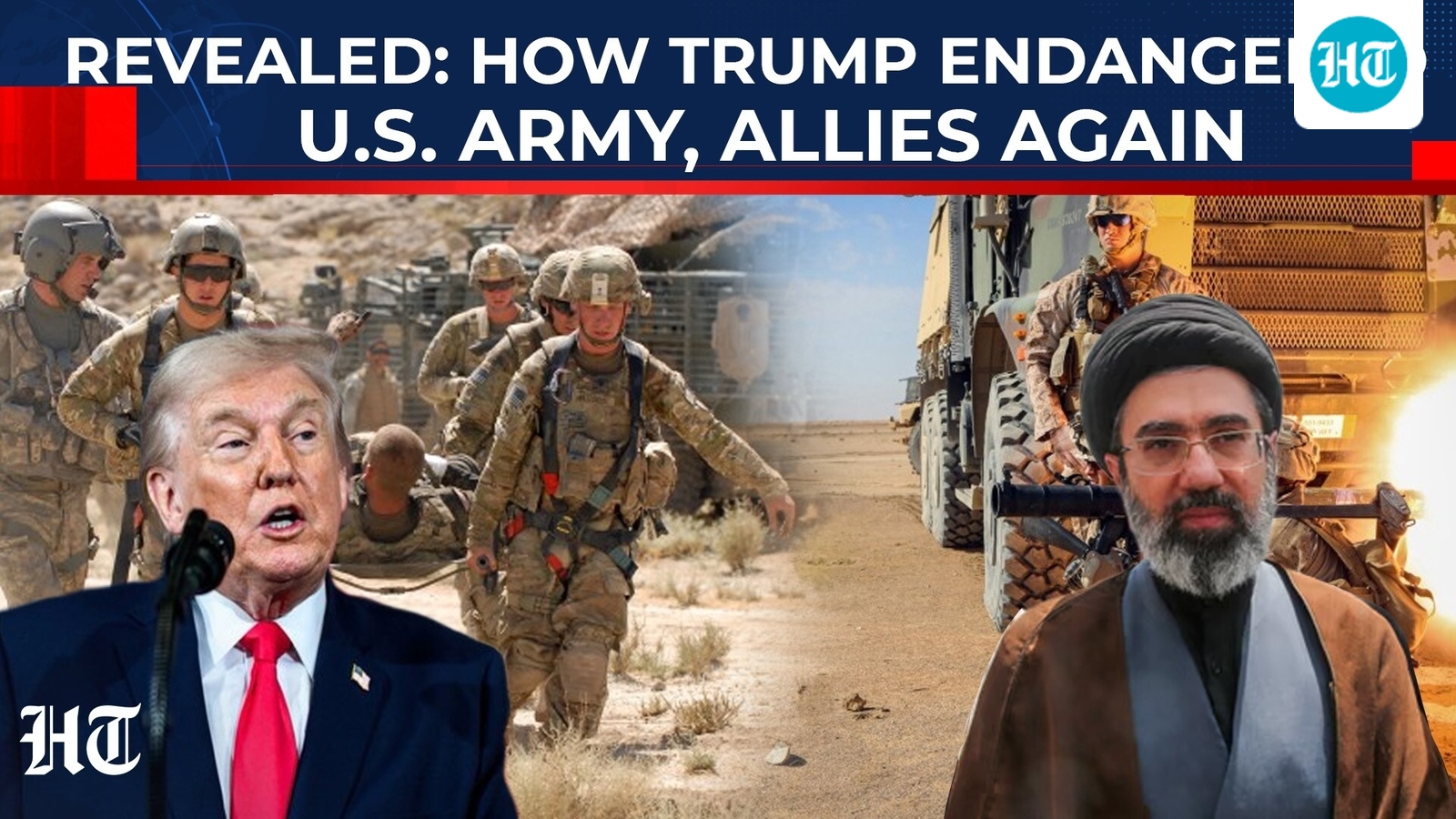
Iran exposes full truth behind latest clash with USA - how Trump endangered army & allies once more
Fresh tensions in the Strait of Hormuz have triggered a new war of narratives between Washington and Tehran, raising fears of a wider confrontation in one of the world's most strategically important waterways. Iran's Revolutionary Guard Corps has released its version of events, claiming that a military standoff began when four oil tankers under U.S. escort attempted to transit the strait in violation of restrictions imposed by Tehran. According to the IRGC, Iranian naval forces issued warnings before intercepting one vessel, while the remaining ships reportedly turned back. Iran further alleges that U.S. drones later struck facilities in Qeshm and Sirik, targeting telecommunications and port infrastructure. Washington has presented its own account, saying U.S. forces acted to protect maritime security and commercial shipping. The incident comes as reports indicate the U.S. military helped coordinate the passage of more than 100 commercial vessels through the Strait of Hormuz during May. With global energy supplies, oil prices, and regional stability all tied to the security of this vital chokepoint, every military exchange carries significant consequences. As accusations, drone interceptions, naval warnings, and retaliatory threats continue, the Strait of Hormuz remains at the center of the growing U.S.-Iran confrontation, with the risk of further escalation looming over the Gulf.