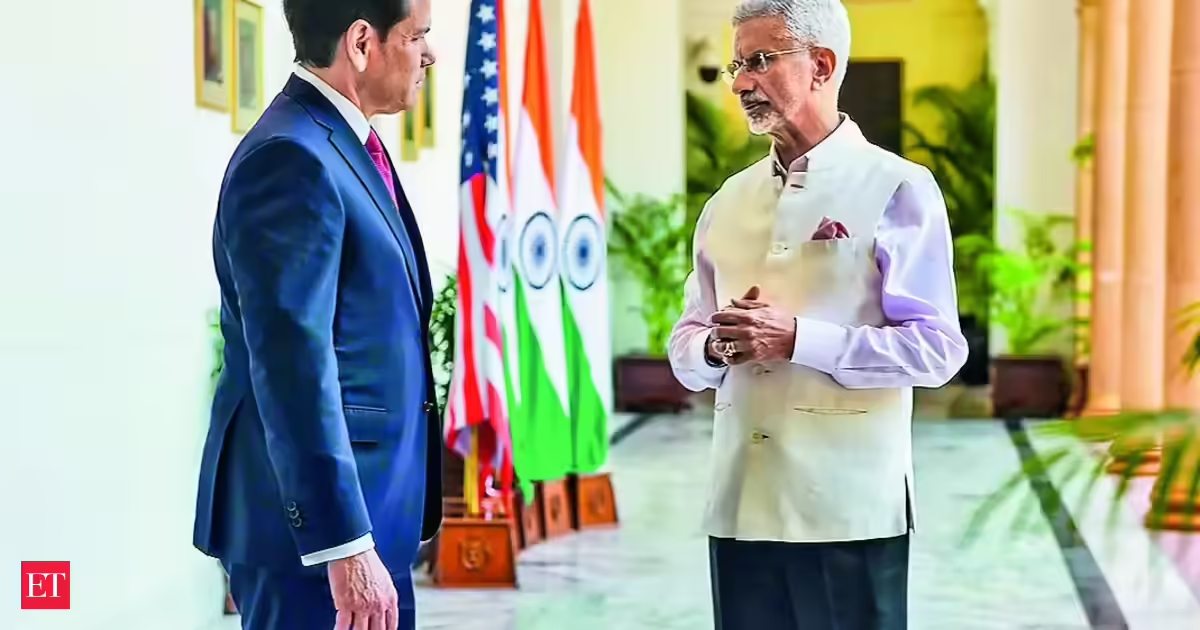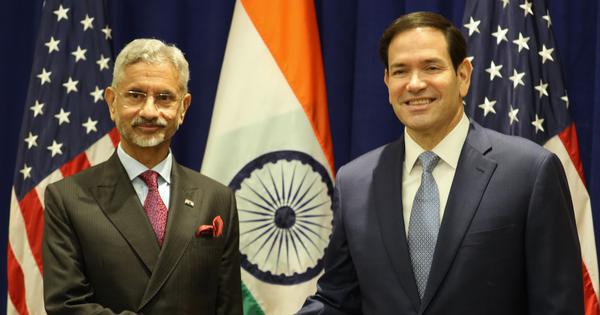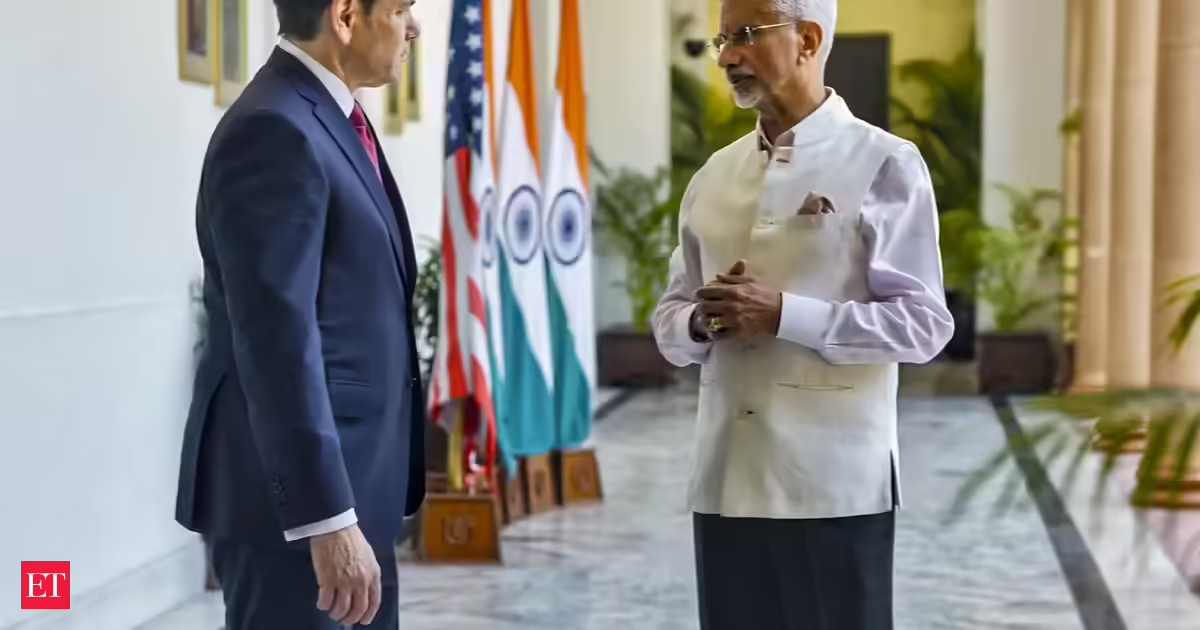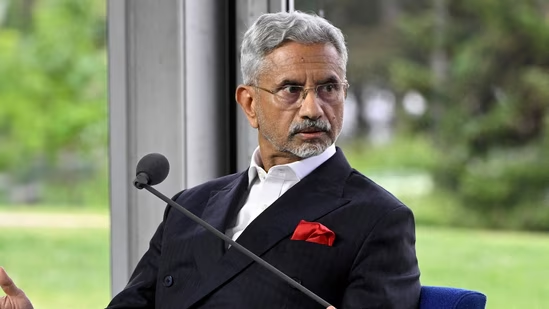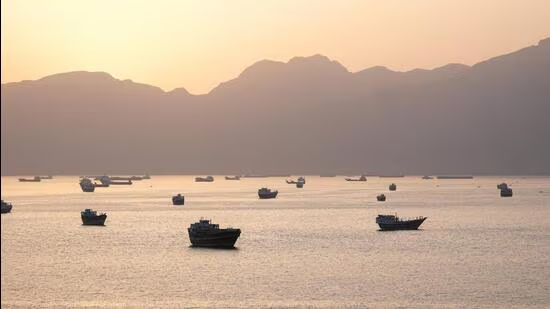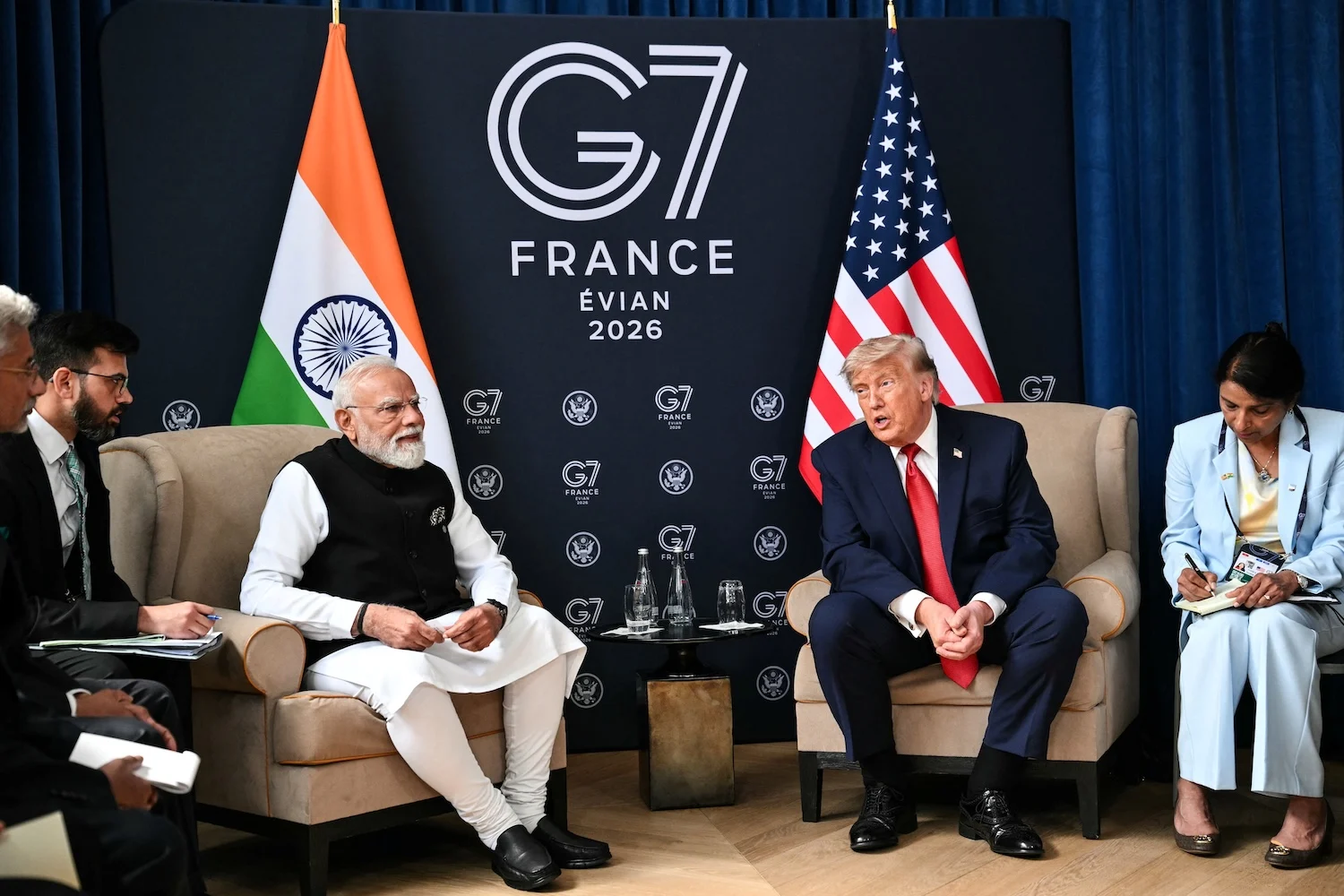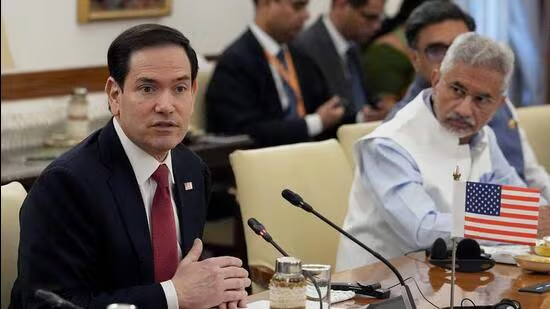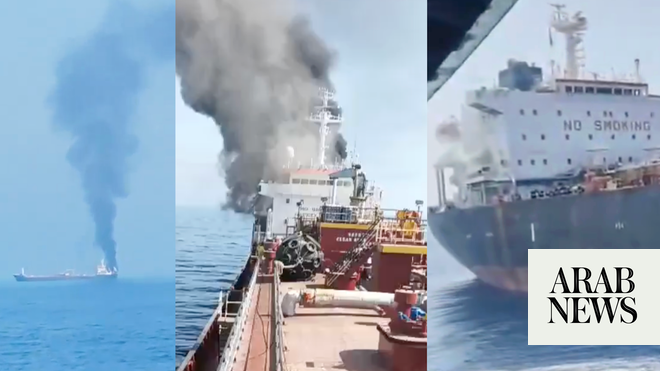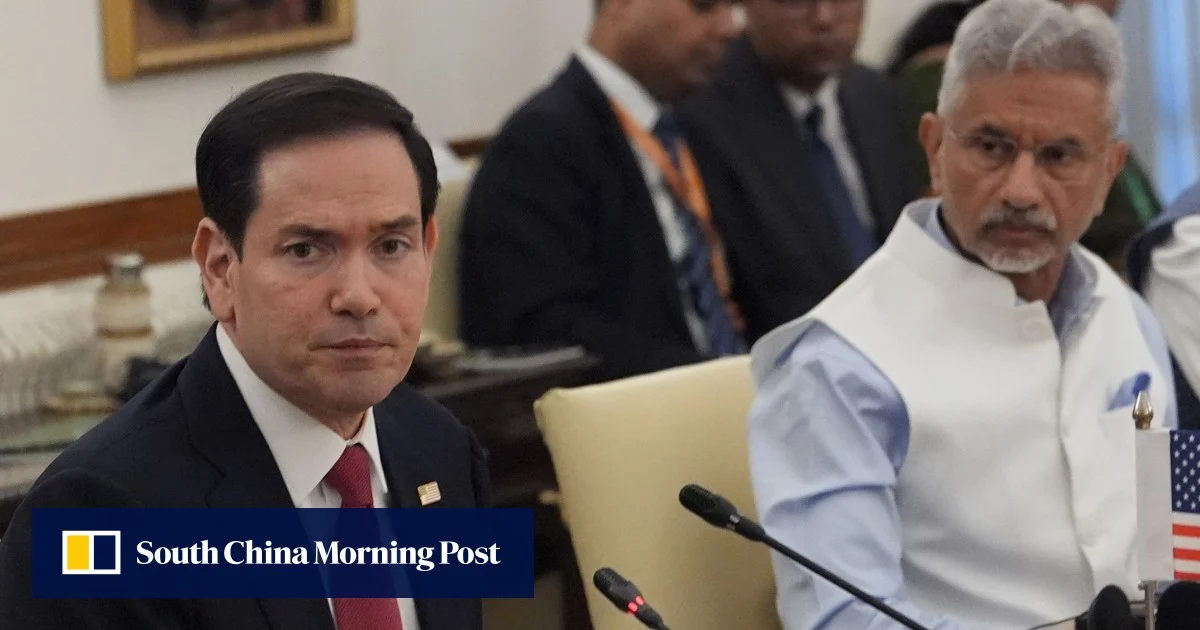
For years, Washington described India as an indispensable partner, a democratic counterweight to China and a strategic anchor in the Indo-Pacific.Then the US Navy killed three Indian sailors and America’s top diplomat could not even bring himself to apologise.India’s External Affairs Minister S. Jaishankar raised the deaths directly with US Secretary of State Marco Rubio in a phone call last Friday, reiterating what he called India’s “strong protest” and declaring, in a later social media post, that “such lethal actions against commercial shipping are not justified”.Rubio reportedly responded by warning his Indian counterpart that all commercial vessels must immediately comply with US orders in the Strait of Hormuz and that “violations of the US blockade and illicit transport of Iranian oil will not be tolerated”.US Secretary of State Marco Rubio (left) at a meeting with India’s External Affairs Minister S. Jaishankar during his visit to New Delhi on May 26. Photo: AFP/Getty Images/TNSBy this point, the most senior US envoy in New Delhi had already been summoned twice in one week to answer for the military strike on a merchant vessel in the Gulf of Oman that killed the three Indian mariners on June 10.What stung most was not the strike itself but the silence that followed, Indian observers told This Week in Asia. Rubio reportedly offered no condolences and no apology – only a defence of American actions and a warning about the blockade.
3 killed, no apology: the strike straining India-US relations
Instead of showing remorse, Washington ordered New Delhi to obey its blockade, stoking public outrage.
235 words~1 min read