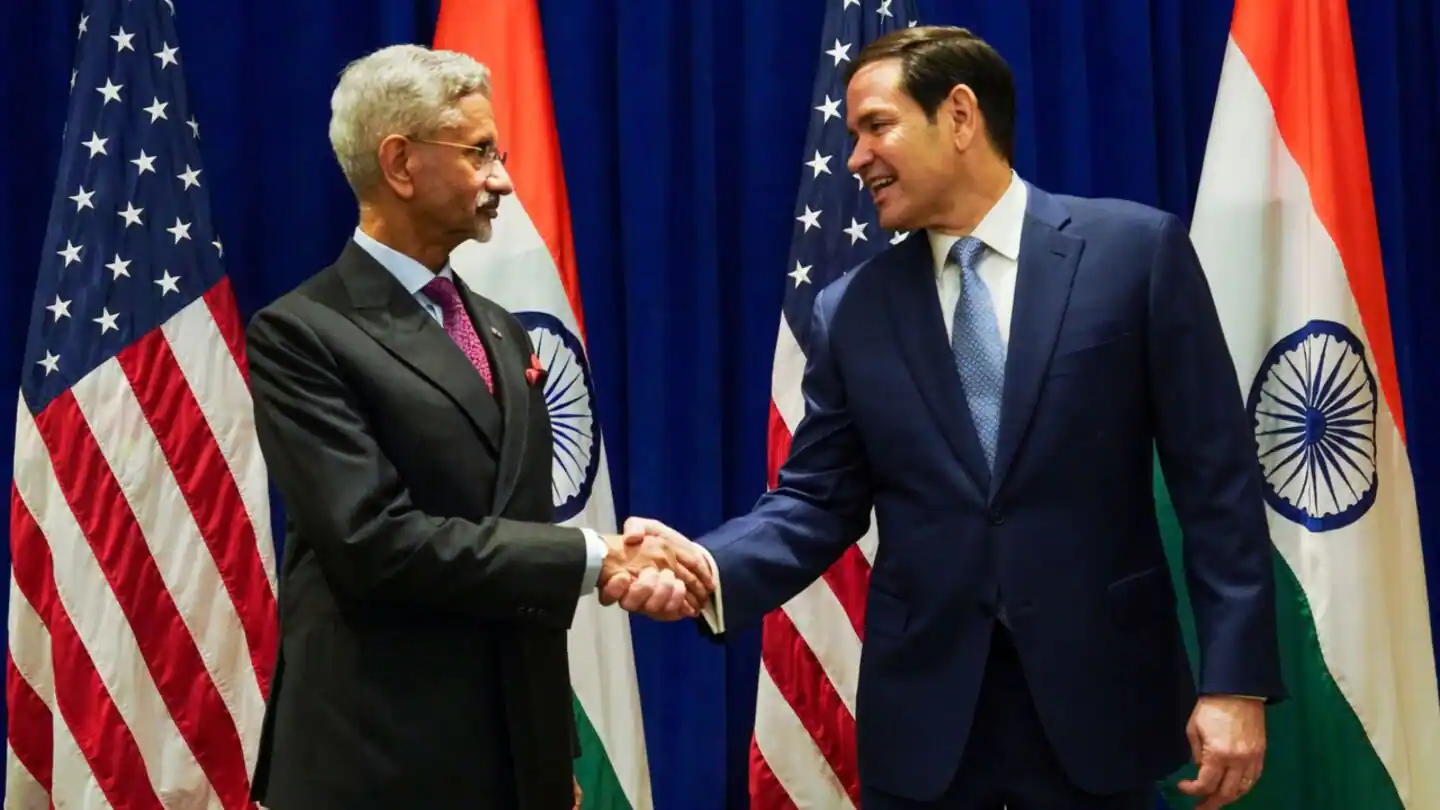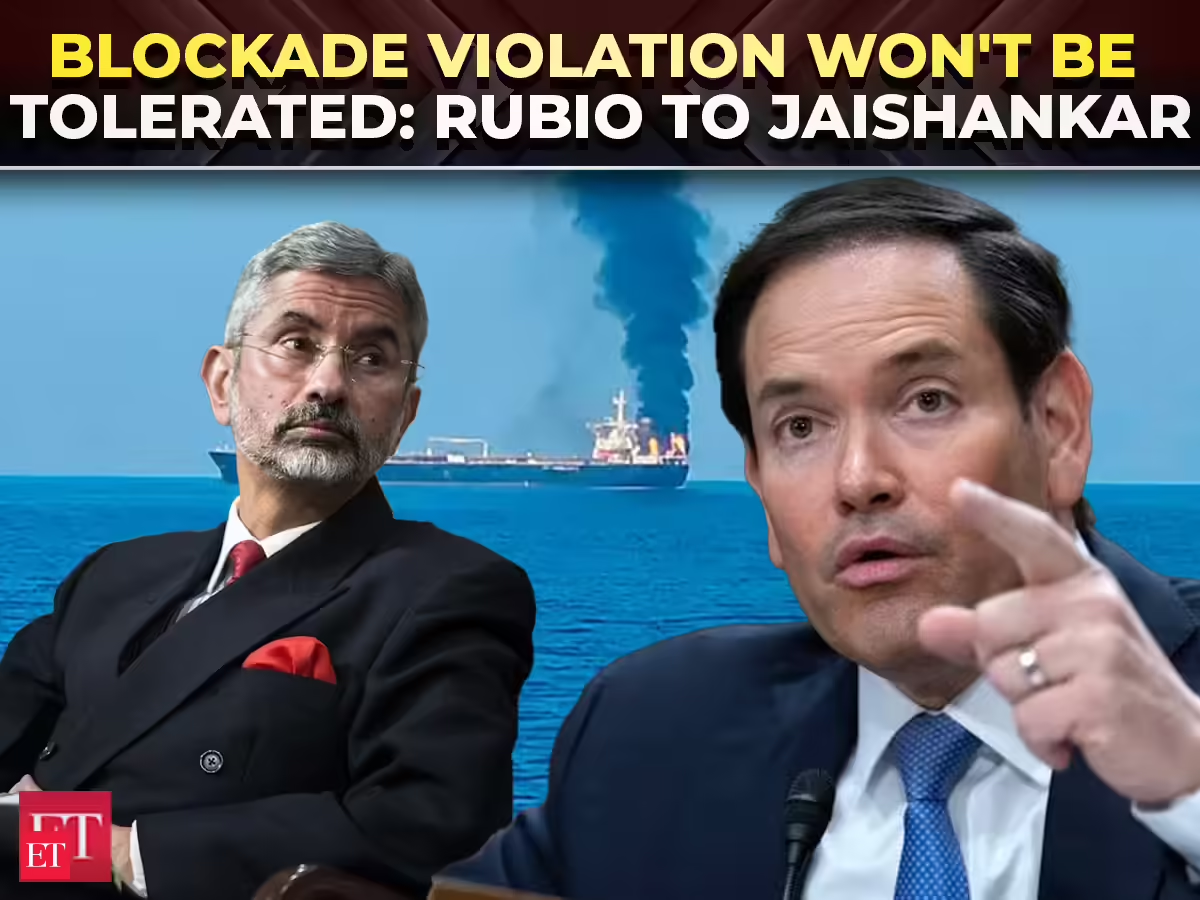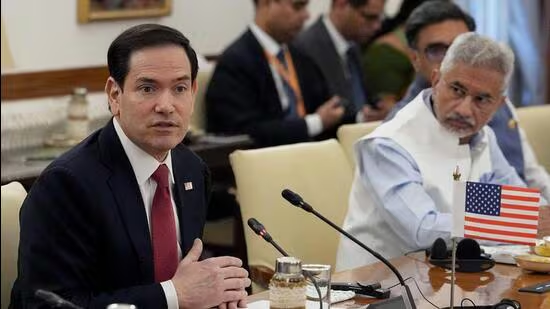
The deaths of three Indian sailors in US naval strikes near the Strait of Hormuz have created a rare diplomatic flashpoint between Washington and New Delhi. Secretary of State Marco Rubio defended the operations during a phone call with Indian External Affairs Minister S. Jaishankar, reiterating that all commercial ships must comply with US directives in the strategically vital waterway.
The sailors, identified as Aditya Sharma, Shivanand Chaurasiya, and Patnala Suresh, were killed during what US Central Command described as precision strikes against vessels disobeying orders. India called the actions unjust and demanded accountability.
What happened in the Strait
The confrontation centers on the Palau-flagged tanker Settebello, which was among the vessels targeted by US forces enforcing restrictions on Iranian oil shipments transiting the Strait of Hormuz. The strikes occurred around June 10-12, with the diplomatic fallout landing squarely on June 12 when Jaishankar formally protested to Rubio.
Roughly a fifth of the world’s oil supply passes through the Strait of Hormuz on any given day. It is a 21-mile-wide chokepoint between Iran and Oman. Rubio’s position is that the Strait must remain open, and that Iranian attempts to impose tolls or blockages are, in his words, unlawful and unsustainable.