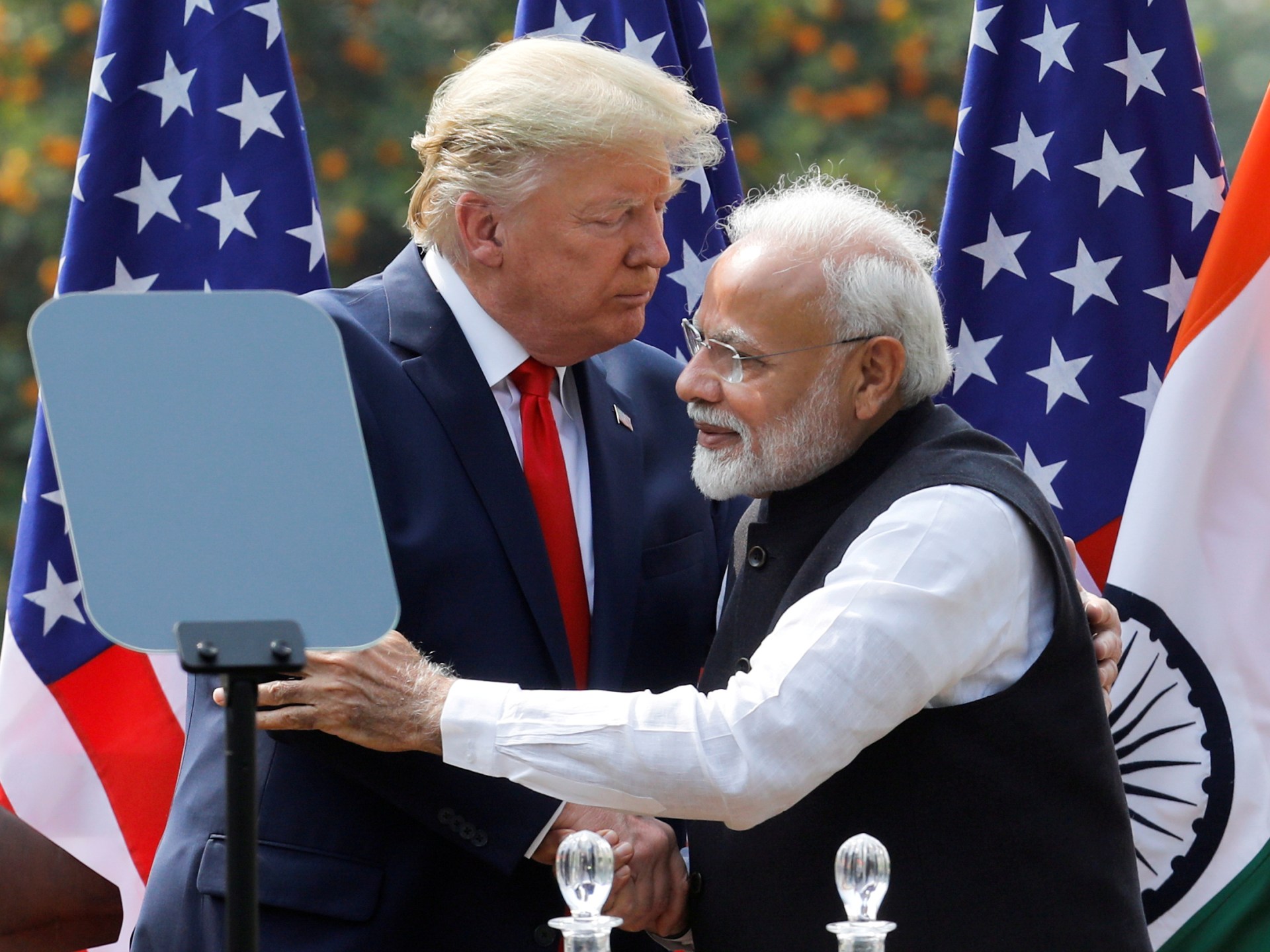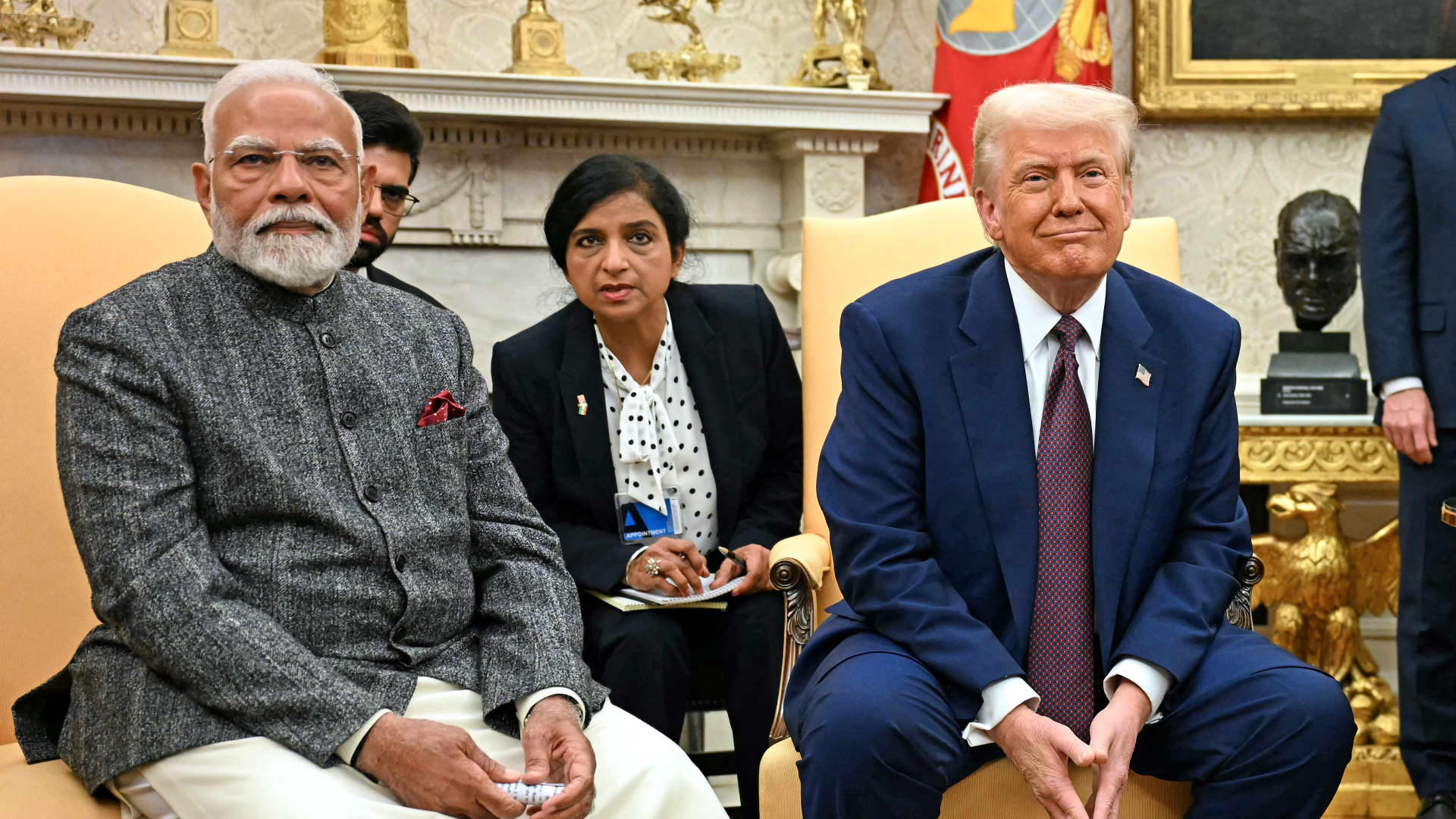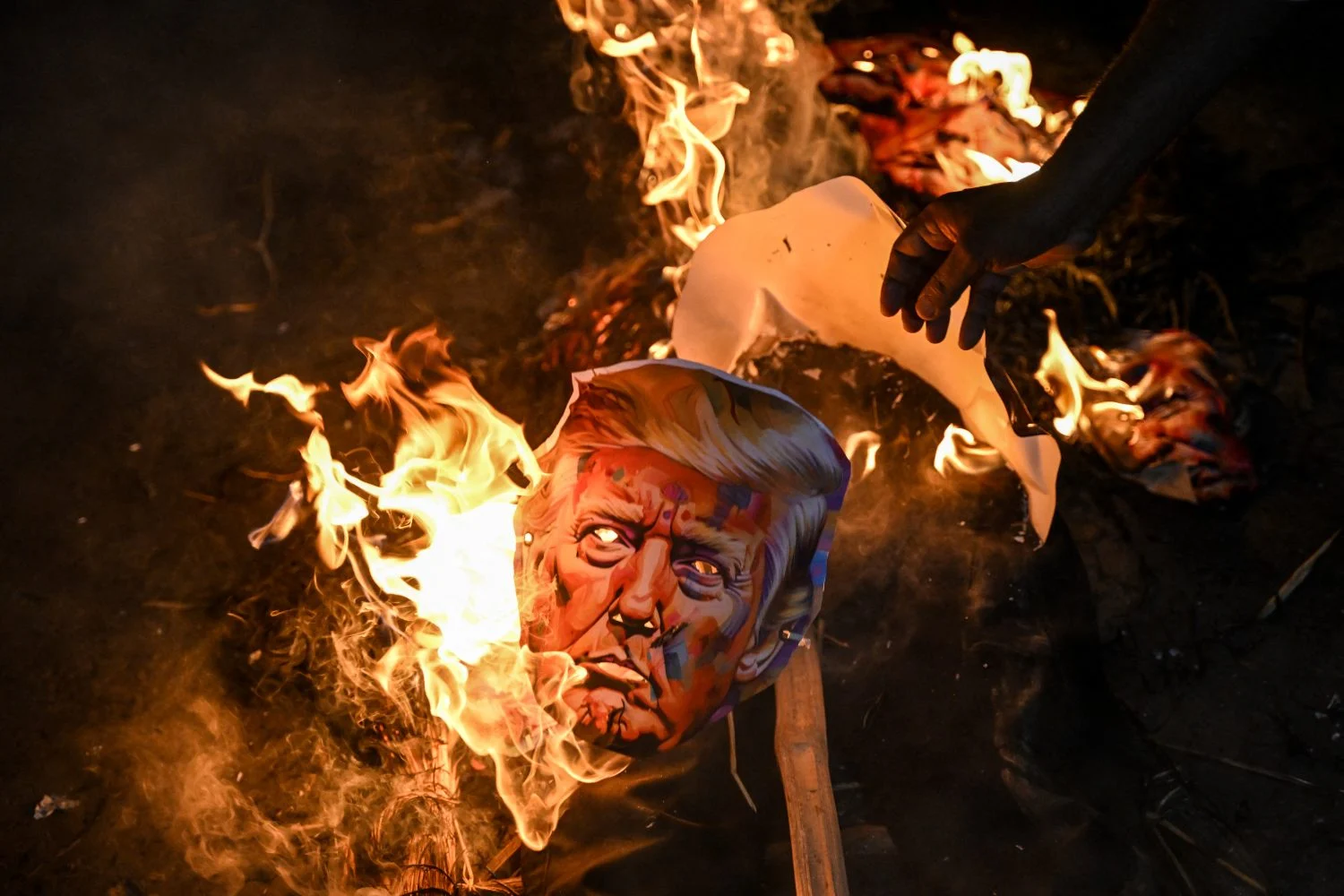
What Mark Twain once said about Richard Wagner’s music—“much better than it sounds”—applies equally to the state of India-U.S. relations. But if you follow the public discourse in New Delhi, you might be forgiven for thinking that the partnership is coming apart.
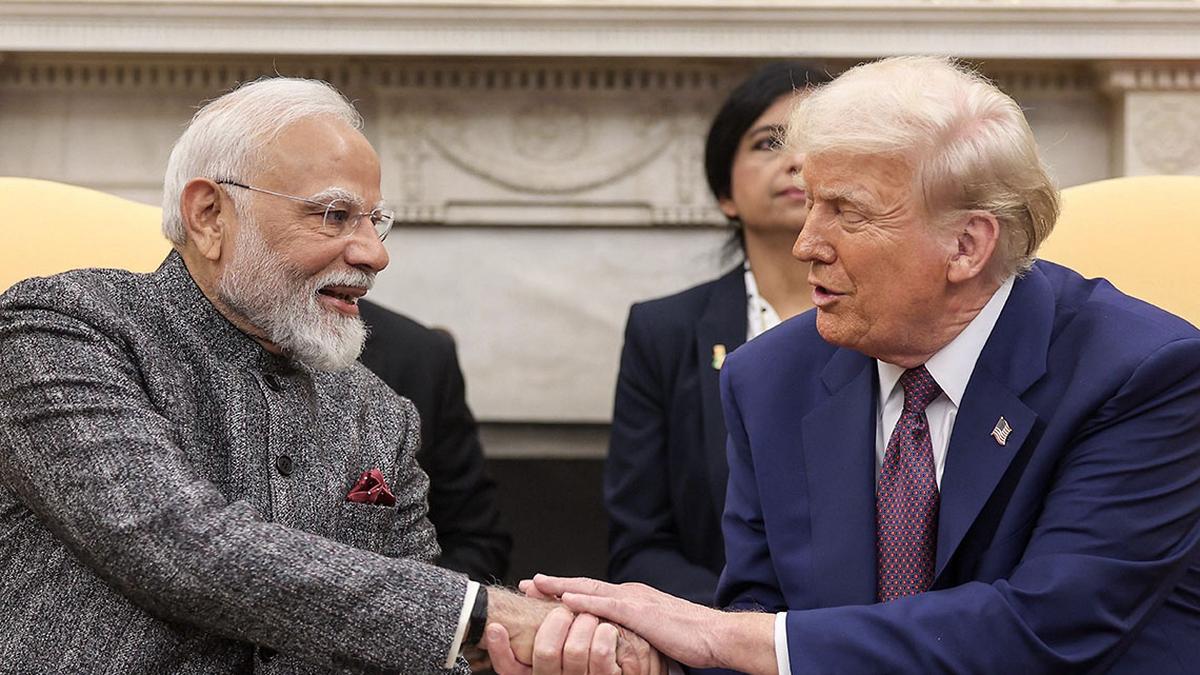
India’s post-Cold War ties with the United States have been pronounced to be in crisis with remarkable regularity. This time, the triggers are real enough. A stream of threats and insults from U.S. President Donald Trump; his false claim that he brokered an India-Pakistan cease-fire last year; the U.S. war against Iran, including Washington’s reluctance to show any contrition for the killing of Indian sailors in the Gulf of Oman; U.S. support for Pakistan’s role as a peacemaker in the Middle East; the quiet abandonment of the Indo-Pacific nomenclature that Trump himself had championed in his first term; and his talk of a “G-2” condominium between the United States and China. Together, these have created a sense in New Delhi that the relationship is now at a crossroads.
The mood is in stark contrast to 2024, when Indian public opinion was broadly rooting for Trump’s return to the White House. Then, prayers for his election victory were being held in some quarters, and there was widespread expectation that another Trump term would surely prove better than the Biden administration years.