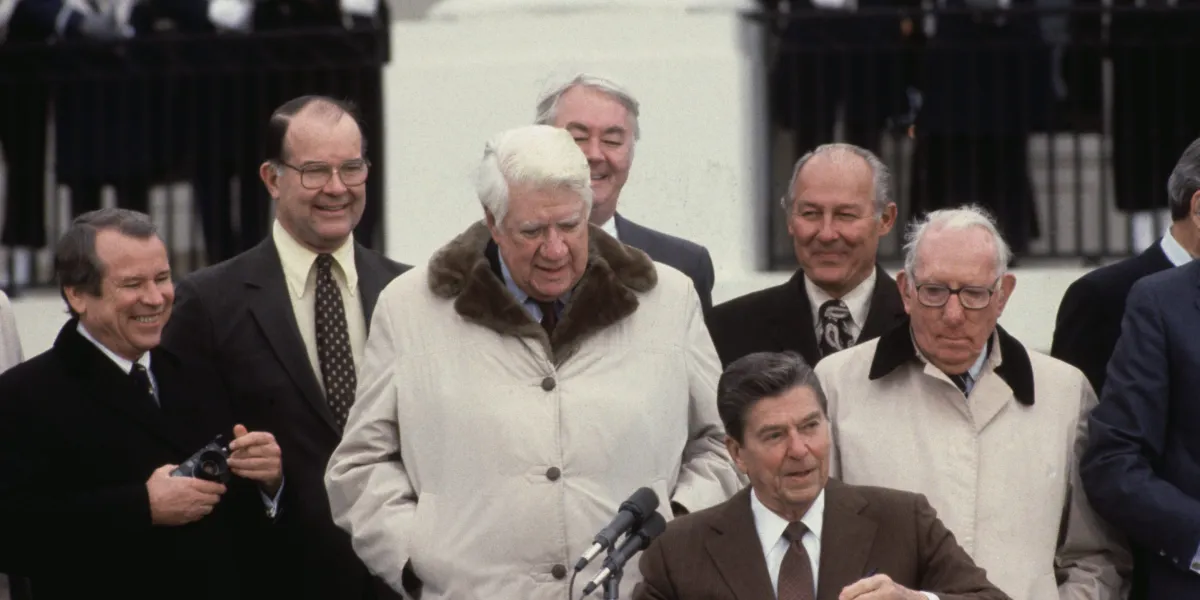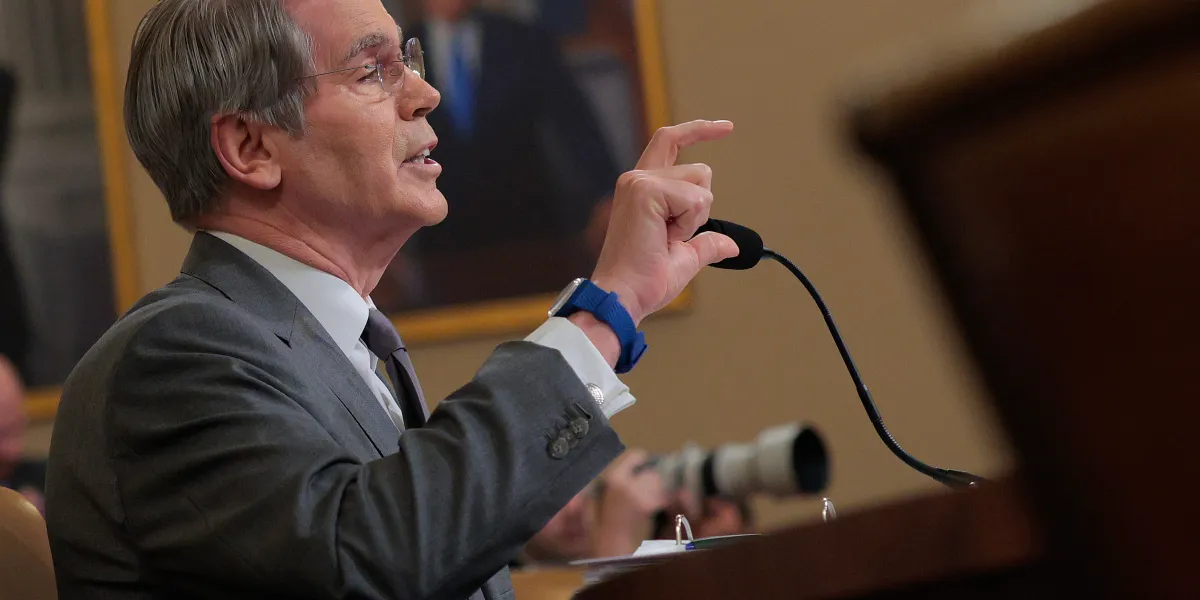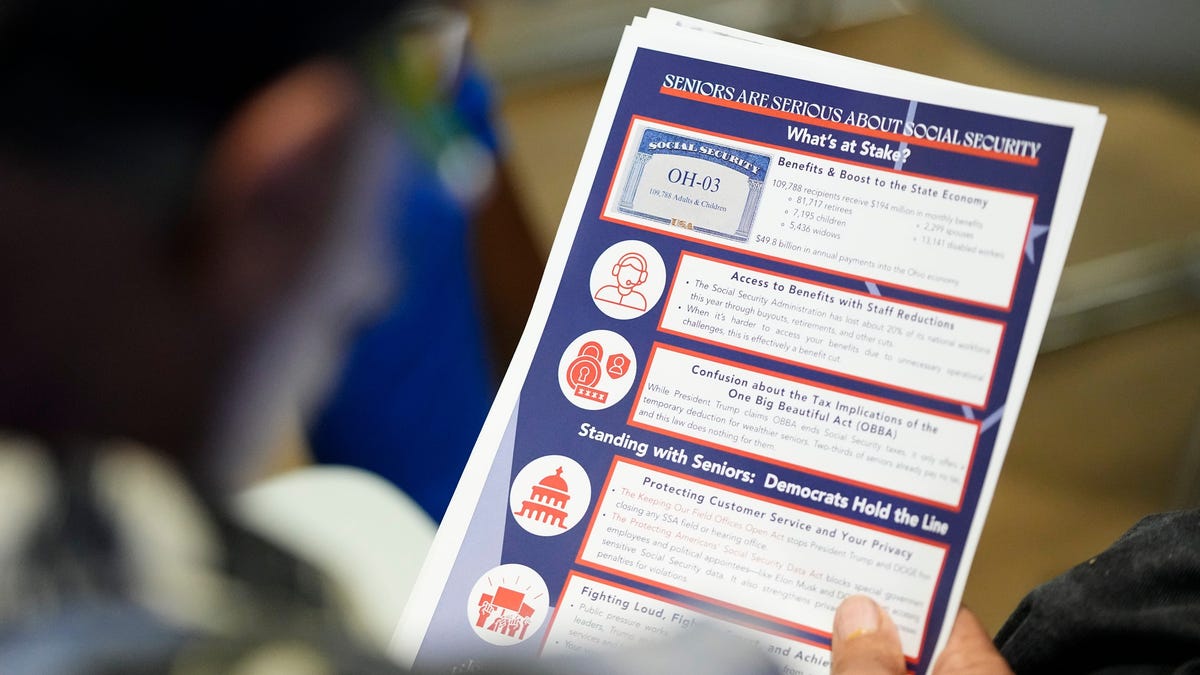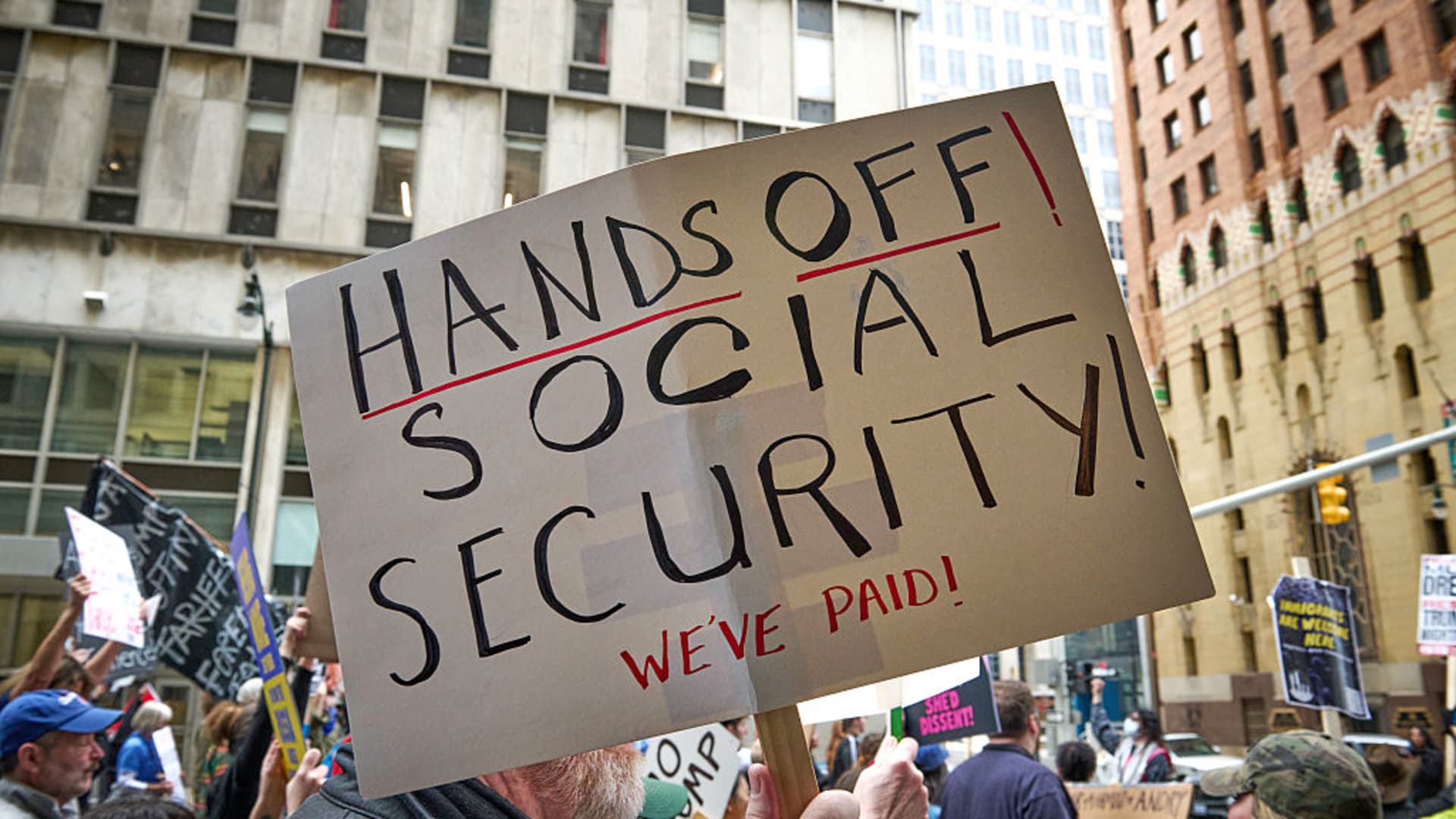
A recent report from the Social Security Board of Trustees finds that the fund that helps pay for retirement benefits will run out of money earlier than previously projected. That means it would be unable to pay out full benefits starting in the last quarter of 2032.For more on what this all means, “Marketplace Morning Report” host Kimberly Adams was joined by Kathryn Anne Edwards, a labor economist and host of the “Optimist Economy” podcast. The following is an edited transcript of their conversation.Kimberly Adams: So, when we hear that Social Security will be depleted in late 2032, what does that mean will actually happen to folks' benefits?Kathryn Anne Edwards: Well, probably nothing in 2032, because Social Security's program, as you know, it actually has two separate trust funds — one for the old age and survivor benefits, one for disability benefits. The Disability [Insurance] Trust Fund, they will dip into it to get two more years, so it'll actually not really be on the cliff cliff until 2034.Adams: What are some of the reasons behind this worsening picture for Social Security?Edwards: Social Security has had the same problem for roughly 35 years, which is Congressional neglect and inaction. The way that the program is designed — and, of course, this has never happened before — but in theory, should the trust fund truly be depleted, the program's benefits for all current and future beneficiaries would be cut by a flat amount. It's estimated to be 17% in 2034. That is not only avoidable if they act at the last minute, but the size of the cut would be smaller if they had acted sooner.From January 2026: What happens when Social Security runs out of funding?From August 2025: As Social Security turns 90, a new survey shows that 65% of retirees rely on itFrom July 2025: How Trump’s immigration policies could threaten Social SecurityAdams: Last summer, Republicans passed that big tax and spending bill into law, and that lowered the taxes that beneficiaries have to pay on their Social Security income. How is that playing into this dynamic?Edwards: The Office of the Actuary of the Trustees’ report released estimates after the bill was passed last summer to say that it did accelerate the depletion of the trust fund. I think what is probably more telling, not just of the One Big Beautiful Bill Act's tax cut, is that the immigration policy is going to have the biggest hit on Social Security.Adams: Say more about that.Edwards: You know, Social Security is really a wage and worker program. And we think of it being a reflection of our demographics, but it's really much more of a reflection of our economics. How many people are working and how are they earning? The two biggest hits to the program historically have been falling or stagnant wages for the bottom half of workers, and then the Great Recession — lots of people unemployed for a long time. But going forward, we really do have a population issue, because we have lower fertility, but in the past, we've always made up for that lower fertility by having high immigration. What can truly damage Social Security in a way that will be very hard to make up for is making the country a net loser of immigrants, which is what we have been for the past year and a half.Adams: Like you mentioned, Congress has known this cliff has been coming for ages now, but it feels like the people who are beginning to be elected to Congress could easily see this cliff come on their watch. We're in an election year. Is this coming up at all?"If you are voting for a senator right now, you are voting for the senator that will be in office when the first move has to happen, which is when the old age trust fund is depleted in 2032," Edwards said.Jim Watson/AFP via Getty ImagesEdwards: If you are voting for a senator right now, you are voting for the senator that will be in office when the first move has to happen, which is when the old age trust fund is depleted in 2032. They either have to fix the program or they have to dip into the disability funds. They have to do some kind of congressional action, even if that action is buying two more years of time. That is who is running for office for Senate right now, but I think it's starting to come home that this next presidential election, in particular, we are electing the Social Security president.Adams: What are some solutions that could actually fix this imbalance?Edwards: Social Security has this reputation of being “the third rail” of politics. I think that that's actually been a political fiction that has very much suited its detractors, because there's actually very little disagreement among Americans. They know exactly what they want: preserve this program, don't cut benefits, pay for it however you need to, but this is my program. And, I mean, 80% of Republicans would agree with that statement. So, I think it's truly an area in which this partisan political divide, it just doesn't exist for most people, because everyone knows someone who's benefited from Social Security, and everyone knows that they are going to need Social Security to some extent when they retire. It's still more than half of income for more than half of retirees.
Congressional inaction is pushing us toward a Social Security cliff
Social Security’s Old-Age and Survivors Insurance Trust Fund is expected to run out of money in 2032. That means the next senator and president you vote for will have to address its shortfalls.
903 words~4 min read