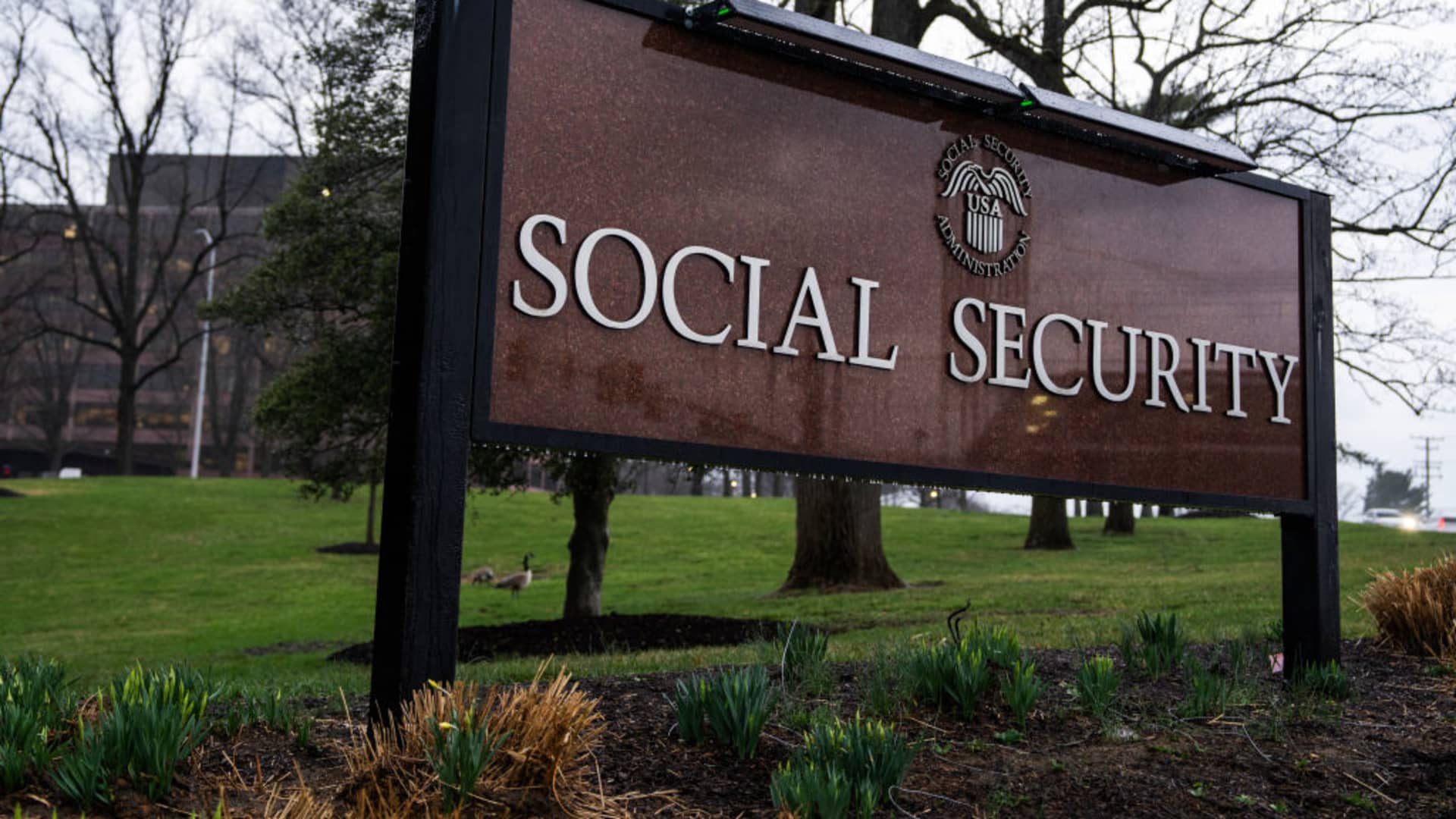
The Social Security trust fund is running out of time faster than most Americans realize. The 2026 Social Security Trustees Report, released on June 9, confirmed that the Old-Age and Survivors Insurance (OASI) fund will be depleted in the fourth quarter of 2032 — roughly three months earlier than last year's forecast.That may not sound alarming on the surface, but the financial math underneath is serious. Unless Congress acts, current and future beneficiaries alike will see their benefits cut by 22%. For the roughly 70 million Americans who rely on these monthly checks, that is not an abstract policy debate — it is a direct threat to retirement security.Social Security Crisis 2032: Is America Headed Toward the Biggest Retirement Benefits Cut in Decades?The Social Security trust fund has been under pressure for years, and the 2026 report makes clear that the problem is accelerating. In 2025, the combined Social Security trust funds took in $1.45 trillion and paid out $1.61 trillion, reducing reserves from about $2.72 trillion to $2.56 trillion. The trustees identified several converging forces driving this shortfall.The Congressional Budget Office revised the projected depletion date to 2032 after updating its economic forecast, which predicts hotter inflation in the coming years — affecting Social Security's annual cost-of-living adjustment — and projects lower trust fund income due to reductions in individual income taxes and payroll taxes. On top of that, the 2025 "One Big Beautiful Bill Act" included multiple provisions that lowered tax liability for Social Security beneficiaries, meaning the trustees project less trust fund revenue from income taxes on Social Security benefits going forward. Declining fertility rates and reduced immigration also shrink the pool of workers paying into the system.What does a 22–24% benefit cut actually look like?This is where the Social Security trust fund crisis becomes painfully concrete for everyday households. The average monthly retirement benefit for 2026 was projected to be $2,071, and average monthly benefit cuts may reach $500, with losses even higher in 29 states. Once the reserve dries up, ongoing tax revenues will cover only 78% of scheduled retirement benefits. The Committee for a Responsible Federal Budget puts the figure slightly higher, projecting a 24% across-the-board cut. To be clear: Social Security is not going bankrupt in the traditional sense.The 2032 projection does not mean benefits stop — it means smaller checks if Congress does nothing. But for a retiree living on $2,071 a month, losing $500 of that income is the difference between covering rent and not covering rent. The Social Security trust fund problem is not a distant technicality — it is a kitchen-table crisis arriving within six years.What can Congress actually do to fix the Social Security trust fund?There is no painless solution to the Social Security trust fund shortfall, and that is precisely why Congress has delayed action for decades. The program is an estimated $30.3 trillion short over the next 75 years. The menu of options is well understood: raise the payroll tax rate, lift the taxable wage cap (currently $184,500 in 2026), raise the retirement age, or reduce future benefit growth.New Cato Institute polling reveals just how politically treacherous each path is. While 63% of Americans initially say they support raising payroll taxes "as much as necessary," that support collapses when the question becomes specific — 77% would oppose raising their own taxes even $1,300 per year, which is less than what is actually needed per person. Meanwhile, 77% oppose reducing benefits for current and future retirees.In 1983, Congress solved a near-identical Social Security trust fund crisis just months before insolvency by raising the retirement age and making other structural changes. That required both parties to share the political pain. With 2032 now less than seven years away, the same kind of bipartisan urgency is overdue — and the trustees themselves say so explicitly, urging lawmakers to act before the window closes entirely.FAQs:Q1. Why is Social Security facing a major funding crisis in 2032? The Social Security funding crisis is growing because the program is paying more in benefits than it receives from payroll taxes. The latest Trustees report warns that the trust fund could be depleted by 2032, leaving the system able to cover only a portion of scheduled benefits. Without reforms, millions of retirees may face reduced monthly Social Security payments.Q2. Will Social Security benefits stop if the trust fund runs out? Social Security benefits will not completely disappear after trust fund depletion, but automatic benefit cuts could happen. The program would continue collecting payroll taxes and paying reduced benefits, with projections showing cuts could reach around 24 percent. Congress would need to act through tax changes, benefit adjustments, or other reforms to protect full payments.
Social Security crisis 2032: Could a 22% benefit cut slash retirement income for millions of Americans if Congress fails to act?
Social Security crisis 2032 is no longer a distant warning. Current projections show the trust fund could face depletion by 2032, triggering a potential 22% benefit cut. For millions of retirees, this is about more than retirement benefits. It is about income security, rising living costs, and whether Americas retirement system can keep its promise.
780 words~4 min read