Critics and competitors have long complained about the "Apple Tax" – the sales commission developers are obliged to pay on App Store sales and in-app purchases.Now Microsoft engineers have documented a performance tax – the performance hit that iOS users today endure because Apple requires iOS browsers, with theoretical exceptions, to use the WebKit browser engine that powers Safari.The performance tax comes to 28.6 percent, almost as much as Apple's 30 percent commission rate.
Browser rendering engines handle the heavy lifting for web browsers. "They determine how web standards are implemented, how security and privacy protections are enforced, and which actors ultimately shape the evolution of the web," as Mozilla recently explained.
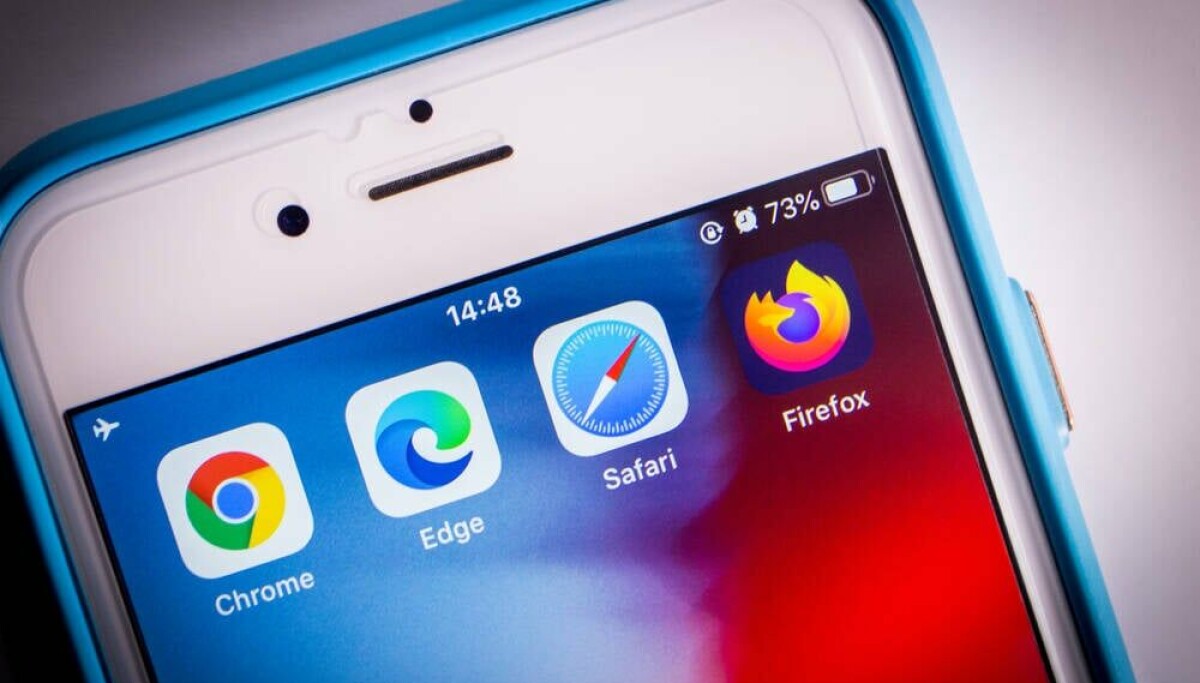
Just three major engines dominate commercial deployments: Blink, the foundation of Chrome and its Chromium-based siblings Edge, Vivaldi, Brave, and Opera, among others; WebKit, the foundation of Safari; and Gecko, the foundation of Firefox.Firefox holds about 2 percent of the global browser market share, according to StatCounter. That helps explain Mozilla's concern that the lack of browser engine diversity, a consequence of the market power of Google and Apple, threatens the open web.According to DigitalApplied, Safari owns 23.4 percent of mobile browsing on iOS globally and 51.2 percent of mobile browsing in North America.But due to Apple's platform rules, every browser that runs on iOS is WebKit-based, so there are few opportunities for competitive differentiation outside of interface elements.Browser rivals, advocacy groups, and web developers have argued that Apple should relax its platform rules and improve its web technology for years. Europe's Digital Markets Act (DMA), plus regulatory action in Japan and elsewhere, have amplified hope that Apple will allow more competition on its mobile OS. The latest such investigation comes from the Italian Competition Authority.Microsoft has now highlighted the cost of the iOS browser engine monoculture – time lost to Safari's slowness.On Monday, Kyle Pflug, group product manager for the Microsoft Edge Web Platform, published benchmark test results using Apple's Speedometer 3.1 and other test tools that show how a Chromium-based iOS browser using the open source Blink rendering engine compares to Apple's Safari browser, which relies on the open source WebKit rendering engine.Edge is a Chromium-based browser, and if it were implemented for iOS using BrowserEngineKit, a framework Apple introduced in March 2024 to comply with Europe's Digital Markets Act (DMA), it would score 28.6 percent better (49.27 vs 38.3 on Speedometer 3.1) than Apple's Safari browser under iOS 26.5.1.